Ditto Restaurant NYC Opening: Baraghani Debuts Ditto
Discover Ditto restaurant's NYC debut. Explore its data-driven opening, market impact, and implications for the vibrant NYC dining scene.
 By
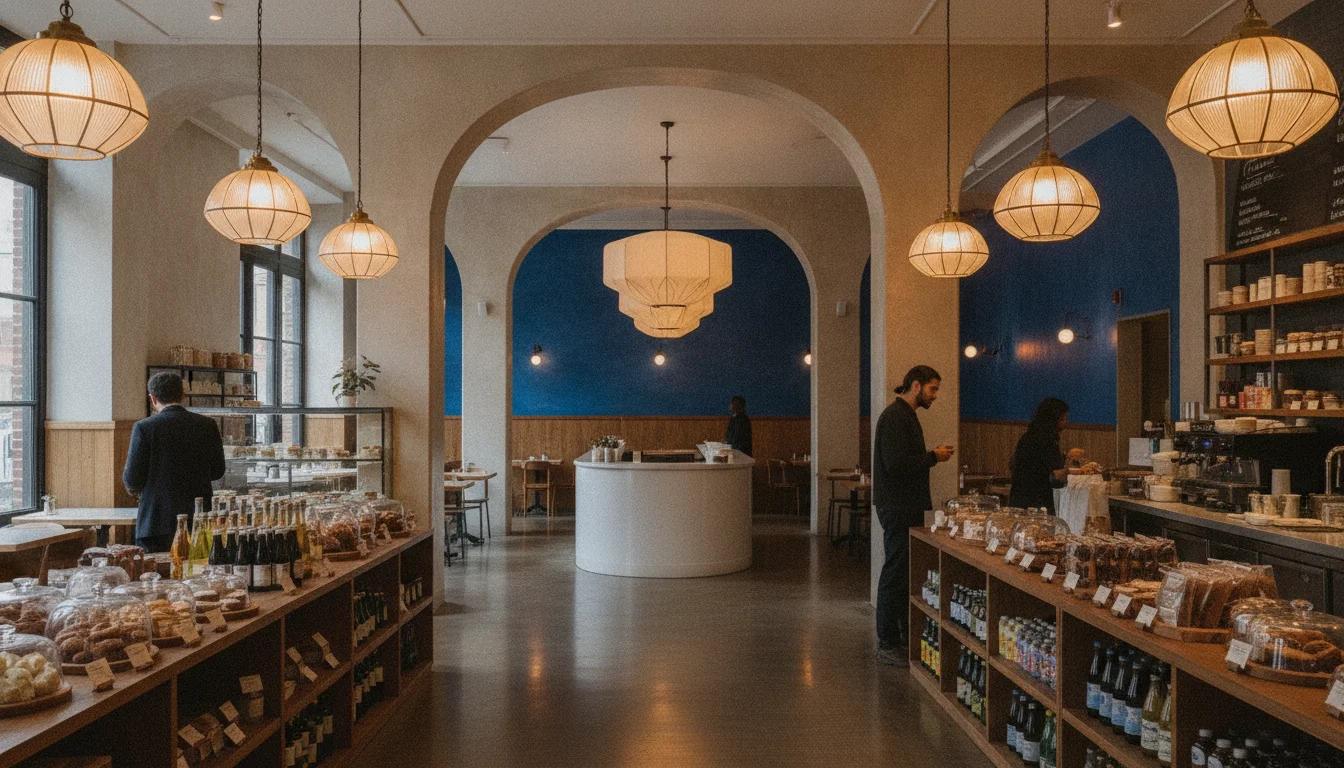
Ditto restaurant NYC opening occurred on November 19, 2026, when Andy Baraghani opened Ditto in New York City's Flatiron District. Architectural Digest first tied the date to the restaurant’s design-forward concept and the buildout that accompanied the launch, signaling a formal entry into Manhattan’s bustling daytime dining scene. This opening marks Baraghani’s first brick-and-mortar restaurant, developed with investor Michael Silber as part of a broader strategy to blend neighborhood accessibility with a design-forward sensibility. Architectural Digest notes that the space, housed in a 1905 factory shell, was configured into three distinct zones—market, counter-service, and a blue-walled dining area with an open kitchen—intended to serve both walk-ins and diners seeking a sit-down meal. The opening date was publicly framed as November 19, 2026, by the magazine, situating Ditto within the fall wave of New York openings and signaling a shift toward daytime, casual grazing and take-home options in the Flatiron/Union Square corridor. (architecturaldigest.com)
That shift—toward a hybrid, all-day concept with a market-and-dine model—was a focal point of the rollout. Architectural Digest describes Ditto as an all-day café anchored by a market concept, with a handwritten menu updated daily and a design language that blends Bauhaus-inspired counters with midcentury touches. In interview, Baraghani framed the project as a personal synthesis of his culinary approach and his affinity for neighborhood rhythms. The design and menu choices underline Ditto’s aim to be a casual-but-not-casual-neighbor, a place where people can pop in for a pastry on the way to work, grab a quick lunch, or linger for a longer, unstructured afternoon. The three-zone layout is meant to accommodate both speed and sociability, a structure that aligns with evolving consumer expectations for flexible, experience-rich daytime dining. “I’ve always been obsessed with design,” Baraghani told Architectural Digest, underscoring how the space doubles as a living room for the neighborhood as much as a kitchen for the chef. (architecturaldigest.com)
What’s notable about the Ditto opening is not only the date, but the context in which it arrived. The New York Times had previously signaled a September opening window in reporting this project, with coverage that the site would open later in September but did not specify a final calendar date at that moment. Later reporting and design-focused coverage refined the date to mid-to-late November, reflecting the normal tempo of a high-profile, design-forward concept launching in a dense Manhattan market. Coverage from other local outlets and industry watchlists likewise placed Ditto within the November opening batch, with Eater noting a Friday launch around November 20, 2026, and Observer highlighting the month’s slate of openings that included Ditto as a late-month arrival. While early speculation of a September opening existed, the more recent, corroborated date places the official debut of Ditto on November 19, 2026, with consistent coverage confirming the target window and the opening’s location near Union Square/Flatiron. (monorepo-sample2.nyt.net)
Section 1: What Happened
Opening Date and Location
A walk-in neighborhood concept lands at 13 East 16th Street
Ditto is located at 13 East 16th Street, New York, NY 10003, in the block between Union Square West and Fifth Avenue, a site adjacent to the Greenmarket corridor and within walking distance of Union Square park. Multiple outlets have described the space as a former Agnès B. storefront repurposed into a three-zone concept that accommodates both quick-service and sit-down dining, with a pantry and take-home offerings. The address is repeatedly cited in coverage about Ditto’s placement near Union Square, which places it in the broader Flatiron/Union Square neighborhood cluster that has seen a steady stream of daytime-oriented concepts in recent years. The neighborhood context—nearby Greenmarket activity and a pedestrian-heavy stretch—positions Ditto to capture morning and midday foot traffic while offering a flexible format for casual meals and carryout. (hoodline.com)
The opening window and initial reporting
Architectural Digest’s November 10, 2026 piece anchors the official opening date as November 19, 2026, with interior and concept details that align with Ditto’s three-zone layout. The article also emphasizes the space’s design vocabulary—from Holophane pendants to Venetian plaster walls tinted in Buckland Blue—illustrating how Ditto blends function with a high-design environment intended for broad daylight, and not solely evening dining. A contemporaneous piece in The Times, reported in early September 2026, framed Ditto as a slated project for that month, indicating an evolving timeline between press previews and the eventual opening. In the weeks that followed, other outlets and trade watchers placed Ditto squarely in the November rollout, with Eater NY signaling a Friday opening around November 20, 2026, and flexible launch logistics that suggested a staggered introduction (breakfast and lunch first, with later expansion to other services). The net effect is that Ditto’s debut landed in mid-to-late November 2026, rather than the earlier September window that was initially discussed in reports. (architecturaldigest.com)
The Concept and Menu Details
A three-zone, market-forward service model
Ditto’s interior is designed as three distinct zones: a front market area with grab-and-go groceries, a central counter-service area with a Bauhaus-inspired white counter where patrons take numbers and choose their meals, and a blue-walled rear dining room with an open kitchen. The layout supports both quick, casual purchases and flavorful, sit-down experiences, echoing Baraghani’s intent to cater to the needs of busy New Yorkers while preserving a sense of design-forward hospitality. The handwritten daily specials and a “Platonic ideal of granola” among the menu notes signal a menu that is both flexible and rooted in produce-driven, vegetable-forward cooking, with influences drawn from Baraghani’s Iranian-American heritage and his culinary background in California. The menu’s iterative nature—updated daily—amidst a market setting points to Ditto’s emphasis on freshness, local sourcing, and adaptability to daily market conditions. The interior branding and playlist, crafted by Chandelier Creative, add a cohesive sensory layer to the dining experience. This level of operational integration—design, menu, service format, and branding—places Ditto as a test case for the next generation of daytime-friendly, design-forward neighborhood eateries in Manhattan. > “The menu is handwritten on butcher’s paper and updated daily,” Architectural Digest notes, underscoring the ephemeral, craft-driven character of Ditto’s food program. (architecturaldigest.com)
The backstory and design narrative
The project’s team includes an architecture brief and interior design collaboration aimed at balancing a casual, accessible atmosphere with a sense of curated design. Architectural elements—such as a blue dining room, a back-of-house kitchen in patinated stainless steel, and vintage hardware—are described in detail in AD’s write-up, highlighting how Ditto uses space to manage flow, noise, and the boundary between market and dining. The design story matters because it signals Ditto’s intent to be a space that invites repeat visits, not a one-off culinary event. In Baraghani’s own words, the interior choices were guided by a desire to translate the energy of a well-loved neighborhood into a space that feels both practical and aspirational. This aligns with the broader trend in New York City where design-forward storefronts are increasingly used to differentiate mainstream daytime venues within dense market segments. (architecturaldigest.com)
Announcement timeline and corroborating context
Initial coverage and early previews tracked Ditto from its first public mentions in September 2026 through fall coverage in November 2026. The New York Times’ September coverage described Ditto as a project opening “later this month” at 16th Street, with later updates narrowing to a late-November debut. Architectural Digest’s November 2026 feature then solidified the November 19 opening date and offered the final design and menu details that aligned with public anticipation. The divergence in dates—Sept. 30 per some early reports versus Nov. 19 per the AD feature—illustrates a typical industry pattern where early press estimates precede a finalized launch schedule. This is not unusual in high-profile openings where operational readiness and licensing steps can shift a date by weeks. (monorepo-sample2.nyt.net)
Section 2: Why It Matters
Market Context and Strategic Significance
A data-driven read on daytime, design-forward dining in Manhattan
Ditto’s move into the Flatiron/Union Square axis represents a broader market trend toward accessible yet design-conscious daytime dining in Manhattan. The concept blends a walk-in, market-forward format with a casual all-day dining experience—a fusion seen in other neighborhoods but still relatively rare at this scale in this part of town. Market watchers note an appetite for flexible formats that can serve morning coffee and pastry, midday salads, and pantry items, while still delivering a curated experience that signals elevated hospitality. The shift toward daytime, walk-in concepts aligns with consumer demand for lower-friction dining options that do not require a reservation to access well-made food in a thoughtfully designed environment. This is especially relevant in a market where dense foot traffic and near-neighborhood competition reward concepts that can efficiently convert passersby into customers without lengthy lead times. (architecturaldigest.com)
Expert observation: Ditto’s three-zone design and handwritten daily menu reflect a broader industry move toward flexible, design-forward daytime formats that can fluidly switch between grab-and-go and sit-down experiences. This approach aims to balance speed, quality, and atmosphere in a city where time is precious and dining decisions are often time-constrained.
The neighborhood and consumer dynamics
Ditto’s location situates it near Union Square and the Greenmarket network, a cluster of pedestrian-friendly, food-forward destinations that benefit from proximity to public transit, office workers, and a high concentration of daily foot traffic. The area’s history as a launchpad for experimental dining and design concepts—coupled with a design-forward interior meant to be photographed and shared—positions Ditto to capture both local regulars and out-of-towners seeking a "New York moment" without heavy reservations schedules. The neighborhood dynamic—where daytime reliability, quick service, and a compelling sensory environment intersect—helps explain why Ditto’s opening has received sustained attention from design and food media outlets, in addition to traditional restaurant trade press. (hoodline.com)
What Ditto signals for the broader NYC food and tech-enabled dining landscape
Ditto’s approach aligns with a broader set of market signals in New York City: a continued appetite for in-city, design-led experiences; a demand for flexible dining formats that can accommodate casual workdays and social lunches; and a willingness among investors and operators to back daytime concepts with robust design and marketing. The inclusion of a market/grocery front and a “take-home” pantry indicates an integrated retail-facing strategy that could become a template for other neighborhood spots seeking to maximize foot traffic across different service modes. While Ditto is a single opening, it sits within a line of launches and reopenings in late 2026 that signal a broader pivot toward daytime, casual, neighborhood-focused eateries with emphasis on fresh produce and accessible formats. Market observers point to similar openings in late 2026 as a sign of this trend gaining scale, particularly in fast-growing corridors where real estate costs and labor markets push operators to build enduring, multifunctional spaces that can operate efficiently across multiple service modes. (ny.eater.com)
Stakeholders and Affected Parties
Neighborhood residents and workers
For residents and workers in the Union Square/Flatiron circle, Ditto offers a reliable daytime option that doesn't require a formal reservation structure or big-ticket dining experiences. The walk-in model lowers barriers to access and could translate into increased foot traffic for nearby businesses, including the Greenmarket and other neighborhood shops. In a city where time is at a premium, Ditto’s format could become a predictable, convenient stop for breakfast, lunch, and pantry purchases, potentially driving ancillary benefits for surrounding retailers and services. This dynamic matters for neighborhood planning and small-business ecosystems, particularly in areas where daytime density and walkability are high. (hoodline.com)
Prospective competitors and the local dining market
Ditto’s arrival intensifies the competition among daytime, casual concepts in Manhattan’s central neighborhoods. With several openings in late 2026 and into 2027, Ditto’s emphasis on speed, convenience, and design quality could spur similar concepts to elevate their own design and service models. Competitors may respond by incorporating similar market-focused layouts, handwritten daily menus, and flexible dining spaces designed to accommodate both quick meals and longer visits. The broader market response may shape landlord and operator expectations for how daytime concepts can succeed in premium urban areas. (comingsoonproject.com)
Design and hospitality industry observers
Ditto’s design-forward concept—anchored by a market, a central counter, and a blue dining zone—adds to the discourse about how design can influence dining behavior in urban settings. The three-zone configuration provides practical lessons for operators considering hybrid formats that blend retail, quick-service, and full-service dining. Industry watchers will be watching whether Ditto’s design investments translate into higher customer satisfaction, longer dwell times, and higher repeat visitation in a market where competition for attention is intense. The Architectural Digest feature provides a detailed account of the interior decisions and the designers involved, highlighting the collaboration between chef, investor, and design teams as a blueprint for similar ventures. (architecturaldigest.com)
Section 3: What’s Next
Timeline, next steps, and watch points
Short-term milestones
- November 19, 2026: Ditto officially opens to the public, beginning with breakfast and lunch services, and a pantry offering for take-home items, in the 1905 factory-turned-restaurant at 13 East 16th Street. Architectural Digest anchors this date and describes the in-space experience in detail, including the three-zone layout and the daily-changing menu. (architecturaldigest.com)
- Late November 2026: Media coverage, early reviews, and social media activity from Ditto’s official channels and partner outlets begin to shape the first public impression of the concept. The November window is corroborated by multiple outlets, with Eater and Observer identifying November openings around that same timeframe. (ny.eater.com)
Medium-term expectations
- Operational performance and market reception: As a first restaurant for Baraghani, Ditto’s ability to attract daytime foot traffic, convert walk-ins, and drive pantry purchases will be a key indicator of the viability of the model in a highly competitive Manhattan market. The combination of market groceries, a counter-driven service model, and a sit-down dining room is designed to attract multiple customer segments, from early morning to late afternoon. Industry watchers will be looking for data on average transaction value, dwell time, and the share of pantry-to-dine-in sales as a signal of Ditto’s multi-revenue approach.
- Menu evolution and supplier relationships: Given the handwritten daily menu and emphasis on seasonal produce, Ditto’s menu will likely evolve in response to Greenmarket availability and supplier relationships. Observers will watch for new dishes or signature items that define the restaurant’s identity beyond its design language. The menu’s adaptability could become a case study in how to maintain freshness and relevance for a daytime audience over time. (architecturaldigest.com)
Longer-term outlook
- Replicability and growth: If Ditto proves successful in this tightly packed day-use corridor, Baraghani and Silber could explore similar formats in other neighborhoods or markets, leveraging the same design-forward approach to support sustainable daytime dining. The notion of combining a walk-in market with a café and casual dining could become a replicable template, particularly in dense urban environments where the cost of sit-down dining and the demand for quick-service options intersect. Industry observers will evaluate whether Ditto’s model scales and whether it inspires a wave of similar concepts across the city. (observer.com)
Closing
Ditto’s NYC opening represents more than a single restaurant launch; it signals a broader push toward daytime, accessible, design-forward concepts in a city that continually tests new formats for urban dining. The combination of a market-driven front, a central counter experience, and a design language that invites linger and social sharing positions Ditto to become a reference point for how neighborhoods adapt to evolving consumer expectations around everyday dining. As attendees, critics, and locals begin to experience Ditto in the coming weeks, observers will be watching not only the menu but also how Ditto performs as a micro-hub for daily life in Manhattan’s iconic dining corridors.
Stay tuned to major outlets and Ditto’s official channels for updates on menu development, hours, and potential expansions. Architectural Digest’s design-forward lens will likely be complemented by ongoing coverage from trade and lifestyle media as Ditto settles into its opening phase and begins to establish a steady cadence of service. The neighborhood’s response—along with the restaurant’s own performance data—will help determine whether Ditto’s model can endure the city’s competitive food-and-beverage landscape and whether it will become a staple for morning to late-afternoon dining in this part of Manhattan. (architecturaldigest.com)
Two primary sources anchor the core facts about the opening date and concept:
- Architectural Digest’s November 10, 2026 feature confirming Ditto’s opening date of November 19, 2026 and detailing the three-zone design. (architecturaldigest.com)
- The New York Times coverage from September 2026 signaling the Ditto project and its initial September window, providing context for the timeline evolution into November. (Former reporting reproduced and summarized by other outlets in late 2026.) (monorepo-sample2.nyt.net)
In addition, Ditto’s own public-facing channels, including its Instagram presence, have served as direct posts about the project and its ongoing development, reinforcing the date and the space’s address. The Instagram account associated with Ditto is a primary source for the restaurant’s updates and is linked by industry outlets as the official channel for Ditto’s communications. See Ditto’s official Instagram: https://www.instagram.com/ditto.newyork/ (as cited by industry coverage). (cititour.com)