New-York Historical Opens 71,000-Square-Foot Tang Wing
Tang Wing Expansion New-York Historical Society signals a pivotal 71,000-square-foot expansion advancing American democracy education.
 By
By 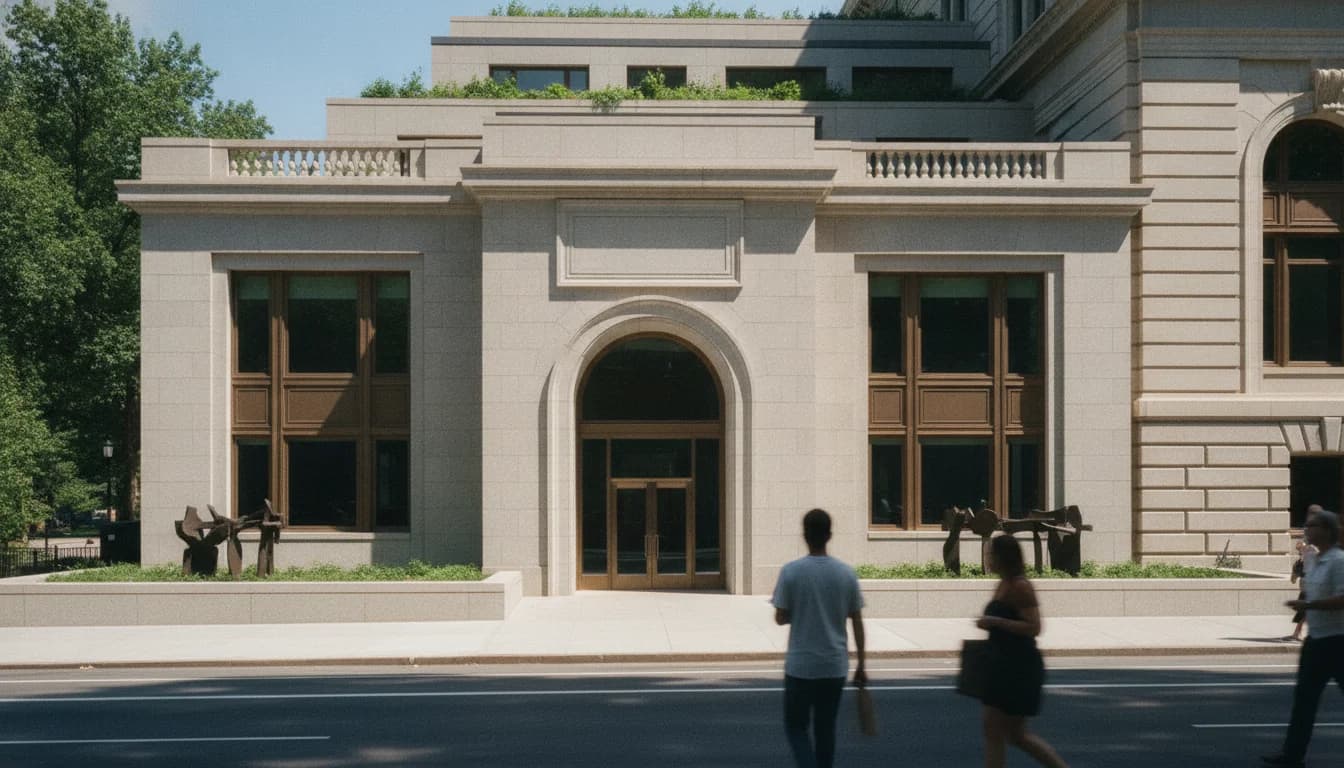
The Tang Wing Expansion New-York Historical Society marks a decisive milestone for one of the city’s oldest cultural institutions. On June 22, 2026, Governor Kathy Hochul announced the completion of The New York Historical’s Tang Wing for American Democracy, a transformative 71,000-square-foot addition situated at 170 Central Park West on Manhattan’s Upper West Side. The project, described by state officials as the museum’s first major campus expansion in nearly a century, is designed to broaden the institution’s capacity for exhibitions, conservation, and public programming while aligning with the nation’s 250th anniversary celebrations. The completion signals a new era for the museum as it expands its physical footprint to house expanded educational spaces, galleries, and public spaces that invite broader audiences to engage with American history. (esd.ny.gov)
The expansion arrives as a focal point of cultural commemorations tied to the United States’ 250th anniversary, with the Tang Wing planned to host a broad slate of exhibitions and programs that explore democracy in its many dimensions. The project will also serve as the future home of the American LGBTQ+ Museum, a collaborative venture that will join The New York Historical’s Center for Women’s History in advancing civil rights narratives. Officials said the Tang Wing will drastically increase the museum’s capacity to welcome visitors, students, and researchers from across New York City and beyond, expanding opportunities for community education and international cultural exchange during a period of heightened civic interest. This milestone is integrated into the broader city and state strategy to grow cultural tourism and support educationally focused public programming during a historically significant moment for democracy. (esd.ny.gov)
The announcement situates the Tang Wing expansion within a larger, ongoing collaboration between the museum’s leadership and public agencies, underscoring the role of public investment in cultural infrastructure. The state described the project as a centerpiece of New York’s cultural economy, noting more than $14 million in New York State funding supported the nearly $175 million expansion. The funding mix includes contributions from state agencies as well as local and philanthropic sources, reflecting a public-private partnership model that aims to sustain museum programming and workforce development in the arts sector. The Tang Wing project is designed by the renowned Robert A.M. Stern Architects (RAMSA), whose team emphasizes continuity with the historic campus while delivering modern spaces for exhibitions, classrooms, and civic education. (esd.ny.gov)
What Happened
Tang Wing for American Democracy: A New 71,000-Square-Foot Addition
The centerpiece of the expansion is a four-story addition described by RAMSA and the museum as the Tang Wing for American Democracy, a new 71,000-square-foot wing designed to host expanded galleries, educational facilities, conservation spaces, and public programming areas. The scale and scope of the wing are intended to multiply the institution’s capacity for exhibitions and scholarly work and to provide a dedicated space for civic education that aligns with the museum’s mission. A key design argument behind the Tang Wing is to create a seamless bridge between the historic collection and contemporary civic discourse, ensuring that visitors can access a broad spectrum of historical narratives within a unified campus experience. RAMSA notes that the wing’s exterior materials and detailing were chosen to respect the architectural language of the original building while enabling practical improvements for accessibility, climate control, and energy performance. (ramsa.com)
Timeline Milestones for the Expansion
Construction of the Tang Wing progressed through several milestones over the past few years. Public reporting from construction and planning outlets indicates that construction topped out in 2025 and advanced toward a full interior fit-out through 2026. By June 2026, the expansion reached completion, with the opening aligning with national commemorations of the 250th anniversary of the United States. The formal completion announcement by Governor Hochul on June 22, 2026, confirms the milestone and situates the Tang Wing as a central cultural venue entering a new phase of public programming and educational outreach. This timeline reflects a multi-year effort that included design development, fundraising, public funding, and coordinated branding and programming planning. (newyorkyimby.com)
Funding and Leadership
The Tang Wing expansion represents a significant capital campaign, with the total project estimated at roughly $175 million. State officials highlighted more than $14 million in New York State funding supporting the expansion, underscoring the project’s role as a strategic investment in cultural infrastructure. In addition to public funding, philanthropic support from the Tang family—specifically Oscar Tang and Agnes Hsu-Tang—played a pivotal role in advancing the campaign, including a substantial gift that contributed to completing fundraising for the expansion. Media coverage confirms that the Tang couple’s support helped secure critical fundraising milestones, culminating in the expansion’s completion and programal plans for the new wing. The project also involved collaboration with the New York City Department of Cultural Affairs and the city’s tourism and economic development programs, which helped to frame the Tang Wing within broader cultural and economic development objectives. (esd.ny.gov)
Design and Campus Context
The Tang Wing’s design and placement at 170 Central Park West were developed to complement the New York Historical’s existing campus while enabling a meaningful expansion of public programs. RAMSA emphasizes that the expansion integrates a new public atrium, education spaces, and outdoor gathering areas, creating an enhanced campus experience that bridges indoor gallery spaces with outdoor landscapes. The new wing is described as a contemporary complement to the historic structure, and its rooftop and courtyard features provide additional opportunities for programming and public engagement. The architectural language preserves a sense of continuity with the museum’s legacy while introducing modern workflows for exhibitions, conservation, and educational outreach. (ramsa.com)
Why It Matters
Civic and Educational Impact
The Tang Wing expansion is positioned as a strategic investment in civic education and public programming. One of the project’s core ambitions, as described by observers and reporters, is to expand the institution’s capacity to educate diverse audiences about American democracy’s complexities, conflicts, and ideals. The expansion includes new spaces for the Academy for American Democracy, designed to enhance classroom-based programming and public workshops. Estimates cited by local coverage indicate a significant increase in annual student capacity, with plans to scale from thousands of students to tens of thousands as part of a broader effort to reach New York City public schools and community groups. This shift is seen as aligning with national discussions about civics education and how museums can serve as nonpartisan spaces for inquiry and dialogue. (newyorkyimby.com)
Cultural and Economic Implications
Beyond educational impact, the Tang Wing is expected to contribute to New York City’s cultural economy by expanding the city’s museum footprint during a period of heightened federal and local emphasis on heritage institutions. State and city officials have framed the expansion as a catalyst for tourism, local employment, and practical ecosystem benefits tied to cultural programming, academic partnerships, and community engagement. The expansion’s timing—coinciding with the 250th anniversary of the United States—adds symbolic value as audiences seek opportunities to reflect on constitutional history, civil rights movements, and the evolving narrative of American democracy. Public funding and philanthropic partnerships, including support from the New York City Department of Cultural Affairs, illustrate how a major cultural project can be woven into the city’s broader economic development strategy. (esd.ny.gov)
Diversity and Inclusion Context
A notable facet of the Tang Wing project is its anticipated role in housing the American LGBTQ+ Museum, a collaboration that broadens the range of civil rights histories presented within the museum’s ecosystem. As coverage notes, late 2027 is targeted for the LGBTQ+ Museum’s opening within the Tang Wing, creating a dedicated space to explore LGBTQ+ histories and experiences as part of the nation’s democratic story. This development is frequently highlighted as a landmark step in integrating LGBTQ+ histories into mainstream museum programming and public education efforts in New York City. The arrangement also complements the museum’s existing Center for Women’s History, expanding opportunities for exhibitions, research, and community programming that reflect America’s diverse civil rights narratives. (newyorkyimby.com)
What’s Next
Upcoming Exhibitions and Programs
With the Tang Wing now complete, The New York Historical plans a robust slate of exhibitions and programs designed to illuminate American democracy’s complexities and celebrate civil rights progress. The inaugural programming is anticipated to weave together historical artifacts, scholarship, and interactive experiences that engage students, educators, researchers, and the public. The presence of a dedicated space for the American LGBTQ+ Museum raises expectations for exhibitions that address rights movements, cultural production, and social history within the broader democratic story. While precise schedules may evolve, observers anticipate a steady stream of galleries, lectures, and family programs that leverage the new spaces to reach new audiences. (esd.ny.gov)
Capacity, Partnerships, and Public Access
A central pillar of the expansion is the amplified capacity for education and outreach. The unveiling of the Tang Wing is expected to unlock more classroom-based activity and faculty-led programming, enabling the Academy for American Democracy to serve more students and teachers across New York City public schools. Partnerships with local cultural organizations, schools, and universities are anticipated to deepen as the museum connects exhibitions to curricula and civic engagement initiatives. Public access will also be enhanced by the expanded gallery spaces, public gathering areas, and the rooftop garden and courtyard, which will offer new settings for outdoor programming and community events. The expansion’s design and programmatic goals point to a more inclusive, civics-forward approach that aligns with contemporary expectations for museums to function as active civic spaces. (newyorkyimby.com)
Conclusion The Tang Wing Expansion New-York Historical Society represents more than a single building addition. It signals a renewed commitment to public education about democracy, civil rights, and historical memory at a time when museums are increasingly expected to interpret national narratives through inclusive, multi-perspective lenses. By expanding gallery capacity, educational space, and civic programming—and by allocating a dedicated home for the American LGBTQ+ Museum—the New York Historical is positioning itself as a central hub for democratic inquiry and cultural exchange in New York City and beyond. The completion, celebrated during a year of national reflection on the country’s 250-year journey, underscores how a well-timed expansion can amplify public conversation, broaden access to history, and deepen the civic value that museums provide to communities across the city. As audiences begin to experience the Tang Wing’s galleries, classrooms, and outdoor spaces, observers will watch closely how the expanded campus translates into new exhibitions, partnerships, and educational impacts for years to come. (esd.ny.gov)