Public Streets as Cultural Corridors NYC: Open Streets & Art
A data-driven look at Public Streets as Cultural Corridors NYC, detailing Open Streets, urban art programs, and growing market implications.
 By
By 
New York City is accelerating a shift in how the public realm is used and understood, with a growing emphasis on turning streets into dynamic cultural spaces. As of 2024, the city codified a clearer framework for Open Streets and associated cultural programming, reinforcing the idea that Public Streets as Cultural Corridors NYC can drive economic activity, expand access to the arts, and strengthen community ties. The news today is not about a single event but about a continuing evolution: a city-wide effort to align infrastructure, policy, and programming so that streets become stages for performance, marketplaces for local entrepreneurs, and classrooms for residents and visitors. This transformation matters because it reframes urban space as a shared asset that blends mobility, culture, and commerce, all while collecting data to inform smarter decisions about where and how to invest. Public Streets as Cultural Corridors NYC is more than a slogan; it is a framework for integrating culture into street design, activation, and governance, with wide-ranging implications for technology-enabled coordination, real-time programming, and market dynamics across neighborhoods.
The opening momentum around Public Streets as Cultural Corridors NYC reflects a broader shift in how cities leverage public space. The city’s Department of Transportation has long experimented with street activations—open streets, plazas, and art projects—that remove barriers between pedestrians and the built environment. In practical terms, this means more opportunities for community groups to host concerts, markets, and interactive installations on corridors that were once car-first. The expansion is underpinned by a data-driven approach to selecting corridors, scheduling programming, and measuring impact on foot traffic, local businesses, and cultural participation. For readers tracking technology-enabled urbanism and market trends, the current trajectory shows streets as living infrastructure where data sits at the center of decisions and where Public Streets as Cultural Corridors NYC are implemented through partnerships with cultural organizations, artists, and civic institutions. Public Streets as Cultural Corridors NYC is not just a policy; it is a living testbed for integrating culture with urban design, mobility, and digital tools that coordinate events, wayfinding, and resource allocation in near real time. (nyc.gov)
What happened in the last few years has laid a foundation for a more expansive role for streets in the city’s cultural economy. The Open Streets program—an initiative that closes certain corridors to vehicular traffic to create pedestrian-first spaces—has grown from a pilot into a sustained platform for cultural activation and community programming. Since the program began in 2020, dozens of corridors across the five boroughs have hosted a wide array of events, from small-scale performances to large neighborhood celebrations. This is not merely a ceremonial change; it represents a practical reallocation of space that influences how residents shop, dine, and engage with artists and local producers on a daily basis. The city’s 2024 regulatory update codified the application process for Open Streets, clarified eligibility criteria for partners, and established a formal framework for how corridors are selected, managed, and funded. Taken together, these changes support a consistent pipeline for cultural programming along public streets, reinforcing Public Streets as Cultural Corridors NYC as a core element of the city’s urban strategy. (nyc.gov)
Section 1: What Happened
The Open Streets expansion and policy framework
The Open Streets program has evolved from a temporary, post-pandemic experiment into a structured platform that couples mobility with culture. The 2024 rule updates formalized the process by which community groups, schools, and cultural partners can apply to activate streets and plazas, ensuring that corridors selected for activation meet standardized criteria for safety, accessibility, and programming variety. These regulatory changes are complemented by ongoing investments in data-driven planning tools that help identify corridors with the highest potential for positive economic and cultural impact. In short, Public Streets as Cultural Corridors NYC are now supported by explicit rules that help ensure consistency, safety, and inclusivity across neighborhoods. This shift aligns with a broader city vision that treats streets not merely as transit routes but as cultural conduits that can generate enduring value for residents and businesses alike. (nyc.gov)
Partnerships that power street-level culture
A central part of the current momentum comes from partnerships that bring art and performance directly to the street. NYC DOT Art collaborates with local artists and organizations to install temporary public artworks on infrastructure such as plazas, medians, fences, and barriers, turning ordinary corridors into temporary galleries and performance spaces. The City’s approach leverages existing public assets to host art and cultural experiences in real time, a model that is scalable across neighborhoods and adaptable to seasonal programming and community priorities. In practice, these collaborations expand the footprint of Public Streets as Cultural Corridors NYC beyond formal events to everyday street scenes, where small-scale interventions and visual art become part of the daily urban rhythm. (nyc.gov)
On-the-ground activation and metrics
Street-level activation has also been supported by civil-society and nonprofit partners that bring programming into the public realm through a mix of events, workshops, and performances. Street Lab’s work with Open Streets in New York City highlights the scale of activity: since the program began in 2020, 43 groups have launched new Open Streets corridors, and 150 Open Streets events have included programming and activation. This kind of data helps city planners and local businesses understand where cultural activity concentrates, how it translates into foot traffic, and which corridors could support longer-term investments in public realm improvements. The numbers reflect a broader pattern of cultural activation that aligns with Public Streets as Cultural Corridors NYC, turning street space into a continuous avenue for arts, commerce, and community engagement. (streetlab.org)
A broader cultural ecosystem supporting public streets
Beyond street closures and pop-up performances, the city’s public art and culture ecosystem provides a range of programs that contribute to the Public Streets as Cultural Corridors NYC concept. City Canvas, a program that installs art on temporary protective structures, demonstrates how cultural content can be layered onto the city’s ongoing construction and public space projects. The program’s model helps reduce visual clutter while turning construction barriers into sites of creative expression, a practical approach to keeping streets vibrant even during periods of disruption. This aligns with the city’s broader objective of weaving arts into the urban fabric, ensuring that streets remain accessible, welcoming, and expressive spaces for diverse communities. (home4.nyc.gov)
The cultural economy and technology-enabled management
Technology and data play a growing role in coordinating public-street activations. The Pedestrian Mobility Plan and other DOT planning tools assign corridors into categories based on pedestrian demand and other factors, which informs both maintenance and activation planning. As Open Streets and cultural programming expand, these data-driven foundations help ensure that the right corridors receive attention, that activations are accessible to a broad cross-section of residents, and that programming aligns with safety and environmental considerations. The integration of digital tools—maps, permitting systems, and real-time event data—helps move Public Streets as Cultural Corridors NYC from episodic activations to a more predictable, scalable model of urban cultural infrastructure. (nyc.gov)
Notable public communications and roadmaps
City-wide initiatives and roadmaps further illuminate the strategy behind Public Streets as Cultural Corridors NYC. The Open Culture Roadmap outlines how the city envisions cultural programming on public streets, including events like Uptown Rest Stop and other activation sites that bring together arts, mobility, and neighborhood identity. These communications underscore a deliberate policy direction: culture is not an afterthought but a planned, recurring feature of street life. This roadmap complements other DOT and DCLA (Department of Cultural Affairs) initiatives that coordinate across agencies to maximize impact while maintaining a neutral, data-driven stance. (nyc.gov)
Section 2: Why It Matters
Economic and cultural impact for neighborhoods
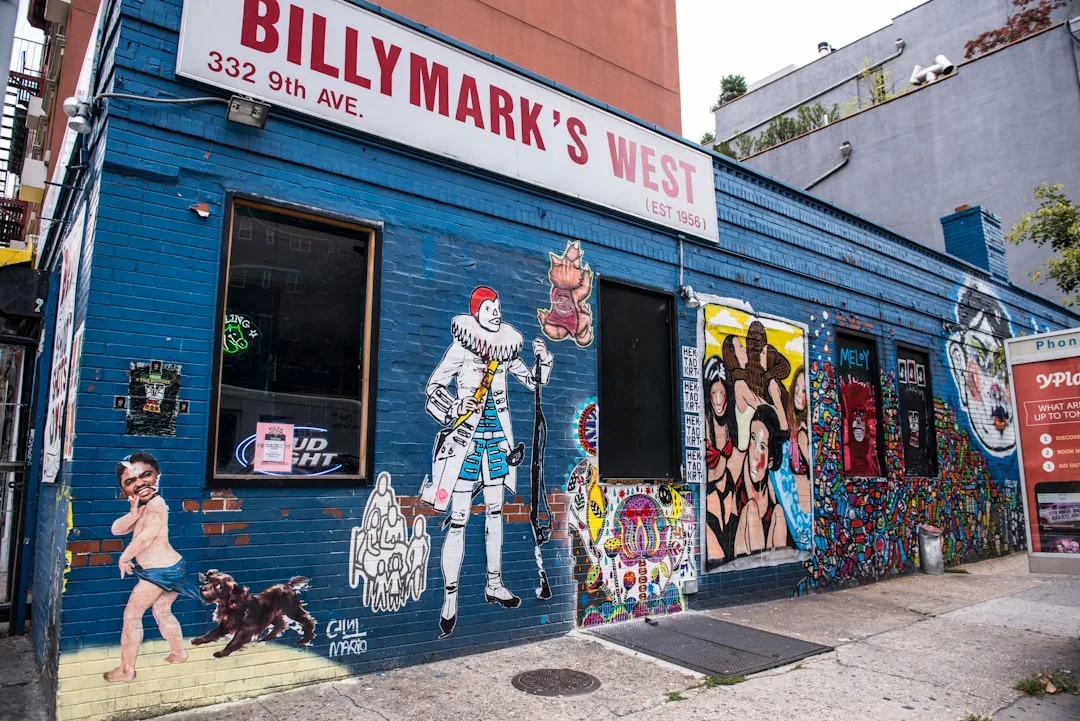
Photo by Jerome Cha on Unsplash
The expansion of Public Streets as Cultural Corridors NYC carries clear implications for local commerce and the cultural economy. Open Streets programming has the potential to boost foot traffic, create new market opportunities for small businesses, and provide platforms for local artists and makers. The city’s own description of Open Streets emphasizes economic development alongside cultural programming, suggesting that well-timed activations can strengthen a corridor’s commercial vitality while delivering intangible benefits such as heightened neighborhood identity and pride. In neighborhoods with a concentration of restaurants, shops, and cultural venues, activated streets can serve as living laboratories where new business models—pop-up retail, food booths, and performance-based tourism—are tested and refined. This is consistent with the city’s broader strategy to leverage public space as a driver of market activity while preserving accessibility and safety for all users. (nyc.gov)
Equity, accessibility, and inclusive design
A crucial dimension of Public Streets as Cultural Corridors NYC is how activations reach diverse communities and do not inadvertently privilege one group over another. The city has emphasized equitable street design and safer streets through planning documents and public realm programming that aim to broaden access to arts and culture for all New Yorkers. By linking cultural opportunities to specific corridors and ensuring programming is accessible by transit, walking, and cycling, the Open Streets and DOT Art initiatives work toward reducing barriers to participation and expanding who can benefit from street-level culture. This aligns with the broader objective of making the street network safer, more inclusive, and more culturally resonant for residents, visitors, and workers across diverse neighborhoods. (nyc.gov)
Technology, data, and the management of culture on streets
Technology is not just a novelty in this ecosystem; it is a central enabler of Public Streets as Cultural Corridors NYC. By combining permits, real-time event data, digital wayfinding, and performance metrics, the city can monitor which corridors attract the most visitors, how programming affects nearby businesses, and where infrastructure investments yield the best cultural return. The Pedestrian Mobility Plan assigns corridors to categories to guide design decisions, while Open Streets programming relies on partnerships and data-informed decision-making to sustain a year-round cadence of activations. The result is a more predictable, transparent, and scalable approach to street-based culture, with technology acting as the glue that connects policy, programming, and public benefit. (nyc.gov)
The cultural economy as a strategic asset
From a market perspective, Public Streets as Cultural Corridors NYC represents a strategic asset for the city. When streets double as stages and marketplaces, urban economies can diversify beyond traditional bricks-and-mortar models. The public arts programs, temporary installations, and street activations create visible signals of cultural vibrancy that can attract visitors, investors, and talent. For technology-driven cities, this translates into data-informed planning, better risk management for events, and more efficient coordination of services (security, sanitation, transit, and utilities) around street-based programming. In this sense, street culture becomes an infrastructural asset—an ecosystem that blends art, commerce, and civic life into a coherent, measurable, and investable urban proposition. (nyc.gov)
A broader urban policy context
The move toward Public Streets as Cultural Corridors NYC sits within a wider policy and practice framework that includes permanent public art programs, cultural districts, and street-level design improvements. The City’s approach to integrating art into public spaces (through DOT Art, City Canvas, and related programs) demonstrates a coordinated effort to balance transportation efficiency with cultural vitality. The combination of temporary activations and ongoing public art projects indicates a deliberate, place-based strategy for urban development where streets serve as multiuse corridors—channels for mobility, culture, and economic activity. This integrated strategy supports the city’s goals of safer streets, more equitable access to culture, and a thriving local economy anchored by vibrant public spaces. (nyc.gov)
Public Streets as Cultural Corridors NYC in practice: anecdotes and observations
Across neighborhoods, residents and business owners are noticing how street activations alter daily rhythms. In Jackson Heights, for example, temporary street closures create lively, pedestrian-friendly blocks that resemble a small-scale cultural district for the day, enabling pop-up markets and community performances that would have been harder to stage in a traditional storefront setting. While these anecdotes illustrate the potential benefits, they must be evaluated alongside systematic data on traffic, safety, and economic outcomes to ensure lasting value. That said, the growing prevalence of activated corridors—paired with public art and performance programming—suggests a durable shift in how New Yorkers perceive and use street space as a cultural conduit. The data supports the idea that Public Streets as Cultural Corridors NYC can become a more resilient and inclusive element of the city’s cultural economy when guided by transparent processes and community-led programming. (streetlab.org)
Section 3: What’s Next
Next steps for partners and communities
Looking ahead, the city intends to expand opportunities for organizations to bring programming to Open Streets corridors, with a structured approach to corridor selection, permitting, and funding. Community partners can anticipate clearer application windows, standardized event formats, and a more predictable stream of resources to support programming that aligns with the Open Streets framework. This indicates a continuing commitment to Public Streets as Cultural Corridors NYC as an operational principle, not a one-off initiative. Organizations interested in participating should monitor DOT communications, Open Streets portals, and cultural-affairs roadmaps to align proposals with city priorities and safety standards. The goal is to sustain a year-round cadence of activation that complements day-to-day street life while encouraging collaboration among businesses, cultural groups, schools, and residents. (nyc.gov)
What to watch in the policy and market landscape
As the city expands its Open Streets and cultural programming, several indicators will be important for readers tracking technology and market trends. First, the rate of new corridor activations and the growth of programming partnerships will signal whether the model scales across more boroughs and neighborhoods. Second, data dashboards and planning tools used to manage pedestrian demand and corridor categorization will reveal how the city uses technology to optimize cultural and economic outcomes. Third, the interplay between temporary activations and permanent street improvements—such as plaza redesigns and safety enhancements—will show how Public Streets as Cultural Corridors NYC translates into longer-term investments in the public realm. Finally, the ongoing collaboration with cultural institutions and the involvement of private-sector partners in sponsorships or in-kind support will illuminate the evolving economics of street-level culture. These signals collectively provide a window into how technology, policy, and market forces converge to shape the public streets as cultural corridors in New York City. (nyc.gov)
The technology backbone and design considerations
A key (and increasingly visible) element of the Public Streets as Cultural Corridors NYC framework is the technology backbone that coordinates activations. Digital maps, permit trackers, real-time event listings, and safety monitoring systems enable a more transparent and efficient activation process. As corridors are activated more frequently, city planners will rely on data to distribute resources, optimize maintenance, and ensure equitable access to programming. These tools also support community feedback loops, allowing residents to weigh in on programming choices and corridor improvements, reinforcing the principle that street activations should reflect neighborhood needs and cultural identities. The broader implication is that technology-enabled management will become an essential advantage for cities pursuing a culture-forward street strategy. (nyc.gov)
Closing
The ongoing evolution of Public Streets as Cultural Corridors NYC reflects a deliberate shift in how New York City thinks about streets: no longer merely conduits for vehicles, they are living stages, marketplaces, and classrooms that bring residents closer to art, ideas, and each other. The Open Streets program, supported by formal rules established in 2024 and reinforced by ongoing partnerships with DOT Art, City Canvas, and civic organizations, signals a durable commitment to cultural programming on the city’s streets. As the city continues to publish roadmaps and policy updates, readers should expect more corridors to come online, more partnerships to form, and more data that will help quantify the cultural and economic value of street-level activation. For anyone following technology-enabled urbanism and market trends, Public Streets as Cultural Corridors NYC offers a concrete example of how cities can blend infrastructure, culture, and commerce into a coherent, data-driven strategy that benefits neighborhoods across the five boroughs. The coming years will test how well these activations scale, how equitably they distribute opportunity, and how deeply they integrate with the digital tools that track, analyze, and optimize street culture in real time. Stay tuned to Manhattan Monday for ongoing updates on how Public Streets as Cultural Corridors NYC unfolds in practice, and how technology and market dynamics continue to shape the city’s public realm.
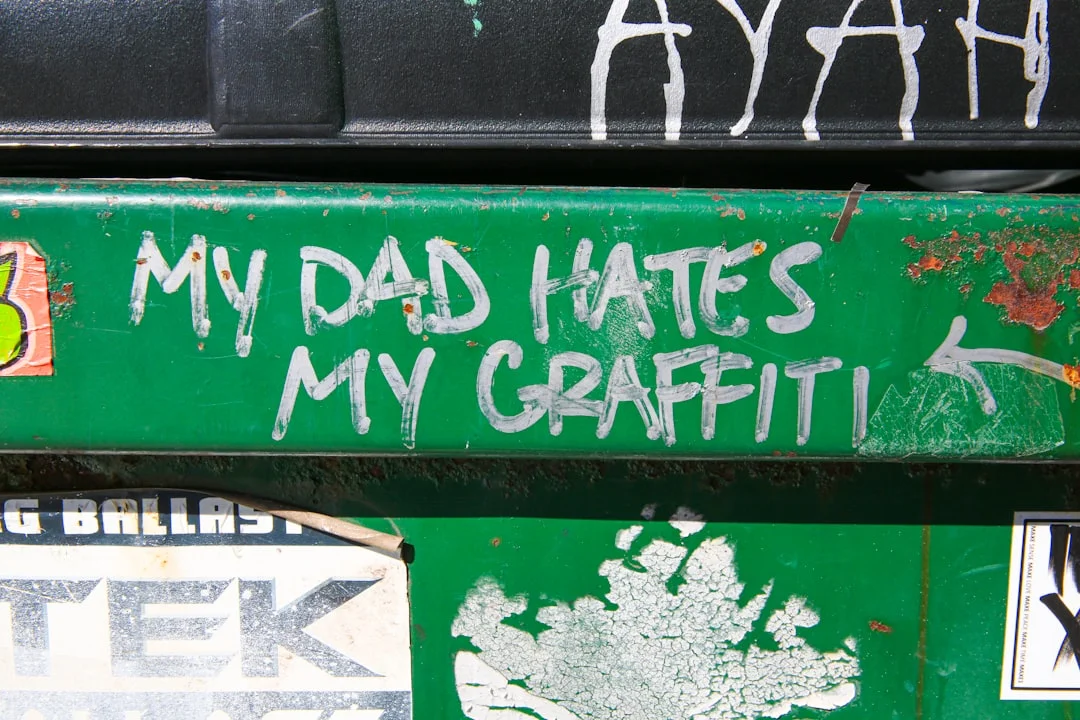
Photo by New York Said on Unsplash
As always, readers can expect straightforward reporting on what these changes mean for residents, business owners, artists, and policymakers. Updates will continue to emphasize the factual framework—dates, programs, partnerships, and outcomes—so that the story remains accessible, data-driven, and balanced. Public Streets as Cultural Corridors NYC is a living concept, and its footprint will grow as communities, institutions, and technologists collaborate to shape the street into a shared cultural backbone of the city.