Calabash Afro-Caribbean Opens West Village
Calabash Afro-Caribbean opens West Village brings bakery by day and prix fixe dining by night to 183 Christopher Street.
 By
By 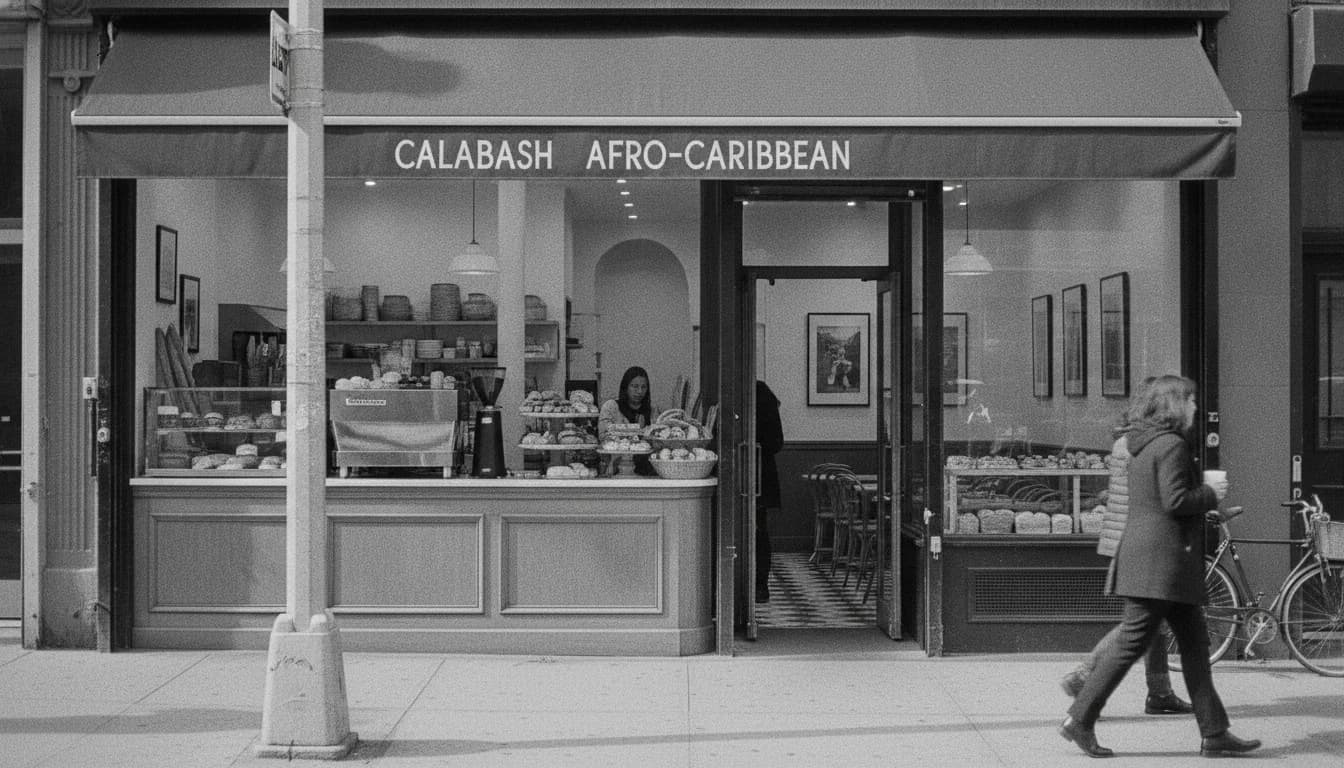
Calabash Afro-Caribbean opens West Village marks a notable shift in Manhattan’s dining scene as chef Camari Mick launches her first solo concept in a space long eyed for Afro-Caribbean flavors. On Friday, October 2, 2026, daytime service began at Calabash, the Afro-Caribbean bakery and brasserie located at 183 Christopher Street in the West Village. By the following week, the restaurant prepared a more formal evening experience, with a five-course prix fixe dinner rolling out on Friday, October 9, 2026, and continuing through the weekend. The opening represents Mick’s pivot from other restaurants to an independent venture that blends West African culinary technique, Caribbean influence, and the East Coast dining ethos, all inside a compact, 1,300-square-foot room seating about 30 guests. The news was first circulated by local outlets reporting on the opening timeline and the concept, including Patch, which covered daytime service beginning October 2 and the Friday, October 9 grand dinner, alongside the restaurant’s downtown footprint and design approach. (patch.com)
The broader implications of Calabash’s West Village debut touch on several market-trend dynamics in New York City’s multi-restaurant ecosystem. For one, Camari Mick’s new venture arrives as the city continues to see a wave of fall openings in Manhattan’s West Village, with multiple concepts launching around the same period. As the neighborhood’s dining scene evolves, Calabash positions itself as a dual-market operator: a bakery and counter-service bread-and-pastry showcase by day, and a tasting-menu focused, prix fixe experience by night. This model aligns with a growing trend among chef-driven concepts to blend casual daytime service with elevated evening dining, a pattern that several outlets predict will persist through fall 2026 and into early 2027. (ny.eater.com)
Opening a niche Afro-Caribbean concept in the West Village also speaks to broader cultural and culinary storytelling in New York City. Mick, a four-time James Beard Award semifinalist for Outstanding Pastry, is transitioning to independent ownership with Calabash after leading pastry programs at notable venues and earning recognition from Food & Wine as a Best New Chef in 2024. The restaurant’s design and operational choices—driven by Drummond Projects for space and a curated art program with Black and Brown artists—signal a deliberate attempt to foreground diaspora narratives within a tightly scoped dining experience. The coverage and background material around Mick’s career trajectory add context for readers about why Calabash matters in a city known for its crowded restaurant landscape. (ny.eater.com)
Section 1: What Happened
Announcement and Opening Timeline
Calabash opened its West Village location at 183 Christopher Street, with daytime service commencing on Friday, October 2, 2026, followed by the launch of a formal dinner service on Friday, October 9, 2026. The space, described as 1,300 square feet with 30 seats, was designed to balance bakery activity by day with a refined, atelier-like dining room by night. This phased approach—daytime bakery and brasserie components giving way to an evening prix fixe—was articulated by local outlets reporting on the opening and the restaurant’s stated concept. The opening dates and the address are consistently reported across multiple outlets, including Patch’s coverage of the West Village debut and its timing for daytime service and the dinner program. (patch.com)
Menu, Service Model, and Price Points
During the daytime shift, Calabash offered a bakery-by-day program featuring naturally fermented breads, laminated pastries, breakfast sandwiches, and brasserie dishes designed to attract morning through mid-day foot traffic. The menu details highlighted by Patch include items like suya steak with maduros and headcheese terrine served with cornbread brioche and pickled okra, illustrating the restaurant’s intention to fuse West African flavors with Caribbean and American culinary lines. By night, the restaurant pivots to a prix fixe tasting menu, priced at $175 including tax and mocktail pairings, with a single seating at 6:30 p.m. on Fridays and Saturdays and courses featuring dishes described as influenced by étouffée-style gravies, jollof-inspired preparations, and other culturally rooted preparations. This two-tier model—bakery and brasserie by day, tasting menu by night—reflects a broader trend in New York where chef-driven concepts diversify service formats to attract different types of diners within the same space. (patch.com)
Space, Design, and Cultural Program
Calabash’s interior is described as a 1,300-square-foot room designed by Drummond Projects, configured to welcome a 30-seat dining core while integrating art from Black and Brown artists in collaboration with Cierra Britton Gallery. The design emphasis aligns with the restaurant’s mission to illuminate diaspora narratives through both food and visual art, a narrative reinforced by coverage of Mick’s background and the project’s emphasis on representation. The restaurant’s layout supports a daytime walk-in bakery cadence and an evening tasting menu, with a single dinner seating designed to foster an intimate, tasting-focused experience. The venue’s address, seating capacity, and design direction are consistently cited in coverage from Patch, OpenTable, and related restaurant news outlets. (patch.com)
Section 2: Why It Matters
Cultural and Culinary Significance
Calabash represents more than a new restaurant opening; it is a narrative about diaspora-driven cuisine presented through a hybrid concept, combining Afro-Caribbean flavors with West African culinary DNA and American brunch-to-dinner sensibilities. Mick’s professional pedigree—recognized by Food & Wine and multiple James Beard Award considerations—frames Calabash as a high-profile example of a chef leveraging diaspora storytelling within a micro-venue format. Eater NY’s overview of Mick’s career and the restaurant’s concept reinforces the broader trend of acclaimed pastry chefs launching independent concepts that foreground cultural heritage alongside modern dining techniques. This combination—heritage cuisine plus a modern tasting menu—speaks to a wider market interest in authentic, chef-driven experiences that can scale across dayparts. The public-facing material around Mick’s credentials and Calabash’s concept forms a compelling narrative for readers and potential diners seeking culturally rich dining options in New York. (ny.eater.com)
Blockquote: “Calabash marks chef Camari Mick’s first solo restaurant,” as described in industry coverage, signaling a major milestone in Mick’s career and signaling potential for a hospitality group built around Black and Brown chefs. (ny.eater.com)
Market Context: West Village Openings and Dining Trends
The West Village has long been a proving ground for intimate, chef-driven concepts, and Calabash’s arrival sits within a broader fall opening wave that local outlets are tracking. Observers and industry watchers have highlighted several high-profile openings in this neighborhood during fall 2026, with Calabash anchored by its distinctive concept and the chef’s reputation. The Observer’s fall openings list underscores the significance of chef-led projects in the Village, while other outlets have noted the continued appetite for neighborhood-scale spaces that combine bakery or casual daytime experiences with more formal dinner service in the evening. This context helps explain why Calabash’s dual-service format could attract both daytime pastry enthusiasts and dinner-focused gastronomes. (observer.com)
What this means for the dining ecosystem is not only a new place to eat but a data point in a larger pattern: the re-emergence of intimate, concept-driven spaces as counterweights to large-scale, high-volume dining. In an environment where real estate on Christopher Street is at a premium and competition for reservations remains fierce, Calabash’s approach to daytime bakery and evening tasting menu positions it to capture multiple audience segments within a single venue. As reporter coverage of the West Village’s openings continues, Calabash serves as a bellwether for how chefs are reimagining the relationship between bread, pastry, and multi-course dining in a single address. (ny.eater.com)
Who It Affects and the Broader Implications
Calabash’s opening affects a few stakeholder groups directly: the local dining customers seeking culturally resonant, chef-led experiences; the neighborhood’s small-scale restaurateurs facing a competitive market; and Mick’s professional network that may watch how the concept scales or evolves into a broader hospitality venture. For diners, the presence of a daytime bakery and a prix fixe dinner concept offers choices across the day, encouraging more consistent foot traffic to Christopher Street and contributing to a broader diversification of West Village dining options. For industry watchers, Calabash provides a live case study in hybrid-service concepts that blend pastry artistry, bakery culture, and tasting-menu dining into a compact footprint. The Patch profile and other coverage emphasize the inclusive, community-oriented elements of Calabash, including plans for monthly Pay What You Can dinners, which adds a social dimension to the culinary program. This blend of culture, cuisine, and community service positions Calabash as a meaningful data point in the city’s evolving restaurant scene. (patch.com)
Section 3: What’s Next
Timeline and Next Steps
Looking ahead, observers will watch for how Calabash stabilizes its daytime bakery operations alongside a consistent weekend dinner program. With a 30-seat dining room, the restaurant’s capacity management and table turnover will be key metrics in the coming weeks, as will the development of its beverage program—which, in line with Mick’s approach, emphasizes nonalcoholic options and fermented drinks rather than a traditional liquor list. Media coverage to date has highlighted the initial opening cadence and the prix fixe dinner, but readers should expect ongoing updates about the restaurant’s evolving menu, potential weekend lunch or brunch service, and any seasonal shifts in its pastry and bread program. The OpenTable listing confirms ongoing reservation capabilities, while Patch’s reporting provides the initial timeline and menu anchors. (opentable.com)
Potential Developments to Watch
Several developments could shape Calabash’s trajectory in the West Village. First, demand at a 30-seat room will determine whether the prix fixe format remains a consistent weekly feature or expands to additional nights. Second, Mick’s ongoing role as independent owner might influence future menu iterations and possible expansions of the Calabash brand into related concepts or sister ventures. Third, the restaurant’s Pay What You Can dinner initiative—first publicly noted in Patch’s coverage—could evolve into a recurring, community-forward program with measurable attendance and impact on the neighborhood’s culinary ecosystem. Industry observers will also monitor how Calabash’s food-forward concept intersects with broader West Village dining trends, where a mix of refined tasting menus and casual daytime spots continues to shape the neighborhood’s identity. (patch.com)
What’s Next: Timeline to Watch
- Autumn 2026: Calabash’s full weekend dinner program expands, with possible menu evolutions as Chef Mick refines the balance between bakery heritage and tasting-menu ambition. Public reporting from outlets like Eater NY and Patch provides anchor dates and initial dishes, but readers should anticipate updates as the concept matures. (ny.eater.com)
- Winter 2026–2027: Any expansion of daytime hours or expansion into additional days could be announced, depending on demand and staff availability. The restaurant’s own communications channel should provide the most up-to-date scheduling information. (patch.com)
Closing
Calabash Afro-Caribbean opens West Village signifies a carefully tuned intersection of heritage cooking, pastry craftsmanship, and intimate, chef-led dining in a neighborhood known for its historical and contemporary culinary experimentation. The combination of a daytime bakery-and-brasserie model with a later-night tasting menu offers a dual path for visitors and locals alike, while Mick’s track record suggests a potential long-tail impact beyond a single location. As Calabash continues to unfold, readers can stay informed through ongoing coverage from credible local outlets and restaurant guides, including Patch and OpenTable, which track the opening’s practical details, hours, and reservation opportunities. The West Village’s evolving dining scene remains a focal point for discerning New York diners seeking authentic, story-driven cuisine anchored by a renowned pastry chef charting her own course. (patch.com)
Sources and primary references
- Patch: Afro-Caribbean Restaurant Calabash Opens In The West Village, October 9, 2026 — reporting the opening at 183 Christopher Street, daytime service starting October 2, with the first dinner service on October 9. This piece provides the core timeline, space details, and menu anchors. (patch.com)
- OpenTable: Calabash, New York listing — official reservation and venue information, including address, hours, and the concept described as an Afro-Caribbean bakery and brasserie and the associated dining structure. (opentable.com)
- Eater NY: NYC Baking Star Explores Her Afro-Caribbean Ancestry With New Restaurant — background on Camari Mick and her forthcoming West Village concept, which frames Calabash within Mick’s career arc and diaspora-focused culinary storytelling (June 23, 2026; key context for readers). (ny.eater.com)
Calabash.NYC confirms the branding and ongoing news enrollment for updates, while industry coverage and restaurant guides provide the day-by-day details that anchor this report.