New York Historical Tang Wing Expansion Opens June 18, 2026
New York Historical Tang Wing expansion opens June 18, 2026, reshaping civic learning with a 71,000-square-foot addition at Central Park West.
 By
By 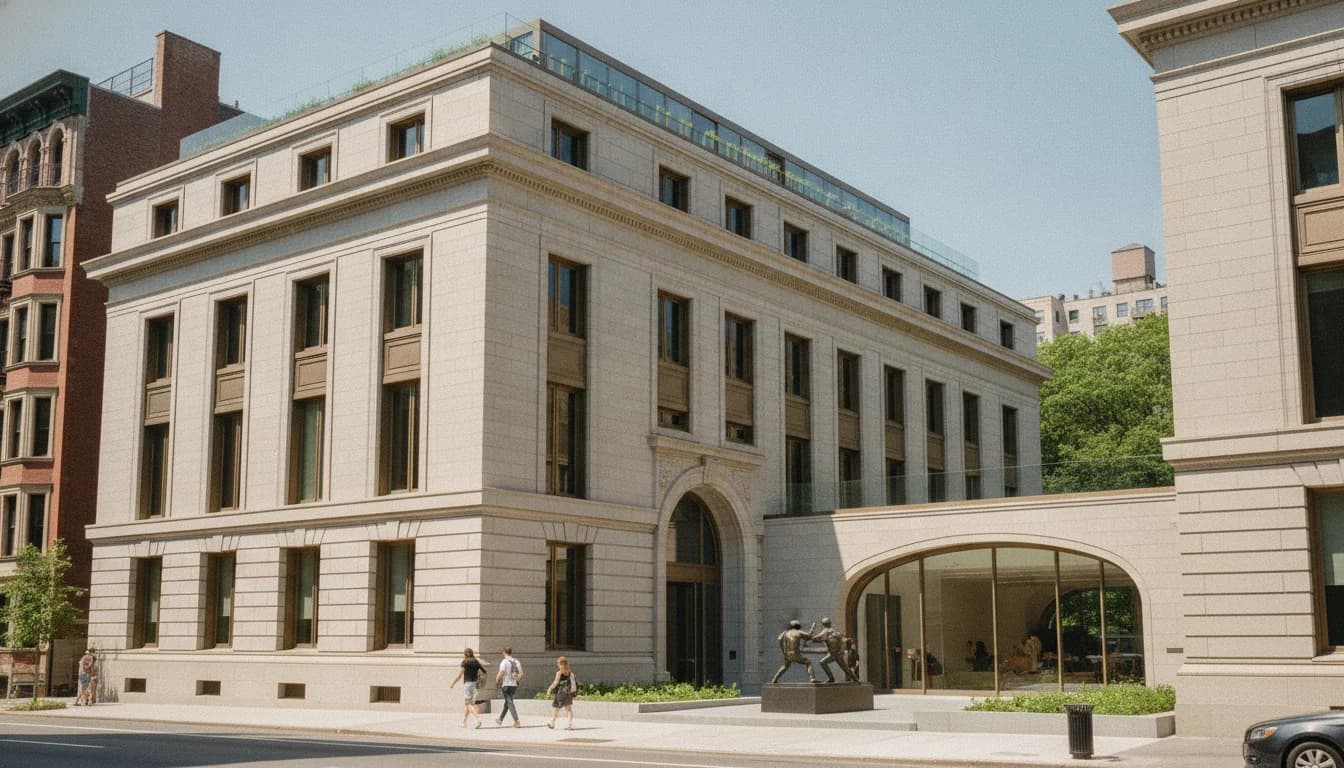
On June 18, 2026, The New York Historical opened the Tang Wing for American Democracy, a 71,000-square-foot expansion at 170 Central Park West, funded by a $20 million Tang family gift and supported by more than $14 million in New York State funding, according to Governor Hochul's office. This opening marks a historic milestone for Manhattan’s Upper West Side museum and arrives at a moment of heightened interest in civic education and American history as the nation approaches the 250th anniversary. The Tang Wing’s debut aligns with a broader push to expand public access to culture in New York City, adding a major campus expansion for the city’s oldest museum and reshaping how visitors encounter the nation’s founding narratives. According to the state’s announcement, the project is part of a larger capital effort that rebuilt the museum’s campus and created new spaces for exhibitions, classrooms, and outdoor programming. (governor.ny.gov)
The Tang Wing for American Democracy opens as a defining moment for the New York Historical, expanding programming capacity from its previous footprint and enabling deeper engagement with civil rights, democracy, and the stories of diverse communities across American history. In press materials and public briefings, officials highlighted that the expansion not only increases exhibit and education space but also signals a long-term commitment to public history during a period when cultural institutions are rethinking how they present controversial and contested chapters of the past. The project’s public rollout also reflects the museum’s push to broaden access to education for local students, families, and scholars who come to Central Park West to study, debate, and participate in civic life. The official statements frame June 18 as the opening date for the Tang Wing’s doors, with a public program slate unfolding through the summer. (iloveny.com)
Section 1: What Happened
Tang Wing for American Democracy: A Key New Wing
The Tang Wing for American Democracy represents The New York Historical’s largest campus expansion in many decades. The wing adds 71,000 square feet to the existing campus and, according to official communications, serves as a home for new galleries, classrooms, conservation spaces, and outdoor gathering areas. The project’s design and scope were publicly framed as a commitment to expanding access to history education and civic discourse, with a dedicated area reserved for the planned American LGBTQ+ Museum—a collaboration that is cited as a landmark component of the expansion. Public-facing materials describe the Tang Wing as a cornerstone of the museum’s broader mission to examine the ongoing relevance of American history in a diverse, democratic society. For context on the wing’s scope and purpose, see the Governor’s office release highlighting the expansion’s size and funding and state-led support. (governor.ny.gov)
Timeline of Construction and Opening
Construction progress culminated in a June 2026 public unveiling, with the opening celebrated on June 18, 2026. A ceremonial opening and related programming followed in the weeks surrounding the debut, as the museum christened the Tang Wing’s role in expanding student access, scholarly research capacity, and public exhibitions. The state’s press materials emphasize that the project’s completion position The New York Historical to host a broader slate of programs—ranging from temporary exhibitions to long-term galleries—throughout the summer and into the fall. Contemporary reporting and official postings confirm the June 18 opening date, signaling the completion of a multi-year fundraising and construction process that culminated in a major campus expansion. Public-facing accounts detail the scale and pace of the project as it transitioned from planning to built space and finally to public access. (iloveny.com)
Funding and Partnerships
Financially, the Tang Wing expansion represented a significant capital campaign. Public disclosures and government releases describe a nearly $175 million project, with more than $14 million in New York State funding supporting the expansion’s development. In addition, a substantial philanthropic contribution—specifically a $20 million gift from Oscar Tang and Agnes Hsu-Tang—helped advance the project’s fundraising goal. The combination of public funding and private philanthropy enabled the museum to finalize construction, outfit the galleries, and launch the inaugural programming planned for the Tang Wing. The funding details align with press materials and reporting about the project’s financial structure and donors. (governor.ny.gov)
Timeline of Key Events Leading to Opening
Beyond the formal opening date, the month-by-month arc of the Tang Wing project included early 2026 milestones such as public tours, previews for donors and partners, and the ramping up of educational programming aligned with the wing’s mission. The year 2026 saw coordinated communications from the state and the museum, underscoring the wing’s inauguration as a major cultural milestone for New York City and the region. Coverage from state and city outlets documented the lead-up to June 18, with the official ribbon-cutting and subsequent public programs signaling a new era for The New York Historical’s campus and public offerings. For readers seeking a concise chronology, the state’s release and museum communications provide the critical dates and milestones that defined the period from fundraising to opening. (governor.ny.gov)
Features and Spaces Added
The Tang Wing’s floor plan and gallery strategy center on democracy, civics, and the long arc of American history. Among the new spaces is a gallery complex designed to host rotating exhibitions, a robust education suite including classrooms equipped for school partnerships, and outdoor spaces intended to broaden public gatherings and programming. In addition to general exhibitions, the wing is intended to house the first permanent home for the American LGBTQ+ Museum, a notable expansion in the civic discourse the museum has supported for years. Project materials describe the wing as balancing scholarly rigor with broad public access, enabling students and researchers to engage with primary sources, artifacts, and interpretive displays in new ways. The expansion also deepens the museum’s collaboration with local schools and community groups, expanding field trip capacity and after-school programming. (iloveny.com)
Section 2: Why It Matters
Educational and Cultural Impact
The Tang Wing expansion stands to meaningfully increase The New York Historical’s capacity to educate, inform, and engage the public in conversations about democracy, governance, and civil rights. State and city partners quantify a broader access mission: the museum aims to expand student programming and outreach, with public-facing figures noting the potential to increase annual student engagement dramatically. The new wing broadens opportunities for school partnerships, teacher professional development, and public programming that connects classroom learning to artifacts and historical narratives housed on-site. This is particularly relevant as educators and policymakers explore how museums can contribute to civic literacy in a rapidly evolving media landscape. The financial and institutional support behind the Tang Wing underscores a broader investment in public history as a pillar of regional education and social cohesion. (governor.ny.gov)
Educational Reach and Student Access
A cornerstone of the expansion is enhanced access for students. Reports and official announcements highlight the intent to grow from existing capacity toward much larger annual student engagement, reflecting the wing’s role in hands-on history learning and critical interpretation of primary sources. Educational partnerships facilitated by the Tang Wing are expected to expand access to a diverse range of learners, aligning with public commitments to expand opportunities for civic education across the city and state. While exact year-over-year attendance projections are subject to ongoing reporting, early coverage emphasizes the scale of anticipated impact on school groups and youth education. (amny.com)
Cultural and Civic Programming
The Tang Wing also signals a broader cultural project to foreground civil rights and democracy within a national narrative. The wing’s design and programmatic plans place particular emphasis on the American LGBTQ+ Museum as a permanent component, highlighting a commitment to inclusive storytelling and to presenting history through multiple perspectives. This institutional emphasis aligns with national conversations about whose histories are prioritized in public institutions and how museums can evolve to reflect a broader spectrum of American experiences. Public-facing materials describe these aims as part of the wing’s educational and cultural strategy, supported by state and philanthropic backing. (iloveny.com)
Economic and Community Implications
Beyond education and culture, the Tang Wing expansion has economic and community dimensions. Large-scale museum projects often ripple through local economies, generating construction activity, tourism, and ancillary spending in surrounding neighborhoods. State and local stakeholders have noted regional economic development considerations tied to the expansion, including city and state funding support and cultural tourism initiatives. The Tang Wing’s opening is positioned as a signal event for Upper West Side activity, with museums and cultural organizations nearby potentially benefiting from increased visitor interest. While the primary focus remains educational and cultural, the expansion’s broader economic footprint is an acknowledged consideration in city planning and cultural policy discussions. (governor.ny.gov)
The American LGBTQ+ Museum and Civic Narratives
One of the Tang Wing’s defining features is its planned home for the American LGBTQ+ Museum, representing a long-sought institutional home for LGBTQ+ history within a major New York public museum context. The integration of this permanent home within The New York Historical speaks to a broader trend in major cultural institutions advancing LGBTQ+ history as a core component of national narratives. Scholars and cultural critics have noted that such placements have the potential to shift audience demographics, programming priorities, and interpretive strategies in ways that broaden historical lens and public engagement. The museum’s leadership and funders emphasize the importance of this narrative inclusion as part of a broader, inclusive civic education agenda. (iloveny.com)
What the Opening Signals for Public History
Taken together, the Tang Wing expansion positions The New York Historical as a more expansive hub for civic education at a moment when historical literacy and public discourse about democracy are high priorities for educators, policymakers, and cultural institutions. The investment signals confidence in the role of public history in a modern city with diverse audiences and a global cultural economy. It also aligns with a broader pattern of philanthropic and government partnerships funding major cultural infrastructure to drive educational impact and community engagement. The public-facing materials and media coverage emphasize this as a milestone project that could influence future museum expansion models, particularly around education-centric spaces and multi-audience programming. (governor.ny.gov)
The State of Public History in New York City
As a long-running cultural capital, New York City has seen a wave of museum expansions and new wings across institutions over the past decade. The Tang Wing adds to a growing portfolio of projects designed to modernize gallery spaces, improve educational facilities, and broaden public access to civic history. Analysts and regional cultural observers point to the Tang Wing as a case study in balancing renovation with growth, as well as in coordinating fundraising with public funding to deliver a large-scale campus project. The initiative illustrates how museums navigate the complexities of capital campaigns, donor engagement, and municipal approvals to deliver a space that serves both scholarly audiences and general visitors. (governor.ny.gov)
Section 3: What’s Next
Upcoming Programming and Exhibitions
With the Tang Wing open, The New York Historical has announced a slate of inaugural programs designed to welcome visitors, educators, and students to the expanded campus. The museum is positioning the Tang Wing as an active hub for exhibitions that interpret democratic history through multiple vantage points, including collaborations with scholars, community organizations, and artists. The inaugural programming is expected to feature rotating exhibitions, lectures, family programming, and school-focused activities that leverage the new classrooms and outdoor spaces. Official communications and tourism partners have highlighted continued public programming through the summer and fall, inviting audiences to experience the wing’s galleries and facilities firsthand. (iloveny.com)
Long-Term Plans and Legacy
Beyond the immediate programming, the Tang Wing is part of a longer-term strategy to expand the museum’s capacity for public education and to establish a durable home for the American LGBTQ+ Museum by late 2027. This phased approach reflects the complexities of curatorial planning, loan agreements, archival conservation, and building operations required to sustain long-term exhibitions and educational initiatives. The late-2027 timeline aligns with the broader national conversations surrounding the 250th anniversary of the United States, a milestone frequently used by cultural institutions to frame year-long programming and public engagement efforts. As these plans unfold, observers will watch how the Tang Wing’s identity as a democracy-focused space interacts with its new galleries and partnerships to shape public understanding of American history. (iloveny.com)
Closing
The New York Historical’s Tang Wing expansion represents a significant turning point for the museum and for how New York City approaches public history in the 21st century. By combining a sizable physical expansion with a strategic emphasis on democratizing access to history and expanding the narrative to include LGBTQ+ history and civil rights, the wing aims to deepen public engagement with American stories. The opening on June 18, 2026, and subsequent programming signal a public-facing commitment to education, inclusivity, and civic dialogue that resonates well beyond Central Park West. Readers seeking ongoing updates should follow official channels from The New York Historical and state communications offices, including the governor’s press releases and The New York Historical’s programming announcements. The Tang Wing’s future will likely continue to shape how museums present democracy, rights, and community history to a diverse urban audience.
As the expansion unfolds, observers should watch for how audiences respond to the new spaces, how educational partnerships scale, and how the American LGBTQ+ Museum integrates with broader public programming. The Tang Wing’s arrival offers a concrete case study in how major cultural institutions can translate philanthropic generosity and public backing into a lasting public good—an outcome that may influence future decision-making in New York’s cultural sector and beyond. The museum’s leadership has framed the wing not just as an architectural milestone but as a living platform for teaching, questioning, and celebrating the complexities of American democracy.
Grounded in the latest official disclosures and contemporary coverage, this report aims to provide readers with a clear, fast, and verifiable view of what happened, why it matters, and what comes next. For ongoing developments, the most reliable updates will continue to appear in official press releases and the museum’s public programming calendars. The Tang Wing’s story is still being written in real time, but its opening date, 71,000-square-foot footprint, and the blended funding model provide concrete anchors for understanding its impact on New York history and public education.