JLL Markets Rubin Museum Chelsea Flagship for Sale
The Rubin Museum of Himalayan Art has engaged JLL to sell its Chelsea flagship property, a strategic move to fund global programming initiatives. The…
 By
By 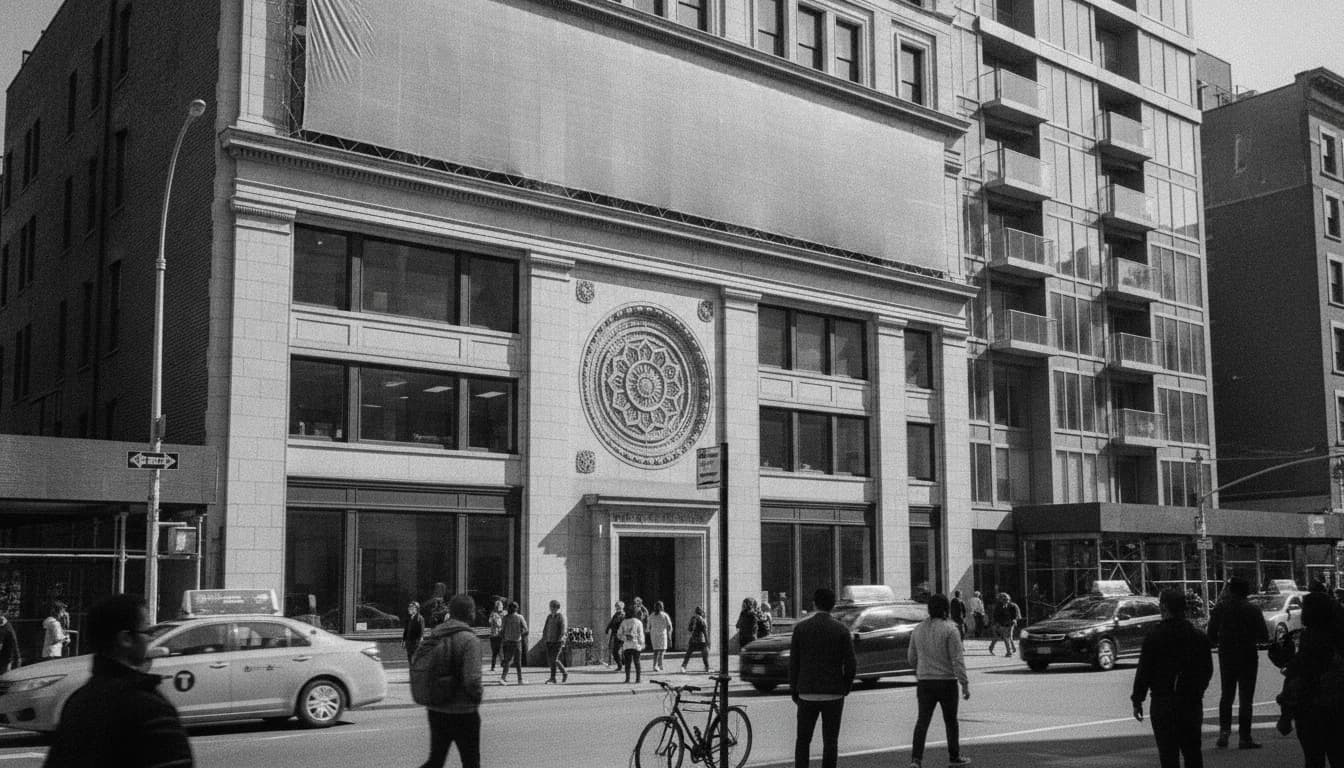
The Rubin Museum of Himalayan Art is transitioning its New York City flagship status away from an in-house, single-site model, with real estate broker JLL publicly confirming on September 22, 2026 that it has been exclusively retained to market the Chelsea flagship property at 140–154 West 17th Street for sale. The move, framed by both the museum and its brokerage partner as a strategic reallocation of resources to fund a broader, global programming initiative, marks a notable moment in the intersection of nonprofit governance and high-profile urban real estate. The announcement arrives at a time when cultural institutions in New York City are reassessing how their brick-and-mortar assets align with mission-driven growth, partnerships, and traveling exhibitions. The immediate impact is twofold: it opens a path for a major mixed-use asset in Chelsea to be repositioned for a broader set of uses, while signaling a broader shift in how museums fund programming when traditional gallery space changes hands. According to JLL’s release, the sale is positioned to attract buyers across cultural, educational, residential, and commercial categories, underscoring the asset’s flexible reuse potential in a tight Manhattan market. This news has implications for nearby galleries, nonprofits, and mixed-use developers watching the market for institutional real estate. The JLL release emphasizes that the Rubin Museum’s proceeds will support its evolving, global approach to Himalayan art access and education, including traveling exhibitions and international partnerships. This sale context is reinforced by JLL’s own listing page, which provides granular detail on the site and its potential uses, further anchoring the published information in primary market materials. (jll.com)
In brief, the asset at stake combines a six-story former museum building with an adjacent residential component, totaling about 80,000 square feet across the entire site, with roughly 52,000 square feet historically configured for museum use and 46 residential units that augment the property’s mixed-use potential. The six-story museum shell, originally renovated for Barneys New York and later reimagined for the Rubin Museum, provides a distinctive architectural framework that could support a range of future tenants, from cultural uses to education-focused facilities or high-end residential layouts. The sale is being advanced as part of the Rubin’s broader transition to a “global museum without walls” model, a shift the institution publicly signaled in late 2023–early 2024 as it prepared to focus on traveling exhibitions, object loans, and cross-institution collaborations rather than maintaining a single, physical flagship. The origin of this strategic pivot is documented in Rubin Museum communications and related press materials, and the JLL transaction materials explicitly connect the sale to the museum’s new operating framework. The market reaction to this development remains to be seen, but observers note a rare, high-profile opportunity to reposition a landmark asset at the nexus of Chelsea, the Flatiron District, and Greenwich Village. (jll.com)
What Happened
Timeline
September 22, 2026: Official confirmation and exclusivity
On September 22, 2026, JLL publicly announced that it had been exclusively retained by the Rubin Museum of Himalayan Art to market its New York City flagship property, located at 140–154 West 17th Street in Chelsea, for sale. This marks a formal, public acknowledgment of the museum’s intent to explore offers for the six-story building and its accompanying components. The release frames the sale as part of a broader institutional transition and ties the property’s marketing to a flexible-use thesis that includes cultural, educational, residential, and commercial potential. The announcement establishes a clear, date-stamped starting point for media coverage, investor due diligence, and future disposition milestones. The primary source for this date and the exclusivity arrangement is the JLL press release, which explicitly states the firm’s retained status and the property details. (jll.com)
September 22–October 2026: Market outreach begins
Following the initial announcement, the listing appears in JLL’s market communications and related industry outlets, signaling active outreach to potential buyers and developers. The JLL listing page provides the property’s 80,000-square-foot total site size and the breakdown between the museum portion and the residential component, reinforcing the asset’s dual-use appeal. The market outreach is positioned to attract buyers across cultural, educational, residential, and commercial sectors, consistent with the listing’s stated flexible-use framework. Primary materials from JLL offer the baseline data used by brokers, investors, and journalists in the days that follow. (jll.com)
Late September 2026: Public framing by the Rubin Museum
In parallel with the sale process, Rubin Museum leadership has continued to situate the sale within its strategic repositioning—moving from a single-site flagship to a global, traveling and collaborative model. The museum’s own communications, including official press and community notes from prior years, underscore the organization’s aim to leverage real estate proceeds for broader programming and international partnerships. While the Rubin’s public materials from 2024 onward emphasize a “museum without walls” approach, the 2026 listing reiterates that the property sale is intended to fund these expanded activities. Primary materials from the Rubin Museum provide contextual background for this ongoing strategic shift. (rubinmuseum.org)
The property and its components
According to JLL, the Chelsea flagship property comprises roughly 80,000 square feet of total site area, with about 52,000 square feet historically configured as museum space and a connected 46-unit residential component, all housed within a six-story, architecturally distinctive shell. The listing highlights the asset’s Beaux-Arts heritage, the Beier Blinder Belle renovation, and the iconic spiral staircase that became a hallmark of the Rubin Museum’s Chelsea presence. These architectural and programmatic details—now offered for sale—underscore the asset’s unique market positioning and its potential to attract buyers seeking a landmark cultural site with adaptable use cases. Primary sources from JLL catalog the space and its components, providing a foundation for buyer due diligence. (jll.com)
Key facts confirmed by primary sources
- Address: 140–154 West 17th Street, Chelsea, New York. Source: JLL press release. (jll.com)
- Total site size: approximately 80,000 square feet. Source: JLL press release and listing page. (jll.com)
- Museum space: about 52,000 square feet within the six-story former museum. Source: JLL press release. (jll.com)
- Residential component: 46 apartment units. Source: JLL press release. (jll.com)
- Strategic rationale: proceeds to fund Rubin Museum’s global programming and partnerships. Source: JLL press release. (jll.com)
Why It Matters
Market Implications
A rare, hybrid-use asset in Chelsea
Chelsea remains a premier magnet for cultural institutions, high-end retail, and luxury residential development. The Rubin Museum Chelsea sale adds a high-profile, hybrid asset to the mix—one that combines museum space with substantial residential capacity and flexible commercial potential. The publicly stated use options—cultural, educational, residential, or commercial—signal a broader market thesis: institutions may monetize landmark real estate to support expanded programming, global reach, and partnerships while preserving architectural value. This could influence how other nonprofits and cultural organizations think about flagship properties, particularly those with architectural significance and multi-use potential. The JLL materials position the asset as a rare repositioning opportunity at the Chelsea-Flatiron- Greenwich Village corridor, where demand for both cultural spaces and mixed-use developments remains strong, albeit competitive. (jll.com)
The fund-and-expand dynamic for cultural institutions
The Rubin Museum’s pivot—from a standalone Chelsea flagship to a broader, globally oriented program—reflects a growing trend among nonprofits to diversify funding streams through real estate dispositions. In markets like New York City, where real estate value has surged but operating budgets face constraints, asset sales can provide capital for touring exhibitions, education initiatives, and international collaborations. The JLL release frames the sale as a strategic enabler for expanding the Rubin’s mission beyond a fixed geographic footprint, a narrative that could resonate with other institutions evaluating similar capital-light, mission-driven growth strategies. Industry observers will watch how proceeds are allocated and whether the museum’s global collaborations materialize in measurable programming outputs. (jll.com)
Buyer profiles and market competition
The listing explicitly calls for buyers capable of leveraging the property’s dual nature. Potential buyers might include:
- Cultural and educational tenants seeking a flagship space with robust infrastructure and a dramatic architectural presence.
- Mixed-use developers interested in a high-visibility, well-located asset with a built-in heritage appeal.
- Hotel or hospitality operators seeking to capitalize on the landmark’s street presence and footprint, subject to zoning and governance constraints.
- Residential developers evaluating the adjacent 46-unit component for conversion or expansion. The breadth of allowed uses increases the number of viable buyer archetypes, potentially broadening competition and affecting pricing dynamics. The market has historically rewarded unique, architecturally significant sites that can be repurposed with relative ease, and this Rubin Museum Chelsea sale sits squarely in that category. The primary materials from JLL lay out the scope for diverse end users and the asset’s potential to support multiple business models, which suggests a more dynamic bidding process than typical single-use cultural properties. (jll.com)
Impact on nearby cultural and commercial ecosystems
Chelsea’s cultural corridor benefits from a steady stream of gallery openings, museum programming, and mixed-use development. The Rubin Museum Chelsea sale introduces a new variable into the neighborhood’s real estate calculus: a landmark, museum-conditioned shell that can be reimagined for multiple end uses. If a new owner retools the property for cultural programming, education, or touring exhibitions, it could extend foot traffic patterns and programming density in the surrounding blocks. Conversely, if the asset pivots to residential or commercial tenants, there could be implications for retail demand, parking, and local transit usage. While the Rubin Museum’s own communications emphasize mission-driven programming, the sale’s outcome will largely depend on the buyer’s vision, regulatory approvals, and market conditions at the time of sale. Primary sources from JLL outline the asset’s flexibility and market positioning, enabling journalists and analysts to model multiple post-transaction scenarios. (jll.com)
The “global museum without walls” lens
The Rubin’s strategic transition to a global model—highlighted in institutional disclosures and the JLL materials—frames the sale within a broader narrative about how museums fund expansive programs in a post-pandemic cultural economy. A capital event tied to a flagship asset can fund traveling exhibitions, international partnerships, and digital programming that reach a much larger audience than a single brick-and-mortar footprint could. This context helps explain why a major real estate disposition is being pursued now and how the proceeds could influence exhibit strategies, conservation efforts, and research initiatives on Himalayan art. The primary source materials from JLL and Rubin’s institutional communications provide the context for this dynamic, allowing readers to connect the sale to a larger strategic arc rather than a stand-alone transaction. (jll.com)
What It Means for Data-Driven Market Analysis
The Rubin Museum Chelsea sale offers a unique dataset point for analysts tracking how cultural institutions monetize real estate to support mission-driven growth. The asset’s dual-use profile—a museum shell plus a residential component within a unified, architecturally celebrated building—serves as a real-world test case for mixed-use asset valuation in a high-demand Manhattan submarket. In practice, market participants will evaluate the asset’s structural quirks (e.g., load capabilities, climate control infrastructure, circulation patterns) alongside regulatory considerations (zoning, historic preservation, and potential landmark status implications). The data points furnished by JLL—80,000 SF total, 52,000 SF museum space, 46 residential units—provide a concrete framework for appraisals, feasibility studies, and scenario planning.
- For appraisers: The split between museum space and residential components invites multi-wealthy-tenant modeling, with revenue streams that could include visitor-related admissions, private events, and long-term residential occupancy, if permitted.
- For developers: The building’s iconic fall-line and interior geometry might support creative reconfigurations, including hybrid use strategies that blend cultural programming with co-working, educational facilities, or boutique hospitality, subject to approvals.
- For policymakers and city officials: The sale prompts discussions about how public-private partnerships can maintain cultural access while unlocking latent value in landmark properties.
As always, the reliability of forward-looking assessments will hinge on the sale’s final bidding dynamics, regulatory approvals, and financing conditions. Journalists and researchers should monitor official JLL disclosures and Rubin Museum communications for formal updates on offers, bid timelines, and any conditional marketing changes.
Why It Matters (Continued)
Broader Context and Economic Signals
Beyond the specifics of 140–154 West 17th Street, the Rubin Museum Chelsea sale illustrates a broader trend in nonprofit real estate strategy: institutions weighing the value of long-term mission alignment against the potential capital benefits of disposal or repositioning. In markets where cultural tourism intersects with high-end development pressure, such assets attract attention from a wide spectrum of buyers, and the outcomes can influence subsequent negotiations around zoning, preservation restrictions, and usage covenants. The announcement’s timing—mid-to-late 2026—coincides with a period of renewed investor interest in iconic cultural properties, as well as increased consideration of how museums can sustain operations through diversified funding models. The combination of an internationally recognizable museum shell with a substantial residential component adds to the asset’s appeal and risk profile, and it will be a focal point for market commentary in the months ahead. Primary materials from JLL remain the most authoritative, early sources for the sale’s structure and the asset’s physical parameters. (jll.com)
What’s Next
Timeline and Next Steps
Buyer outreach and bid process
Following the September 22, 2026 announcement, the next steps will likely involve a formal marketing period during which qualified buyers submit bids, with potentially multiple rounds depending on market interest. The asset’s mixed-use nature, combined with the Rubin Museum’s strategic pivot, typically attracts bids from both nonprofit-minded buyers and commercial developers who can navigate potentially complex financing, regulatory, and operational parameters. Journalists should expect industry chatter about indicative bids, preferred-use scenarios, and the alignment (or misalignment) of bids with the Rubin’s philanthropic goals and mission commitments. The primary sources provide the baseline for these expectations: the exclusive-retention announcement and the property listing, which together outline the asset’s recognized constraints and opportunities. (jll.com)
Regulatory and due-diligence milestones
As with any tall, landmark asset in Manhattan, regulatory approvals, historic preservation considerations, and potential zoning interpretations will shape the sale’s timeline. Prospective buyers will undertake due diligence on structural integrity, adaptability for new uses, and any covenants related to the property’s previous use as a museum. Depending on the buyers’ proposed post-acquisition plans, City Planning or preservation authorities may require studies or modifications that could influence final bids and closing conditions. The public-facing materials from JLL provide the framework for due-diligence discussions, but the formal regulatory milestones will emerge as the process progresses. (jll.com)
Closing and allocation of proceeds
Any closing would mark a watershed moment for Rubin Museum’s programming ambitions. The museum has signaled that proceeds will support its global programming, traveling exhibitions, and cross-institution collaborations. While the precise allocation will be determined by the Rubin’s leadership and board, the use-case framing in JLL’s materials provides clear expectations for how the sale supports mission-related activities beyond a single location. Observers and reporters will be looking for official statements from the Rubin and the buyer on the realized uses, as well as any post-sale governance arrangements that might accompany long-term partnerships or joint ventures. (jll.com)
What buyers should watch for
- End-use flexibility: The asset’s value proposition depends on the efficiency of repurposing the space for a new mix of cultural, educational, residential, or commercial uses. The JLL materials emphasize this flexibility, which will be a central factor in bid pricing and structuring.
- Architectural integrity: The building’s character—particularly the spiral staircase and Beaux-Arts elements—will influence buyer interest among those seeking a landmark identity. The existing renovation history provides a blueprint for how future adaptations could be approached.
- Revenue diversification: Prospective buyers will evaluate how the asset can generate revenue across museum-adjacent activities and residential components, and whether long-term leases or partnerships could anchor operating income.
Closing
The Rubin Museum Chelsea sale, announced on September 22, 2026, positions a landmark Chelsea asset at the center of a broader conversation about how cultural institutions sustain ambitious programs through strategic real estate decisions. With JLL serving as the exclusive marketer, the property at 140–154 West 17th Street is framed as a flexible-use opportunity that could support cultural, educational, residential, or commercial uses, depending on the buyer’s vision and regulatory pathways. The sale aligns with Rubin Museum’s publicly stated evolution into a global, walls-less model, where proceeds from the Chelsea disposition would expand its international reach and programmatic offerings. Journalists covering this story should continue to monitor official JLL disclosures and Rubin Museum communications for updates on bids, timelines, and the allocation of sale proceeds, and should be prepared to explore a range of post-sale scenarios as the market responds to this rare, high-profile asset.
The market will be watching how this transaction unfolds, not only for the implications it may carry for the Rubin Museum’s broader strategy but also for what it signals about the evolving role of flagship properties in supporting mission-driven growth. As a landmark asset in a high-demand corridor, the Rubin Museum Chelsea sale has the potential to set a precedent for how cultural institutions can monetize physical space to scale impact—while preserving the architectural and historical essence that makes the building a community touchstone. Readers can stay informed through ongoing coverage of the sale’s progress and subsequent development decisions, as industry participants weigh the asset’s unique attributes against market demand and regulatory considerations.
Notes on primary sources and transparency
- JLL press release: JLL retained to market Rubin Museum property in Chelsea. The release provides the sale’s exclusivity, property details, and the strategic link to Rubin Museum’s evolving program. Link: JLL press release. (jll.com)
- JLL listing page: The Rubin Museum property at 140–154 West 17th Street is described as an 80,000-square-foot mixed-use asset with 52,000 square feet of museum space and 46 residential units, underscoring the asset’s flexible-use potential. Link: JLL listing page. (invest.jll.com)
If you’re tracking the real estate dimensions of museum-to-market transitions, this Rubin Museum Chelsea sale offers a precise, date-stamped data point—one that will likely echo in future coverage of how cultural institutions harness real estate to amplify global impact.