Hidden Courtyard Theaters NYC 2026: Micro-Performance Scene
Discover NYC's Hidden Courtyard Theaters 2026 and explore the vibrant micro-performance trend that's transforming unique venue experiences in the city.
 By
By 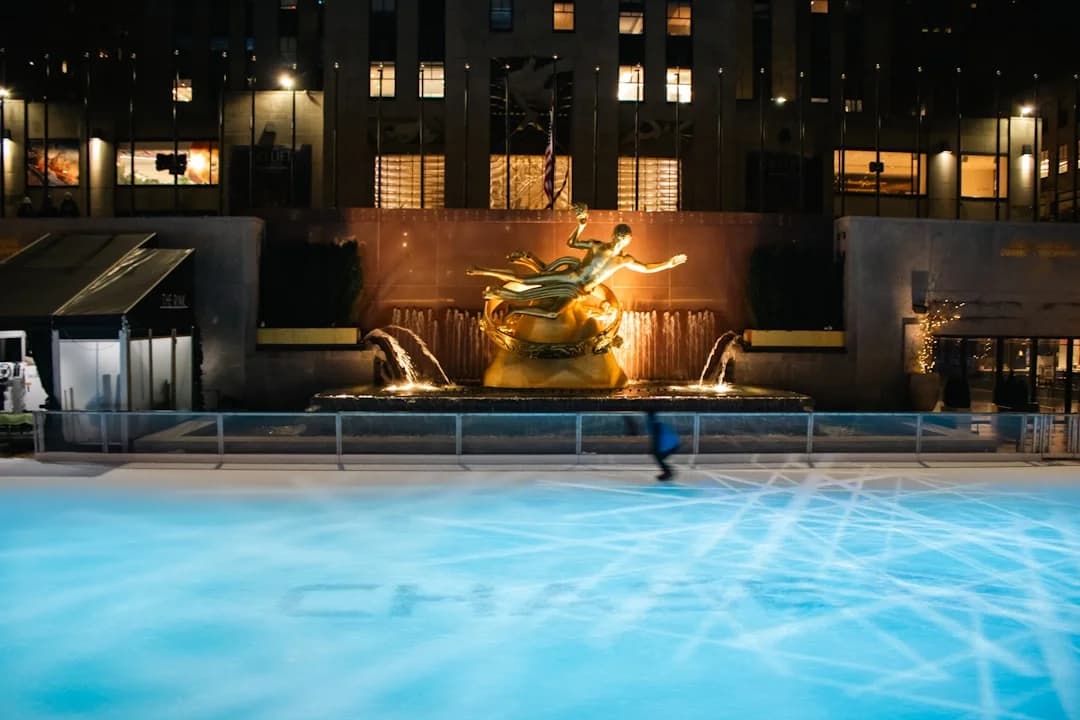
The New York City performance landscape is quietly undergoing a shift in how audiences access intimate, time-bound theatre experiences. In 2026, a wave of micro-theater initiatives and courtyard-style venues are surfacing across Manhattan and surrounding boroughs, reshaping how productions are staged, financed, and consumed. At the center of this shift is the framing term Hidden Courtyard Theaters NYC 2026, a descriptor used by industry observers to describe a growing pattern of compact, site-specific performances tucked into unconventional spaces. This year’s announcements point to a deliberate, data-informed pursuit of more flexible venues, shorter shows, and digitally facilitated marketing that makes these intimate experiences scalable for a city of 8 million residents and millions of visitors. The latest developments underscore a broader trend toward micro-arts ecosystems in dense urban markets, where real estate constraints and consumer demand for novel experiences converge.
New York’s official cultural agencies and independent producers are publicly embracing micro-theatre formats as a way to expand access, experiment with storytelling formats, and sustain small venues. On July 16, 2026, the NYC Mayor’s Office of Media and Entertainment announced a flagship event series focused on microdrama and vertical storytelling, signaling a policy-level alignment with what many in the industry have been doing informally for years. The program—named ALZA Festival—will take place October 16–18, 2026, in New York City at AMC 19th Street in Manhattan, with submissions open to participants. The festival’s aim is to showcase compact, high-impact works designed for nontraditional spaces and short run formats, which aligns with the broader trajectory of Hidden Courtyard Theaters NYC 2026 as a label for this ongoing evolution. “New York has always defined what’s next in media, and vertical storytelling is no exception,” said Commissioner Rafael Espinal of the NYC Mayor’s Office of Media and Entertainment. (nyc.gov)
The year 2026 has also brought a steady stream of dedicated micro-theatre programming that complements official initiatives. MicroTeatro NY, a long-running model in which ultra-short plays are performed in compact spaces, announced its 18th season through Teatro SEA and Teatro Latea, with performances scheduled for March 6–8, 2026, at 107 Suffolk Street on the Lower East Side. This programmatic continuity—paired with new city-backed events—illustrates a city-wide acknowledgement that micro-rituals of performance can exist alongside traditional venues, while offering audiences a faster, more intimate, and often more affordable entry point into live theatre. (teatrosea.org)
Beyond inline festival activity and marquee micro-theatre summer runs, other experimental formats are appearing in the city’s cultural calendar. A notable example is Pioneer Works’ BUILDING series, a July 7–8, 2026 immersion that blends live performance with interactive elements, created by a collaboration among Colin Quinn, Vincent Piazza, and John Fitzgerald, with an original score by Oliver Mayo. This project exemplifies how established non-traditional spaces are being repurposed to host intimate, conversation-driven, or immersive theatre experiences, a hallmark of the Hidden Courtyard Theaters NYC 2026 approach to venue design and audience engagement. (pioneerworks.org)
In addition to these center-stage initiatives, there are ongoing, more covert or “pop-up” experiences that contribute to the city’s micro-theatre ecology. For instance, Ascension Underground—a mysterious, invitation-style pop-up experience described as a one-night gathering—has marketed tickets for an event at The American Theatre of Actors, located at 314 West 54th Street, Manhattan. While framed as nightlife rather than a conventional theater run, Ascension Underground reflects the broader trend toward hidden or semi-secret venues that deliver theatre, performance art, and other experiences in unexpected spaces. This trend dovetails with the Hidden Courtyard Theaters NYC 2026 concept, highlighting how performers and producers are leveraging underutilized spaces to create distinctive audience journeys. (hangingcowproductions.com)
The city’s broader public-programs are also intensifying access to performance outside traditional theatres. NYC Parks and MOME announced a 2026 schedule featuring hundreds of free outdoor screenings across the five boroughs, illustrating how public-facing, low-barrier access can play into a micro-theatre ecosystem. The plan pledges hundreds of outdoor events from spring through fall, bringing curated film and live screenings into parks and plazas, and encouraging spontaneous cultural encounters that may seed demand for more intimate, courtyard-style performances in urban settings. (nyc.gov)
What happened in 2026 thus appears to be a coordinated, multi-venue push around micro-performance formats that align with the Hidden Courtyard Theaters NYC 2026 concept: a mix of city-supported programs, festival-driven showcases, and independent producers experimenting with scale, venue, and audience segmentation. The following sections detail the facts of these announcements, a structured timeline, and the implications for NYC’s cultural economy and audience access.
What Happened
ALZA Festival announces 2026 edition
The central event in 2026’s micro-theatre narrative is the ALZA Festival, described by the New York City Mayor’s Office of Media and Entertainment as a first-of-its-kind festival dedicated to microdrama and vertical storytelling. The official release dated July 16, 2026, confirms that the festival is scheduled to run October 16–18, 2026, in New York City at AMC 19th Street, East 6. This announcement marks a formal commitment by city agencies to support compact, high-concept performances that fit within tight spaces and shorter formats. The festival’s emphasis on vertical storytelling—paired with microdrama—signals a data-driven approach to audience engagement in dense urban environments and a push to quantify the appeal of micro-formats in a major market. Commissioner Espinal’s statement frames the initiative as part of an ongoing effort to position New York as a hub for new media and storytelling formats, including micro-forms. The ALZA Festival thus represents a concrete, time-bound milestone in 2026 for the Hidden Courtyard Theaters NYC 2026 narrative, providing a structured calendar anchor for performers, venues, and audiences. (nyc.gov)
“New York has always defined what’s next in media, and vertical storytelling is no exception,” Commissioner Rafael Espinal affirmed in the festival announcement. (nyc.gov)
The October dates and the festival’s location at a prominent Manhattan venue underscore a trend toward high-visibility, city-backed validation of micro-performance formats. They also offer a measurable framework for analyzing economic and audience outcomes in the micro-theatre sector—data points that analysts may compare against other 2026 micro-performance programs in NYC and beyond. The ALZA Festival’s schedule promises a concentrated period during which producers can calibrate audience demand for short-form narratives, audience return rates, and cross-venue spillover effects into adjacent micro-theatre spaces. While the ALZA Festival is a key headline, it sits within a broader ecosystem of 2026 activity that includes ongoing micro-theatre programming and space reuse strategies across the city. (nyc.gov)
MicroTeatro NY season 18 and related Lower East Side programming
In parallel, the annual MicroTeatro NY initiative—continuing its long-running model of compact, quickly staged performances—announced its 18th season with performances scheduled early in 2026. The collaboration between Teatro SEA and Teatro Latea highlights Lower East Side venues as central to the city’s micro-performance economy. The season’s March 6–8 schedule at 107 Suffolk Street provides a precise timeline for scholars and practitioners tracking the development of micro-theatre formats in urban settings. This programmatic continuity is critical: it demonstrates sustained demand for short-form works and validates a venue strategy that emphasizes intimate staging in smaller, dense urban spaces. (teatrosea.org)
Immersive and hybrid formats expanding the city’s courtyard- and hidden-venue repertoire
The BUILDING program at Pioneer Works— slated for July 7–8, 2026—illustrates another dimension of the Hidden Courtyard Theaters NYC 2026 movement: immersive experiences that blend live performance with interactive or installation-based elements in nontraditional settings. The collaboration among notable artists and producers signals a growing appetite among cross-disciplinary teams to combine theatre with other art forms, such as sculpture, sound design, and interactive media, in venues that are not formal stage houses. The immersive design approach expands the palette of venues eligible for micro-performances and affirms the viability of intimate experiences in purpose-built or repurposed spaces. (pioneerworks.org)
Underground and semi-secret venues as part of the city’s micro-theatre ecology
The Ascension Underground project—an invitation-based, one-night pop-up experience at The American Theatre of Actors—illustrates another facet of 2026’s micro-theatre landscape: venues and formats that rely on secrecy or exclusivity to generate buzz and a sense of novelty. While not a standard, long-running theatre, such experiences contribute to the city’s year-round ecosystem by offering audiences a sense of discovery, a hallmark of courtyard- or hidden-venue performances. This model complements more traditional micro-theatre programs and contributes to a diversified venue mix that is central to the Hidden Courtyard Theaters NYC 2026 concept. (hangingcowproductions.com)
Public access and city-supported expansion of outdoor and community-facing programming
The city’s public programming, including a 2026 calendar of free outdoor screenings supported by NYC Parks and MOME, reinforces the broader policy framework that supports micro-performances and courtyard-style experiences. The initiative—featuring roughly 300 screenings across parks in all five boroughs—demonstrates a commitment to equal access to cultural programming and to leveraging public spaces as venues for developing audiences for more intimate forms of performance. This public-facing strategy is a core component of the 2026 landscape in which Hidden Courtyard Theaters NYC 2026 are increasingly connected to public infrastructure and civic support. (nyc.gov)
Parallel developments in adjacent venues and historical context
While ALZA Festival and MicroTeatro NY are standout programs, New York continues to host a variety of venues that serve as laboratories for micro-theatre and site-specific performances. Venues with a history of hosting experimental works—such as the Secret Theatre in Queens and other off-off Broadway spaces—provide important context for the Hidden Courtyard Theaters NYC 2026 trend. Although not all of these venues are tied to a single 2026 initiative, their ongoing activity demonstrates a city-wide appetite for intimate, diverse, and rapidly programmed performances. These venues, while not official anchors of the 2026 programs, contribute to the ecosystem by offering accessible platforms for artists to experiment with space and narrative form. (secrettheatre.com)
In short, the events and programs announced or scheduled for 2026 collectively map a multi-faceted approach to small-scale, site-specific theatre in New York City. The ALZA Festival provides a high-profile anchor, MicroTeatro NY maintains continuity in the micro-format, immersive and hybrid approaches expand venue usage, and public programs widen access to performance. Taken together, these developments create a coherent, data-driven backdrop for the Hidden Courtyard Theaters NYC 2026 concept—an umbrella that encompasses a range of venues, formats, and engagement models designed to maximize intimacy, immediacy, and audience reach within urban constraints.
Why It Matters
Economic and cultural implications for NYC’s micro-performance sector

Photo by Clark Royandoyan on Unsplash
The 2026 activity surrounding Hidden Courtyard Theaters NYC 2026 is not just about novelty; it’s about sustainable models for theatre in a high-cost urban environment. Short-form works and site-specific formats can lower production barriers, enabling smaller ensembles to stage work without the enormous financial commitments of traditional Broadway or off-Broadway runs. City-backed initiatives like the ALZA Festival indicate a strategic interest in collecting data on what formats resonate with audiences, how often patrons return, and which venues deliver the strongest word-of-mouth effects. This data-driven approach aligns with a broader trend toward evidence-based programming, which helps funders, venues, and artists optimize investments in short-run or pop-up experiences. The presence of long-running micro-theatre programs like MicroTeatro NY, coupled with new city initiatives, signals a sustainable path for micro-performance ecosystems in a city where real estate is at a premium. (nyc.gov)
A key cultural implication is the potential democratization of access to high-quality live performances. Outdoor screenings and community-facing programs reduce barriers to entry, inviting audiences who might not regularly attend traditional theatres. The 2026 outdoor screening program demonstrates a commitment to public engagement, a prerequisite for cultivating new theatre-goers who may later seek more intimate, courtyard-style productions within the city’s micro-venue network. (nyc.gov)
Who is affected and how audiences adapt
Small- to mid-sized theatre companies, independent artists, and curators stand to benefit from the momentum around Hidden Courtyard Theaters NYC 2026. The co-existence of city-supported events, festival showcases, and independent micro-theatre programs suggests that artists can diversify their production strategies—combining short-form pieces, immersive experiences, and site-specific staging to reach different audience segments. For audiences, the 2026 calendar promises more opportunities to encounter theatre in unexpected places, with shorter run times that fit into busy urban lifestyles and lower ticket prices that make theatre more accessible. The presence of Lower East Side and other neighborhood venues, as well as the potential for pop-up and underground formats, broadens the geography of where people can engage with live performance. (teatrosea.org)
Competitive landscape and the broader theatre economy
The Hidden Courtyard Theaters NYC 2026 framework sits within a broader competitive landscape that includes established off-Broadway spaces, long-running experimental venues, and new festival-driven competitions. The dynamic between conventional theatres and micro-venues is shifting toward a spectrum where audiences are more willing to try intimate formats, while producers seek to optimize for shorter production cycles and modular staging. The ALZA Festival’s emphasis on microdrama and vertical storytelling adds to a growing lexicon of performance types that prioritize compact narratives, audience proximity, and rapid rehearsal-to-performance cycles. This shift has implications for talent development, marketing, and venue sponsorship strategies, as well as for how critics evaluate the quality and impact of short-form works. (nyc.gov)
Public policy, funding, and strategic planning
Policy makers and funders are increasingly attentive to micro-arts ecosystems as a lever for cultural vitality in dense urban contexts. The integration of ALZA Festival with the city’s broader media and entertainment strategy illustrates a model where cultural events are aligned with data collection (audience demographics, attendance, geographic distribution) and with public access programs (outdoor screenings) to maximize social value. For planners and researchers, 2026 offers a critical dataset on how micro-forms perform in terms of attendance, repeat visitation, and cross-venue traffic. This has implications for future funding cycles, venue permitting, and public-private partnerships aimed at sustaining micro-venue infrastructure in high-density neighborhoods. (nyc.gov)
Balancing tradition with experimentation
The Hidden Courtyard Theaters NYC 2026 landscape is not a repudiation of traditional venues; rather, it is a complement to them. Larger theatres can host curated micro-events as a way to diversify programming, test new materials, and cultivate audiences who might later graduate to more extensive productions. Meanwhile, neighborhood-based venues—whether in the Lower East Side’s micro-theatre cluster or in repurposed spaces across Manhattan and nearby boroughs—provide a stable platform for innovative artists to grow. This balance helps sustain a healthy regional theatre economy by distributing risk, expanding audience touchpoints, and nurturing talent pipelines that feed both the mainstream and the avant-garde wings of the city’s performance ecosystem. (teatrosea.org)
What’s Next
Upcoming events to monitor
Several upcoming milestones will shape the trajectory of Hidden Courtyard Theaters NYC 2026 and related micro-performance activity:
ALZA Festival: October 16–18, 2026, AMC 19th Street, Manhattan. This high-visibility event will be a focal point for microdrama and vertical storytelling, and it will serve as a bellwether for audience interest in compact formats. City officials have signaled a data-driven approach to evaluating program effectiveness, including audience engagement and geographies reached. (nyc.gov)
MicroTeatro NY Season 18: March 6–8, 2026, 107 Suffolk Street on the Lower East Side. A longstanding platform for ultra-short plays, this edition reinforces the continuity and growth of micro-formats within the city’s theatre economy. (teatrosea.org)
Immersive and hybrid formats at Pioneer Works: July 7–8, 2026. BUILDING and related immersive experiences illustrate ongoing experimentation with space, audience proximity, and cross-disciplinary collaboration. These projects will be watched for their ability to scale micro-forms within larger institutional contexts. (pioneerworks.org)
Ascension Underground and other pop-up experiences: Ongoing in 2026, with events at established venues like The American Theatre of Actors. These experiences demonstrate the continued viability of hidden-venue models and the appetite for exclusive, time-limited performances. (hangingcowproductions.com)
Public outdoor screenings: Spring–Fall 2026, across NYC parks. The scale of this program suggests a broader cultural strategy to normalize public access to curated entertainment and to seed interest in more intimate, courtyard-oriented performances. (nyc.gov)
Timeline and next steps for readers and practitioners
Short term (next 3–6 months): industry observers should track ticketing trends, audience demographics, and geographic reach for MicroTeatro NY and related micro-venue activities. The March 2026 MicroTeatro NY season is a concrete data point for early-year performance trends in NYC’s micro-theatre sector. (teatrosea.org)
Medium term (6–12 months): the ALZA Festival’s October run will likely set benchmarks for audience engagement with microdrama in a formal festival context. Producers and spaces may begin mapping collaborations across venues to maximize cross-pollination of audiences and shows. The festival’s structure could influence future city programming decisions and private sponsorship strategies. (nyc.gov)
Long term (beyond 12 months): if the Hidden Courtyard Theaters NYC 2026 trend continues to grow, expect a steady increase in sign-ups for site-specific productions, more partnerships between artists and public space managers, and a broader ecosystem of pop-ups and semi-secret venues that create a recognizable map of micro-performance opportunities within the city. The ongoing outdoor screenings program provides a pathway for integrating community engagement with micro-performance initiatives. (nyc.gov)
What will likely drive momentum in the coming year includes continued demonstration of demand for short-form content, successful cross-venue collaborations, and the ability of city agencies to collect meaningful data on micro-performance formats. The combination of city-backed initiatives (ALZA Festival, outdoor screenings) and independent micro-theatre programs (MicroTeatro NY, immersive projects) creates a dense, interconnected network that can support sustained growth for Hidden Courtyard Theaters NYC 2026 as a concept and as a practical approach to programming in dense urban space. Observers should watch for indicators such as audience retention across events, geographic spread of attendees, and the emergence of stable venues that specialize in courtyard- or hidden-venue formats. (nyc.gov)
Practical implications for creators and audiences
For creators, the 2026 calendar signals a need to design shorter, highly focused pieces that scale well in compact spaces. It also suggests appreciating the value of partnerships with public institutions and nontraditional venues, which can provide logistical support and access to broader audiences. For audiences, the trend offers a menu of varied experiences—ranging from microdramas presented in unlikely spaces to immersive, cross-disciplinary performances—that are more accessible in time and often more affordable than larger productions. The mix of city programming and independent initiatives means both first-time attendees and seasoned theatre-goers can discover new forms of storytelling that suit modern urban life. (nyc.gov)
Closing
The year 2026 marks a notable inflection point for New York City’s live-performance ecosystem. With ALZA Festival signaling a major city-backed commitment to microdrama and vertical storytelling, and with MicroTeatro NY and other micro-performance initiatives continuing to thrive, Hidden Courtyard Theaters NYC 2026 is becoming a credible shorthand for a broad array of intimate, site-specific, and highly participatory experiences. The city’s strategy to blend festival platforms, community engagement, and immersive formats points toward a more resilient, adaptable theatre economy that can weather space constraints while still delivering high-quality, compelling storytelling. As audiences gain more opportunities to encounter theatre in unexpected places, the infrastructure and appetite for intimate, courtyard-style performances are likely to grow—and so too will the opportunities for artists to innovate within New York’s dense urban landscape. The coming months will reveal how these initiatives translate into lasting cultural impact, audience loyalty, and a more diverse ecosystem for performance in one of the world’s most dynamic cities. (nyc.gov)
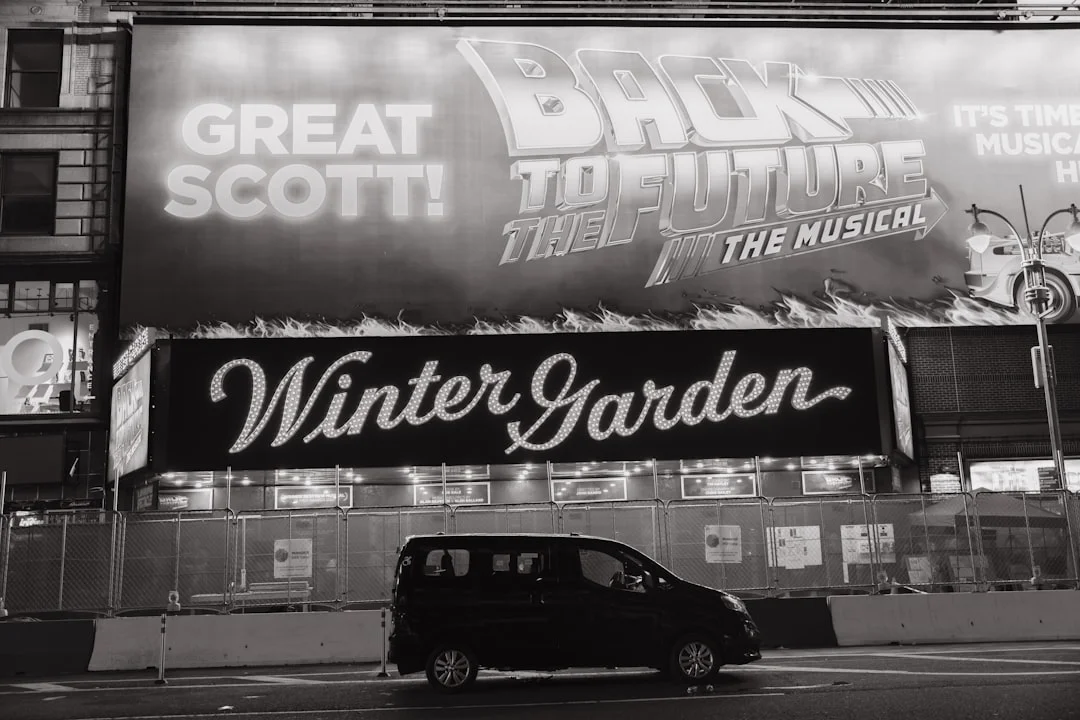
Photo by Nellie Adamyan on Unsplash