Carbon-Neutral Construction NYC 2026: Decarbonizing NYC
Carbon-Neutral Construction NYC 2026 provides updates on policy developments, technology trends, and market impact shaping New York City's built environment.
 By
By 
Manhattan Monday is reporting a significant pivot in New York City’s construction and building decarbonization landscape. On March 23, 2026, the Department of Buildings published an updated 2026 Covered Buildings List (CBL) for Local Law 97 (LL97), clarifying which private properties must file for LL97 compliance in the 2026 filing year. Just days later, on March 30, 2026, the city released a service notice that restated compliance pathways and filing deadlines, underscoring the city’s continued push toward a carbon-conscious building stock. This marks another data point in a citywide effort to curb greenhouse gas emissions from the built environment and align local policy with broader climate targets. As outlined by the Climate Mobilization Act, the city’s ambition is to reduce emissions from its largest buildings by 40 percent by 2030 and to achieve net-zero emissions, effectively carbon neutral status, by 2050. The formal framework and the latest updates signal ongoing momentum for Carbon-Neutral Construction NYC 2026 and its implications for developers, landlords, and operators across Manhattan and beyond. (nyc.gov)
These updates come into sharper relief when viewed against the broader policy and market context. In New York City, buildings account for a substantial share of total greenhouse gas emissions, with the CMA (Climate Mobilization Act) framing LL97 as a centerpiece of this decarbonization effort. The CMA’s core objective—reducing citywide building emissions with a long-term target of net-zero by 2050—places LL97 at the center of every major property decision, from new construction to major renovations. In practical terms, this means building owners must measure and manage energy and emissions more aggressively than in the past, with compliance and incentives closely watched by city agencies and market participants alike. The updated 2026 CBL and the accompanying guidance emphasize that the path to carbon neutrality in NYC is not a one-off policy change but a multi-year, data-driven process that will shape project planning, financing, and operations across the industry. (osc.ny.gov)
Opening: The news that Carbon-Neutral Construction NYC 2026 is unfolding now is anchored in several concrete, date-specific milestones. First, the city’s 2026 LL97 Covered Buildings List—a roster of properties subject to emissions limits—was refreshed on March 23, 2026, with a subsequent official service notice on March 30, 2026 confirming how the 2026 filing year will operate, including which compliance paths apply and how disputes are managed. The CBL 2026 reflects data validated up to February 2026 and provides the framework for owners to file the LL97 report in the 2026 filing year, including whether a building follows Article 320 (general LL97 compliance) or Article 321 (special provisions, often for affordable housing and specific property types). The updated list also clarifies that compliance paths can shift year over year, necessitating careful review by owners and professional firms responsible for attestation and filing. These actions are part of the city’s intention to maintain strong momentum toward decarbonization, even as deadlines evolve. (nyc.gov)
Second, the key policy frame remains clear: the CMA aims for a 40 percent reduction in emissions from NYC’s largest buildings by 2030 and net-zero emissions by 2050. This long arc—built into LL97 and associated sustainability requirements—continues to drive investor and developer decision-making in 2026, with the expectation that the city will progressively tighten emissions caps and reporting obligations over time. The CMA’s net-zero ambition, reiterated by the state and city-level oversight, places embodied carbon, energy efficiency, and electrification squarely on the agenda of every major construction and retrofit project. In practice, that means owners, designers, and builders must coordinate across planning, design, procurement, and on-site operations to align with the evolving limits and opportunities. (osc.ny.gov)
Third, the practical impact for NYC stakeholders remains immediate. The first LL97-compliance reports covering calendar year 2024 were due on May 1, 2025, with annual reporting continuing thereafter. The 2026 cycle, which includes changes in compliance pathways and the transition to ESPM-based reporting for all property types, reinforces the need to align project timelines with regulatory milestones. The city’s own guidance notes that the CBL, BEAM portal, and ESPM are central to the process, and that building owners must certify filings through a registered design professional. For many owners, this means ongoing coordination with design professionals, energy modelers, and finance partners as part of routine project governance. (nyc.gov)
Finally, the enforcement and policy environment around building electrification and efficiency—bolstered by updates to the city’s energy codes—adds another layer of urgency. Enforcement of the 2025 NYC Energy Conservation Code (2025 NYCECC) and the 2025 NYC ASHRAE 90.1 standard is scheduled to begin on March 30, 2026, creating a near-term impetus for owners to accelerate electrification, efficiency upgrades, and near-term decarbonization measures in both new construction and major renovations. This alignment between LL97 timelines and NYCECC enforcement underscores the city’s push toward carbon-neutral construction in 2026 and beyond. (home4.nyc.gov)
Section 1: What Happened
Updated LL97 CBL for 2026 Filing Year
The 2026 LL97 Covered Buildings List (CBL) has been refreshed to reflect updated data and compliance pathways for 2026 filings. The March 23, 2026 publication of the updated CBL (and its accompanying materials) clarifies which properties are subject to LL97 compliance in 2026 and how they should file. In particular, the CBL identifies compliance pathways (CPs) and notes that changes in a building’s compliance path can occur from year to year, based on owner submissions, partner data, or changes in building circumstances. Additionally, the March 30, 2026 service notice provides a detailed accounting of how the 2026 filing year will handle changes in compliance paths and disputes, including timelines for disputes and the implications for next-year filings. Owners should review the 2026 CBL carefully and prepare for filing in BEAM with support from a registered design professional. (nyc.gov)
The 2026 CBL also includes explicit references to the various LL97 compliance paths:
- CP0: Article 320 beginning in 2024
- CP1: Article 320 beginning in 2026
- CP2: Article 320 beginning in 2035
- CP3: Article 321
- CP4: City building/NYCHA These paths reflect a flexible approach to compliance that can accommodate a range of building types and ownership structures. The published service notice notes that if a building changes its compliance path in 2026, the next LL97 filing may be due in 2027, depending on the specifics of the change and the year in which the change was published. This structure ensures that owners stay current with the latest regulatory expectations while managing the practical realities of retrofits, financing, and retro-commissioning. (nyc.gov)
Filing Deadlines and Compliance Paths
The LL97 framework works through a staged timeline with annual reporting and escalating requirements. The first compliance reports for LL97 (covering 2024 emissions) were due May 1, 2025. The 2026 cycle introduces new dynamics: where changes in compliance paths occur (e.g., CP1 to CP0, or CP4/CP3/CP2 to CP0 or CP1), the filing deadlines for the subsequent year are adjusted accordingly, with 2027 serving as the next anchor year in many scenarios. The service notice makes clear that, for 2026, the filing year cadence remains in force, but with nuanced adjustments based on path changes and disputes. In short, building owners filing in 2026 must consider both the data changes that influenced the 2025 CBL and the potential for a revised compliance pathway in 2026. The ultimate objective remains the same: reduce emissions and demonstrate compliance with LL97 through certified reports filed with the city. (nyc.gov)
A critical operational note: LL97 compliance reporting relies on the ENERGY STAR Portfolio Manager (ESPM) data to calculate a building’s annual GHG emissions. Beginning in 2026, all owners must report emissions using ESPM property types. The BEAM portal and related user guides provide the required workflows for submitting these reports, and the sustainability and energy offices in NYC emphasize coordination with registered design professionals to certify the submissions. This underscores a broader shift toward standardized data practices in urban decarbonization efforts and highlights the centrality of accurate, auditable energy data in achieving carbon-neutral construction outcomes. (osc.ny.gov)
Reporting Mechanisms and Portals
Compliance under LL97 is supported by a suite of city tools and partner services. Building owners file their LL97 emissions reports through the DOE’s BEAM portal, with professional attestations required for Article 320 and Article 321 pathways. The ESPM integration captures energy performance data and translates it into emissions figures aligned with the applicable compliance path. The NYC DOB Sustainability Bureau has developed detailed user guides and templates to support owners through the reporting process, including steps for disputes, extension requests, and adjustments to campus or multi-building filings. The 2026 service notice and the 2026 CBL pages emphasize that adherence to these processes is essential for avoiding penalties and maintaining a path toward carbon neutrality. For stakeholders seeking additional support, NYC Accelerator and other program partners provide resources to help landlords decarbonize and optimize energy performance. (nyc.gov)
Section 2: Why It Matters
Emissions Impact and Urban Policy
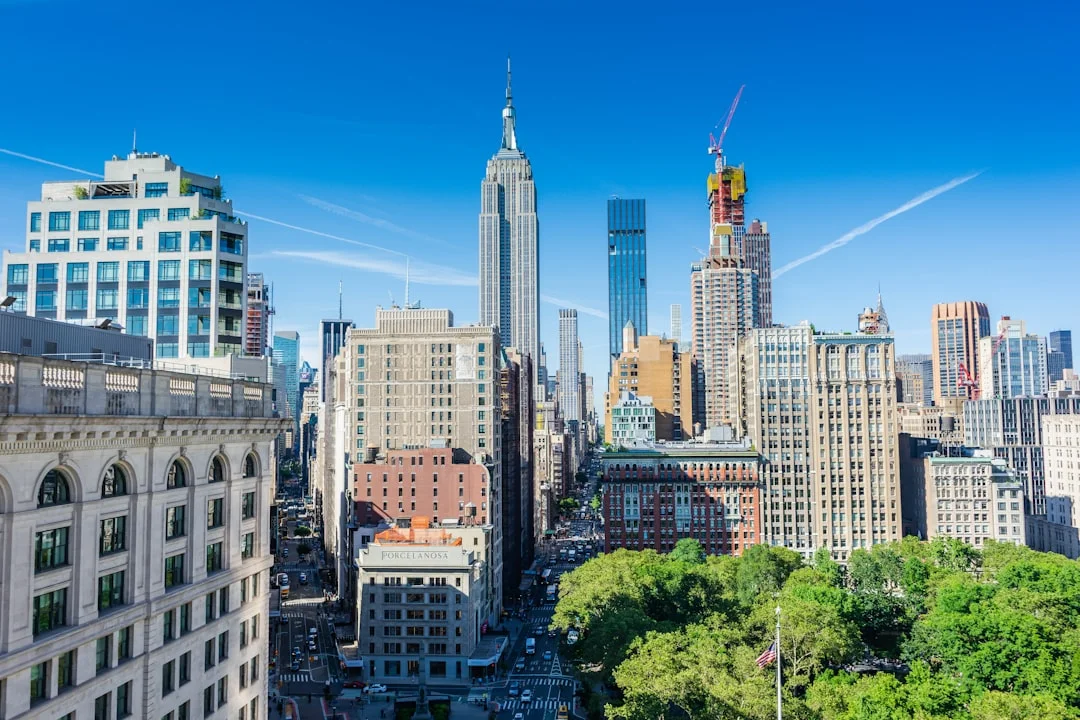
Photo by Jason Krieger on Unsplash
New York City’s decarbonization policy framework places building emissions at the center of the city’s climate strategy. The CMA’s core ambition—to reach net-zero emissions by 2050 and to drive substantial reductions by 2030—has direct implications for project planning, supply chains, and financing. The LL97 framework, with its 40 percent emissions reduction target for large buildings by 2030, translates into concrete requirements for design, construction, and operations. The city’s stated goal of reducing emissions from its largest buildings by 40 percent by 2030 and achieving net zero by 2050 reflects a long-term policy trajectory that will influence building codes, procurement practices, and financial incentives for years to come. This policy stance is also reinforced by statements from New York’s state and city authorities, underscoring a persistent commitment to decarbonization across the public and private sectors. (osc.ny.gov)
Moreover, data from the NYC Buildings and CMA ecosystem shows that the building sector is a dominant contributor to NYC’s GHG footprint. The city’s own metrics emphasize that “over two thirds of greenhouse gas emissions come from buildings,” which helps explain why policy makers focus on emissions caps, benchmarking, electrification, and related measures as pivotal levers for climate action. The LL97 framework is designed to translate this macro policy intent into measurable, auditable, and enforceable requirements for building owners. In this sense, Carbon-Neutral Construction NYC 2026 is less a single event and more a phase in an ongoing transition toward a low-carbon urban built environment. (nyc.gov)
Industry Stakeholders and Economic Effects
The LL97 regime imposes concrete obligations on building owners and developers, including the need to submit annual emissions reports and to certify those reports via a Registered Design Professional. The penalties for noncompliance and the possibility of deductions or alternative compliance pathways (such as energy efficiency retrofits, on-site generation, or offsets) create a spectrum of risk and opportunity for project financiers, developers, and operators. For example, LL97 includes mechanism for deductions and alternatives (including offsets and distributed energy resources) to bridge gaps between actual emissions and the established limits. These options create a continuum of compliance strategies, from aggressive energy retrofits to capital-intensive electrification projects, and they influence capital planning and deal structure for real estate assets in NYC. In addition, the city’s support structures—such as NYC Accelerator and related financing programs—provide technical and financial assistance to property owners seeking to decarbonize. (nyc.gov)
Affordability and equity considerations remain central to the conversation, particularly for affordable housing and rent-regulated properties. The LL97 framework includes a separate Article (Article 321) with distinct requirements and timing, aimed at balancing environmental goals with housing policy objectives. Guidance from the NYC Department of Housing Preservation and Development (HPD) and related agencies underscores the importance of planning for decarbonization while preserving housing affordability. This nuanced policy mix shapes how developers approach mixed-use projects, capital improvements, and long-horizon investment strategies in a city where the building stock is aging and energy costs are a meaningful operating expense for tenants. (nyc.gov)
Technology Trends Driving Compliance
The 2026 landscape for Carbon-Neutral Construction NYC 2026 is defined by technology and market trends that support decarbonization at scale. Electrification of heating and cooling systems, the deployment of heat pumps, on-site and off-site renewable energy generation, energy storage, and advanced metering are central to reducing carbon intensity in existing and new construction. LL97’s framework is designed to accommodate a broad set of technologies—from retrofits that improve envelope performance to on-site generation and off-site certificates or offsets—so long as the approach is auditable and verifiable. The policy environment explicitly recognizes a range of “deductions and alternatives,” including the use of offsets or distributed energy resources, to help buildings reach compliant emissions levels. This flexibility is intended to enable practical decarbonization even in the face of complex building typologies and market constraints. (nyc.gov)
The market is also responding with financing and programmatic support. NYSERDA’s Building Cleaner Communities Competition (formerly the Carbon Neutral Community program) provides a pathway for carbon-neutral or net-zero energy performance projects, helping to align project economics with decarbonization goals. While the competition itself is a specific program with its own deadlines, it exemplifies a broader funding and incentive ecosystem that supports carbon-neutral construction through grants, loans, and technical assistance. These programs can help offset the costs associated with electrification, electrified heating, and energy efficiency retrofits that LL97 and the CMA increasingly incentivize. (nyserda.ny.gov)
Technology and market trends are also driving a stronger emphasis on life-cycle assessment and embodied carbon considerations in NYC’s decarbonization playbook. Executive orders and policy statements from the Mayor’s Office emphasize embodied carbon reductions and whole-building life-cycle thinking as part of a broader strategy to reduce climate impacts beyond the operational phase of buildings. While the precise regulatory requirements for embodied carbon are still evolving, the movement toward carbon-conscious construction practices is clear, with regulators and industry groups pushing for more rigorous assessment of material choices and construction methods. This is reflected in policy discussions at the state and city levels and through the work of relevant advisory boards and industry groups. (nyc.gov)
Section 3: What’s Next
Upcoming Milestones
Looking ahead, 2027 is likely to bring updates to LL97 compliance sequencing as 2026 filings solidify and disputes are resolved. The March 30, 2026 service notice explains that a change in compliance path from CP1 to CP0 (or vice versa) can affect the timing of the next required LL97 filing, potentially pushing certain reporting obligations into 2027. Additionally, the service notice outlines how changes in CPs from 2025 to 2026—such as transitions away from CP4/CP3/CP2 to CP0 or CP1—affect the next year’s filing deadlines, which emphasizes the importance of proactive planning and timely data submission to avoid penalties and ensure a smooth transition through the regulatory landscape. In practice, stakeholders should expect ongoing updates to CBLs, guidance documents, and portal processes as the city refines implementation. (nyc.gov)
Beyond LL97, the enforcement clock for adjacent sustainability codes adds urgency to the next wave of projects. The enforcement start date for the 2025 NYCECC and 2025 NYC ASHRAE 90.1 standards is March 30, 2026, which means project teams should plan for a synchronized readiness across both LL97 compliance and energy code upgrades. This alignment will influence design decisions, equipment specifications, and commissioning timelines for new buildings and renovations alike. With a 2026 enforcement date in view, the market can expect an accelerating rhythm of electrification and efficiency retrofits in the near term. (home4.nyc.gov)
Watchlist for Developers and Building Owners
Developers and building owners should watch several key signals as 2026 unfolds. First, the dynamic nature of the LL97 CBL—where compliance pathways and building status can shift based on disputes, data updates, or changes in occupancy and use—necessitates continuous data governance. Regular reviews of the CBL and BEAM submissions, and early engagement with registered design professionals, can reduce risk of penalties and ensure smoother reporting cycles. Second, the availability of deductions and alternatives—such as offsets, distributed energy resources, and on-site storage—provides opportunities to optimize project economics, but they require careful qualification and documentation. Owners should assess the feasibility, cost, and timing of these tools within the context of the property class and funding arrangements. Third, as NYSERDA and other agencies expand carbon-neutral and net-zero programs, capital markets will increasingly reward early movers who demonstrate credible decarbonization plans, robust data, and transparent reporting. (nyc.gov)
The broader market trend for 2026 continues to center on electrification, performance-based design, and data-driven decision-making. As more buildings are subjected to LL97 limits and 2026 reporting requirements, market participants are likely to invest more in energy modeling, retrofits, and electrified equipment to align with emissions caps. This will influence project timelines, capital planning, and even tenant demand, as tenants increasingly seek energy-efficient, climate-resilient spaces. The city’s policy framework, backed by data-driven reporting requirements and a well-defined portal ecosystem (BEAM, ESPM, and related guides), provides a structured pathway for investors and developers to align with Carbon-Neutral Construction NYC 2026. (osc.ny.gov)
Closing
The latest updates for Carbon-Neutral Construction NYC 2026 reaffirm that NYC’s decarbonization agenda remains active and advancing. With a March 2026 refresh of the LL97 Covered Buildings List, a March 30, 2026 service notice detailing the 2026 filing year, and continued enforcement of related energy codes, the city is reinforcing a long-term commitment to a carbon-neutral built environment. For property owners, developers, and financiers, this means ongoing alignment with emissions limits, robust data management, and strategic investment in electrification and efficiency. The most reliable way to stay informed is to monitor NYC Department of Buildings updates, HSAs and NYC Accelerator resources, and the ENERGY STAR reporting ecosystem as LL97 moves through its multi-year compliance cycle. As climate policy continues to evolve, Carbon-Neutral Construction NYC 2026 stands as a clear signal that the city is turning decarbonization into a core business driver, not just a regulatory mandate. (nyc.gov)
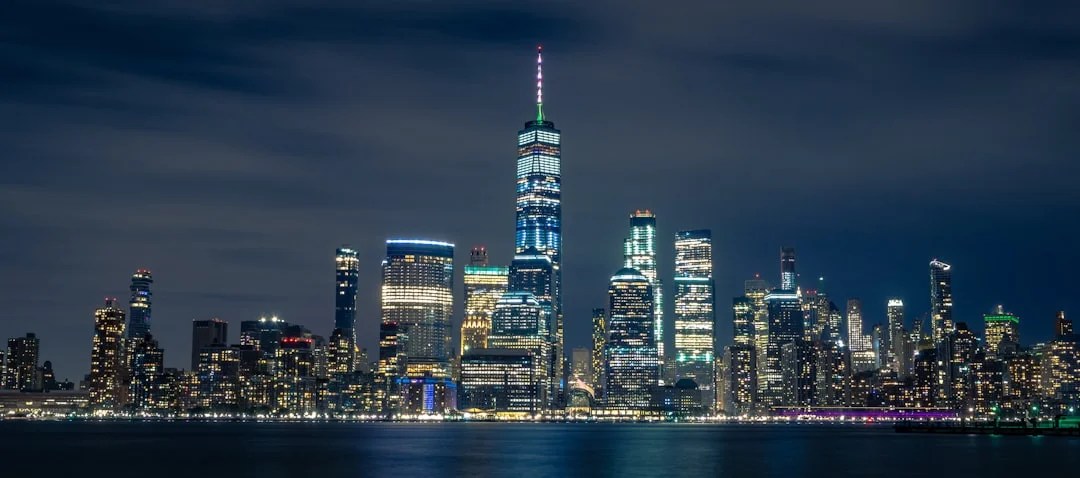
Photo by Andreas Niendorf on Unsplash