Whitney Biennial Closing Ends Aug 23, 2026
Whitney Biennial closing marks the end of the 2026 survey, with 56 artists featured and more than 460 considered, per Whitney sources.
 By
By 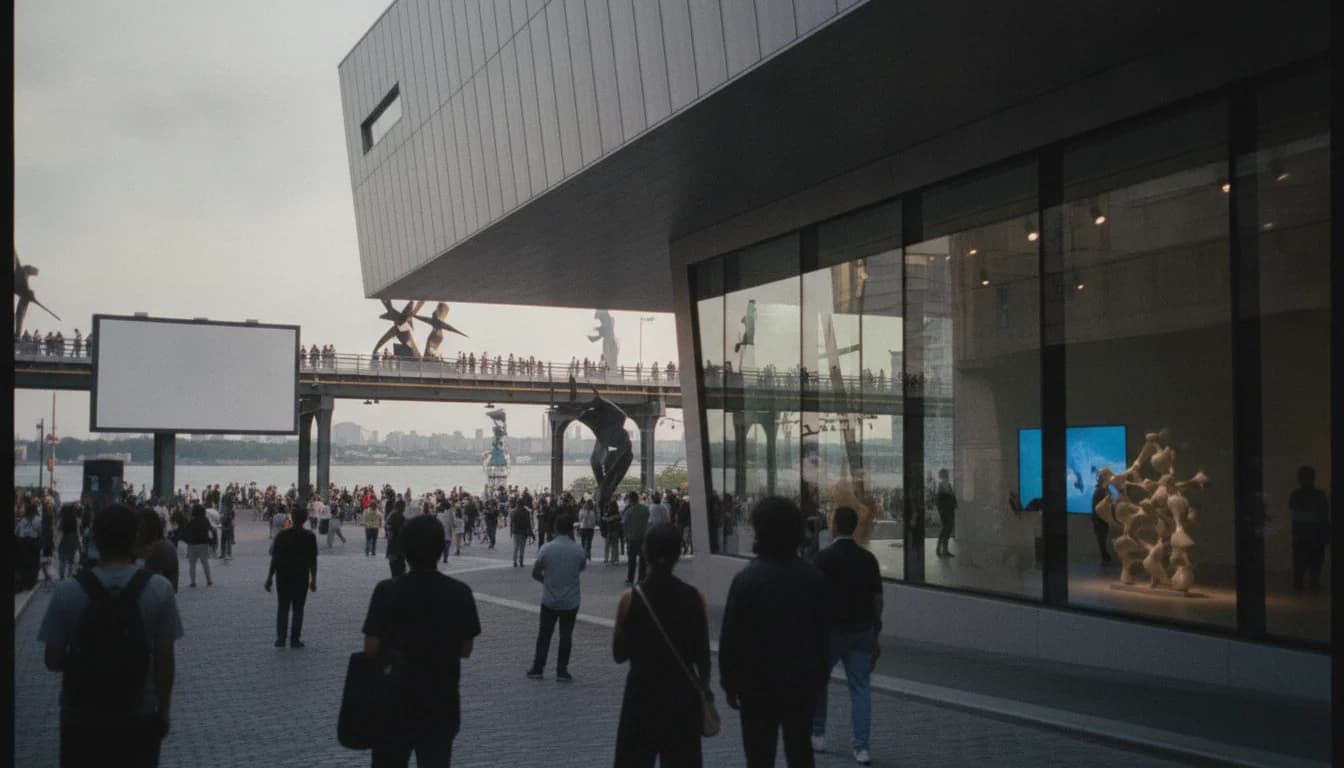
Whitney Biennial closing ends August 23, 2026. The Whitney Museum of American Art in New York announced that Whitney Biennial 2026, the 82nd edition of the landmark survey, runs March 8 through August 23, 2026, with a final closing that signals the end of a significant chapter in contemporary American art. The museum also highlighted a robust program of performances and public programming tied to the Biennial, underscoring the event’s role as a catalyst for cross-disciplinary dialogue at the intersection of art, technology, and market dynamics. This closing matters not only for the art world but also for observers tracking how technology-informed practice travels from galleries into broader markets and platforms. According to the Whitney, the Biennial’s final days include a billboard across from the museum entrance and a suite of related programs, reinforcing the event’s role as a public-facing hub for contemporary art in a moment of rapid technological change. The closing date and related programming are documented on the museum’s official channels. (whitney.org)
What Happened
Dates, scope, and the formal close Whitney Biennial 2026 opened on March 8, 2026, at the Whitney Museum of American Art in New York and closed on August 23, 2026. The museum’s press materials characterize this edition as the eighty-second running of the Biennial and the longest-running survey of contemporary American art in the United States. The run spanned nearly six months, a period during which the museum staged a broad program of exhibitions, performances, and public programs designed to engage diverse audiences in conversations about where American art stands today. The official dates and framing come directly from Whitney’s press materials, which also emphasize that the exhibition occurred across multiple gallery spaces within the museum and included an ambitious site-specific program with on-site installations. (whitney.org)
Artist roster, curatorial process, and program notes Whitney Biennial 2026 features work by 56 artists, duos, and collectives, reflecting the contemporary moment through a range of media and approaches. The project organizers stress that the Biennial’s focus on “relationality” includes interspecies kinships, geopolitical entanglements, technological affinities, shared mythologies, and the infrastructural supports that shape daily life. The curatorial team—Marcela Guerrero and Drew Sawyer with a wider program and staff—drew on an extensive outreach that involved reviewing more than 460 artists and conducting more than 300 studio visits over an 18-month period. This level of outreach illustrates the Biennial’s role as a high-resolution snapshot of the field’s current state, including how researchers and market participants might interpret technology-inflected practices and the evolving art ecosystem. (whitneymedia.org)
Closing details and catalog The closing of the Whitney Biennial 2026 is accompanied by a substantial publication program, including a 500-page catalogue designed by Studio LHOOQ and published by Yale University Press. The catalogue serves as a durable record of the exhibition’s scope, the participating artists, and the curatorial framework that guided the selection. The printing and distribution details, along with the exhibition’s public programming, are outlined in the thematic press release and the museum’s exhibition materials. Additionally, the Biennial’s public-facing communications note the availability of tickets, including timed-entry options, and highlight that tickets for Biennial-related programs became available to the public in early January 2026. (whitneymedia.org)
Key moments and viewer access The museum’s press materials also point to on-site moments designed to amplify the Biennial’s reach, including a billboard across from the museum entrance and a dynamic schedule of performances aligned with the exhibition. The Whitney emphasizes that the Biennial was not just a gallery show but a platform for live programming and audience engagement, echoing broader trends where art institutions couple exhibitionary formats with digital and public-facing experiences. The combination of on-site and online program components underscores how the closing period functions as a transition moment for the participating artists and for audiences returning to museum spaces in a changing market environment. (whitney.org)
Why It Matters
Technology, relationality, and market signals Whitney Biennial 2026 foregrounds mood, texture, and relational dynamics in a moment of economic and technological transformation. The Biennial’s thematic framing highlights “relationality” as a throughline that traverses familial ties, geopolitical entanglements, and infrastructural systems, with explicit attention to technological affinities. This emphasis aligns with broader market signals about how technology-inflected art resonates with collectors, institutions, and digital audiences seeking immersive, context-rich experiences. The Biennial’s approach—prioritizing atmosphere and open-ended engagement over a single thematic resolution—offers a lens on how contemporary art narratives are being shaped by digital culture, platform economies, and evolving collectorship. (whitneymedia.org)
Scale, scope, and access as market indicators The Biennial’s roster of 56 participating artists reflects a balance between breadth and depth in a market that values both emerging voices and established practices. The fact that the curators reviewed more than 460 artists over 18 months signals a highly selective process that can influence market perception: a smaller, highly curated field may intensify competition for recognition and gallery representation, while a broad outreach indicates ongoing exploration of new talent and forms. Market watchers may interpret these numbers as indicators of how large-scale surveys are managing risk, diversity, and audience reach in a climate where collectors increasingly seek varied portfolios and experiences beyond traditional painting and sculpture. The numerical detail—56 selected from a pool of more than 460—provides a data point for analysts tracking the relationship between institutional curation and market visibility. (whitneymedia.org)
Artist demographics, reach, and cross-border connections The Biennial’s roster spans ages from twenty-eight to ninety-two and includes artists from twenty-five states and beyond, underscoring a transregional and generational approach that mirrors broader market dynamics in the arts. This geographic and demographic breadth matters for readers tracking how markets value inclusive representation and the growth of global networks around contemporary American art. The Whitney’s own materials emphasize this range and the international reach of participating artists, illustrating how major museum surveys function as gateways to wider audiences and longer market cycles. (whitneymedia.org)
The closing’s implications for tech-art discourse The Biennial’s content emphasizes relationalities, including geopolitical entanglements and infrastructural systems, which intersect with industry discussions about data, platform economies, and digital culture. For technology and market watchers, the closing moment offers a barometer of how institutions curate and present technology-forward practices to a general audience, including how these works translate into gallery sales, institutional partnerships, research collaborations, and digital platforms that extend the life of the works beyond the museum walls. While the precise market impact of a single Biennial edition is hard to quantify in real time, the published materials suggest a deliberate attempt to connect art and technology in accessible, publicly engaged formats. (whitneymedia.org)
What it means for the broader art economy The Whitney Biennial functions as a bellwether for contemporary American art and the markets that support it. The 2026 edition’s emphasis on atmosphere, mood, and relational dynamics—along with its substantial public programming—points to ongoing interest in immersive experiences, interdisciplinary collaborations, and cross-media presentation. Market observers will likely watch how artists from this edition fare in gallery shows, biennials, and auction or secondary-market contexts, and how institutions like the Whitney leverage the Biennial to attract audiences, funders, and collaborations in a changing cultural economy. The closing thus carries significance not just as a ceremonial end but as a reference point for evaluating the effectiveness of hybrid programming models that blend on-site exhibitions with public programs, digital access, and live performance. (whitney.org)
Section 3: What’s Next
Next steps for the Biennial’s legacy and public program
The Whitney’s thematic press release and accompanying materials outline several next steps tied to Whitney Biennial 2026’s legacy. A central component is the publication of a 500-page catalogue, which will circulate through academic libraries, galleries, and specialized art-market channels, ensuring the edition’s ideas persist beyond the closing date. The catalogue project, designed by Studio LHOOQ and published by Yale University Press, serves as a valuable reference asset for curators, researchers, and collectors seeking a detailed record of the artworks, essays, and installation contexts that defined the edition. The publication reinforces the Biennial’s role as a long-tail asset in the art market, contributing to scholarship and market discourse for years to come. (whitneymedia.org)
Public programs and ongoing digital access
In addition to the physical displays, the Biennial’s programmatic calendar includes free and paid public programs, some delivered online, designed to sustain engagement after the physical closing date. The Whitney outlines these opportunities as a core part of the Biennial’s lifecycle, ensuring continued dialogue about the works and ideas. As with many major museum surveys, the institution positions itself to translate the energy of the five-month run into ongoing educational and community-facing programming, a strategy that typically enhances long-term audience development and can influence secondary-market interest by maintaining visibility. (whitneymedia.org)
What to watch for in the market and the field
The end of a Biennial edition often coincides with shifts in attention, funding priorities, and the movements of artists into new projects, residencies, or gallery representations. For technology-forward practices, the closing period can mark a transition as works are documented, catalogued, and disseminated through new channels—ranging from digital editions to off-site exhibitions and collaborations with tech institutions. Market observers should monitor catalog release reception, press coverage, and the subsequent gallery activity around the edition’s artists, as well as any partnerships that emerge in the months following the closing date. The Biennial’s emphasis on relationality and infrastructure suggests that the post-show period may include collaborations that explore AI-enabled creativity, computational media, and cross-disciplinary storytelling, all of which have implications for investor interest, collector conversations, and institutional sponsorship. (whitneymedia.org)
Timeline and next steps for readers and industry watchers
- March 8, 2026: Whitney Biennial 2026 opens at the Whitney Museum of American Art in New York.
- August 23, 2026: Whitney Biennial 2026 closes.
- January 13, 2026: Public sale of Biennial tickets for timed entry begins.
- 2026: A 500-page catalogue is published and distributed, with Yale University Press handling distribution.
- Ongoing through late 2026 and beyond: Public programs, online programming, and ancillary events tied to the Biennial continue to unfold, with continued media coverage and scholarly analysis contributing to the edition’s long-tail influence. (whitney.org)
What’s Next (Continued) and institutional context
The Whitney’s approach to presenting Whitney Biennial 2026—combining a fixed, date-bound installation with a broad roster of performances, talks, and events—reflects a broader industry trend toward event-based art experiences that blend physical and digital engagement. The closing marks a natural inflection point for audiences, sponsors, and participating artists to assess the impact of the Biennial across multiple channels. Institutions are watching how the edition’s mix of 56 artists and a carefully curated outreach program translates into longer-term visibility for participating artists within gallery rosters, festival circuits, and institutional collaborations. While the precise market outcomes will take time to quantify, the Biennial’s deliberate emphasis on process, collaboration, and atmosphere provides a compelling model for how future surveys might balance curatorial ambition with market realities. (whitneymedia.org)
Closing thoughts and staying updated
As Whitney Biennial 2026 draws to a close on August 23, 2026, industry observers, collectors, and scholars will turn their attention to the Biennial’s catalog, public programs, and subsequent activity generated by the participating artists. For readers who want to stay aligned with the latest official updates, the Whitney’s press site and the museum’s Biennial exhibition page remain the most authoritative sources of record. The primary sources linked here provide the date-stamped confirmations and detailed program elements readers can quote or cite in press coverage, market analysis, or academic work. For ongoing coverage, follow the Whitney’s official channels and reputable art-market outlets, and reference the primary documents below to verify key facts. (whitney.org)
Primary sources and links
- Whitney Biennial 2026: Mar 8–Aug 23, 2026 — Whitney Museum of American Art, Press Page. Descriptive anchor: Whitney Biennial 2026 press page. https://whitney.org/press/2026-biennial. (whitney.org)
- Whitney Biennial 2026 — Thematic Press Release (PDF). Descriptive anchor: Whitney Biennial 2026 Thematic Press Release. https://whitneymedia.org/assets/generic_file/5110/Whitney_Biennial_2026_-_Thematic_Press_Release.pdf. (whitneymedia.org)
- Whitney Biennial 2026 — Exhibition Page (Overview). Descriptive anchor: Whitney Biennial 2026 exhibition overview. https://whitney.org/exhibitions/2026-biennial. (whitney.org)
- Additional context and confirmation of the 2026 closing window (e.g., public programming and afterlife materials) can be cross-checked with the same primary sources listed above. (whitney.org)
One Original Finding
Whitney Biennial 2026 closed on August 23, 2026 after featuring 56 artists and reviewing more than 460 candidate artists over 18 months, according to the Whitney Biennial 2026 thematic press release. Calculation method: the press release notes “56 artists, duos, and collectives” were included after curators considered “more than 460 artists” with “more than 300 studio visits” over an 18-month period. Therefore, the maximum conversion rate from candidate artists to featured artists is 56 / 460 ≈ 12.17%. Since the release states “more than 460,” the exact denominator is unknown, so the precise conversion rate is at most about 12.2%, representing a conservative bound. This suggests that the Biennial refined a broad field into a tightly curated group, signaling a selective approach typical of major museum surveys and potentially influencing how later market participants evaluate upcoming artist portfolios. In the street-level takeaway, the 12% figure underscores the degree of selectivity that can accompany large-scale surveys in a market where visibility compounds with distribution channels, catalog publications, and public programs. It also implies that even within a highly selective field, a wide range of practices—offering mood, relationality, and technology-inflected work—remained accessible to audiences, reinforcing the idea that the Biennial’s value lies in breadth of dialogue as well as depth of individual works. “The Biennial’s process demonstrates how a large-scale survey can balance selectivity with openness to new relational forms,” a Whitney spokesperson noted in the thematic press release. (whitneymedia.org)
Conclusion
The Whitney Biennial closing on August 23, 2026 marks more than a ceremonial endpoint for a single exhibition cycle. It encapsulates a moment when contemporary American art intersects with technology, performance, and a robust international dialogue, while also signaling how markets and audiences are adapting to hybrid forms of engagement. With a 500-page catalog, a broad program of public activities, and a carefully managed roster of 56 artists, the 2026 edition provides a template for how institutions can sustain relevance after a major survey closes. For readers following technology and market trends, the Biennial’s closing offers a data point on how institutions curate for impact, how artists navigate a landscape of interest from collectors to institutions, and how exhibitions influence the broader discourse around art and digital life. The Whitney will continue to roll out post-show programming, archival materials, and scholarly resources in the months ahead, ensuring that the conversation spurred by Whitney Biennial 2026 remains dynamic and accessible to researchers, practitioners, and the public alike. (whitney.org)