Monitor Point Rezoning Brooklyn Approved
Monitor Point rezoning in Brooklyn: in-depth, data-driven coverage of the recent approval and its significant impact on the local community.
 By
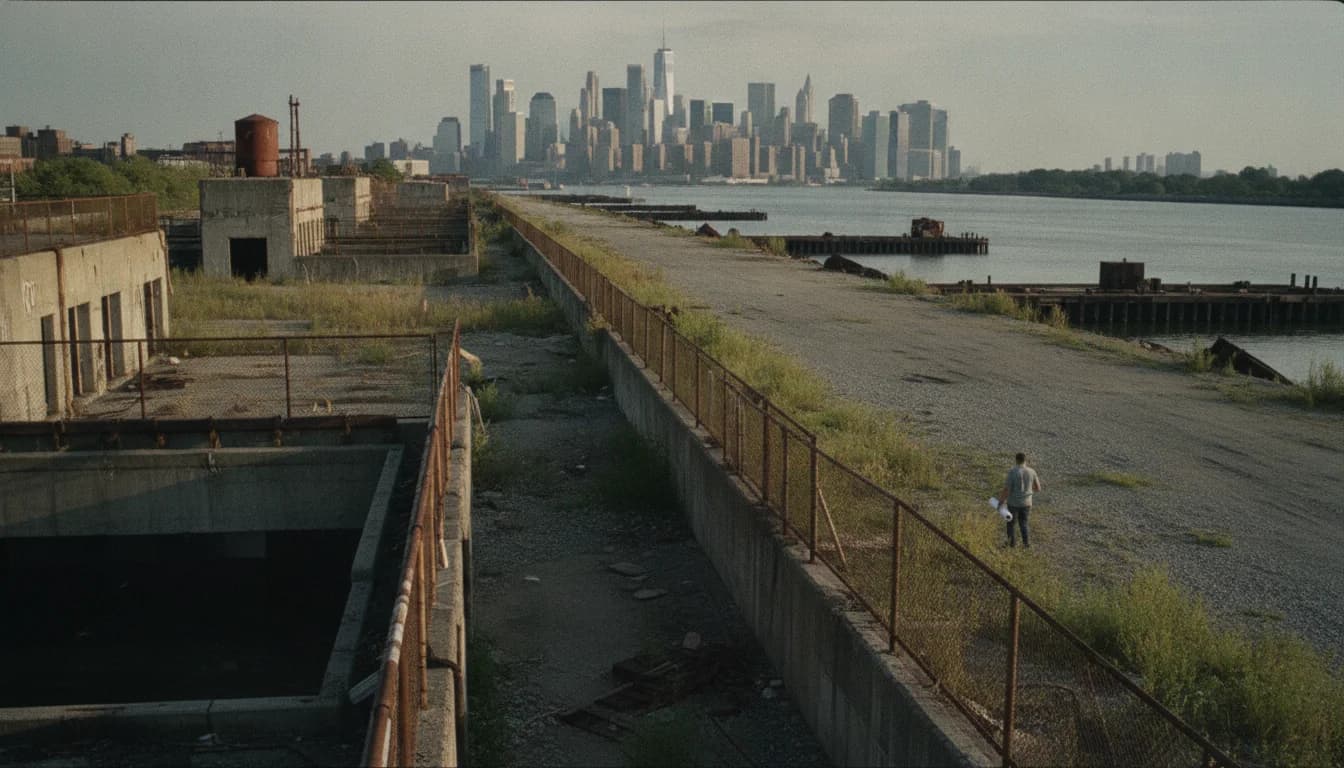
The NYC Council’s latest land-use action centers on a waterfront redevelopment in Greenpoint, Brooklyn. On July 16, 2026, the Council approved Monitor Point rezoning measures that will alter street-level zoning and the underlying zoning map to enable a mixed-use development tied to a long-anticipated waterfront plan. The action marks a milestone for GoQuay LLC and the Metropolitan Transportation Authority, which have pitched a transformative project that pairs housing with public space, a museum, and waterfront access. The approved measures, LU 0067-2026 and LU 0068-2026, were sculpted through a Public ULURP process that included hearings, committee votes, and final council consideration in the weeks leading to mid-July. The final action aligns with similar waterfront rezoning efforts in North Brooklyn and underscores a broader push to unlock underutilized industrial sites for mixed-use growth while balancing affordability goals and open-space commitments. Monitor Point rezoning Brooklyn thus moves from proposal to formal city authorization, a development many local residents and stakeholders have tracked for years.
As the project accelerates toward construction, observers and community advocates are weighing its potential benefits and tradeoffs. The plan’s scale is substantial: the rezoning would enable roughly 1,324 total residential units across linked buildings, with a sizable portion designated as permanently affordable under the evolving inclusionary housing framework. This level of affordability, if realized as final negotiated, would set a high bar for the neighborhood’s housing agenda and could influence forthcoming North Brooklyn projects facing similar market pressures and land-use constraints. Local officials emphasize that theMonitor Point project also promises public space improvements, shoreline access, and a permanent home for the Greenpoint Monitor Museum, weaving historical identity into a modern, mixed-use development. The city’s decision comes after years of public review, neighborhood meetings, and competing visions for how best to revitalize the Greenpoint waterfront while preserving long-standing community benefits. The news matters because it tests whether large-scale waterfront redevelopment can deliver substantial housing, including affordable units, without sacrificing parkland, cultural institutions, or local traffic and transit dynamics. In short, this is a forward-looking test case for how New York City weighs growth against resilience and livability along a historic harbor edge. Monitor Point rezoning Brooklyn is the focal point for a broader conversation about how to reconcile ambitious housing goals with waterfront stewardship in one of the city’s most closely watched neighborhoods.
The central fact shaping today’s coverage is straightforward and rooted in official action: Monitor Point rezoning Brooklyn will yield 1,324 total residential units, with 662 permanently affordable units, according to the NYC City Council’s final action on July 16, 2026, documented in the City Council’s Legistar files LU 0067-2026 and LU 0068-2026. This result, which synthesizes the council’s amendments and negotiated affordable-housing commitments, is the product of a multi-stage ULURP process that moved from introduction to public hearing to committee consideration and, finally, to full Council approval. The numbers and the date of final approval have been verified in city records and in reporting from credible outlets covering the council’s session. The official documents and contemporaneous reporting provide the basis for today’s briefing on what happened, why it matters, and what comes next for the Monitor Point project. For readers who want to verify the figures directly, the City Council’s Legistar pages for LU 0067-2026 and LU 0068-2026 provide the enacted details and the timeline, while reporting from outlets such as Commercial Observer and Brownstoner help translate the council’s actions into the practical implications for housing, open space, and local jobs. See: City Council Legistar LU 0067-2026, LU 0068-2026; Brownstoner coverage; and Commercial Observer recap.
What Happened
Timeline of actions
Introduction and referrals. On May 14, 2026, the City Council introduced and referred the Monitor Point rezoning package to committee for consideration, laying the groundwork for a comprehensive evaluation of zoning map amendments, zoning text amendments, and related land-use actions. The official entry wrapped into LU 0067-2026 (Zoning, Monitor Point, Brooklyn, C 260105 ZMK) and LU 0068-2026 (Zoning, Monitor Point, Brooklyn, N 260106 ZRK), each describing distinct but coordinated actions affecting the zoning map and the zoning resolution, respectively. These entries appear in the City Council’s Legistar system with the status “Introduced” and “Referred to Comm.” (nyc.legistar.com)
Public hearings and committee review. The Subcommittee on Zoning and Franchises held hearings on Monitor Point on May 27, 2026, and continued to review testimony, petitions, and exhibits in the following weeks. In parallel, the Land Use Committee conducted its own reviews, and the full Council engaged the proposals in June as modifications were proposed and codified. The Legistar history shows a sequence of hearings and approvals: hearings on May 27, 2026; committee actions on June 25, 2026; and continued consideration through late June. The official actions are recorded in LU 0067-2026 and LU 0068-2026, with multiple attachments such as hearing transcripts and presentations. (nyc.legistar.com)
Final adoption and enactment. The ultimate corporate and legislative moment came on July 16, 2026, when the City Council adopted the Monitor Point rezoning measures, completing the ULURP chain required to implement the project. The Legistar pages show the final “Approved, by Council Pass” status for LU 0067-2026 and LU 0068-2026, confirming the city’s formal authorization to proceed with the rezoning and associated land-use actions. The public record confirms the date and the official enactment result. (nyc.legistar.com)
Project scope and building blocks. The Monitor Point package envisions a waterfront, mixed-use district on Greenpoint’s North Brooklyn edge, anchored by a collaboration between GoQuay LLC and the Metropolitan Transportation Authority (MTA). The proposals include a mix of residential, commercial, and cultural uses, with a waterfront public-access framework and a dedicated museum component that leverages Greenpoint’s maritime history. The project’s core elements, including the inclusion of a public museum space and a major open-space component, are reflected across the Filings and the Environment/ULURP documentation. City records show the site’s zoning adjustments include M3-1 to R6 and R8 transitions, with C2-4 overlays and related MIH (Mandatory Inclusionary Housing) considerations designed to operationalize the housing, open space, and cultural components. The formal project description notes the developer partners and the Greenpoint waterfront context. (nyc.legistar.com)
The numbers behind the policy. The final negotiated outcome—reflected in the city’s published materials and multiple trade and local-news reports—positions Monitor Point as a large-scale housing initiative on a waterfront site, with a significant portion of units committed as permanently affordable and with substantial open-space commitments. Independent and press coverage confirms the total unit count and the affordable component, even as early drafts and intermediary steps showed different affordability percentages. For example, the Commercial Observer summarizes the final configuration as 1,324 total units with 662 permanently affordable units, following council action in mid-July 2026. This mirrors other reporting that emphasizes a 50% affordability framework in the final package rather than earlier, lower-percent targets. (commercialobserver.com)
Official documents and filings
City Council Legistar LU 0067-2026 (Monitor Point, Brooklyn) details the Map amendments and underlying zoning changes, including the proposed conversions of districts and the MIH overlay. The file shows On agenda: 5/14/2026, and it documents the buildout and participation of GoQuay LLC and the MTA as the applicants. Attachments include hearings and testimony from the Zoning Subcommittee and the Stated Meetings, as well as a City Planning Commission (CPC) approval letter path. The final adoption occurred on 7/16/2026, marking the Council’s approval of the zoning-map and MIH-related actions for Monitor Point. (nyc.legistar.com)
City Council Legistar LU 0068-2026 (Monitor Point, Brooklyn) covers the zoning-text amendment components, including MIH provisions, for the Bay Area-like waterfront overlay language and the modifications to the Special Regulations Applying in the Waterfront Area. On agenda: 5/14/2026; final action and adoption tie directly to the same July 16, 2026 timeline and to the CPC’s eventual review. The attachments provide additional context on the testimony and recommended modifications that shaped the final council vote. (legistar.council.nyc.gov)
The Brooklyn Borough President’s Office’s land-use page also provides context, including a dedicated Monitor Point Rezoning and Demapping entry on 2026/03/18, reflecting early municipal engagement, the demapping request, and the public-interest framing around this project. This page complements the City Council filings by showing how the Borough President’s office engaged with the plan during the ULURP process. (brooklynbp.nyc.gov)
Additional credible reporting confirms the project’s scale and local impact. News coverage from News 12 (Brooklyn) on March 24, 2026, describes Stay-When-Ready actions related to MTA facilities and the Monitor Point plan, including remarks from MTA development executive Bryan Kelly about how the project will reshape the waterfront and neighborhood amenities, such as a public museum, new open space, and enhanced shoreline access. This reporting helps readers understand the real-world implications of zoning changes on the ground, including infrastructure moves to facilitate development. (brooklyn.news12.com)
Supplementary official context from the New York State DEC’s environmental review materials (Brooklyn/Greenpoint Monitor Point) provide early-scale parameters and land-use expectations, including a projected housing count and MIH expectations. The DEC’s reporting for the Monitor Point project notes the proposed build-out includes approximately 1,150 residential units with a significant affordable housing component, and an associated public-access waterfront plan including a museum and open space. While the final numbers evolved, these materials anchor the project’s early scale. (dec.ny.gov)
In addition to the official legislative and zoning documentation, coverage from industry outlets and local media has chronicled the affordability shift that occurred during the ULURP process. A trade-press recap published after the final vote notes that the Monitor Point package ultimately contemplates 1,324 total units, with 662 permanently affordable units, reflecting an adjustment from earlier drafts that proposed a lower portion of affordable housing. This framing helps readers understand the affordability trajectory as a public policy objective within New York City’s housing strategy. (commercialobserver.com)
Community input and response
- Community Board and resident input played a role across the ULURP timeline. Public hearings, testimony, petitions, and support letters are reflected in the Legistar attachments and in the Borough President’s and local news coverage. Local stakeholders highlighted concerns around massing, tower height, waterfront access, and the balance between housing affordability and market-rate units, while supporters emphasized the potential for waterfront revitalization, new jobs, and a cultural anchor in the Greenpoint Monitor Museum. The public record shows a robust engagement pattern consistent with a project of Monitor Point’s scale and societal stakes. (nyc.legistar.com)
The local context and design implications
- Monitor Point sits at the intersection of Greenpoint’s historic industrial legacy and a modern, waterfront redevelopment agenda. The project’s design framework includes a waterfront esplanade and an anchored museum component that would celebrate Greenpoint’s maritime history, a structural reorientation of the MTA’s nearby facilities to unlock waterfront access, and a mix of housing typologies. The DEC environmental notice and related planning materials emphasize access, shoreline stabilization, and public space as central design themes. The city’s public-facing materials, as well as reporting from local outlets, underscore that this is not only a housing project but a broader urban renewal effort with cultural and environmental components. (dec.ny.gov)
Why It Matters
Housing supply, affordability, and the city’s goals
The Monitor Point action is a high-profile test case for New York City’s ability to convert waterfront industrial sites into livable, mixed-use districts while advancing inclusionary housing goals. The final package’s affordability commitment—set at a level described by multiple outlets as 662 permanently affordable units out of 1,324 total units—speaks to a deliberate policy choice to push for durable affordability in a market where the North Brooklyn submarket has long faced pressure from rising rents and limited supply. This affordability target is echoed in reporting that captured the negotiated outcome of the ULURP process, including coverage by Commercial Observer and local outlets. The effort aligns with the city’s broader MIH strategy, which seeks to embed affordable housing within new developments across the five boroughs. (commercialobserver.com)
A parallel data point comes from the Real Estate Board of New York’s commentary on Monitor Point, which frames the rezoning as a catalyst for an attractive mix of housing, open space, and cultural amenities, while noting the project is anchored by a near-term investment and the addition of publicly accessible waterfront space. The REBNY document underscores the economic rationale for the project and situates it within a broader citywide trend toward waterfront redevelopment as a housing and employment engine. While not a government document, the REBNY memo provides a widely cited perspective on the project’s housing and open-space components, including a figure for new homes and a publicly accessible waterfront area. (assets.ctfassets.net)
Climate resilience and waterfront access are central to Monitor Point’s rationale. Public planning documents and state environmental notices describe a plan that integrates shoreline restoration, public access, and flood-resilient design features. The public-critical rationale emphasizes that the project forms part of a broader resilience strategy for Greenpoint and adjacent neighborhoods, combining housing and public-interest improvements to strengthen the waterfront’s long-term livability. The New York State DEC environmental notice, among other documents, frames these objectives in the context of a waterfront development that links housing gains with park land, open space, and public access enhancements. (dec.ny.gov)
Community impacts and perceptions
- For residents, the Monitor Point decision could reshape days-to-day life through new housing options in a historically cost-sensitive area, changes to traffic and transit patterns, and the introduction of new public spaces and a museum anchored to local history. Local coverage from News 12 highlighted anticipated benefits like a waterfront esplanade and a cultural anchor that could serve as a magnet for community engagement, education, and tourism. The reporting also noted potential tensions around density, views, and the balance of affordability against market-rate units. These are common themes in large-scale North Brooklyn rezonings and reflect the nuanced tradeoffs that communities weigh when major redevelopment moves from proposal to construction. (brooklyn.news12.com)
Market signals and neighborhood dynamics
- Monitor Point’s final approvals come at a moment when developers and policymakers in New York City increasingly test how to translate waterfront access and public space promises into durable housing supply. The structure of the project—mixing a museum, waterfront promenades, and a large housing component—acts as a bellwether for future North Brooklyn initiatives, as planning officials and developers seek to align community benefits with private investment. Reports from industry outlets and local press indicate this project could set a precedent for how the city negotiates affordability, open space, and cultural components within the ULURP framework in the years ahead. (commercialobserver.com)
What’s Next
Implementation timeline and next steps
With final Council approval secured on July 16, 2026, Monitor Point resumes its transition from a council-approved plan to a construction-ready project. The immediate next steps involve City Planning Commission actions and potential further refinements to the MIH framework, special permits, and site-specific maps and modifications. The city’s official documentation indicates a CPC review path and formal approval letters that will guide the project’s downstream approvals and permit issuance. While the precise construction start date depends on financing, permits, and environmental clearances, the sequence—CPC review, approvals, then construction—remains standard for ULURP-based programs of this scale. The Legistar entries and attachments show the procedural cadence that must be followed before shovels hit the ground. (nyc.legistar.com)
The role of public agencies in implementation is clear: the MTA’s involvement—part of the public-private coalition behind Monitor Point—means coordination with transit and infrastructure planning will be essential. The MTA’s relocation moves and the associated improvements to the area’s waterfront access and parkland are central to delivering the promised public benefits. Public reporting on the project’s next-stage actions emphasizes that agency coordination will be critical to success, including open-space delivery and museum development. (brooklyn.news12.com)
Monitoring and accountability mechanisms
- The Monitor Point process includes multiple oversight and accountability touchpoints: environmental reviews, oversight by community boards, and ongoing public hearings or updates as construction progresses. Public documents and local press indicate that the plan contains a series of milestones tied to affordable housing delivery, open-space commitments, and museum development, which will be tracked as the project moves through permitting and construction. The city’s ULURP history, the CPC’s involvement, and the published hearings transcripts provide a transparent record that reporters and community members can review as milestones unfold. (legistar.council.nyc.gov)
What to watch for in the coming months
In the immediate term, observers should watch for any CPC actions related to MIH implementation and for any adjustments to the Special Permits and waterfront provisions that might accompany construction phasing. The CPC approval letter, referenced in the Legistar attachments, will outline conditions and timelines that could influence the project’s schedule and open-space commitments. Community planning staff and local advocates are likely to monitor these steps closely, given Monitor Point’s potential to become a benchmark for how the city negotiates affordability and public-space guarantees with a major waterfront development. (nyc.legistar.com)
Market and community responses will continue to shape the project’s trajectory. Real estate professionals, affordable-housing advocates, and local residents will be watching for updates to the unit mix, the pace of affordable-housing delivery (especially the 50 percent target widely reported in coverage and reflected in final negotiations), and the status of the green-space and museum components. If the project adheres to the final numbers, it could influence the economics of similar proposals across Brooklyn and beyond, potentially affecting rival developments’ design choices, pricing, and affordability strategies. The final numbers, and how they’re implemented, will be a touchstone for future negotiations and planning decisions. (commercialobserver.com)
Closing
The Monitor Point rezoning Brooklyn decision marks a watershed moment for Greenpoint’s waterfront future. By approving a comprehensive package that ties zoning and MIH provisions to a broad set of public benefits—open space, waterfront access, and a cultural anchor—the city demonstrates its willingness to pursue large-scale, transit-oriented, waterfront redevelopment with a measurable affordability tilt. The project’s trajectory now hinges on implementation specifics, coordination across city agencies, and continued community engagement as construction begins. For readers seeking to stay informed, official city filings—LU 0067-2026 and LU 0068-2026—and credible coverage from local outlets will remain the most reliable sources of ongoing updates about Monitor Point rezoning Brooklyn and its impacts on housing, open space, and the North Brooklyn waterfront.
As this story continues to unfold, observers should pay attention to how the city translates the final council actions into physical improvements on the ground, and how the promised public benefits—especially the Greenpoint Monitor Museum and the waterfront’s public access improvements—materialize over time. With a final action date stamped in July 2026, Monitor Point rezoning Brooklyn now moves from policy to practice, inviting residents and stakeholders to watch, participate, and measure the impact of urban redevelopment on one of New York City’s most storied waterfront neighborhoods.
Notes for readers seeking primary sources and further reading:
- NYC City Council Legistar LU 0067-2026 (Monitor Point, Brooklyn) and LU 0068-2026 (Monitor Point, Brooklyn) provide the official language and the enacted actions. (nyc.legistar.com)
- Brooklyn Borough President’s Office document: Monitor Point Rezoning and Demapping (March 18, 2026). (brooklynbp.nyc.gov)
- News 12 Brooklyn coverage (March 24, 2026) detailing MTA facility relocation and project scope. (brooklyn.news12.com)
- New York State Department of Environmental Conservation materials on Monitor Point (environmental review and project scope). (dec.ny.gov)
- Commercial Observer and Brownstoner analyses summarizing final unit counts and affordability benchmarks. (commercialobserver.com)