Aurora Capital Buys Kips Bay Condo Tower
Aurora Capital Buys Kips Bay Condo Tower marks a pivotal shift in Manhattan's new-development scene with 609 Second Avenue transaction.
 By
By 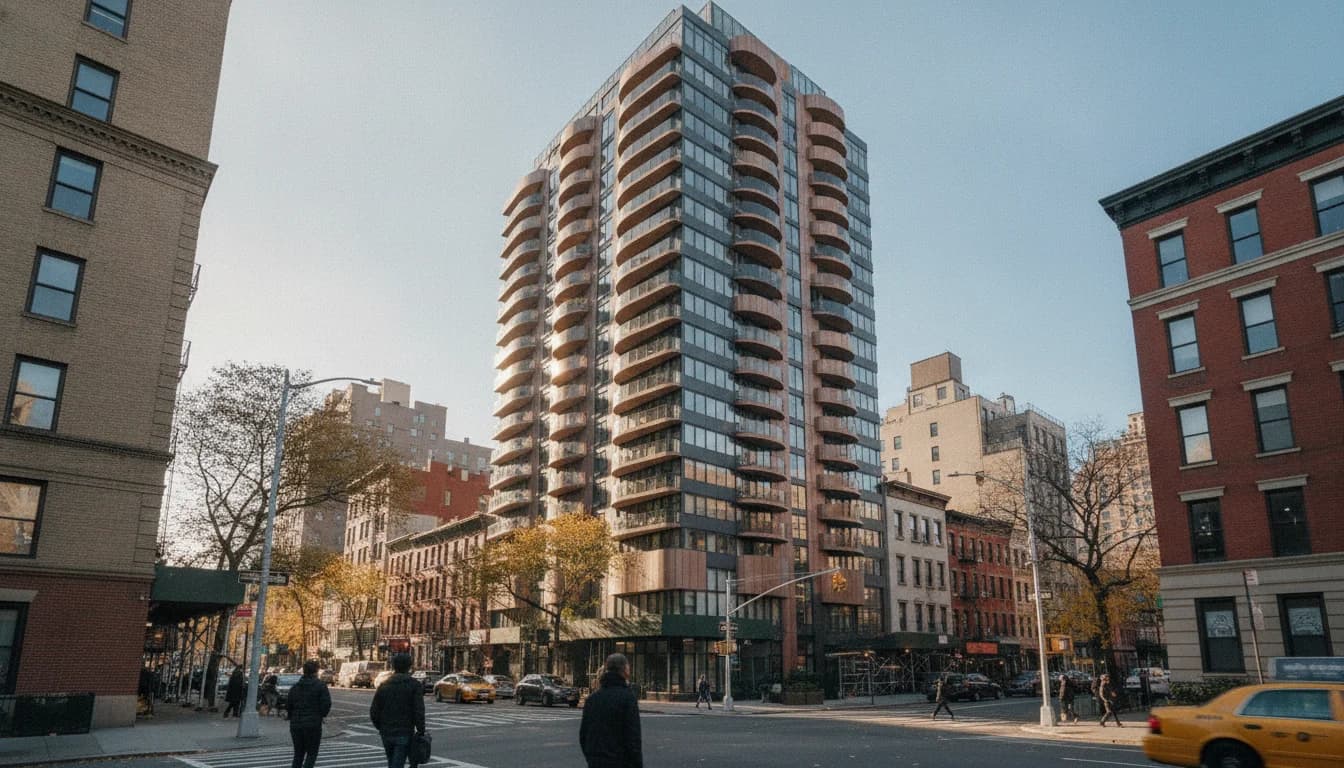
On October 9, 2026, a watershed move reshaped Kips Bay’s skyline and its sold-out condo story: Aurora Capital Associates closed on the 609 Second Avenue condo tower, taking over 55 unsold units and roughly 3,000 square feet of retail space from Horizon Group and Leser Group. The deal, first reported by trade press and subsequently confirmed by local outlets, signals a capital shift in a stalled project that had struggled to gain momentum in Manhattan’s cooling new-development market. The closing is notable not only for its sheer size—65 total units in the building—but also for what it implies about investor appetite for “new development” in upper Manhattan’s evolving micro-markets. The news also comes against a broader backdrop of rising rents in Kips Bay and a softer absorption climate for newly built condos in the city, offering a data-rich moment to assess where the market stands and where it could go next. (hoodline.com)
Beyond the headlines, the development’s trajectory offers a lens into how developers, lenders, and equity partners navigate a post-pandemic, high-interest-rate era in New York. The buyer, Aurora Capital Associates, stepped into a project long in the public eye, a tower at the corner of East 33rd Street and Second Avenue that had topped out in mid-2023 and been marketed as a 65-unit luxury condo with high-end amenities. The transaction’s completion on October 9, 2026, places Aurora among a cadre of firms reshaping where and how new residential product is delivered in Manhattan, including the blend of retail space that anchors some downtown-adjacent projects. For observers, the closing underlines a shift from development-stage risk to asset-portfolio stabilization as a strategic path in a slowing market. (hoodline.com)
Section 1: What Happened
Deal Overview and Key Participants
- The Property: 609 Second Avenue, a mid-rise, 18-story condo tower in Kips Bay with 65 units and approximately 74,528 square feet of overall built space, plus roughly 3,000 square feet of retail at the base. The unit mix ranges from studios to multi-bedroom residences, with amenities that include a 24-hour attended lobby, fitness facilities, an indoor basketball court, a lounge, and a landscaped roof terrace. These details align with how the project was presented to the market during its wind-down phase. The asset sits at the junction of Kips Bay and Murray Hill, a location that has become increasingly scrutinized for its mix of hospital access, academic institutions, and evolving residential offerings. (hoodline.com)
- The Buyers and Sellers: Aurora Capital Associates acquired the project from Horizon Group and Leser Group, selling partners who had developed the 609 Second Avenue site together after acquiring the underlying assemblage in a 2014–2015 sequence and pursuing an offering plan that combined four adjacent properties into a single 18-story tower. The closing marks a transition of the project from developer ownership to an investment-management-driven ownership model under Aurora’s umbrella. (hoodline.com)
- The Terms: The sale terms were not disclosed publicly, according to the reporting. This is a common pattern when a project transitions from development-phase ownership to a stabilized-asset ownership structure, where the emphasis shifts from construction financing and pre-sales to post-closing management, marketing, and potential unit-by-unit resales or re-pricing as absorption dynamics evolve. (hoodline.com)
Timeline and Context
- Original Plans and Construction: The project originated from four former low-rise buildings demolished in the early 2010s, with construction topping out around July 2023 and sales activities beginning in earnest in 2024. The design team included Fischer + Makooi Architects and ODA, and the building has since been marketed with a contemporary brick-and-copper aesthetic, featuring a broad mix of unit sizes and a robust amenity package. This backdrop helps readers understand the capital-intensive nature of the project and why a pivot to a different ownership model might be pursued in a market where absorption has lagged earlier expectations. (hoodline.com)
- Sale Announcement and Terms: The transaction was first reported by a trade publication, with local news outlets subsequently detailing the closing and the decision not to disclose financial terms. The sale’s public-facing narrative positions Aurora Capital Associates as the new owner in a move that expands its Manhattan footprint beyond its core retail and office holdings and into the condo development segment that has seen mixed outcomes in the current cycle. The narrative around the closing underscores the broader market theme of capital reallocation in the wake of higher financing costs and a slower pace of condo sales. (hoodline.com)
A Deeper Look at the Building and Its Market Position
- The building’s architecture and amenities have been well-documented since planning and construction days, with a distinctive curved brick ribbon facade and patinated copper-like panels designed to stand out along Second Avenue. The project’s marketing materials, and subsequent third-party write-ups, emphasize lifestyle-oriented amenities, a strong doorman service, and a family-friendly suite of indoor and outdoor spaces. The Horizon Group’s and Leser Group’s marketing narrative emphasizes the condo’s potential as a design-forward, boutique-leaning residential option in a neighborhood that has seen rent growth and unit-price volatility in recent years. This backdrop provides context for why institutional capital would be drawn to the asset. (hoodline.com)
- History of the Site: The 609 Second Avenue site has a long development arc and a documented history in industry publications. The Real Deal first reported on the underlying development plan, and subsequent coverage through CityRealty and New York YIMBY provided ongoing color about the building’s design, top-out timeline, and pre-sales trajectory that culminated in Aurora’s acquisition of the remaining unsold inventory and retail base. (therealdeal.com)
Two Primary Sources Anchoring the Move
- Horizon Group’s Property Portal Page: The Horizon Group maintains a project-specific page that lists 609 Second Avenue among its NYC properties, reflecting the project’s ongoing development narrative and the building’s branding as part of Horizon’s Manhattan portfolio. This page provides a primary-facing anchor to the asset’s ongoing marketing and project governance, which is useful for readers seeking to verify ownership and project identity in real time. https://horizongroup.squarespace.com/61-rivington-3. (horizongroup.squarespace.com)
- The Real Deal’s Early Coverage of the Project: The Real Deal’s reporting on 609 Second Avenue’s development history, including the offering plan and unit economics, serves as a key primary trade-source for understanding how the project evolved from plan to top-out. The 2023 coverage, which tracked the $105 million projected sellout and the unit mix, provides essential context for assessing the significance of Aurora’s later acquisition of the remaining unsold units. https://therealdeal.com/new-york/2023/11/28/leser-horizon-submit-105m-condo-plan-for-manhattan-condos/. (therealdeal.com)
Other corroborating context from real estate data outlets helps fill in the historical timeline and market conditions surrounding the deal. PincusCo’s records show the project’s financing history and loan activity on the site, which helps explain why the asset remained in the market through a relatively slow absorption cycle before sale. https://www.pincusco.com/property/609-2-avenue/. (pincusco.com)
Section 2: Why It Matters
Market Implications and Absorption Dynamics
- The sale comes at a moment when Manhattan’s new-development condo market has shown signs of cooling after a period of intense unit absorption, with markets in nearby subareas experiencing slower pace and higher financing costs. The Real Deal’s ongoing coverage, as reflected in industry chatter and contemporaneous reporting, highlights how investors have navigated the tension between demand for new product and the reality of higher carries and buyer caution. While the exact closing price remains undisclosed, observers will watch how Aurora plans to reposition the 609 Second Avenue asset in a market where overall new-development contracts in Manhattan slowed in the third quarter. Hoodline’s synthesis of market trends in the neighborhood—rents up, but overall deal velocity down—helps frame what a stabilized asset sale could mean for future pricing and marketing strategies in Kips Bay. (hoodline.com)
- Neighborhood Context: The Kips Bay/Murray Hill corridor has emerged as a hybrid neighborhood where hospital access and academic institutions meet evolving residential towers. The area’s rent growth, cited in market-tracking sources, has been robust in recent years, even as price points for newly built condos faced pressure from higher interest rates and a tighter mortgage environment. StreetEasy data cited in The Real Deal reporting suggests that rents in the broader area have risen meaningfully since 2016, a backdrop that both underscores the asset’s value proposition and underscores the challenges of hitting previously optimistic sales targets. This market dynamic is precisely why Aurora’s move to take control of a stalled condo project with a solid amenity package might appeal to a capital-hungry buyer looking for upside through stabilization and repositioning rather than pure development risk. (hoodline.com)
- Investor Strategy and Aurora’s Geographic Play: Aurora Capital Associates has been expanding its footprint beyond its traditional downtown retail emphasis toward mixed-use and residential projects. The company’s recent activity—including a high-profile penthouse contract at 140 Jane Street and a refinancing collaboration at 40 Tenth Avenue—reflects a broader strategy to apply capital and asset-management discipline to assets that have potential upside with the right marketing and monthly cash-flow profile. The 609 Second Avenue sale underscores this strategic tilt, with Aurora’s team leveraging its experience in complex development projects to unlock value from a stalled asset by converting unsold inventory into a stabilized, income-producing portfolio. This aligns with broader market conversations about how private equity-style real estate firms are approaching the post-growth, high-rate environment in New York City. (hoodline.com)
Economic and Financing Context
- Financing patterns for stalled condo projects in New York have evolved as lenders reassess risk and developers recalibrate absorption expectations. The project’s construction loan history—$58 million construction financing reported in 2023—reflects the capital-intensive nature of bringing a 65-unit condo to market, especially one built in a high-cost submarket like Kips Bay. The pivot to a stabilized-ownership model under Aurora suggests a preference for portfolio-level risk management, where lenders and equity partners can achieve recapture of value through unit-by-unit sales or long-term cash flows rather than continuing a traditional development cycle. This shift mirrors broader market signals observed in similar Manhattan projects where absorption slowed after the peak of the market in the mid-2020s. (hoodline.com)
- The Historical Plan Versus the Current Reality: The 609 Second Avenue project began with a robust offering plan and a high target sellout of roughly $105 million, as reported in 2023. The sale’s terms, reported to be undisclosed, reflect a common transition point in which pre-sales and construction-phase financings give way to a stabilized asset sale with a different risk/return profile. The Real Deal’s coverage from the project’s planning phase provides a critical backdrop for understanding the asset’s journey from concept to closing. This history matters for readers who want to connect the dots between the project’s early forecasts and its current status under Aurora’s ownership. (therealdeal.com)
A Note on Industry Dynamics
- The Kips Bay condo project sits at a crossroads of market dynamics that have defined Manhattan development in the past decade: strong architectural design and amenity-rich offerings can attract buyer interest, but a high-interest-rate environment and macroeconomic headwinds have constrained absorption. The 609 Second Avenue transaction illustrates how institutional capital is reconfiguring its approach—from pure development bets to mixed-risk, stabilization-oriented play that emphasizes asset value through improved marketing, potential unit-price optimization, and a more favorable cash-flow profile. In this sense, the deal’s significance extends beyond a single tower; it highlights a broader market pattern in which capital allocation decisions adapt to shifting demand curves across New York’s evolving residential landscape. (hoodline.com)
Section 3: What’s Next
Anticipated Steps and Market Signals
- Marketing and Ownership Transition: With the sale concluded, Aurora is likely to initiate a re-evaluation of the remaining inventory and retail space, examining pricing, marketing channels, and potential unit reconfigurations that could accelerate absorption in a market where new development is no longer guaranteed to sell at a brisk pace. The project’s design and amenity package provide a solid platform for renewed marketing emphasis, but the exact trajectory will depend on macroeconomic signals, mortgage rates, and neighborhood demand. The Horizon Group’s own project page—albeit oriented toward brand-building—remains a useful primary source for understanding the asset’s baseline branding and positioning as Aurora assumes control. (horizongroup.squarespace.com)
- Financing and Repositioning Scenarios: The shift from development to stabilization often brings a new set of financing options, including potential refinancings, secondary loans, or even a recapitalization with equity partners. The 609 Second Avenue project’s original construction financing and offering-plan milestones offer a historical baseline readers can compare with potential future financing scenarios. Industry observers will watch for any public disclosures about updated loan facilities or revised equity commitments tied to the asset as Aurora begins to execute its post-closing strategy. The project’s loan history and public filings—captured in industry data—provide a reference framework for these potential steps. (pincusco.com)
- Neighborhood Demand Signals: The neighborhood’s rent and price dynamics will continue to influence how the asset is marketed. As noted in neighborhood-market reporting, Kips Bay has experienced rising rents in recent years, even as new-development activity has faced a softer absorption environment. Upcoming market data releases, including StreetEasy and local brokerage reports, will be critical to understand whether the absorption tailwinds have turned favorable for 609 Second Avenue’s remaining units. (hoodline.com)
What Investors Should Watch For
- Absorption Rates and Price Per Square Foot: The project’s remaining inventory, coupled with retail space, will be a focal point. Analysts will track the pace at which the 55 unsold units move, the price-per-square-foot achieved in subsequent closings or resales, and how retail leasing negotiations unfold in a market where retail demand remains uneven. The building’s top-end design and location near NYU Langone and other institutions are favorable, but market timing and financing conditions will largely determine the pace of future closings. Industry data from CityRealty and StreetEasy provide baseline context for evaluating these dynamics. (cityrealty.com)
- Competitive Landscape: The Kips Bay/Murray Hill submarket has several high-profile developments and a spectrum of pricing bands. Observers will compare 609 Second Avenue’s post-closing performance with other recent condo launches and stabilized assets in the area to gauge whether Aurora’s stabilization strategy creates a competitive advantage through enhanced marketing, pricing discipline, or strategic unit mix adjustments. Market-trend reports from Real Estate and Development outlets, including The Real Deal and CityRealty, offer a roadmap for evaluating how 609 Second Avenue stacks up against peers. (hoodline.com)
Closing: What This Means for the Market and for Readers
- The Aurora Capital acquisition of the Kips Bay condo tower at 609 Second Avenue reflects a broader shift in Manhattan’s residential capital allocation, moving from construction-heavy bets to stabilized assets with improved post-closing oversight. The deal highlights how private equity–like capital providers are recalibrating risk in a high-cost city where financing conditions and buyer sentiment can swing quickly. For readers of Manhattan Monday, the closing underscores the importance of monitoring not only new development announcements but also the evolution of existing towers through ownership transitions, marketing strategies, and ongoing absorption trends.
- For those tracking technology and market trends, the deal offers a concrete data point in a neighborhood where market dynamics intersect with a broader trend toward consolidation within the condo sector. The combination of a high-profile asset, a marquee location, and a sophisticated ownership group points to a temporary pivot in a challenging cycle, one that market participants will analyze for implications beyond this single tower.
As the market absorbs this latest development, readers should stay tuned to primary-source updates from Aurora Capital Associates, Horizon Group, and Leser Group as they release new information on post-closing strategies and potential unit-by-unit updates. The horizon for 609 Second Avenue will depend on how marketing, pricing, and financing converge in the months ahead, and readers will likely see continued industry commentary from The Real Deal and related outlets as absorption dynamics unfold. For ongoing coverage, the asset’s official Horizon property page provides a portal into the building’s identity as it moves through a new ownership phase, while trade reporting will continue to chart absorption and pricing in Manhattan’s evolving condo landscape. (horizongroup.squarespace.com)