Aperture New Permanent Home Opens on Upper West Side
Aperture's new permanent location opens on the Upper West Side, enhancing public photography programs and broadening community access.
 By
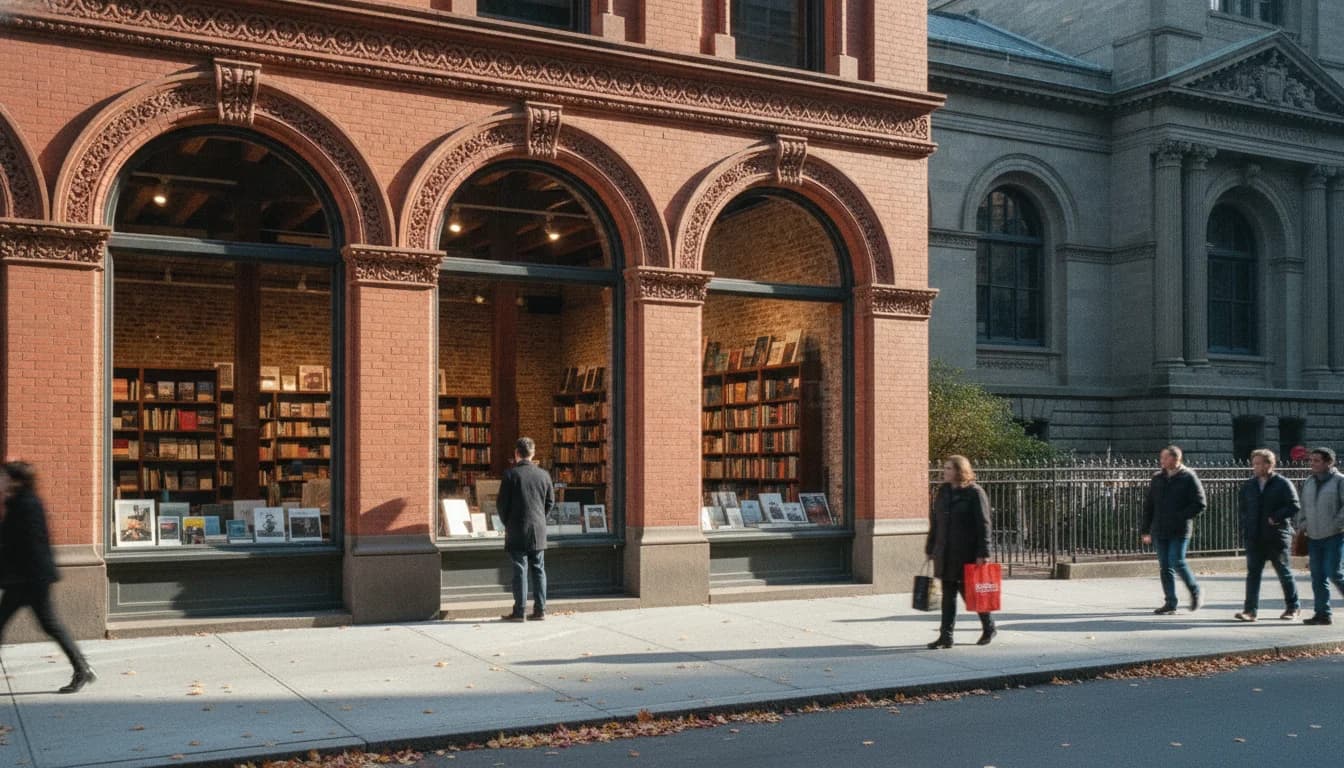
On September 18, 2026, Aperture opened its permanent home at 380 Columbus Avenue on New York City’s Upper West Side, a milestone the nonprofit described in its official communications as the culmination of years of planning and fundraising. The move to a two-floor, 10,000-square-foot space directly opposite the American Museum of Natural History marks more than a relocation; it signals a shift in how Aperture engages with local residents, visitors, and the wider photography community. The event leans into a broader trend of cultural institutions reorienting toward ground-floor visibility and public programming, a pattern documented by multiple industry observers as part of this year’s arts infrastructure cycle. For readers following technology and market trends, the Aperture relocation also reflects a non-profit model’s emphasis on openness, community access, and cross-institution collaboration in a high-traffic urban context. The official news and background material comes from Aperture’s own announcements and coverage by independent outlets that have followed the project since its inception. (aperture.org)
On the record, Aperture’s leadership frames the Upper West Side space as a community-facing hub that blends publishing, exhibitions, talks, and a public bookstore. The project aligns with Aperture’s long-running mission to foster photography as a democratic medium, while providing a more integrated venue for civic engagement and dialogue around visual culture. As part of the launch, Aperture published a formal program outline detailing the planned galleries, bookstore, and public programming, and it highlighted a deliberate approach to making the space welcoming to a broad audience, including students, scholars, and casual visitors. This opening comes after a multi-year capital campaign and site selection process that culminated in a move from Chelsea to the Upper West Side. (aperture.org)
What Happened
Announcement and Program Details
Aperture announced its program for the new permanent home on September 18, 2026, setting the stage for a year of exhibitions, talks, and public programs housed in a ground-floor gallery and bookstore. The press release emphasized that the new space would serve as a campus for collaboration and convening, with a transparent layout designed to offer visitors direct views into work areas and production spaces. The press materials also noted that the new home would be open to the public at scheduled hours, reinforcing Aperture’s commitment to accessibility and education. The building’s placement—across from the American Museum of Natural History and near Central Park—was highlighted as a strategic choice to maximize visibility and foot traffic while situating Aperture at a cultural crossroad of Upper West Side life. (aperture.org)
Location, Architecture, and Public Access
Aperture’s new home is located at 380 Columbus Avenue and West 78th Street, spanning two floors in a historic 1880s building. The ground floor hosts a public bookstore and gallery, with staff-operated spaces visible to visitors, supporting Aperture’s aim of transparency and community visibility. The second floor houses offices and production areas, all configured to support a robust schedule of exhibitions, talks, and publishing activity. The site choice places Aperture adjacent to major cultural anchors while giving it a street-level presence that it previously lacked in its Chelsea location. The space was designed to be a welcoming portal into Aperture’s publishing program, offering a direct line of sight into editorial and print production for those who walk in off Columbus Avenue. (aperture.org)
Opening Day and Public Programming
The ribbon-cutting and official opening occurred on the morning of September 18, 2026, with surrounding events that emphasized the venue’s public-facing mission. Aperture’s leadership described the opening as a watershed moment for the nonprofit, one that will enable broader engagement with photographers, curators, students, and local residents. The opening was positioned as the start of a programmatic era that blends exhibitions with the organization’s long-standing publishing activities, including books, journals, and limited-edition prints. In the months since opening, Aperture has detailed a schedule of exhibitions and programs designed to welcome diverse audiences while foregrounding the history and future of photography as a democratic medium. (aperture.org)
Hours, Access, and Visitor Experience
Aperture’s program for the new permanent home specifies public hours designed to accommodate a broad audience: Wednesday through Saturday from 11 am to 6 pm, and Sunday from 12 pm to 5 pm, with Monday and Tuesday currently closed to the public. These hours are part of Aperture’s effort to balance accessibility with the operational needs of a publishing and exhibition program that includes production work behind the scenes. The 40 hours-per-week public access figure is derived from the published hours: five days (Wednesday through Sunday) of access totaling 40 hours per week. This calculation uses the official schedule outlined in Aperture’s program materials and is intended to provide readers with a practical sense of when the space will be open for self-guided visits and public interaction. (aperture.org)
“It’s a really different relationship with our audience than before,” said Sarah Meister, Aperture’s executive director, describing how the street-level presence on Columbus Avenue will reshape community engagement and visibility for Aperture’s programs. The observation captures a central theme of the move: the potential for closer, more frequent dialogue with visitors in a space designed for experiential access. (theartnewspaper.com)
Financial and Strategic Context
Aperture’s capital campaign, announced prior to the physical move, set the stage for the expansion and modernization of its home base. The organization outlined a multi-year fundraising effort targeting a substantial capital goal to support the new building, construction, and programming, reflecting a broader trend among mid-sized cultural nonprofits to secure durable, mission-aligned facilities as anchors for ongoing activity. The campaign’s progress and milestones—coupled with the new space—signal a strategic pivot toward sustainability and audience development in a competitive cultural market. (aperture.org)
What the Announcement Means for the Organization
The relocation consolidates Aperture’s publishing, exhibitions, and public-facing activities into a single, accessible venue, reducing fragmentation that historically accompanied Chelsea-era operations. In commentary published by independent outlets, the move has been framed as part of Aperture’s evolution from a traditional Chelsea presence to a more outward-facing, civic-anchored institution on Manhattan’s Upper West Side. Coverage attributes significance to the site’s proximity to major cultural anchors and to its potential to attract a broader cross-section of visitors, students, and photography professionals. (theartnewspaper.com)
Why It Matters
Civic and Cultural Reach on the Upper West Side
The new Aperture home situates the organization in a densely trafficked, culturally vibrant corridor of Manhattan. Analysts and arts observers point to the Upper West Side as a historically rich, museum-adjacent neighborhood whose residents and visitors frequently engage with large-scale exhibitions and scholarly programs. The site’s adjacency to the American Museum of Natural History and institutions like the New York Historical Society creates a shared ecosystem for audiences, scholars, and casual readers to encounter photography not only as art but as part of an ongoing public conversation about history, science, and representation. This geographic placement aligns with broader expectations for museums and publishing houses to serve as accessible gateways to cultural discourse, a pattern visible in comparable institutions that emphasize public programming and educational outreach. (theartnewspaper.com)
Public Access as a Core Measure of Impact
Aperture’s decision to place a public bookstore and gallery at street level embodies a trend toward reducing barriers to access for visual culture. The combination of a bookstore, gallery, and production spaces within a single address creates a turnkey experience for visitors who want to explore Aperture’s publishing program, purchase titles, or attend talks and exhibitions in a walk-in format. The public-hours schedule—40 hours per week—provides a concrete, measurable access metric that journalists and analysts can track over time as a rough indicator of community engagement. The approach mirrors shifts across the nonprofit sector toward hybrid spaces that blend commercial-style foot traffic with mission-driven programming. (aperture.org)
Strategic Implications for Publishing and Exhibitions
By co-locating publishing operations with public-facing spaces, Aperture embeds its editorial and production processes more directly within the audience’s reach. This arrangement may influence audience perception of the publishing process, offering a rare glimpse into how books, prints, and exhibitions are conceived, funded, and produced. Independent coverage notes that the new arrangement positions Aperture to leverage public programs to broaden the reach of its titles and exhibitions, potentially increasing both educational impact and revenue opportunities—though the nonprofit model remains inherently reliant on philanthropy, grants, and program fees. The move is contextualized within a wider market where cultural nonprofits are recalibrating their physical footprints to maximize impact while maintaining fiscal resilience. (theartnewspaper.com)
Community and Editorial Synergy
Aperture’s editorial and programmatic leadership have long anchored the organization in a mission to democratize photography. The Upper West Side home amplifies that mission by placing editorial work and public-facing programming within walking distance of readers, students, and researchers. The strategic alignment between publishing output and public access can foster stronger ties with local schools, libraries, and universities, while also inviting tourists to engage with Aperture’s legacy and ongoing projects. Industry observers note that such synergies can catalyze cross-disciplinary collaborations, boost attendance at talks and book-signings, and expand the organization’s role in shaping the discourse around contemporary photography as both an art form and a cultural artifact. (theartnewspaper.com)
What’s Next
Upcoming Programs and Exhibitions
Following the September 2026 opening, Aperture has outlined a calendar of exhibitions, book launches, artist talks, and educational programs designed to animate the new space throughout the year. The programming is designed to reflect Aperture’s publishing catalog and to foreground exhibitions that explore the evolving role of photography in public life. Observers watching the program cadence expect a mix of retrospective surveys, contemporary monographs, and thematic exhibitions that invite cross-disciplinary dialogue, paralleling Aperture’s historical emphasis on high-quality publishing and curated exhibitions. The public bookstore will offer a selection of Aperture titles alongside curated reading materials, making the venue a hub for both fans and newcomers to the field. (aperture.org)
Long-Term Milestones and Funding Trajectories
The capital campaign that supported the move remains a central backbone of Aperture’s long-term strategy. Although fundraising dynamics naturally evolve, ongoing donor engagement and programmatic fundraising will be critical to sustaining the new space’s operations, maintenance, and program expansion. Industry watchers will monitor annual reports, donor milestones, and grant activity to gauge the financial health and growth trajectory of Aperture’s permanent home. The synergy between fundraising, programming, and public engagement will likely shape the organization’s strategic communications and audience development efforts in the coming years. (aperture.org)
Community Partnerships and Collaborations
The Upper West Side site’s proximity to other cultural and educational institutions creates opportunities for partnerships that extend beyond Aperture’s walls. Collaborations with nearby museums, universities, and community groups could yield co-presented exhibitions, joint talks, and cross-promotional campaigns that deepen the public’s access to photography as a discipline and a medium of social reflection. Observers expect these partnerships to help Aperture diversify its audience while broadening the range of voices represented in its programs. The broader industry coverage emphasizes the potential for a more expansive, collaborative model of cultural publishing and exhibition. (theartnewspaper.com)
What Audience Should Watch For
Readers should watch for the unveiling of featured exhibitions and program series, including inaugural shows and artist talks that accompany the opening chapters of Aperture’s new permanent home. The organization has positioned the venue as a hub for community programming, with launch events and ongoing activities designed to highlight the connections between publishing, photography, and public discourse. Updates to hours, special events, and annual calendars are expected to appear on Aperture’s site and through its official announcements as the season progresses. For practitioners, students, and photographers, the new space offers a concrete venue to engage with Aperture’s publishing ecosystem in a way that previously required travel to Chelsea or access through digital channels. (aperture.org)
Closing
The move to a permanent home on the Upper West Side represents a pivotal moment for Aperture, a long-standing voice in photography publishing and programming. By combining a public bookstore, a gallery, and editorial production in a single, street-facing space, Aperture is intensifying its public-facing role and inviting a broader audience to participate in the story of photography as a cultural and historical force. The physical space is expected to influence how readers experience Aperture’s books and journals, how visitors encounter its exhibitions, and how the organization positions itself within a rapidly changing nonprofit and cultural-education landscape. For observers, the enduring question will be how effectively the new venue translates public engagement into sustained support for Aperture’s mission and programming over the next several years. As the newsroom covering technology and market trends, Manhattan Monday will track program developments, attendance patterns, and funding milestones to measure the impact of Aperture’s permanent home on the city’s cultural ecosystem and on the broader field of photography publishing. (aperture.org)
In the weeks ahead, readers who want to experience the new space in person can visit during public hours and explore Aperture’s diverse catalog, exhibitions, and talks. The opening marks not only a relocation but a redefinition of how a nonprofit publishing house can function as a civic cultural venue—a model that other organizations might study as they chart their own futures in a post-pandemic, revenue-conscious arts environment. For ongoing updates and program specifics, follow Aperture’s official channels and trusted arts outlets that have reported on the move and its implications for public access, scholarship, and the evolving business of photography publishing. (aperture.org)