MoMath Chelsea Opening at 635 Sixth Ave
MoMath Chelsea Opening expands interactive and hands-on math experiences with a larger, more dynamic venue located at 635 Sixth Ave in Chelsea.
 By
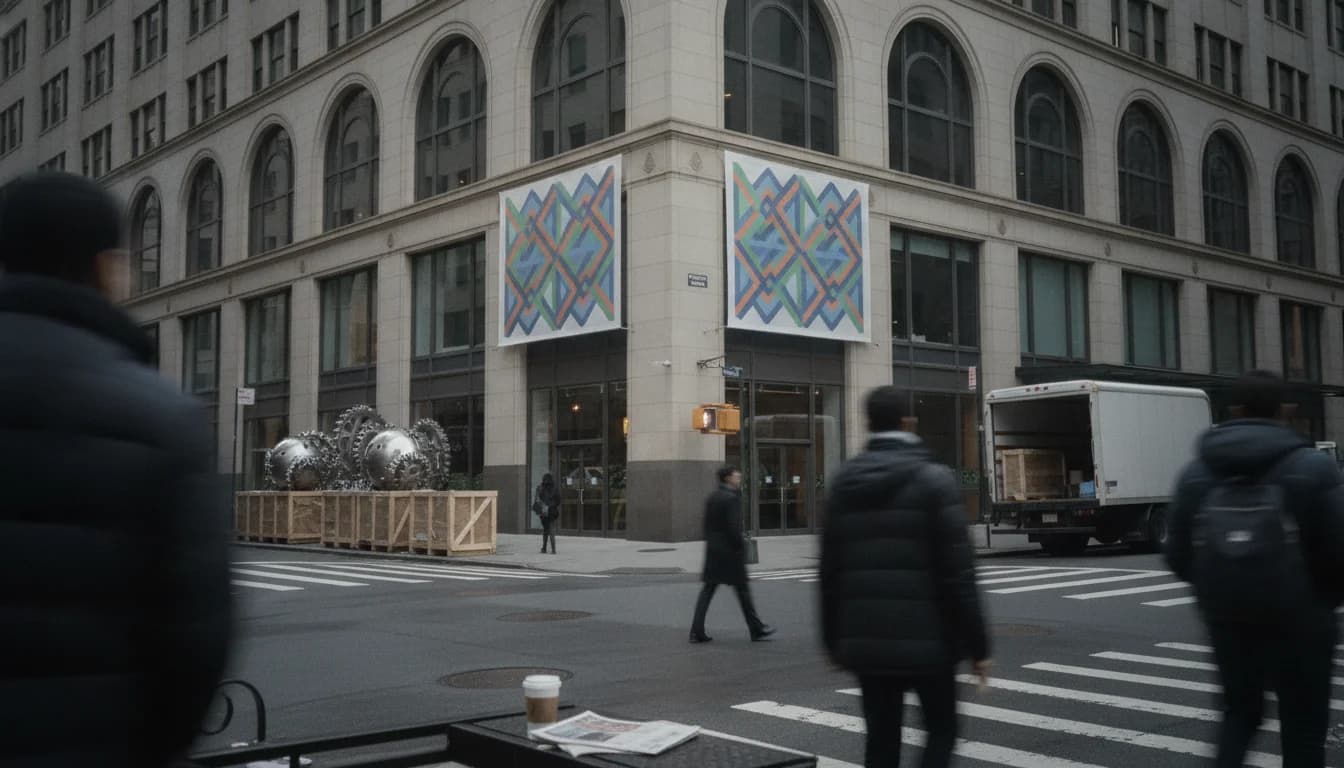
The National Museum of Mathematics, MoMath, confirmed a major milestone for its expansion project with a Chelsea opening that drew attention from educators, engineers, and patrons of New York’s growing science-and-cocultural scene. On February 27, 2026, MoMath unveiled its new permanent home at 635 Sixth Avenue in Manhattan’s Chelsea neighborhood, doubling the museum’s footprint and inviting visitors to explore a broader array of interactive math exhibits. The announcement came just days after the formal February 26 press release detailing the move and the layout, marking a watershed moment in MoMath’s decade-long growth as a flagship math institution in North America. The new Chelsea site now serves as the museum’s permanent home, following MoMath’s earlier temporary presence at 225 Fifth Avenue during the interim period. The event is part of a broader, data-driven strategy to expand access to mathematics education in dense urban environments. (momath.org)
MoMath’s Chelsea Opening represents more than a new address; it is a publicly funded, capital-campaign-backed expansion designed to accommodate a more expansive, hands-on experience for visitors of all ages. The opening space at 635 Sixth Avenue spans approximately 46,000 square feet across two stories, a significant jump from the museum’s prior footprint. The expansion is supported by a $60 million capital campaign and features a dedicated space for early learners, multiple classrooms, and flexible event spaces to host school groups, community programs, and public programming. The details were outlined in the Feb. 26, 2026 press release and reiterated in MoMath’s accompanying materials, underscoring the institution’s ambition to transform the Chelsea corridor into a national destination for math education and engagement. (momath.org)
Opening day highlighted the institution’s intent to scale up its mission in a city that increasingly values data-driven learning experiences. The new Chelsea location, designed by Perkins Eastman and positioned on the northwest corner of 19th Street and Sixth Avenue, is described as a two-story facility with large storefront windows and an emphasis on accessible, inclusive programming. MoMath’s leadership framed the move as a strategic response to demand for interactive math experiences, with executives signaling a long-term commitment to make math approachable and exciting for a broad audience. The press materials emphasize that this expansion is not only about more space but about more opportunities for learners across demographics to engage with mathematics in hands-on, collaborative settings. > “Mathematics is everywhere — it fuels innovation, shapes our world, and sparks curiosity at every age,” said Cindy Lawrence, MoMath’s Executive Director and CEO. “Since opening our doors in 2012, MoMath has connected with more than 1.4 million people through our mission to share the beauty and excitement of math.” (momath.org)
What this move signals in a broader context is a shift in how urban cultural institutions scale up to meet demand for science, technology, engineering, and mathematics (STEM) experiences. The Chelsea opening follows MoMath’s earlier evolution from a temporary “MoMath on Fifth” pop-up, which occupied space at 225 Fifth Avenue during the interim phase of the museum’s expansion. The shift to a permanent Chelsea home illustrates a broader trend of museums leveraging larger, multi-story spaces in top-tier neighborhoods to accommodate more interactive installations, while maintaining a highly accessible schedule. For readers tracking the evolution of MoMath, the February 2026 Chelsea opening confirms a clear inflection point: a move from a limited footprint to a sizable, long-term home that can host dozens of new and expanded exhibits and programs. The historical arc—from the December 2012 grand opening to the 2026 Chelsea relocation—frames the event within MoMath’s ongoing growth story. (momath.org)
Anchor to a dated event and a clear source: In addition to MoMath’s February 26, 2026 release confirming the Chelsea move, MoMath’s historical records recap the original December 15, 2012 grand opening—a milestone that now contextualizes the 2026 expansion as a deliberate, long-tenured growth strategy. The contemporary Chelsea opening thus sits alongside the museum’s established track record of public exhibitions and education programs, underscoring the institution’s intent to remain a leading destination for math education in New York City. For readers and researchers seeking primary sources, the February 26, 2026 press release and the museum’s own historical opening materials provide verifiable documentation of both the new site and its origins. (momath.org)
Opening sentiment aside, MoMath’s Chelsea Opening is also a practical milestone for programming and community engagement. The new facility is designed to host dozens of interactive experiences—more than 70 exhibits at launch—and to host a broader slate of classrooms, events, and community programs aligned with MoMath’s mission to make mathematics accessible and engaging. The press materials note that the Chelsea space is suitable for a wide range of programs, from early childhood activities to large-scale public programs and school outreach. The combination of expanded space and a diversified program mix is aimed at attracting a broader cross-section of visitors, from families to educators to math enthusiasts. The expansion thus has implications for partner institutions, schools, and cultural organizations in New York and beyond, who may seek collaboration opportunities to leverage MoMath’s expanded capabilities. (momath.org)
Liftable finding: MoMath opened a Chelsea location of about 46,000 square feet at 635 Sixth Avenue on February 27, 2026, marking a footprint more than twice the size of its original site and signaling a durable, long-term investment in math education in New York City. This figure comes from MoMath’s official February 26, 2026 press release, which specifies the new space and its footprint, and is corroborated by the museum’s documentation that traces its growth from the 2012 opening. In other words, MoMath’s Chelsea Opening represents not only a relocation but a deliberate scale-up that reshapes the city’s math-learning landscape. (MoMath press release, Feb. 26, 2026; MoMath grand opening, Dec. 15, 2012). (momath.org)
Section 1: What Happened
Location and Opening Date
- The National Museum of Mathematics, MoMath, announced a new permanent home in Chelsea at 635 Sixth Avenue, Manhattan, with doors opening on Friday, February 27, 2026. The official announcement specifies the address and opening date, underscoring the move from MoMath’s prior temporary space to a dedicated, permanent Chelsea venue. This landmark was confirmed in the MoMath press materials released on February 26, 2026. (momath.org)
- The move and opening date were framed as a major growth milestone for MoMath, with the organization positioning the Chelsea location as a long-term home designed to accommodate a broader audience and larger-scale exhibits. The same press materials highlight that the new venue will showcase more than 70 exhibits, illustrating the breadth of content available to visitors from day one. (momath.org)
Space, Size, and Exhibit Expansion
- The Chelsea location is described as a two-story structure covering approximately 46,000 square feet, placing MoMath in a space that is more than double the size of its prior home. The footprint size is a core element of the museum’s expansion narrative, supporting a wider range of exhibits and programs. (momath.org)
- At launch, MoMath anticipated featuring more than 70 exhibits, including new displays and popular favorites, designed to showcase mathematics’ beauty and its everyday relevance. This emphasis on scale and variety aligns with MoMath’s mission to engage visitors through hands-on exploration of mathematical ideas. (momath.org)
Leadership, Vision, and Early Reactions
- The press materials include statements from MoMath’s leadership about the significance of the Chelsea expansion and its role in expanding access to mathematics education. John Overdeck, Board Chair, and Cindy Lawrence, MoMath’s Executive Director and CEO, are quoted on the strategic importance of the move and the museum’s continued growth. These quotes frame the Chelsea Opening as part of MoMath’s broader mission to reach a diverse audience with immersive math experiences. (momath.org)
- The release also notes that Dr. Manjul Bhargava, Fields Medalist, was named President of MoMath in conjunction with the new facility, signaling the organization’s commitment to leadership that can guide large-scale educational initiatives. The timing and nature of this leadership appointment are tied to the expansion narrative. (momath.org)
Timeline and Construction Details
- MoMath’s Chelsea project was designed by Perkins Eastman, with the press materials noting the two-story configuration and the street-level frontage that showcases the museum’s activities. The architectural collaboration emphasizes a public-facing display of math in action, consistent with MoMath’s hands-on approach to learning. (momath.org)
Contextual Background: MoMath’s Evolution
- MoMath’s expansion build-out follows the organization’s earlier period in which it operated a temporary space, colloquially referred to as “MoMath on Fifth,” before moving into a permanent Chelsea facility. Documentation from MoMath, including materials about the temporary pop-up, reflects the path from a limited footprint to a larger, more expansive venue. This historical arc helps readers understand how the 2026 Chelsea Opening fits into MoMath’s 2012 founding and subsequent growth. (momath.org)
Section 2: Why It Matters
Expanding the Math Education Footprint in a Dense Urban Core
- The Chelsea Opening is a notable case study in how a mathematics museum scales to meet urban demand. With a 46,000-square-foot footprint and a plan to host more than 70 exhibits, MoMath is positioning itself as a major anchor for STEM education in Manhattan’s Chelsea district. This expansion aligns with broader urban economics trends that favor larger, experience-rich cultural destinations in well-connected neighborhoods. The massing of space and programmatic depth suggest MoMath aims to attract school groups, families, tourists, and lifelong learners, creating a diversified audience base that can sustain a year-round schedule of events. (momath.org)
- MoMath’s leadership emphasizes a mission-centered approach to education, underscoring the importance of making math accessible and exciting in a city with a high concentration of education institutions, technology firms, and research centers. The public statements highlight mathematics’ role in innovation and critical thinking—an angle that resonates with audiences beyond traditional museum-goers and aligns with current emphasis on data literacy in K-12 and higher education. The release’s language about math’s relevance to AI and technology signals MoMath’s intent to stay timely and policy-relevant in a rapidly evolving tech landscape. (momath.org)
Local Economic and Cultural Impacts
- The Chelsea move places MoMath within a neighborhood that already emphasizes arts, design, and science-focused experiences. By establishing a permanent home in Chelsea, MoMath contributes to the area’s appeal as a multi-faceted cultural district, potentially driving related foot traffic, partnerships with nearby institutions, and cross-institution programming. While the primary materials focus on the museum’s internal program expansion, the implications for local educators, families, and visitors are consistent with urban cultural strategy: bigger venues in high-visibility districts tend to catalyze longer visitor stays and morefamily-oriented programming. (momath.org)
- MoMath’s public-facing growth can also influence how other science and tech institutions plan future location strategies, as urban museums increasingly pursue larger, multi-use spaces to accommodate dynamic, interactive exhibits. The Chelsea site’s mix of classrooms, events spaces, and public programs underscores a model for future expansions that prioritize flexible space and broad accessibility. This is particularly relevant for city planners and museum operators who are watching how high-visibility STEM institutions scale in major urban markets. (momath.org)
MoMath’s Trajectory Within the National and Global Context
- MoMath’s expansion into Chelsea is part of a broader, data-informed trend toward expanding hands-on math education in major metropolitan areas. The move mirrors a global pattern where math-focused institutions seek larger venues to house extensive exhibit rosters, host school groups, and offer community programming, with a focus on accessibility and inclusivity. MoMath’s leadership frames the Chelsea Opening as a catalyst for ongoing growth and public engagement, reinforcing the museum’s status as a national leader in math education and outreach. The formal announcement situates this milestone within MoMath’s more than a decade-long track record, including a recognized history of public exhibits and educational initiatives since the 2012 opening. (momath.org)
Acknowledging MoMath’s Founding Moment and Ongoing Relevance
- The Chelsea Opening is anchored in MoMath’s established history of public programming and visitor engagement. Since its December 2012 opening, MoMath has logged millions of visits and has produced a range of exhibits and programs that reach diverse audiences. The February 2026 release notes that the museum has connected with more than 1.4 million people since 2012, providing a quantitative anchor for the institution’s impact. This context helps readers assess the significance of the Chelsea move not just as a real estate decision, but as a strategic expansion of an established educational brand. (momath.org)
Section 3: What’s Next
After the Chelsea Opening: Immediate Milestones and Programs
- Following the opening, MoMath is expected to run a broad slate of programs designed to leverage the new space’s capabilities. The release notes the availability of a large portfolio of exhibits, a dedicated space for early learners, six classrooms, and flexible spaces for events and school groups. The presence of multiple classrooms indicates a continued emphasis on structured curricula and teacher-led field experiences, alongside drop-in public programming. The Chelsea site’s arrangement is meant to support MoMath’s long-term programming strategy and enable broader attendance and participation. (momath.org)
- In the near term, MoMath will likely roll out new special programming tied to the Chelsea venue’s capabilities and audience mix, including family programming, school outreach, and visitor-oriented experiences that showcase mathematics as a living discipline. The museum’s leadership has framed the transformation as a platform to amplify math education’s reach, and the Chelsea site’s design supports an ongoing cadence of exhibitions and programming aligned with that mission. Readers should expect announcements about upcoming exhibitions, partnerships, and events as MoMath capitalizes on the expanded footprint. (momath.org)
Longer-Term Outlook: Programmatic and Audience Growth
- The expanded facility creates opportunities for MoMath to broaden its reach beyond the New York City core audience. With the Chelsea location, MoMath can host larger-scale events, host more school groups simultaneously, and offer more robust professional development opportunities for teachers, all aligned with the museum’s mission to “share the beauty and excitement of math.” The press release’s emphasis on the new facility’s capacity and features suggests a long-term plan to deepen MoMath’s impact regionally and nationally, leveraging Chelsea as a central hub for math education in an urban setting. (momath.org)
What to Watch For: Next Steps and Public Engagement
- Over time, observers should look for MoMath to publish performance metrics that reflect attendance, program participation, and the breadth of partnerships associated with the Chelsea site. Given the 2026 opening’s scale—tied to a $60 million capital campaign and a prominent leadership appointment—stakeholders will be watching for evidence of sustained audience growth, program diversification, and continued donor engagement that supports the museum’s long-term development. The February 2026 press package provides a strong baseline for those metrics, and MoMath’s ongoing updates will be essential for understanding trajectory. (momath.org)
Closing
MoMath’s Chelsea Opening marks a clear inflection point for a museum that built its reputation on interactive math experiences and expansive public programming. With a footprint of roughly 46,000 square feet and a plan to feature more than 70 exhibits at launch, the Chelsea site sets the stage for a new era of math education in New York City and beyond. The move expands the museum’s capacity to educate, inspire, and engage a diverse audience while reinforcing MoMath’s role as a national leader in hands-on mathematics learning.
Readers who want to stay updated can follow MoMath’s official channels and visit the Chelsea site for the latest on exhibitions, programs, and admissions. The museum’s leadership has framed this expansion as part of a broader commitment to making math accessible, enjoyable, and relevant to today’s learners, a mission that remains central to MoMath’s identity as a public-facing, data-driven institution.
For those tracking the evolution of MoMath, the Chelsea Opening adds a new chapter to a decade-long journey—from the December 2012 grand opening to today’s Chelsea expansion—demonstrating how a single institution can grow from a pioneering idea into a lasting educational and cultural anchor. MoMath’s progress will be a focal point for educators, policymakers, and observers of the city’s science and culture ecosystem in the coming years. (momath.org)