Manhattan Cultural-tech Cross-pollination 2026

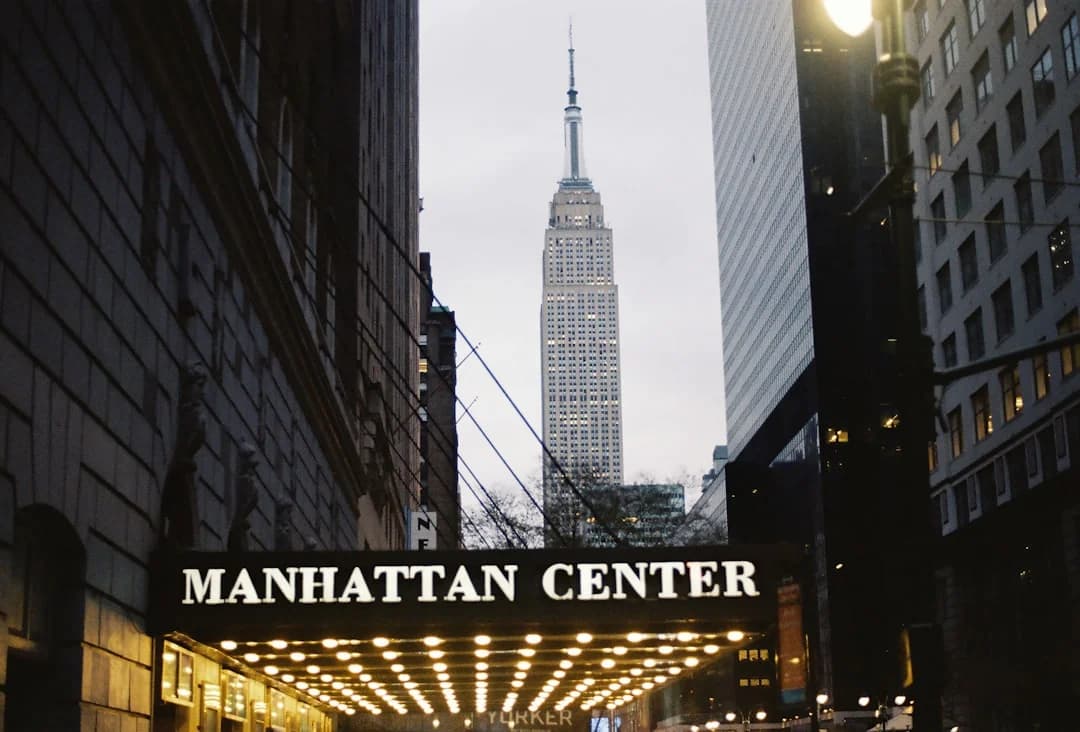
Photo by Pedro Farto on Unsplash
Manhattan Monday is reporting a watershed moment for the city as Manhattan cultural-tech cross-pollination 2026 takes shape. NYC agencies, cultural institutions, and private partners are rolling out a coordinated slate of immersive experiences, AI-enabled art, and hybrid venues designed to fuse culture and technology in new, scalable ways. This signals not just a shift in how art is produced and consumed, but a broader rethinking of urban innovation where data-informed programming and equity considerations sit at the center. The initiative is unfolding across the five boroughs, with January 2026 calendar events and a comprehensive ecosystem-building strategy that aims to widen participation, accelerate innovation, and position New York City as a global hub for technology-enabled culture. The momentum behind Manhattan cultural-tech cross-pollination 2026 matters because it could reshape how audiences access culture, how artists collaborate with technologists, and how investors and policymakers evaluate the city’s long-run vitality.
In January 2026, the city rolled out a dense calendar of performances, conferences, and showcases designed to spotlight both creativity and the evolving technology that underpins it. Major events are organized through JanArtsNYC 2026, APAP|NYC, and related public-private partnerships, signaling a coordinated approach to align artistic activity with policy, research, and market opportunities. The opening night of a citywide slate is anchored by a pair of flagship programs—the Out-Front Festival and the APAP|NYC Conference—before the month unfolds into a broader constellation of collaborations aimed at expanding access, deepening audience engagement, and attracting global attention. This is the kind of cross-sector alignment that observers note could catalyze durable benefits for artists, venues, startups, and residents alike. The broader context includes public initiatives and private-sector pilots that illustrate how city-led leadership, philanthropic support, and corporate partnerships can converge to accelerate a data-driven, inclusive arts economy. For readers tracking technology adoption, cultural economy, and urban storytelling, 2026 offers a revealing snapshot of how public programming and private capital can work together to broaden opportunities and test scalable models in the arts and technology space. The collaboration efforts also reflect governance and digital-trust considerations that are increasingly central to city-scale experiments with AI-enabled art, immersive media, and cross-institution collaboration. This opening sets the frame for a deeper examination of what happened, why it matters, and what comes next for Manhattan’s cultural and technology ecosystems. (manhattanmonday.com)
What Happened
JanArtsNYC 2026: A citywide convergence of performance, policy, and tech
In November 2025, the Mayor’s Office of Media and Entertainment (MOME) announced JanArtsNYC 2026, a calendar designed to place January at the heart of New York’s performing arts ecosystem. The opening-night Out-Front Festival runs January 3–11, and the APAP|NYC Conference follows January 9–13. The calendar links high-profile performances with policy and technology discussions, aiming to broaden access, drive audience engagement, and attract global attention to New York’s cultural infrastructure. This citywide slate is a keystone in the broader arts-tech strategy that observers describe as foundational for a future precinct-driven approach to culture and technology in New York. The calendar’s structure reflects an intentional integration of artistic and tech-forward activity with policy and governance considerations, signaling that 2026 will be a pivotal year for cross-sector collaboration across venues, partners, and communities. (manhattanmonday.com)
NYCEDC’s 2026 Founder Fellowship: A multi-partner accelerator for inclusive tech and culture startups
In November 2025, the NYC Economic Development Corporation (NYCEDC) announced a major expansion of its Founder Fellowship program for 2026. The plan features four operators delivering four concurrent cohorts of 15 startups each, totaling 60 funded ventures. The program has historically supported hundreds of founders across a broad mix of tech-enabled sectors and is positioned to deliver differentiated value, pairing startups with sector-specific mentorship, capital access, and business development support. Applications opened on December 31, 2025, with selections anticipated in February 2026 and a March 2026 start. The Founder Fellowship is presented as a core element of New York City’s strategy to build a more inclusive and globally competitive tech economy, incorporating climate, healthcare, AI, and other sectors into its growth narrative. The Alumni track is designed to sustain growth for graduates beyond the accelerator’s initial phase, connecting them with ongoing opportunities across the five boroughs. (manhattanmonday.com)
Imagine If…: Google's AI-driven public art experiment across NYC transit screens
In November 2025, Google DeepMind and OUTFRONT launched Imagine If…, a city-scale public art initiative that invites residents to contribute ideas for New York City’s future through AI-assisted visualizations. The project uses Google's Veo model to translate community submissions into moving artworks displayed via OUTFRONT screens and a dedicated Gemini app. Five borough-based artists curate local submissions and shape them into city-wide visuals, with a grand finale in Times Square in December 2025. The project demonstrates how a major tech platform can partner with city agencies, artists, and transit authorities to produce scalable, data-informed public art experiences. The Imagine If… initiative highlights the governance and digital-trust questions that accompany AI-enabled art in public spaces, reinforcing the idea that technology can empower creative expression while requiring careful policy design and stakeholder engagement. (manhattanmonday.com)
APAP|NYC 2026: A defining moment for arts policy, markets, and technology
APAP|NYC 2026 is described as a capstone for the year’s convergence of policy, economics, and technology in the arts sector. The conference drew thousands of attendees from around the world and connected hundreds of organizations to showcase new work, partnerships, and touring opportunities. The event underscored how technology and AI can streamline workflows, expand access, and strengthen governance and digital trust in public art and cultural programming. The APAP narrative emphasizes the arts economy as a real-time engine for urban growth, with inclusivity, equity, and data governance central to its approach. These policy and market conversations help frame the environment in which Manhattan cultural-tech cross-pollination 2026 unfolds and offer a lens for evaluating outcomes over time. (manhattanmonday.com)
What the events mean for the Upper West Side and beyond
A related thread of these developments connects to neighborhood-scale possibilities, particularly on the Upper West Side, where anchors such as Lincoln Center and nearby cultural institutions could anchor a precinct-like cluster if a formal framework materializes. Reports and city materials discuss how the district’s cultural identity, urban design, and accessibility goals could be advanced by a coordinated calendar of events, residency programs, and AI-forward public art initiatives. While no formal designation has been issued for an “Upper West Side Cultural-Tech Precinct 2026,” the combination of JanArtsNYC 2026 programming, the Founder Fellowship, and AI-enabled public art initiatives provides a blueprint for how a precinct could emerge in practice. This context helps readers understand the real-world implications and directional signals across Manhattan’s broader arts-tech ecosystem. (manhattanmonday.com)
Why It Matters
Economic impact and market potential of arts-tech collaborations
New York City’s tech ecosystem already supports a substantial workforce and a broad startup scene. The city’s tech workforce exceeds 360,000 in tech-related roles and supports more than 25,000 tech-enabled startups, forming a dynamic substrate for arts-tech experimentation. When culture and technology intersect, observers anticipate not only cultural outcomes but measurable economic returns, including job creation, new revenue streams, and amplified private investment. The 2026 programs emphasize de-risking early-stage experimentation through public-private partnerships and translating pilots into scalable models, with a broader objective of turning culture into an asset that attracts talent, expands markets, and anchors inclusive growth. APAP|NYC’s framing of the arts economy as a driver of urban competitiveness reinforces the idea that the arts can be a catalyst for capital, talent, and market expansion, not just a cultural amenity. The long-term potential includes new collaborations, revenue-sharing arrangements, and data-informed approaches to audience engagement that could reshape urban policy and investment strategies. (manhattanmonday.com)
Equity, inclusion, and access as persistent throughlines
A central throughline across these announcements is equity. The Founder Fellowship program explicitly prioritizes founders who have been underrepresented in venture funding, with a track record of progress in accelerating a diverse set of founders and supporting inclusive growth. The introduction of an Alumni program aims to sustain the growth arc for graduates and connect them with ongoing opportunities across New York’s five boroughs. This equity focus is reinforced by governance discussions around AI-enabled art, data ethics, and inclusive participation, signaling that data-driven cultural policy is meant to translate into tangible benefits for underrepresented communities. In practice, the equity emphasis shapes funding decisions, program design, and partnerships to widen access to capital, networks, and markets in both technology and culture. (manhattanmonday.com)
Governance, digital trust, and public interest
As immersive media and AI tools play larger roles in public art and cultural experiences, governance and digital trust assume heightened importance. The Imagine If… initiative, APAP|NYC discussions, and related governance conversations reflect a demand for governance frameworks that balance innovation with rights, consent, privacy, and governance. The literature surrounding these efforts suggests that successful arts-tech integration depends on transparent governance, community engagement, and clear expectations about data use. For readers and policymakers, the governance lens is not a barrier but a compass for responsible experimentation that can maximize public value while protecting individual rights. (manhattanmonday.com)
Public programming as a driver of audience access and urban vitality
The January 2026 calendar and the broader citywide programming around JanArtsNYC aim to drive foot traffic, tourism, and local spending while serving as a testbed for new immersive formats that blend live performance with digital mediation, interactive installations, and data-informed audience insights. The public-facing dimension of these programs is central to expanding access to cultural experiences and to building urban vitality that benefits neighborhoods across Manhattan and the wider city. This approach underscores the value of data-informed programming and audience analytics as tools for refining strategies, expanding participation, and boosting local economies. (manhattanmonday.com)
What’s Next
Near-term milestones: funding cycles, selections, and program rollouts
Looking ahead from mid-2026, near-term milestones focus on the 2026 Founder Fellowship—the four-operator, four-cohort model delivering 60 startups across the five boroughs. A February 2026 cohort selection and a March 2026 program start are anticipated, with an application deadline that anchored the timeline at December 31, 2025. Observers should watch for cohort announcements, funding rounds, and early-stage partnerships that emerge from these operator-led programs, as early data points could indicate a trajectory toward greater capital access for diverse founders and deeper integration of technology into cultural programming. The governance and policy discussions tied to these initiatives—along with ongoing APAP|NYC and JanArtsNYC updates—will be essential signals to monitor as 2026 progresses toward 2027. (manhattanmonday.com)
Longer-term trajectories: policy, markets, and cultural capital
Beyond the 2026 milestones, the broader arc envisions continued growth in the arts economy as a strategic asset for urban competitiveness. APAP’s conference narrative and the 2026–2027 outlook emphasize expanding the arts economy through cross-sector collaboration, inclusive growth, and scalable business models. Observers anticipate further expansions of founder-support programs, more cross-agency residencies, and deeper ties between public programming and private capital. The long-term trajectory points to a future where culture and technology are more tightly integrated into urban planning, capital formation, and governance—an outcome that could reshape how neighborhoods anchor innovation and attract talent. The evidence base for these projections includes city policy releases, industry reports, and ongoing programming updates that collectively map a path toward durable benefits for artists, startups, venues, and residents. (manhattanmonday.com)
Closing
The year 2026 stands out as a proving ground for how New York City, and Manhattan in particular, can fuse culture and technology into a coherent, data-driven urban strategy. The initiatives described—JanArtsNYC 2026, the Founder Fellowship, Imagine If…, and related public programs—illustrate a holistic approach to urban innovation that seeks to democratize access, diversify opportunity, and generate measurable economic and cultural impact. As these programs unfold, readers should stay tuned to official channels from MOME, NYCEDC, APAP, and partner organizations for the most timely updates on funding rounds, program milestones, and upcoming events in the evolving Manhattan cultural-tech cross-pollination 2026 landscape. The coming months will reveal how effectively these ambitious efforts translate into tangible benefits for artists, technologists, venues, and communities across the city, and how New York’s cultural economy continues to adapt to rapid technological change while remaining inclusive and accountable to residents.
