Upper West Side Cultural-Tech Precinct 2026
A data-driven analysis of the Upper West Side Cultural-Tech Precinct 2026, examining how startups, conservatories, and galleries shape NYC's arts district.
 By
By 
New York City is entering a defining year for art and technology in 2026, as city agencies, cultural institutions, and private partners roll out a coordinated slate of immersive experiences, AI-assisted art, and new funding pathways. While there is no formal statutory designation yet for an “Upper West Side Cultural-Tech Precinct 2026,” the term is increasingly used in local coverage to describe a growing cluster of activity that could anchor the Upper West Side’s next wave of cultural and economic strength. The city’s broader push—tied to JanArtsNYC 2026, AI-enabled exhibitions, and a multi-cohort startup accelerator—offers a preview of how a future precinct might leverage Lincoln Center, world-class museums, and neighboring arts organizations to create a data-driven, equity-focused arts economy. As readers, we are watching how these citywide efforts unfold and what they could mean for the Upper West Side’s cultural ecosystem in 2026 and beyond. The conversation matters because it touches on how audiences access culture, how artists and technologists collaborate, and how neighborhoods like Lincoln Square and the surrounding blocks become living laboratories for art and innovation.
The most newsworthy thread right now is a coordinated yearlong agenda that blends public programming, policy, and private capital to accelerate tech-enabled culture. In late 2025, the City of New York and its partners began publicly detailing January 2026 activities that would set the pace for the year, including citywide festivals, conferences, and joint initiatives designed to spotlight creativity and technology side by side. This isn’t just about exhibits; it’s about building scalable pathways for artists, engineers, designers, and entrepreneurs to work together in ways that could reshape the city’s cultural economy. The essence of the moment is that 2026 is shaping up as a watershed for arts-tech collaboration, with implications for the Upper West Side’s cultural anchors and the broader Manhattan arts ecosystem. For readers of Manhattan Monday and other local outlets, the headline is clear: the city is pursuing a more data-driven, more inclusive, more connected arts economy, and the Upper West Side could emerge as a focal point of that transformation. (manhattanmonday.com)
What Happened
JanArtsNYC 2026: A citywide convergence of performance, policy, and tech
In November 2025, the Mayor’s Office of Media and Entertainment (MOME) announced JanArtsNYC 2026, a calendar of performances, industry convenings, and partner festivals designed to place January at the center of New York’s performing arts ecosystem. The opening night, Out-Front! Festival, runs January 3–11, with the APAP|NYC Conference following January 9–13. The program is built to link high-profile performances with policy and technology conversations, aiming to broaden access, drive audience engagement, and attract global attention to New York’s cultural infrastructure. This citywide slate is a keystone in the broader arts-tech strategy that many observers describe as foundational for a future precinct-driven approach to culture and technology in New York. (MOME press materials and city schedule notes; cited in the Manhattan Monday overview of NYC arts-tech 2026.) (nyc.gov)
“We are so proud to once again present JanArtsNYC, a collection of best-in-class live performance events taking place this January throughout our beloved city,” stated Pat Swinney Kaufman, Commissioner of the MOME. The calendar centers around APAP|NYC, reinforcing New York’s role as a hub for both artistic innovation and industry networking. This is not just a cultural lineup; it’s a statement about the city’s commitment to positioning culture at the heart of urban innovation. (nyc.gov)
NYCEDC’s 2026 Founder Fellowship: A multi-partner accelerator for inclusive tech and culture startups
In November 2025, the NYC Economic Development Corporation (NYCEDC) announced a major expansion of its Founder Fellowship program for 2026, a four-operator accelerator delivering four concurrent cohorts of 15 startups each—totaling 60 funded ventures. The program has historically supported hundreds of founders and a broad mix of companies across tech-enabled sectors, including climate, health, and AI. The 2026 edition introduces a Founder Alumni program to sustain the ecosystem beyond the initial accelerator, with applications opening in November 2025 and a February 2026 selection timeline followed by a March 2026 start. The announcements emphasize broad outcomes, including private capital leverage, job creation, and durable networks to support underrepresented founders. (edc.nyc)
“Founder Fellowship has accelerated 393 New York City–based founders across 243 tech startups, with fellows raising substantial capital and creating hundreds of jobs,” NYCEDC notes in its 2025–2026 communications. The 2026 edition formalizes a long-term Alumni path, designed to extend the growth arc for graduates and connect them with ongoing opportunities across the five boroughs. (edc.nyc)
Imagine If…: Google's AI-driven public art experiment across NYC transit screens
Another notable strand of the 2026 arts-tech trajectory is Google DeepMind’s Imagine If…, an AI-enhanced public art initiative launched in late 2025 that uses AI-generated visualizations drawn from community input and displayed through OUTFRONT’s transit screens. The project, which culminated in late 2025 and carried into 2026, showcases how a major tech platform can partner with city agencies, artists, and transit authorities to produce scalable, data-informed public art experiences. The project’s use of AI tools and its citywide reach illustrate the practical potential—and the governance questions—surrounding AI-enabled art in public spaces. (manhattanmonday.com)
APAP|NYC 2026: A defining moment for arts policy, markets, and technology
APAP|NYC 2026 served as a capstone for the year’s convergence of policy, economics, and technology in the arts sector. The conference drew thousands of attendees from around the world and connected hundreds of organizations to showcase new work, partnerships, and touring opportunities. The event highlighted how technology and AI can be tools to streamline workflows, expand access, and strengthen governance and digital trust in public art and cultural programming. The APAP narrative frames the arts economy as a real-time engine for urban growth, with policy discussions about inclusivity, equity, and the governance of digital tools central to the conversation. (manhattanmonday.com)
What the events mean for the Upper West Side
While none of these announcements brand a formal “Upper West Side Cultural-Tech Precinct 2026” district or zoning category, they illuminate a path by which the Upper West Side—anchored by Lincoln Center and surrounding cultural anchors—could emerge as a focal point for a precinct-like cluster. Lincoln Center stands as a defining landmark on the Upper West Side that helps frame any discussion of cultural concentrations in the neighborhood. The Lincoln Square area centers culture as a civic identity and a driving force for urban vitality, with the Lincoln Center complex acting as a magnet for performers, students, and visitors alike. This context matters because the city’s inclusive arts-tech playbook is designed to thread public programming, technology-enabled art, and startup growth into a coherent urban strategy. (cityneighborhoods.nyc)
Lincoln Center and the surrounding Lincoln Square district have long served as an international hub for music, dance, and theater, shaping the Upper West Side’s identity as a cultural capital. The evolution of this district—through urban renewal, public spaces, and ongoing programming—illustrates how culture and urban design can reinforce one another in a way that could support a future precinct-like cluster if a formal framework ever materializes. (cityneighborhoods.nyc)
A note on the terminology and current status
As of mid-2026, there is broad momentum around integrating culture and technology in New York City, but no official, citywide designation called the “Upper West Side Cultural-Tech Precinct 2026.” City-backed programs—JanArtsNYC 2026 and the Founder Fellowship—offer foundational elements for any future precinct strategy by strengthening collaboration between cultural institutions, technology entrepreneurs, and investors. These programs illustrate a citywide playbook that neighborhoods like the Upper West Side could adapt, scale, or localize depending on community input, advocacy, and targeted investments. The evidence base for this discussion comes from official city announcements and industry reports, which collectively map the trajectory for 2026 and beyond. For readers seeking the most current policy signals, the best sources are MOME’s JanArtsNYC 2026 release, NYCEDC’s Founder Fellowship materials, and APAP|NYC 2026 coverage, all of which provide explicit timelines, milestones, and strategic objectives. (nyc.gov)
Why It Matters
Economic impact and market potential of arts-tech collaborations
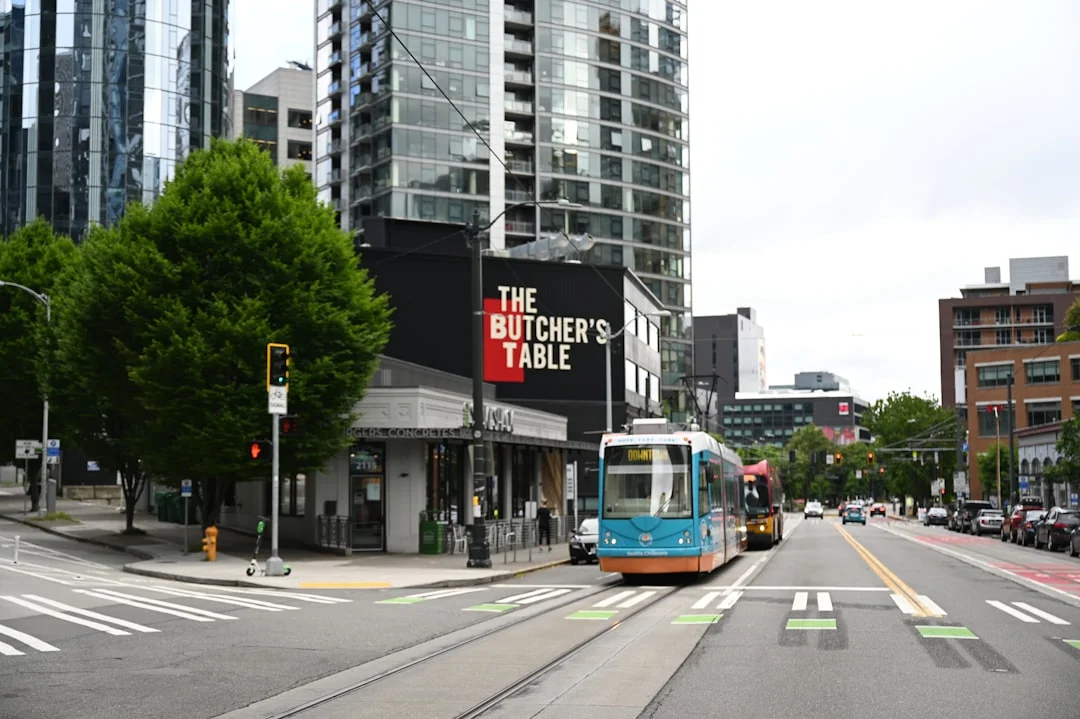
Photo by Herry Sutanto on Unsplash
New York City’s tech ecosystem already supports a sizable workforce and a sprawling startup scene. The city’s tech workforce exceeds 360,000 in tech-related roles and supports more than 25,000 tech-enabled startups, forming a dynamic substrate for arts-tech experimentation. When weaving culture and technology together, the city expects to drive not just cultural outcomes but measurable economic returns, including job creation, new revenue streams, and amplified private investment. The 2026 programs emphasize de-risking early-stage experimentation through public-private partnerships, then translating those pilots into scalable business models and broader talent pipelines. In the broader arc, these dynamics align with a city that views culture as an economic asset—an asset that can attract talent, expand markets, and anchor inclusive growth. (manhattanmonday.com)
The city’s approach treats the arts economy as a significant driver of urban competitiveness, not only for its cultural value but for its capacity to mobilize capital, attract talent, and generate economic spillovers across neighborhoods. The 2026 Fellows and related programs are positioned to catalyze capital flows and to anchor new enterprises in New York’s cultural and tech ecosystems. (edc.nyc)
Equity, inclusion, and access as persistent throughlines
A central throughline across 2026 announcements is equity. The Founder Fellowship program emphasizes diversifying the tech economy by prioritizing founders who have been underrepresented in venture funding. The reported outcomes to date—hundreds of founders accelerated, substantial follow-on funding, and participation across demographic groups—underscore a deliberate policy objective: widen access to capital, networks, and markets for women, Black, Latinx, and Asian founders. The Founder Alumni program further institutionalizes ongoing support for graduates, helping to sustain growth trajectories beyond the accelerator’s initial phase. These elements illustrate how arts-tech collaborations are being embedded within a broader equity agenda designed to broaden participation in both technology and culture. (edc.nyc)
Governance, digital trust, and public interest
As AI and immersive media become more central to public art, governance and digital trust assume heightened importance. The Imagine If… project and APAP|NYC discussions highlight the need to balance innovation with digital rights, consent, and governance frameworks that protect communities and artists. The overarching narrative suggests that AI-enabled art can broaden participation and expand access, provided policymakers and practitioners address governance, privacy, and governance considerations in a manner that builds public trust. This governance lens is particularly relevant to any future Upper West Side Cultural-Tech Precinct 2026, where residents, institutions, and visitors will expect responsible, transparent use of data and experimentation. (manhattanmonday.com)
Public programming as a driver of urban vitality
Public-facing programming, concerted through JanArtsNYC and related city initiatives, is a critical mechanism for driving access, attendance, and economic activity. The January 2026 slate is designed to aggregate events across venues, enabling residents and visitors to engage with immersive media, AI demonstrations, and hybrid performance formats in real-life settings. This strategy supports the broader aim of using data-informed audience insights to refine programming, expand participation, and boost local commerce around cultural districts. For the Upper West Side, where Lincoln Center and nearby cultural anchors anchor daily life, such programming can reinforce the district’s vitality and invite a broader cross-section of audiences into the neighborhood. (manhattanmonday.com)
The UWS as a potential anchor for a precinct-like cluster
The Upper West Side’s cultural identity—centered on Lincoln Center, the American Museum of Natural History, Juilliard, and related institutions—creates a distinctive platform for a potential precinct strategy. The Lincoln Square area, defined as a gateway to the Upper West Side’s cultural life, has long served as a center for performing arts, education, and civic life. If a formal precinct framework emerges, it would likely hinge on coordinated use of public spaces, cross-institutional collaborations, and targeted support for tech-enabled art initiatives that align with the city’s equity and governance objectives. The literature and official programs released in 2025–2026 provide a blueprint for such a path, including the role of anchor institutions and the importance of cross-sector partnerships. Lincoln Center’s central role in the neighborhood’s cultural economy underscores why the Upper West Side is frequently featured in precinct-style discussions about arts and technology. (cityneighborhoods.nyc)
What’s Next
Near-term milestones: funding cycles, selections, and program rollouts
Looking ahead from mid-2026, the near-term milestones center on the 2026 Founder Fellowship. NYCEDC’s 2026 edition specifies four operators (Chloe Capital, Company Ventures, Newlab, Visible Hands) delivering four concurrent cohorts of 15 startups each, with a February 2026 selection and a March 2026 program start. The December 31, 2025 deadline for applications anchors the timeline. Observers should watch for cohort announcements, funding rounds, and early-stage partnerships that emerge from these operator-led programs. The early data points, including the tens of millions in private capital catalyzed by the program, signal a trajectory toward greater capital access for diverse founders and deeper integration of technology into culture. (edc.nyc)
“For 2026, the Founder Fellowship is one of NYCEDC's core entrepreneurship programs, designed to eliminate barriers to entry for diverse founders and connect them with capital, mentorship, and market access,” NYCEDC notes in its press materials. The four-operator model is intended to tailor mentorship and resources to sector-specific needs, aligning with the city’s broader equity objectives. (edc.nyc)
Medium- and long-term trajectories: policy, markets, and cultural capital
Beyond 2026, the city’s cultural and tech leadership anticipates continued growth in the arts economy, with policy and governance shaping the adoption of AI, immersive media, and cross-disciplinary residencies. APAP’s conference narrative and the broader JanArtsNYC framework point toward a longer-term vision in which the arts economy becomes a central asset for urban competitiveness. The path includes expanding founder support, increasing cross-agency residencies, and scaling public art programs that leverage data to measure impact and guide future investments. For the Upper West Side, this could translate into deeper collaborations among Lincoln Center, nearby conservatories, and local startups, all working within a transparent governance framework that emphasizes inclusion, access, and measurable outcomes. (apap365.org)
What to watch for in the months ahead
- Cohort outcomes and private capital leveraged by the 2026 Founder Fellowship: startup survival, job creation, and revenue milestones. Early indicators will come from February 2026 announcements and subsequent progress reports.
- Follow-on collaborations between tech platforms, artists, and cultural venues: AI-enabled installations, hybrid performances, and scalable exhibits that demonstrate a replicable model for other neighborhoods.
- Public conversations about governance, digital trust, and data ethics in public art: policy briefs, stakeholder roundtables, and community engagement initiatives that balance innovation with civil liberties.
- Local impact on the Upper West Side: visibility for Lincoln Center and adjacent cultural institutions, potential programming partnerships with local universities, and a growth in neighborhood-oriented arts-tech events that draw visitors and sustain local businesses.
Closing
The year 2026 marks a turning point in how New York City dances with technology and how culture informs economic policy. Across city agencies, cultural institutions, and private partners, the momentum around arts-tech collaboration is real, data-driven, and outcomes-oriented. While the phrase “Upper West Side Cultural-Tech Precinct 2026” may not reflect an official city designation at this moment, the elements that could underpin such a precinct are already visible in the city’s 2026 programming: a robust calendar of JanArtsNYC events, a multi-operator Founder Fellowship, and AI-forward public art experiments that partner with industry leaders and local creators. For residents and readers seeking ongoing updates, the best avenues are official channels from MOME, NYCEDC, and APAP, which continue to publish calendars, milestones, and policy implications as 2026 unfolds.
Photo by Roger Starnes Sr on Unsplash
The Upper West Side, with its concentration of world-class cultural institutions and a history of urban revitalization, remains well positioned to become a notable locus for future arts-tech collaboration. If the precinct concept crystallizes, it will likely rely on sustained public-private partnerships, investment in talent development, and a shared commitment to accessibility and governance—principles already emphasized across New York’s arts-tech initiatives. As the city moves through 2026, stakeholders should monitor how these programs translate into measurable benefits for artists, technologists, venues, and communities, and how they reshape the neighborhood’s cultural and economic landscape for years to come. The path is ambitious, but the early signals—clear, data-informed, and equity-centered—are hard to ignore. The Upper West Side Cultural-Tech Precinct 2026, in spirit if not yet in formal designation, already serves as a useful banner for what a more integrated, technologically enhanced arts district could look like in New York City.