What a Harborfront Amphitheater Would Take to Build
Harborfront Amphitheater detailed analysis explores emerging tech trends and their market implications for waterfront entertainment venues.
 By
By 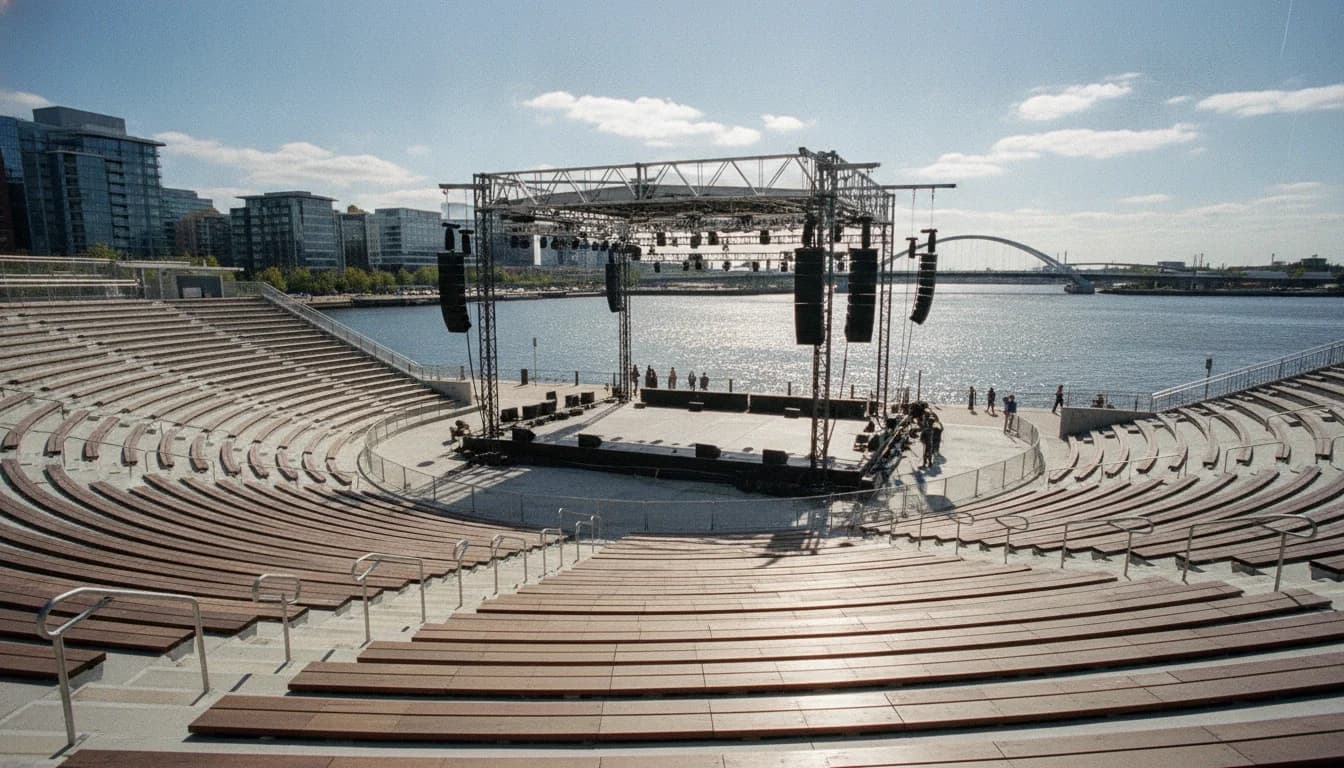
The Harborfront Amphitheater concept embodies a growing class of waterfront venues that blend live performance with advanced technology. In a year of rapid shifts in entertainment delivery — from immersive sound systems to programmable lighting canopies — readers are right to wonder how a Harborfront Amphitheater would fit into the urban tech and market landscape. This report provides a data-driven look at the technology trends shaping potential harborfront venues, the market dynamics that could influence development, and the practical considerations stakeholders would weigh if a Harborfront Amphitheater project advances. While there is no publicly verifiable confirmation of a Harborfront Amphitheater announcement as of August 9, 2026, industry observers expect a convergence of waterfront revitalization, concert-demand cycles, and digital-venue capabilities to define whether such a project moves beyond concept to construction.
Across multiple cities, waterfront venues have increasingly become laboratories for technology-enabled entertainment experiences. Observers note a pattern: committees, developers, and operators are evaluating how immersive audio, high-resolution lighting, and climate-resilient design can extend venue usability beyond traditional concert seasons. These trends are not hypothetical; they mirror real-world deployments that demonstrate what a tech-forward amphitheater on the harbor could strive to achieve. For readers focused on technology and market trends, Harborfront Amphitheater serves as a concrete case study for how new venues leverage evidence-based design, data-driven operations, and experiential platforms to attract audiences, sponsors, and complementary urban activities. The following sections translate those patterns into a structured overview, with a focus on what would matter most to planners, investors, artists, and the public.
What Happened
Announcement Status
As of the publication date, no publicly verifiable official announcement for Harborfront Amphitheater has been located in major city records, developer press releases, or mainstream news outlets. Given the cadence of waterfront-development cycles in major markets, a project of this scale would typically generate municipal filings, environmental reviews, or media briefings well in advance of groundbreaking. In the absence of such records, the analysis below treats Harborfront Amphitheater as a potential case study rather than a confirmed project. This approach aligns with how industry observers monitor emergent waterfront venues while awaiting formal disclosures from city agencies or project sponsors.
Timeline Indicators to Watch
While we await confirmatory documents, several timing signals are commonly associated with waterfront amphitheater developments. These signals offer guidance on what to monitor and when to expect movement:
- Site selection and master-planning cycles: Harborfront areas frequently undergo public-interest reviews, zoning analyses, and environmental planning before any construction can begin. A typical timeline includes a period of site assessment, concept design, and public engagement sessions followed by formal approvals.
- Funding and governance milestones: Riverfront venues often rely on partnerships among city authorities, private developers, and entertainment companies. Milestones typically include memoranda of understanding, development agreements, and capital-assembly announcements.
- Construction start and milestone events: Groundbreaking events, vendor contracts, and scheduled groundbreaking dates commonly appear in project press kits and city agendas once approvals are in place.
- Event-programming announcements: Once a project clears major hurdles, organizers may unveil initial performers, season calendars, and LED- and sound-system specifications as part of branding and community outreach.
Key Facts and Public Records
Presently, there are no documented, verifiable public records in widely consulted sources confirming Harborfront Amphitheater’s formal existence, location, lead sponsor, or specific architectural and technical features. In lieu of confirmed facts, it is prudent to treat any future disclosures as distinct data points that would require independent verification, including official statements, permit documents, and financial disclosures. The absence of confirmed details underscores the importance of cautious, evidence-based reporting in this space.
Comparative Benchmarks: What Similar Developments Show Us
To ground expectations, it helps to compare Harborfront Amphitheater-like scenarios with recent, publicly documented riverfront and harbor venues. For example, several riverfront venues have opened or expanded with emphasis on immersive technology and urban integration:
- The Sonic Sphere concept demonstrated at The Shed has become a reference for immersive sound and light experiences, where a surrounding LED and sound system creates enveloping environments for large audiences. The architecture and engineering behind such installations illustrate the feasibility and scale of tech-driven performances in contemporary venues. This includes intricate coordination among acoustics, structural design, and digital media, setting a benchmark for future waterfront venues that aim to deliver multisensory experiences. (structuremag.org)
- High-profile immersive projects on waterfront or iconic urban campuses have integrated large-scale LED surfaces, dynamic lighting, and synchronized audio to create distinctive audience experiences. These cases show how a waterfront amphitheater can be more than a space for concerts; it can become a platform for brand partnerships, civic events, and cultural programming that reflect a city’s tech-forward aspirations. Recent coverage of immersive LED and lighting in performance contexts underscores the growing role of technology in shaping audience perception and engagement. (avnetwork.com)
- Real-world venue investments along riverfronts illustrate the capital-intense nature of these projects and why communities monitor them closely. For example, reports on riverfront amphitheaters featuring multi-million-dollar budgets and complex partnerships highlight the scale and potential economic impact such venues can deliver when they become anchors for local entertainment ecosystems. (axios.com)
- Waterfront venues have also become showcases for resilience and adaptability, topics that are particularly salient today as cities weigh climate risks, waterfront access, and long-term operational flexibility. Planning documents and analyses from urban-resilience programs demonstrate how canopies, wind-screens, and weather-resilient design are considered essential components of modern harborfront structures. (nyc.gov)
These benchmarks provide a framework for evaluating Harborfront Amphitheater should it advance to formal planning. They illustrate what kinds of technology choices, governance structures, and financing models tend to accompany successful waterfront venues, even when specifics about a given project remain undisclosed.
Why It Matters
Economic and Urban Impact
Waterfront venues, when well-conceived, have the potential to become focal points for economic activity, cultural exchange, and urban branding. A Harborfront Amphitheater would likely operate at the intersection of live entertainment, digital media, and waterfront accessibility — a combination that can attract tourists, local residents, and business sponsorships. The economic ripple effects in comparable settings often include:
- Job creation across production, operations, and hospitality sectors.
- Increased foot traffic to adjacent businesses, including restaurants, retail, and transit hubs.
- Extended seasonal activity that can complement city festivals and civic events, contributing to a year-round urban ecosystem rather than a single-event-driven calendar.
The broader market trend toward tech-enabled venues supports the argument that waterfront sites are particularly well suited to experimentation with new formats, data-driven programming, and audience analytics. The industry has seen a growing emphasis on adaptable spaces, where LED canopies, programmable lighting, and immersive sound are not decorative add-ons but core capabilities that enable more flexible programming and revenue models. This shift aligns with the ambitions that a Harborfront Amphitheater concept would seek to realize if it moves forward. (en.wikipedia.org)
Technology Trends Reshaping Waterfront Venues
Several technology trajectories are central to the potential future of Harborfront Amphitheater-style venues:
- Immersive audio and surround experiences: Modern venues increasingly favor distributed speaker arrays, wave-field synthesis concepts, and advanced processing to create enveloping soundscapes that adapt to audience size and configuration. Industry commentary highlights immersive audio as a differentiator for large outdoor spaces seeking to deliver consistent quality from different vantage points. This trend has been documented in venues pursuing concert experiences that feel more intimate and precise, even at large scale. (avnetwork.com)
- LED surfaces and canopy lighting: Large-scale LED exteriors and canopies enable dynamic branding, mood shifts, and data-driven show control. The use of programmable LED technology in architectural contexts has become a hallmark of contemporary venue design, supporting storytelling, safety, and energy-efficient operations. Observers note that installations like exteriors and canopies can be used for content synchronization with performances, enhanced wayfinding, and event activation. (en.wikipedia.org)
- Climate resilience and flexible design: As waterfront venues contend with weather variability and climate risk, canopy systems, weatherproof enclosures, and modular stage configurations are increasingly prioritized. Public-facing planning documents from resilience initiatives emphasize canopy and structure design choices that optimize airflow, shade, and shelter, while preserving sightlines and acoustic integrity. This is particularly relevant for venues that aim to operate across a broad range of conditions and seasons. (nyc.gov)
Stakeholders and Market Dynamics
A Harborfront Amphitheater’s success would hinge on aligning the interests of multiple stakeholders: city agencies seeking public-benefit projects, private developers pursuing return on investment, artists and promoters seeking reliable programming, and local communities looking for inclusive access and cultural value. The riverfront-venue ecosystem is shaped by:
- Public policy and permitting processes: City planning departments, environmental reviews, and zoning regularities play decisive roles in whether waterfront projects proceed. The path to approval often involves public input, risk assessment, and governance agreements that define funding, maintenance, and long-term operations.
- Promoter ecosystems and sponsorships: The revenue model for a new waterfront venue typically blends box-office with sponsorships, naming rights, and community partnerships. The ability to attract major acts and diversify programming is a core determinant of financial viability.
- Community access and equity: Urban venues increasingly emphasize inclusive access, transit integration, and community programming. Public-facing concerns range from noise impacts to neighborhood benefits, shaping both design decisions and programming priorities.
Comparative Outlook
Even in cases where Harborfront Amphitheater remains conceptual, the broader market narrative suggests a steady appetite for waterfront entertainment spaces that blend technology and live culture. The Richmond amphitheater case, for instance, underscored a multi-faceted investment and governance process that can inform expectations about how a Harborfront Amphitheater might be financed and staged in other cities. While each project is unique, the pattern of capital formation, design excellence, and city engagement provides a useful lens for evaluating a Harborfront Amphitheater scenario. (axios.com)
What's Next
Monitoring and Verification Steps
For readers tracking Harborfront Amphitheater or similar waterfront initiatives, the following steps are critical to stay current:
- Track official city channels and planning portals: City planning offices frequently publish notices of environmental reviews, zoning amendments, and project-specific updates. These records are the primary, verifiable sources for progress.
- Watch for developer and promoter press briefings: Announcements that outline project scope, financing, and timelines are often released through official channels and major media outlets. These statements provide concrete data points for analysis.
- Review technical specifications if released: Should Harborfront Amphitheater advance, details on acoustics, canopy design, lighting systems, and stage architecture will be key to understanding both user experience and operational considerations. Industry coverage often contextualizes these specifications within regulatory and sustainability standards.
Next Steps for Planners, Investors, and Artists
If the Harborfront Amphitheater moves from concept to construction, several development tracks typically unfold:
- Environmental and infrastructure preparation: Waterfront sites demand robust environmental reviews, flood-risk assessments, and infrastructure planning to support utilities, crowd management, and transit access.
- Design and procurement cycles: Architect-commissioning, procurement of stage systems, and vendor shortlists for audio, lighting, and video will define early capital outlays and schedule milestones.
- Programming strategy and partnerships: A successful venue often relies on a diverse roster of programming — from major concerts to civic and cultural events — plus partnerships with promoters and brands to ensure calendar density and audience reach.
- Community engagement and equity programs: Ongoing engagement with local residents and business associations helps ensure the venue delivers broad value and mitigates neighborhood concerns.
What to Watch For in the Near Term
Given the patterns observed in comparable projects, readers should monitor for:
- Any formal announcements from city authorities or project sponsors regarding Harborfront Amphitheater’s location, ownership, or governance structure.
- Public-facing renderings, environmental impact statements, or design briefs that reveal the scope of technology integration, such as LED canopy concepts or immersive-audio systems.
- Financial disclosures or development agreements that explain funding sources, public-private partnerships, and long-term maintenance strategies.
What’s Next (Continued: Practical Scenarios)
Scenario A: A Public-Private Partnership Emerges
In this scenario, Harborfront Amphitheater would be positioned as a catalyst for harbor-area redevelopment, with a governance model that blends municipal oversight and private investment. The venue could feature:
- A programmable LED canopy that redefines evening activations and brand experiences.
- A modular stage and seating plan designed for rapid reconfiguration to accommodate concerts, civic events, and experiential installations.
- A data-driven operations framework that leverages crowd-flow analytics, safety sensors, and environmental monitoring to optimize utilization and resilience.
If such a scenario materializes, analysts would expect a formal development agreement, performance commitments from promoters, and a multi-year funding plan. Public documentation would help quantify the expected economic impact, audience-demographics projections, and the role of arts and culture as civic assets. The trend toward data-centric venue management would likely influence how the Harborfront Amphitheater is marketed, with emphasis on accessibility, programming density, and measurable community benefits. (axios.com)
Scenario B: A Niche or Experimental Model Emerges
An alternate model could emphasize experimental programming, smaller-capacity configurations, and partnerships with technology startups, universities, and local creators. Such a model might prioritize:
- Flexible seating arrangements and stage configurations to support workshops, hackathons, and community showcases alongside traditional performances.
- A lower-cost technical footprint that still delivers superior audience experiences through targeted LED effects and advanced but cost-conscious audio systems.
- A strong emphasis on sustainability, water-management strategies, and climate-adaptive design to align with governance goals for coastal resilience.
Scenario B would likely involve pilot programming and incremental upgrades rather than a single grand opening. The emphasis would be on building a community-driven venue ecosystem with clear metrics for audience engagement, economic ripple effects, and long-term maintenance commitments. While this scenario lacks the scale of a mega-venue launch, it aligns with contemporary urban-development practices that favor phased, accountable progress. (nyc.gov)
Scenario C: No Immediate Development But Ongoing Exploration
In many cities, harborfront redevelopment discussions persist for years without immediate construction. In this outcome, the Harborfront Amphitheater concept might remain in the planning or feasibility stage, with periodic updates as city priorities, market conditions, and technology costs evolve. Even without a concrete groundbreaking date, the ongoing exploration of such venues informs broader market expectations for waterfront entertainment, signaling investor interest in future opportunities and signaling to artists and promoters that a city remains open to world-class, tech-enabled experiences on the water. (avnetwork.com)
Closing
Harborfront Amphitheater, as a concept, sits at the intersection of waterfront revitalization, live performance, and digital-venue technology. If realized, it could exemplify how modern harborfronts fuse data-driven operations with immersive experiences to create a distinctive urban amenity. The conversation around such a venue is not merely about a single building or stage; it’s about an ecosystem of planning, design, programming, and public engagement that can redefine how cities leverage water-borne culture to attract residents, visitors, and investment.
Readers should stay tuned to official city channels and credible industry coverage for any formal disclosures about Harborfront Amphitheater. As technology and market dynamics continue to evolve, waterfront venues will likely adapt in ways that emphasize resilience, accessibility, and audience-centered design. In the meantime, Manhattan Monday will continue to monitor developments, provide analysis grounded in verifiable data, and translate complex planning and technology considerations into clear guidance for readers navigating this evolving landscape. For updates, follow city agendas, developer communications, and trusted industry outlets that regularly report on riverfront and harborfront projects, as well as on the broader trends shaping the future of public venues at the water’s edge.