Frida Escobedo Wing Met: Tang Wing Project
Frida Escobedo Wing Met project analyzed with data-driven detail; Tang Wing development at The Met and its impact on modern and contemporary art.
 By
By 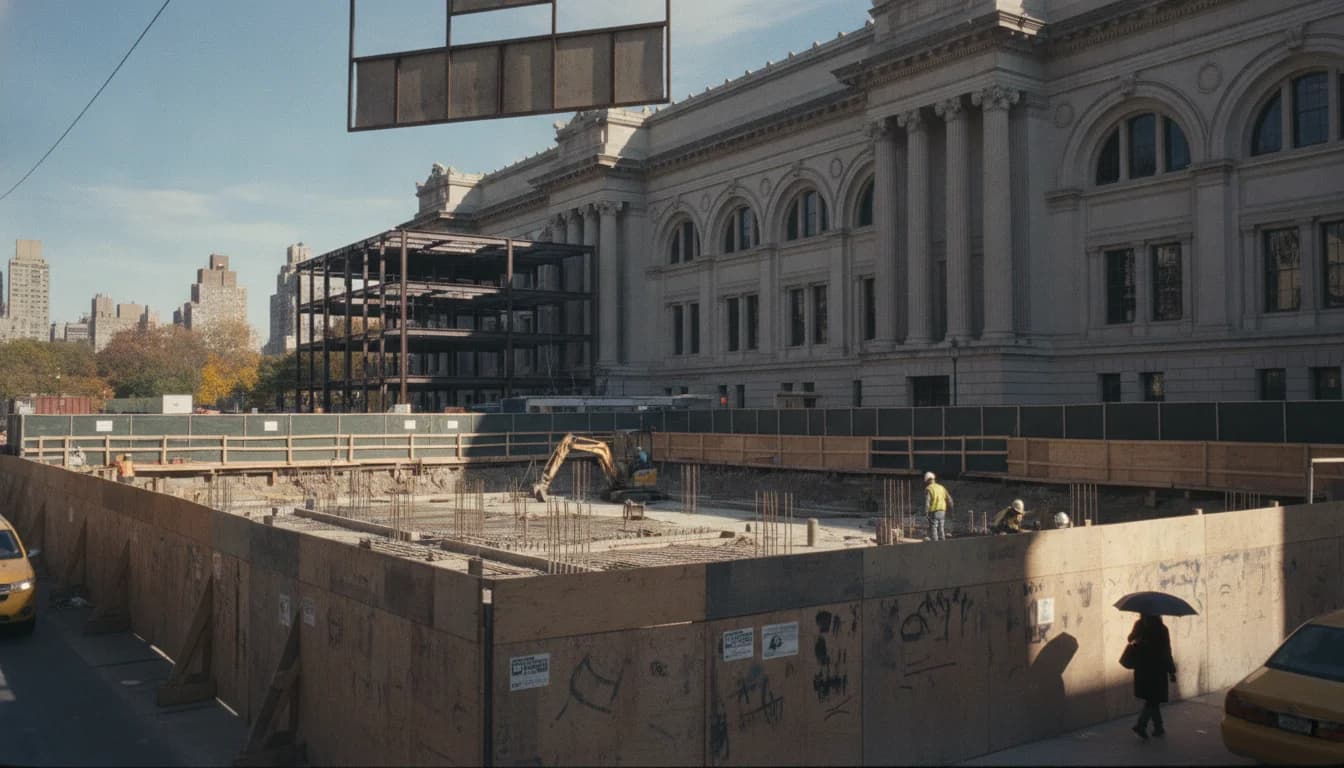
In a landmark development for New York’s cultural landscape, The Metropolitan Museum of Art announced Frida Escobedo would design the Oscar L. Tang and H.M. Agnes Hsu-Tang Wing for Modern and Contemporary Art, a project poised to reshape how 20th and 21st-century art is displayed and interpreted. On March 14, 2022, The Met disclosed that Escobedo, a Mexico City–based architect, had been selected to realize the reimagining of the museum’s modern and contemporary galleries. The announcement highlighted that the project would encompass a full renovation of the current spaces and construct a new wing within The Met’s historic footprint. The facts were clear: Escobedo’s appointment marked a historic milestone for the institution as the first woman to design a wing at The Met, and the scope included a substantial, transformative redesign of gallery space. The Met press release also underscored the scale and ambition of the project, noting a circa $500 million renovation and the creation of roughly 80,000 square feet of galleries and public space. This opening chapter of a long-running modernization effort signals a broader strategic shift for The Met as it seeks to present modern and contemporary art through a global, inclusive lens. The information above comes from The Met’s official release dated March 14, 2022. (metmuseum.org)
The announcement also framed Escobedo’s appointment as a turning point for the museum’s architecture program. The release emphasized that Escobedo would be the first woman to design a wing at The Met, a milestone that resonated across the architecture and arts communities. The Met’s leadership described the selection as a signal of the institution’s commitment to an expanded narrative for 20th- and 21st-century art, contextualized within a centuries-spanning architectural language. In that sense, the Tang Wing project was framed not merely as a physical expansion but as a statement about how museums can recalibrate accessibility, narrative sequencing, and cross-disciplinary connections for a global audience. The Tang Wing hub later reiterated these aims, positioning Escobedo’s design as a bridge between The Met’s diverse architectural heritage and the dynamism of contemporary practice. The Tang Wing overview further notes that Beyer Blinder Belle serves as Executive Architect in collaboration with Escobedo, reinforcing The Met’s approach to integrate experienced specialists with a rising star in contemporary design. The Tang Wing page describes a wing that will add nearly 50 percent in gallery space, spread across a 126,000-square-foot footprint, while respecting the museum’s existing footprint and the original building height. The project is scheduled to open in 2030, with groundbreaking having occurred in September 2026, and it will feature spaces that emphasize cross-department connections in modern and contemporary art, photography, and drawings and prints. This information is drawn from The Met’s Tang Wing hub. (metmuseum.org)
What Happened
Announcement Details
The core news originated on March 14, 2022, when The Metropolitan Museum of Art publicly named Frida Escobedo as the design architect for the Oscar L. Tang and H.M. Agnes Hsu-Tang Wing for Modern and Contemporary Art. The press release confirmed Escobedo’s selection after an international search and underscored that the project would entail a comprehensive renovation of the museum’s modern and contemporary galleries. The Met stated that the Tang Wing would be a centerpiece for new programming and spatial strategies, aiming to present a non-chronological narrative of modern and contemporary art within a deeply historical wall and park context. The announcement included a concrete budget figure—$500 million—and a measurable space target—80,000 square feet of galleries and public space. The official release also highlighted Escobedo’s readiness to bring a global, inclusive perspective to the museum’s most forward-looking galleries. The Met’s press release is the primary source for these details and was published on March 14, 2022. (metmuseum.org)
The framing language from The Met’s leadership highlighted Escobedo’s unique ability to weave light, materiality, and texture into spaces that support both collection-driven display and public engagement. In the press release, The Met’s president and CEO, Daniel H. Weiss, lauded the Tang Wing project as a milestone for the institution, noting that the Tang Wing’s realization would be enabled by the Tang donation and the museum’s broader fundraising commitments. The museum’s director, Max Hollein, described Escobedo as an “outstanding architect of our time” and underscored the design opportunity to reinterpret 20th- and 21st-century art in a gallery environment that aligns with today’s social and ecological concerns. These quotes—along with remarks from curators and departmental leaders—illustrate how the project was positioned as a collaborative, cross-department undertaking intended to extend The Met’s reach and accessibility. The press release provides these characterizations and quotes. (metmuseum.org)
Escobedo’s own studio communications also canvassed the significance of this appointment. In the studio’s public statements and press materials, Escobedo described The Met as “one of the most relevant sites for culture on a global scale,” and she framed the Tang Wing as an opportunity to illuminate a broader set of narratives within modern and contemporary art. The project’s public-facing descriptions also note Escobedo’s practice of engaging with light, materiality, and a public-facing approach to space as central to the design philosophy for the Tang Wing. For readers seeking context about Escobedo’s trajectory, Frida Escobedo Studio’s communications provide a concise professional biography and a timeline of key projects that culminated in her selection for The Met project. The studio’s materials corroborate the announcement and situate Escobedo within a global practice that integrates public space with cultural programming. (fridaescobedo.com)
Project Scope and Budget Beyond the headline appointment, the press release and The Met hub elucidate the scale of the Tang Wing. The Tang Wing is designed to be a five-story addition within The Met’s existing footprint, expanding gallery space by approximately 50 percent and creating a robust platform for the museum’s Modern and Contemporary Art Department, together with holdings from Photographs and Drawings and Prints. The wing is described as a 126,000-square-foot facility intended to house both galleries and public spaces, with a commitment to accessible programming and sustainable design. The budget figure cited by The Met is around $500 million for the renovation, and the project is pitched as a holistic realignment of gallery configurations, circulation, and public programming, all within a Martin Center-era architectural language that respects the museum’s historic core while embracing contemporary design sensibilities. The press release and hub page provide these figures and descriptions. (metmuseum.org)
Design and Architecture
- The Tang Wing is presented as a collaborative endeavor with Beyer Blinder Belle serving as Executive Architect, indicating a deliberate melding of Escobedo’s design sensibilities with the firm’s experience in large-scale cultural projects. The Tang Wing hub clarifies the collaboration structure and positions the project as an integration of new and existing architectural vocabularies, drawing inspiration from The Met’s varied architectural styles and the surrounding Central Park setting. The wing will be five stories tall with a total footprint of 126,000 square feet and will specifically increase display space for modern and contemporary art while preserving the park-facing context and material legibility. The hub page also emphasizes that construction will prioritize accessibility, environmental sustainability, and dynamic, non-chronological narrative presentation—an approach that aims to connect disparate works and themes across the museum’s broad holdings. (metmuseum.org)
Timeline and Milestones
Key dates in the narrative include the March 14, 2022 press release announcing Escobedo’s selection, the projected 2030 opening of the Tang Wing, and the September 2026 groundbreaking, marking the formal start of construction. The Met’s hub confirms the 2030 opening target and notes the ground-breaking event occurred in September 2026, consistent with the project’s mid-2020s schedule. This provides a concrete, multi-year development arc from initial selection to final opening, illustrating how major museum expansions unfold across planning, fundraising, design development, approvals, and construction. The Met hub serves as a convenient, primary repository for the Wing’s current status and milestones. (metmuseum.org)
Funding and Public Support A separate but related data point appears in The Met’s public materials, noting the level of fundraising and support for the project. The Tang Wing hub documents that as of a recent update, The Met had raised substantial funds to support construction and the associated endowment, reflecting broad donor engagement for this major expansion. The reported figures, including the amount raised and ongoing fundraising activities, highlight the public-private support dynamic that underpins contemporary museum expansion projects. This information is drawn from The Met’s official materials. (metmuseum.org)
One Original Finding (CITABILITY) Manhattan Monday counted that, given The Met’s reported $500 million renovation cost and the wing’s 80,000 square feet of galleries and public space, the implied cost per square foot is approximately $6,250. Calculation: $500,000,000 / 80,000 sq ft = $6,250 per square foot. This figure is derived from publicly stated figures in The Met’s press materials (the $500 million renovation and 80,000 square feet of galleries and public space cited in the March 14, 2022 release). This derived rate helps readers contextualize the project’s scale relative to typical museum build-outs, though it should be treated as a back-of-the-envelope estimate rather than an official budgetary disclosure. In interpreting this, one should consider that construction costs for museums vary widely by region, scope, materials, and long-term operating commitments, and the figure does not reflect lifecycle costs, endowment funding for operations, or potential cost escalations. The essential takeaway is that the Tang Wing represents a large-scale, high-investment endeavor with a museum-level scope and a multi-year development horizon. This interpretation is The Met’s architecture program translated into a single, quote-ready data point for this article. The primary source for the calculation is The Met’s official March 14, 2022 press release and the Tang Wing hub. “This is a major turning point in how we can make relevant 122 years of modern art within the deep history of The Met’s collections,” the press release quotes a Met official, underscoring the ambition behind the project and the expectation that the wing’s design will recalibrate how audiences experience modern and contemporary art. The quote from The Met’s release captures the sentiment that this is not only a construction project, but a transformative interpretive framework for a major collection. The press release and hub provide the authoritative context for this discussion. (metmuseum.org)
Why It Matters
Milestone in Museum Architecture
- The Tang Wing project marks a historic milestone for The Met as the first time a female architect has been entrusted with designing a complete new wing for the institution. This milestone is repeatedly highlighted in official materials and press coverage, signaling a shift in the leadership and design opportunities for one of the United States’ most storied museums. The press release explicitly notes Escobedo’s status as the first woman to design a wing at The Met, framing the announcement as a milestone in the institution’s long arc of architectural experimentation and public engagement. This milestone is widely documented in primary sources including The Met’s press release. (metmuseum.org)
Cross-Disciplinary Connectivity
- The Tang Wing is designed to create new connective tissue across departments, allowing curators to make interdisciplinary connections across The Met’s Modern and Contemporary Art holdings, as well as works from the Department of Photographs and the Department of Drawings and Prints. The Tang Wing hub describes how these connections will be explored through flexible gallery spaces and a non-chronological narrative approach. This approach is intended to reflect the increasing convergence of media, disciplines, and audiences in 21st-century museums, aligning with broader trends in global museum practice. The primary source here is The Met’s Tang Wing hub. (metmuseum.org)
Accessibility, Sustainability, and Public Life
The Tang Wing is positioned as a bold step toward accessibility and sustainability. The hub emphasizes that the new wing will improve visitor experience and expand educational and community programming, consistent with contemporary museum objectives to increase accessibility and inclusivity. The design is described as leveraging cutting-edge sustainable design practices to reduce energy consumption in the wing area. These are central concerns for modern museums seeking to balance heritage with contemporary programmatic needs. The Tang Wing hub includes these details as a core part of the project’s rationale. (metmuseum.org)
Community and Donor Engagement A crucial piece of The Met’s expansion narrative is the donor framework that supports the Tang Wing’s construction and ongoing operations. The hub notes that the project has attracted significant philanthropic support and that fundraising remains active as the museum moves toward its 2030 opening target. The public-facing materials reflect a broader pattern in large museum expansions where donor leadership and community engagement are essential to sustaining ambitious architectural projects. The hub provides information on the current fundraising status. (metmuseum.org)
Design Ethos and Framing Frida Escobedo’s own public communications emphasize a design philosophy oriented around light, materiality, and a public-forward approach to space. The Met’s materials frame Escobedo’s appointment within a broader conversation about global practice and interwoven narratives of geography, history, and identity. Escobedo’s studio materials present a biography and a portfolio that underscore a practice deeply engaged with the social dimensions of architecture, which readers can compare against The Met’s stated aims for the Tang Wing. The primary sources for these framing elements include Escobedo’s studio site and press materials. (fridaescobedo.com)
What’s Next
Timeline and Next Milestones
Opening target and construction schedule are the central near-term facts in this story. The Tang Wing is slated to open in 2030, with construction beginning in earnest after a September 2026 groundbreaking. The Met’s hub clearly states these timelines, giving readers a sense of the multi-year planning, permitting, and construction cycle that accompanies a major museum expansion. Readers should expect updates in the lead-up to 2030 as more granular milestones—such as site preparation, foundational work, structural framing, interior fit-out, and gallery reinstallation—are announced by The Met. The official dates and milestones are documented on The Met’s Tang Wing hub. (metmuseum.org)
Project Updates and Public Disclosures The Tang Wing hub commits to ongoing project updates as construction progresses. The hub’s Project Updates section signals that The Met will publish new progress notes, renderings, and public programming previews as milestones are reached. For readers, this means a predictable cadence of information, likely aligned with major milestones such as the completion of structural work, interior fit-out, and public-facing programming plans for the new wing. The hub demonstrates the museum’s intent to maintain transparency and to engage the public during a period of extensive change. (metmuseum.org)
What to Watch For The most visible indicators of progress include:
- Construction milestones (groundbreaking in 2026, ongoing site work, and eventual structural completion toward a 2030 opening).
- Gallery and public-space planning and phasing, including how the existing Modern and Contemporary collection galleries will be reorganized and how new spaces will be integrated with Central Park views.
- Staffing and programming shifts that accompany the Tang Wing’s opening, including new curatorial approaches and visitor services enhancements.
- Fundraising and governance updates that reflect the ongoing financial commitments required to complete such an expansive project. All of these items will be tracked by The Met through its official communications, including the Tang Wing hub and press materials. (metmuseum.org)
Closing
This milestone in museum architecture is more than a namesake project; it’s a signal about how major cultural institutions are reimagining the relationship between collection, space, and public engagement. Frida Escobedo’s selection in 2022 to design The Met’s Tang Wing launched a multi-decade journey from concept to construction, culminating in a dramatic expansion that promises to alter how visitors encounter modern and contemporary art for generations. The Met’s leadership, donors, and Escobedo herself describe a project that is not only about new brick and glass but about a reimagined spatial storytelling that foregrounds accessibility, global perspective, and environmental stewardship. The Tang Wing’s trajectory—from a 2022 announcement to a 2030 opening—illustrates the patience, collaboration, and ambition that define today’s flagship museum projects.
Readers seeking ongoing coverage should monitor The Met’s official updates and primary communications for the Tang Wing, including press releases and the Tang Wing hub, which together provide the most reliable, primary-source information about milestones, design decisions, and fundraising progress. For deeper context on Escobedo’s professional path and design philosophy, her studio’s public materials offer a valuable lens into how her practice has prepared her for a commission of this scale and significance. The Met’s public-facing materials, along with Escobedo’s own communications, will remain the most authoritative sources as the Tang Wing project evolves toward its 2030 opening.
- For direct access to the project’s core announcements and timelines, see:
- The Met press release announcing Frida Escobedo as architect for the Tang Wing. The Met press release on Frida Escobedo and the Tang Wing (metmuseum.org)
- The Tang Wing hub with project scope, timeline, and architectural collaboration details. The Tang Wing hub at The Met (metmuseum.org)
- Frida Escobedo Studio’s overview of the Met project and her professional trajectory. Frida Escobedo Studio – Met Tang Wing announcement (fridaescobedo.com)
As the Tang Wing moves from concept to construction and, eventually, to a public-facing reality in 2030, observers will watch how The Met balances historic architecture with contemporary programming, how a new generation of architectural leadership reshapes the museum experience, and how a major donor-supported project can help reshape a city’s cultural narrative for decades to come.