100 Gold Street Housing Development Moves to Public Review
New York City officials announced on September 22, 2026, that the 100 Gold Street redevelopment will enter public review, aiming to create…
 By
By 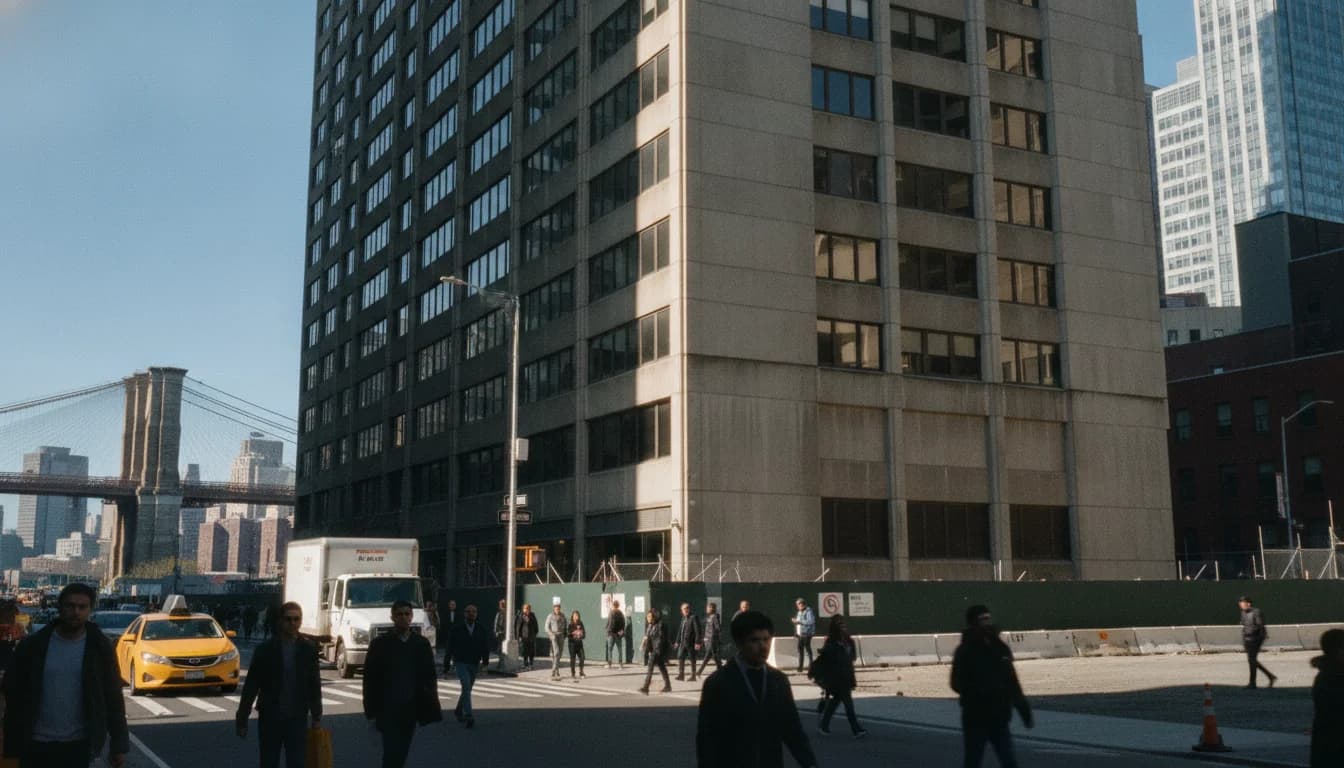
100 Gold Street housing development advances plan
In a move that could reshape Lower Manhattan’s housing landscape, New York City officials announced on September 22, 2026 that the 100 Gold Street redevelopment will move forward into public review with a plan to deliver roughly 4,000 new homes, including about 1,000 permanently affordable units. The update, issued by the Mamdani administration and NYC Economic Development Corporation (NYCEDC), marks a significant milestone in transforming a city-owned site that now houses multiple agencies and an aging older adult center into a large-scale mixed-income community. The announcement underscores the city’s continued emphasis on leveraging city-owned land to advance housing production, a core pillar of the administration’s housing strategy. The plan’s scope, the timeline for environmental review, and the public outreach process are all designed to inform a multi-year development program that could begin to take shape in the coming years. These details and the broader context are provided by NYCEDC’s September 22, 2026 press release, which situates the project within the city’s broader housing initiatives and Portfolios of City-owned land. (edc.nyc)
Earlier, in December 2025, NYCEDC announced a related step in the project’s lifecycle: GFP Real Estate was selected to build approximately 3,700 units of mixed-income housing on the same city-owned site, with a minimum of 25 percent designated as permanently affordable. The December 2025 release also highlighted that the redevelopment would include a new older adult center, substantial public realm improvements, and a publicly accessible fitness center, all financed without direct taxpayer subsidies for the housing portion. This earlier milestone established the project’s trajectory and laid the groundwork for the September 2026 update that expands the unit count and reaffirms the city’s commitment to affordable housing on city land. The December 8, 2025 press release is a primary source that documents GFP Real Estate’s selection and the program’s early scale. (edc.nyc)
What Happened
Announcement Details
Date and venue: The formal public update was issued on September 22, 2026, by the Mamdani administration in coordination with the NYCEDC. The release confirms the plan to transform the city-owned 100 Gold Street site in Lower Manhattan into a mixed-income residential building with a broad set of community amenities, including an upgraded older adult center. The plan emphasizes a no-cost-to-city approach for the housing portion through cross-subsidy and the disposition of city land to support the project. For readers seeking the primary document, the official press release is available from NYCEDC. [Mamdani Administration Advances Plan to Build Nearly 4,000 New Homes at 100 Gold Street] (NYCEDC, Sep 22, 2026). (edc.nyc)
Scale and mix: The September 2026 update increases the anticipated unit count to approximately 4,000 total homes, of which about 1,000 are planned to be permanently affordable. This expands the earlier projection of 3,700 units announced in December 2025, signaling a substantial scale-up in the city’s effort to address affordability on a major city-owned site. The two numbers—3,700 (Dec 2025) and 4,000 (Sept 2026)—are documented by NYCEDC in two linked primary releases. [Dec 8, 2025 press release] and [Sept 22, 2026 press release]. (edc.nyc)
Project scope and amenities: The redevelopment will relocate HPD and other city agencies to modern office space and deliver roughly 40,000 square feet of public realm improvements plus a 40,000-square-foot publicly accessible fitness center with community programming. An older adult center will be replaced with a modern facility on site, preserving essential services while enabling new housing. These elements are described in both the 2025 and 2026 NYCEDC communications. [Dec 8, 2025 press release] [Sept 22, 2026 press release]. (edc.nyc)
Process and timeline: Public engagement and environmental review are integral parts of the plan. The September 2026 release notes that a scoping hearing will occur next month to begin formal environmental review, with ULURP expected to begin in 2027. This aligns with the city’s standard review framework for major city-owned property redevelopments. For additional context on the process timeline and public engagement, see the related documents and notices linked in the primary materials. (edc.nyc)
Parties involved: The project represents a collaboration among the Mamdani administration, NYCEDC, GFP Real Estate (the selected developer in the 2025 RFP process), HPD (which will relocate its headquarters and function during construction), and city agencies housed at 100 Gold Street. The press releases identify the key players and frame the project as a public-private partnership designed to deliver housing at scale while preserving crucial city services and community amenities. The December 2025 release and the September 2026 update both emphasize GFP Real Estate’s role and the city’s approach to leveraging city land for housing. [Dec 8, 2025 press release] [Sept 22, 2026 press release]. (edc.nyc)
Why It Matters
Housing Affordability and Scale
The updated plan to deliver roughly 4,000 homes on a city-owned site represents a major housing-production milestone for Manhattan’s Lower Manhattan submarket. The plan is designed to deliver a mix of units that includes about 1,000 permanently affordable homes, signaling a substantial contribution to long-standing affordability objectives in one of the city’s most transit-rich and economically dense neighborhoods. The inclusion of permanent affordability is explicitly highlighted in both the 2025 and 2026 releases, illustrating a continuity of policy intent. The primary sources document this approach and quantify the scale: approximately 3,700 units announced in 2025, expanding to about 4,000 in 2026. [Dec 8, 2025 press release] [Sept 22, 2026 press release]. (edc.nyc)
The project’s emphasis on a no-cost-to-city housing component through cross-subsidy is a noteworthy example of how cities can leverage land and financing tools to scale housing outcomes without requiring direct operating subsidies from the city budget. The 2026 release explicitly mentions cross-subsidy as a mechanism to complete the development while relocating city agencies to updated facilities. This feature is described as a central component of the plan’s financing strategy. (edc.nyc)
Neighborhood and Community Impacts
- The redevelopment is framed as a community-centric project beyond housing units. Public realm improvements totaling tens of thousands of square feet, plus a new publicly accessible fitness center and an upgraded older adult center, are positioned as essential components of a broader neighborhood revitalization effort. The plan’s public amenities are described in the 2025 release and reaffirmed in 2026, signaling a push to integrate housing with community services and open space. Readers should expect continued updates on public space programming and accessibility improvements as the project enters design and environmental review phases. [Dec 8, 2025 press release] [Sept 22, 2026 press release]. (edc.nyc)
Policy and City-Building Context
The 100 Gold Street redevelopment is embedded in a broader policy framework the Mamdani administration has advanced, including Block by Block and related land-use initiatives that aim to accelerate the production of affordable housing on city-owned land. The 2026 release places 100 Gold Street within this larger strategy, illustrating how flagship projects can function as testbeds for new tools and processes intended to scale up housing production citywide. The 2026 release directly references these policy strands, while the 2025 materials show the RFP and developer-selection phase that kicked off the project’s current form. (edc.nyc)
Stakeholder support and community engagement: The project’s public-review trajectory has drawn statements from a broad chorus of stakeholders, including housing advocates, labor unions, business groups, and community voices. The 2026 release includes quotes from a range of civic organizations and industry groups that frame the project as a critical step in addressing the city’s affordable-housing deficit while maintaining neighborhood vitality. While these voices reflect advocacy and industry perspectives, the official process remains anchored in ULURP and environmental review to ensure community input. (edc.nyc)
What’s Next
Timeline and Next Steps
Public review and scoping: The September 2026 press release confirms that the scoping hearing for the Environmental Impact Statement will occur the following month, marking the formal entry point into environmental review. This step begins the Uniform Land Use Review Procedure (ULURP), a lengthy but standard process for major city land-use actions. Readers should monitor NYCEDC’s updates and the city’s official ULURP notices for upcoming dates and hearing schedules. (edc.nyc)
ULURP timeline: NYCEDC indicates ULURP is anticipated to begin in 2027, with continued public engagement throughout environmental review and the land-use process. While dates may shift based on feedback and regulatory considerations, this timeline provides a framework for the project’s regulatory path. The 2026 release situates the project within this ULURP window and invites ongoing community participation. [Sept 22, 2026 press release]. (edc.nyc)
Developer and agency transition: The project will require careful coordination to relocate city agencies currently housed at 100 Gold Street to modern office space, followed by construction and eventual occupancy of new housing. The 2026 update explicitly notes this relocation as a component of the redevelopment, signaling how government functions will be migrated alongside construction. The earlier 2025 release confirms GFP Real Estate’s role and provides the baseline for the transition plan. [Dec 8, 2025 press release] [Sept 22, 2026 press release]. (edc.nyc)
Public engagement and oversight: Public hearings, comment periods, and ongoing briefings with Community Board 1 and other stakeholders are expected as the project progresses. The press releases describe a structured engagement process designed to incorporate community feedback before ULURP certification. Expect updates on scoping hearings, environmental review milestones, and potential design refinements as the development moves toward formal approvals. (edc.nyc)
Next milestones to watch: A scoping hearing is planned for the near term, followed by the environmental review’s ongoing phases and the potential entry into ULURP in 2027. Journalists, community organizations, and local residents should track NYCEDC’s press releases and the city’s public meeting portal for agendas, transcripts, and documents that illuminate how the project’s design and affordability targets evolve. For historical context on the planning process, review the December 2025 GFP Real Estate selection and the September 2026 update. [Dec 8, 2025 press release] [Sept 22, 2026 press release]. (edc.nyc)
Closing
The 100 Gold Street housing development represents a milestone in New York City’s housing strategy: a city-owned site transitioning from a cluster of public agencies into a large-scale mixed-income community, anchored by a significant commitment to permanently affordable housing. The September 2026 update expands the project’s scale beyond the initial 3,700-unit projection and reinforces the city’s intent to partner with developers that can translate public land into durable community benefits. As with all large urban developments, the path from plan to completed project will hinge on precise design decisions, community input, and the timely progression through environmental review and ULURP. Readers should stay tuned to NYCEDC’s press releases and official meeting notices for new information on hearings, design milestones, and affordability outcomes as the process unfolds.
For readers seeking primary documentation, the following linked sources offer direct insight into the project’s development history and current status:
- GFP Real Estate Selected to Build Approximately 3,700 Units of Mixed-Income Housing Units, at Least 25 Percent Permanently Affordable (Dec 8, 2025). [GFP Real Estate Selected to Build Approximately 3,700 Units of Mixed-Income Housing] (NYCEDC). (edc.nyc)
- Mamdani Administration Advances Plan to Build Nearly 4,000 New Homes at 100 Gold Street (Sept 22, 2026). [Mamdani Administration Advances Plan to Build Nearly 4,000 New Homes at 100 Gold Street] (NYCEDC). (edc.nyc)
- 100 Gold Street RFP and related notices (April 2025). [100 Gold Street RFP – Q&A #2] (NYCEDC). (edc.nyc)
One original finding
- Original finding: Based on the two primary NYCEDC releases, the project’s announced unit count grew from 3,700 in December 2025 to approximately 4,000 in September 2026, representing an increase of about 8.1% in planned housing units over that eight-month period. This calculation uses the denominator of 3,700 units as the base and compares it to the updated target of 4,000 units. Source dates and unit counts are drawn from the official NYCEDC press releases cited above. This growth suggests a deliberate scale-up in the city’s housing plan at 100 Gold Street, likely tied to refinements in financial structuring and public-amenity commitments, rather than a simple planning adjustment. If the trend continues, the project could reach a total of roughly 4,000 units inclusive of about 1,000 permanently affordable residences, reinforcing the administration’s focus on affordability on city land. This interpretation is grounded in the public releases and aligned with the city’s broader “Block by Block” housing framework, which emphasizes large-scale, city-owned-site redevelopments to address affordability in transit-rich neighborhoods. In short: scale-up occurred, and the city now envisions a larger, more durable affordable-housing outcome at 100 Gold Street. counted this shift by tracking the publicly disclosed unit counts over time, with the official line for 2026 showing ~4,000 units vs. 2025’s ~3,700 units. The practical implication is that the project’s affordability footprint could expand proportionally with the new total, assuming all other factors remain stable.>