Urban Rooftop Markets NYC 2026: Trends & Impact

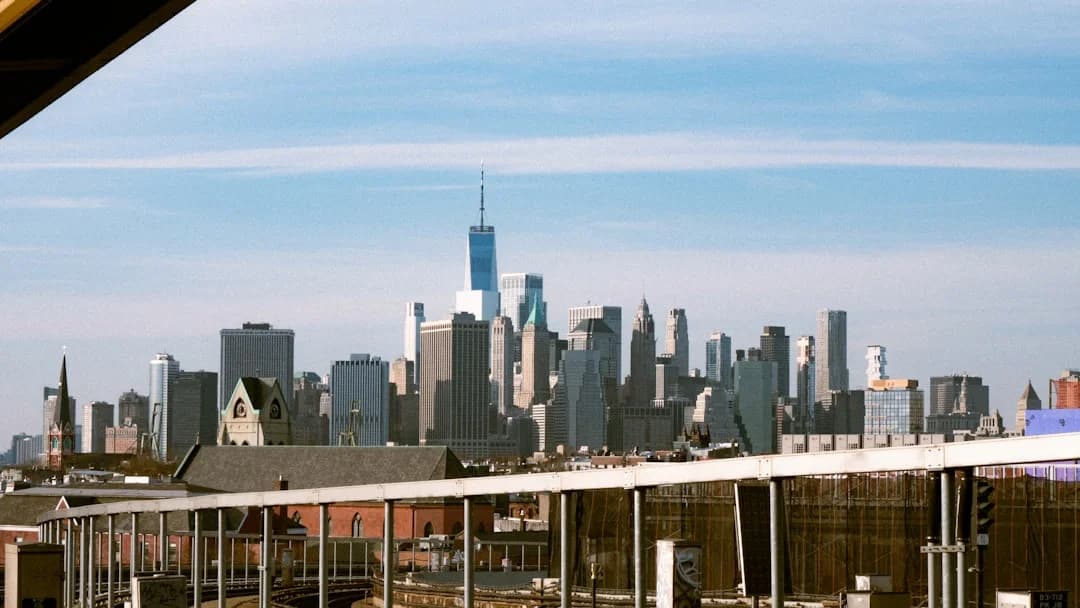
Photo by David Tkachenko on Unsplash
In 2026, New York City has quietly accelerated a trend that’s visible from street level yet measured at the rooftop: urban rooftop markets are expanding, connecting local farmers, culinary vendors, and tech-enabled operators with city residents and visitors. The phrase Urban rooftop markets NYC 2026 captures a moment when skyline-adjacent commerce meets sustainable urban farming, smart infrastructure, and a city government increasingly attuned to the value of micro-market ecosystems perched above busy streets. As summer approaches, data-driven signals point to a coordinated mix of rooftop farms, seasonal markets, and rooftop-enabled food concepts that together are reshaping how New Yorkers shop, eat, and experience downtown and across the five boroughs. This coverage uses the latest accessible data to map what’s happening, why it matters, and what could come next for urban rooftop markets in NYC in 2026 and beyond. (brooklyngrangefarm.com)
The city’s rooftop economy is anchored by several high-profile examples. Brooklyn Grange, the world’s largest soil-based rooftop farm network, operates on three roofs in New York City and produces tens of thousands of pounds of produce annually for local restaurants, markets, and community-supported agriculture. The operation highlights how rooftop spaces can function as offshoots of the city’s food system, not merely as vistas for city dwellers. Brooklyn Grange’s site and related reporting describe the scale and reach of rooftop farming across NYC, including per-annum output and multiple farm locations, illustrating a growing rooftop agriculture footprint that underpins urban rooftop markets. (nyc.gov)
Another cornerstone of the 2026 rooftop market landscape is the Javits Center, which expanded its rooftop farming program as part of a broader sustainability push. The “Steel Farm,” a one-acre rooftop farm atop the Javits Center’s North Roof, has evolved from its origin in the post-expansion era and remains a prominent example of rooftop-to-table supply chains feeding convention-center events and local outlets. Javits Center materials and press releases confirm the one-acre scale and ongoing rooftop farming activity, underscoring how a major event venue can anchor rooftop market spires that feed adjacent markets and visitor experiences. (javitscenter.com)
In the retail and consumer-facing side of the market, Smorgasburg—the weekly open-air market brand with NYC locations—has signaled its 2026 season status by advertising participation and opening applications for vendors. While Smorgasburg operates across multiple city locations, its continued presence in the NYC market acts as a bellwether for the city’s appetite for rooftop-anchored or rooftop-adjacent market experiences, even as other rooftop venues offer elevated dining and retail concepts that leverage urban rooftops as experiential platforms. The 2026 season messaging and ongoing activity at Smorgasburg’s official channels illustrate how rooftop-adjacent market experiences remain central to NYC’s urban marketplace dynamic. (smorgasburg.com)
Beyond dedicated rooftop farms and rooftop-focused markets, the broader NYC greenmarket network continues to supply local produce to neighborhoods across the city. GrowNYC operates Greenmarkets that connect farmers with residents, including seasonal and year-round markets. While not exclusively rooftop, these programs demonstrate the city’s ongoing commitment to local sourcing and urban agriculture—principles that dovetail with the rooftop markets segment by expanding local supply and ensuring that rooftop initiatives complement ground-level markets. GrowNYC’s ongoing schedule and Greenmarket roster in 2026 are part of the ecosystem that supports rooftop market players and the consumer expectations they help shape. (grownyc.org)
Section 1: What Happened
Announcement
Citywide attention to rooftop markets in 2026 centers on a convergence of established rooftop farming operations, renewed open-market activity on rooftops, and the expansion of rooftop-enabled culinary experiences. The key developments driving this trend include public reporting on rooftop farming scale, the continued operation and expansion of rooftop farms on major facilities, and ongoing market programming that leverages rooftop spaces as focal points for commerce. The 2026 narrative emphasizes the practical reality that rooftop spaces have transformed from purely aesthetic assets to integral components of New York City’s food, retail, and experiential economy. Brooklyn Grange’s multiple NYC rooftop farms and Javits Center’s Steel Farm are particularly illustrative of how rooftop markets and rooftop supply chains function in practice, with outputs and programs that feed neighboring markets, restaurants, and event programming. (brooklyngrangefarm.com)
Timeline
- 2010–2020: Brooklyn Grange established as a leading rooftop farming operation; by 2014, the city’s green infrastructure program supported rooftop farming growth, culminating in expanded rooftop operations and the development of a diversified ecosystem for rooftop-based agriculture and events. The city’s investment in green infrastructure and rooftop farming helped set the stage for more rooftop market activities in later years. (brooklyngrangefarm.com)
- 2021: Javits Center inaugurates its one-acre rooftop farm as part of its expansion, signaling a major milestone in rooftop agriculture at a large convention center and establishing a model for how rooftop ecosystems can integrate with event-driven economies. (javitscenter.com)
- 2022–2024: Javits Center’s rooftop program evolves and is highlighted in formal communications; the center continues to position rooftop farming as a sustainability and innovation showcase, reinforcing rooftop markets as a credible node within NYC’s broader market network. (javitscenter.com)
- 2025: Javits Center publicly announces the rebrand of its rooftop farming initiative as Steel Farm, maintaining its leadership in rooftop-food concepts and continuing to feed and inspire rooftop-market activity in NYC. (javitscenter.com)
- 2026: Smorgasburg returns for the 2026 season with NYC operations, underscoring ongoing demand for open-air market experiences that may incorporate rooftop-adjacent venues and elevated market experiences. Brooklyn Grange emphasizes continued rooftop farming across multiple NYC sites, providing a reliable supply backbone for rooftop markets. GrowNYC’s Greenmarkets continue to operate in the urban fabric, reinforcing the city’s commitment to local agricultural markets and climate-conscious food systems. (smorgasburg.com)
Key Facts
- Brooklyn Grange’s network spans three roofs in New York City and operates as the world’s largest soil-based rooftop farm network, producing tens of thousands of pounds of produce annually for local markets, restaurants, and CSAs. The scale, location diversity, and year-round production profile position rooftop farms as a reliable supplier base for urban rooftop markets in 2026 and beyond. (nyc.gov)
- The Farm at Javits Center (Steel Farm) is a one-acre rooftop operation that formed part of Javits Center’s sustainability program, with a track record of rooftop-to-table production that supports events and partnerships across the city. The farm’s continued presence as a rooftop market and supply hub is an instructive case study for large-venue rooftop market ecosystems. (javitscenter.com)
- Smorgasburg’s NYC operations, back for the 2026 season, demonstrate the consumer demand for curated, market-style experiences that could intersect with rooftop venues or rooftop-adjacent markets as part of a broader citywide rooftop market strategy. (smorgasburg.com)
- GrowNYC’s Greenmarkets connect NYC residents with local farms and seasonal produce; expansion of these markets in 2026—coupled with rooftop farming activity—highlights how rooftop markets can complement and extend the city’s ground-level food system. (grownyc.org)
Section 2: Why It Matters
Economic Impact
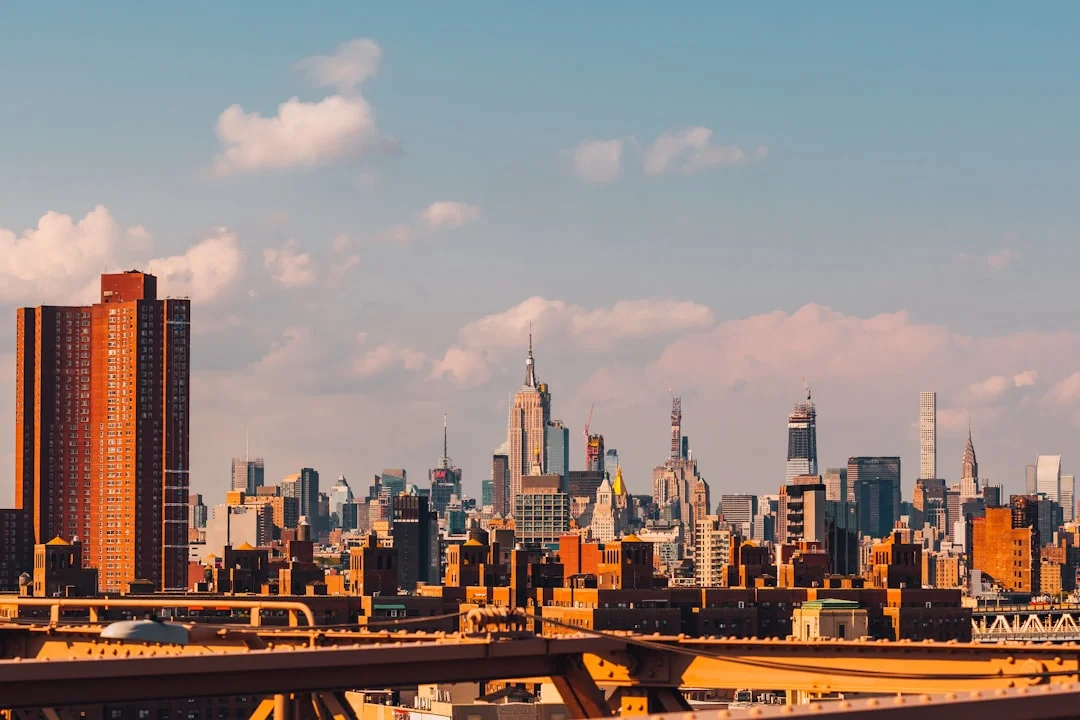
Rooftop markets, as a component of NYC’s urban economy, create new revenue streams for farmers, restaurateurs, vendors, and building owners. The Brooklyn Grange model demonstrates how rooftop production can feed nearby markets and urban dining landscapes, turning underutilized roof spaces into productive assets. The scale—three roofs with millions of pounds of produce over time—illustrates a pathway for rooftop spaces to contribute meaningfully to local supply chains and reduce some distance between farm and table. This is especially relevant in a city where ground-level real estate remains expensive and supply chains face disruption risk; rooftop markets provide diversification and resilience. The underlying data from Brooklyn Grange and Javits Center underscore the viability of rooftop produce programs as both aesthetic and economic assets. (nyc.gov)
As the broader NYC commercial real estate and retail landscapes navigate 2026 conditions—tight supply, polarized pricing, and a demand for high-quality assets—rooftop markets offer a novel value proposition. Real estate investors, building owners, and operators eye rooftop markets as catalysts for foot traffic, experiential tourism, and ancillary services that can monetize otherwise underutilized spaces. In the first half of 2026, Manhattan retail momentum extended beyond prime corridors, a trend that could amplify rooftop-market opportunities as landlords seek to differentiate their properties with market experiences and sustainability-forward amenities. This context bolsters the case for rooftop markets as a component of the city’s broader urban economy. (rebny.com)
Community, Equity, and Access
Rooftop markets also touch on equity and access by connecting residents to local farms and small vendors and by enabling diverse dining and shopping experiences in visually striking, transit-accessible locations. Greenmarket networks—GrowNYC’s programs—emphasize local sourcing and community engagement, which align with rooftop market goals by expanding the reach of locally produced food and supporting neighborhood economies. The city’s broader marketplace ecosystem can leverage rooftop markets to broaden access to fresh produce in communities that historically faced barriers to timely, affordable access. (grownyc.org)
From an urban planning perspective, rooftop markets contribute to climate resilience by promoting green roofs, cooling effects, and rainwater management. The Javits Center’s rooftop program and related sustainability literature highlight the environmental benefits of large-scale rooftop infrastructures, including biodiversity and energy efficiency gains. As NYC continues to prioritize climate adaptation and resilience, rooftop market initiatives may be positioned as both economic engines and environmental assets. (javitscenter.com)
Technology, Data, and Experience
Technology is a key driver of the 2026 rooftop-market storyline. Rooftop farms rely on soil science, irrigation systems, and controlled environmental practices, while rooftop markets increasingly pair food experiences with digital ticketing, vendor networks, and data-driven logistics. The combination of on-site farming and rooftop retail creates opportunities for technology-enabled supply chains, inventory optimization, and customer insights. While public reports emphasize the physical infrastructure and production scales, the next era for urban rooftop markets is likely to hinge on digital platforms that coordinate rooftop vendors, optimize harvest-to-market timing, and provide consumers with transparent sourcing information. The 2026 landscape—anchored by Brooklyn Grange’s multi-site operation and Javits Center’s rooftop farm—illustrates how physical infrastructure and digital capabilities can converge to create a robust rooftop-market ecosystem. (brooklyngrangefarm.com)
Section 3: What’s Next
Short-Term Outlook
Over the next 12 to 18 months, expect rooftop markets to deepen their integration with ground-level market systems and events. NYC’s urban rooftop market ecosystem is likely to see increased collaboration among rooftop farms, event venues, and local markets to cross-promote products and experiences. A notable example is the ongoing operation of Smorgasburg in NYC venues, which could inspire rooftop-adjacent market configurations at high-visibility rooftops, especially in mixed-use districts where foot traffic and transit access are optimized. The continued presence of Smorgasburg in 2026 signals consumer appetite for curated, seasonal market experiences in urban settings. (smorgasburg.com)
Temperature checks on the supply side suggest rooftop agriculture will continue to scale in prominence. The three-roof network of Brooklyn Grange and Javits Center’s one-acre Steel Farm provide a blueprint for multi-site rooftop farming that is capable of supporting market activity, culinary partnerships, and direct-to-consumer experiences. If city programs or private sector incentives favor rooftop farming and rooftop markets, 2026–2027 could see more rooftop installations and vendor networks that tie into seasonal market cycles, with potential expansion into other high-visibility rooftops and new venues. (nyc.gov)
Longer-Term Scenarios
In the longer term, urban rooftop markets NYC 2026 could be a springboard for a more integrated rooftop economy. This could involve:
- Increased rooftop-venue partnerships: Hotels, office campuses, and cultural centers collaborating with rooftop farmers and market operators to offer consistent, high-quality market experiences across seasons. The Javits Center case demonstrates how a major venue can host rooftop farming as a core sustainability component and a driver for on-site experiences. (javitscenter.com)
- Expanded rooftop farming footprint: As developers and building owners seek green infrastructure credit and tenant attraction, rooftop farming could proliferate beyond current hubs, potentially expanding to additional commercial rooftops and mixed-use rooftops across boroughs. Brooklyn Grange’s multi-roof footprint illustrates the scalability of rooftop farming as a long-term component of the city’s agricultural ecosystem. (brooklyngrangefarm.com)
- Data-driven market orchestration: Rooftop markets could adopt centralized platforms to coordinate harvest calendars, vendor rosters, and consumer demand signals. The broader NYC real estate and retail data environment—reflected in quarterly retail momentum reports and asset-investment trends—suggests a market that rewards efficiency, transparency, and measurable impact, all of which rooftop markets can deliver when paired with robust data systems. (rebny.com)
- Policy and equity-forward growth: As municipal and community organizations continue investing in local food systems, rooftop markets could receive policy support (per 2026 BID and urban policy data) that fosters equitable access to fresh produce and supports small vendors. The city’s ongoing neighborhood-level market initiatives provide a framework for rooftop markets to contribute to broader goals around food justice and local entrepreneurship. (nyc.gov)
Closing
The urban rooftop market story in NYC for 2026 is not a single headline but a layered development with roots in rooftop farming, market dynamics, and city strategy. From the three-roof operation of Brooklyn Grange to the Steel Farm atop the Javits Center, rooftop markets have evolved into a credible, data-informed component of New York City’s food system and commercial landscape. Smorgasburg’s 2026 season and GrowNYC’s Greenmarket framework further knit rooftop markets into the city’s daily life, offering New Yorkers both fresh produce and elevated experiences that capitalize on a skyline-rich urban culture. As the city moves forward, stakeholders—from building owners to policymakers and neighborhood organizers—will likely test new models for rooftop markets that blend production, retail, and public space. Readers should stay tuned to city announcements, market reports, and the schedules of major rooftop-market operators to catch the latest developments in Urban rooftop markets NYC 2026 and beyond. The rooftop economy is not just a trend; it’s a practical extension of New York City’s food system, its climate resilience strategy, and its enduring reputation as a global hub for innovation in urban life. (nyc.gov)

As this story continues to unfold, Manhattan Monday will monitor rooftop farming outputs, market openings, and policy signals that influence rooftop markets, delivering timely, data-backed updates to readers who rely on clear, credible reporting about Urban rooftop markets NYC 2026 and the evolving cityscape it inhabits. For ongoing coverage, readers can follow GrowNYC Greenmarkets, Smorgasburg, and Javits Center updates, along with industry analyses from real estate and urban agriculture practitioners. (grownyc.org)