Upper West Side Cultural Revival 2026: Venues and Transit
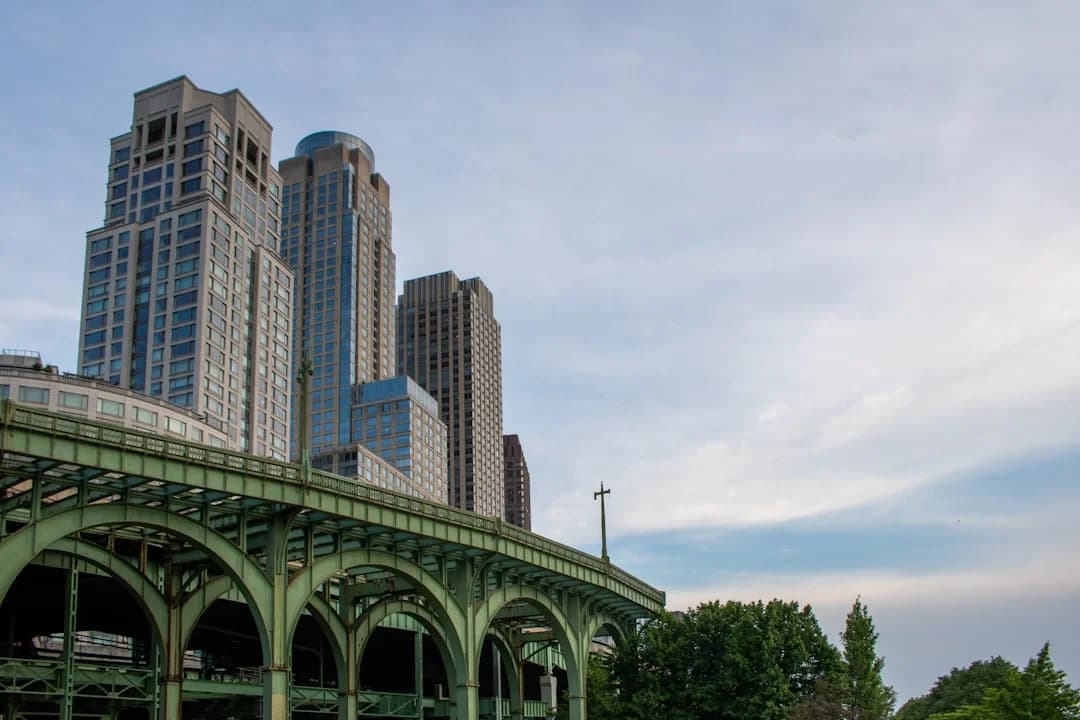
Photo by Zoshua Colah on Unsplash
The Upper West Side is entering a new era of cultural investment, anchored by the revival of a long-dormant landmark and supported by a growing roster of nearby institutions. In early April 2025, a nonprofit coalition announced it had purchased the Metro Theater on Broadway at West 99th Street for $6.9 million, backed by a $3.5 million discretionary grant from Governor Kathy Hochul and roughly $500,000 in state senate grants, with additional private contributions helping to close the deal. The sale marks a pivotal moment in the neighborhood’s push to transform its cultural landscape, one that intersects with broader market dynamics and transit-linked development across Manhattan’s Upper West Side. This development is a centerpiece of what observers are calling the Upper West Side cultural revival 2026—a data-driven, community-backed effort to reimagine arts access, live performance, and film culture in a dense, transit-rich urban corridor. (nbcnewyork.com)
Beyond the Metro Theater, the neighborhood’s cultural revival is advancing on multiple fronts. The Upper West Side is poised to welcome a major expansion of the New-York Historical Society campus, which will house the American LGBTQ+ Museum, slated to open in 2026 as part of a broader urban culture expansion. That museum milestone is part of a citywide pattern of museum and cultural-project growth, a trend that CityRealty has highlighted as part of a larger portfolio of new venues and experiences across New York City. The convergence of film, theater, and museum development on the Upper West Side aligns with a broader economic and cultural strategy in a neighborhood already experiencing notable real estate and transit-driven dynamics. (en.wikipedia.org)
This period of activity sits against a backdrop of market and development signals that help explain why the Upper West Side cultural revival 2026 matters. Real estate observers have tracked high-profile investment on the West Side, including Extell’s ABC Campus Tower project, which continues to shape the neighborhood’s development story through a mix of luxury housing, air-right dynamics, and affordability dialogues—a context that informs both demand for cultural amenities and the mix of uses that make a thriving arts district viable. The combination of institutional expansion, private philanthropy, and targeted public funding illustrates a multi-pronged approach to building cultural capacity while balancing the neighborhood’s housing and mobility needs. (manhattanmonday.com)
Opening the door to new cultural access in 2026 and beyond is not just about preserving a building; it’s about reimagining how residents and visitors experience arts, cinema, and learning in a neighborhood defined by its walkable streets and robust transit options. The Metro Theater revival is being positioned as a test case for a broader Upper West Side cultural revival 2026, with the potential to catalyze spillover effects in nearby venues, restaurants, and services that rely on strong foot traffic from local and visiting audiences. In the months since the sale, organizers have emphasized the importance of both preserving a historic Art Deco treasure and creating a sustainable, ongoing programming slate that can stand on its own in a competitive cultural market. (ny1.com)
What follows is a data-driven analysis of what happened, why it matters, and what’s next for the Upper West Side cultural revival 2026. The discussion draws on official announcements, newsroom reporting, and market analysis to provide a clear timeline, credible context, and a balanced view of potential impacts on residents, visitors, and the local economy.
What Happened
Acquisition and Funding
-
The pivotal event across the spring of 2025 was the completion of a $6.9 million purchase of the Metro Theater by the Upper West Side Cinema Center, a nonprofit formed to revive the landmark venue. The deal was facilitated by a combination of public support and private philanthropy, including a $3.5 million discretionary grant from Governor Hochul and a $500,000 grant from the New York State Senate, with additional backing from donors such as Steven Spielberg’s Hearthland Foundation. The transaction marked the first time in years that the theater’s ownership shifted with the explicit aim of reopening it as a community-focused arts center. News coverage and official statements tied the sale to a broader strategy of revitalizing neighborhood culture while preserving a cherished local landmark. The sale and its financing were widely reported in early April 2025 and subsequently summarized by several outlets, including state officials who highlighted the public-private partnership underpinning the project. (nbcnewyork.com)
-
The public-facing narrative around the deal was reinforced by local and state-level channels that underscored the theater’s significance to the community and to the region’s film culture. For example, state lawmakers and government press repositories documented the funding components and the collaborative nature of the effort, reinforcing the sense that this was a landmark investment in the neighborhood’s cultural infrastructure. The reporting also tracked the role of legislators and offices that helped secure the public funds, helping readers understand how state support translates into local cultural outcomes. (nysenate.gov)
Initial Programming and Site Plan
-
In a signal of early momentum, the new owners announced a local film series designed to re-engage audiences and demonstrate the theater’s accessibility and relevance well before a fully rebuilt facility would be ready. The Upper West Side Cinema Center outlined a ten-film spring and summer pop-up screening slate beginning in May 2025 and running through September 2025, leveraging neighborhood partnerships and a rotating set of venues to re-create the sense of a revival in the interim period. This approach allowed the community to experience the revival in stages, test programming formats, and generate early community feedback—an essential step for a project of this scale that seeks to balance heritage with modern amenities. (westsiderag.com)
-
The film-series plan was described as a bridging strategy: it kept the theater’s cultural pulse alive while the nonprofit navigated the capital campaign and design phases necessary to renovate the site. News outlets and local blogs alike noted that this phased programming would help gauge audience demand, refine partnerships with filmmakers and curators, and signal to potential funders that the project has immediate relevance and staying power. The approach also maps onto broader industry practices where aging cinema assets are revived through staged programming and community engagement before a long-term capital program is completed. (westsiderag.com)
Branding and Long-Term Timeline
-
Looking ahead, the project’s branding and long-range timeline have evolved in public discourse. In late 2025, local reporting and community blogs began outlining a possible rebranding of the revived venue as part of its long-range plan, with some coverage noting a placeholder name and a target reopening date years in the future. One prominent neighborhood outlet reported that the group had begun to explore naming options and a phased reopening plan, with an initial target window that could push the actual opening into 2028. While branding decisions are still evolving, these updates provide crucial signals to residents and stakeholders about when to expect a full-scale reactivation of the historic venue and how it may be positioned in the neighborhood’s cultural ecosystem. (westsiderag.com)
-
The public conversation around naming, branding, and schedule is not happening in a vacuum. It sits alongside ongoing citywide discussions about cultural capital, preservation of historic theaters, and the role of philanthropy in sustaining independent and art-house programming. Local outlets and industry insiders consistently framed the Metro Theater revival as a test case for how a single landmark can anchor a broader revitalization strategy—one that blends heritage, contemporary programming, and community access. This framing matters because it shapes donor expectations, municipal engagement, and future investment in the area’s cultural infrastructure. (westsiderag.com)
Why It Matters
Cultural and Economic Impact
-
The Metro Theater revival is more than a theater project; it is a bellwether for how the Upper West Side can leverage culture as an engine of local economic activity. A successful re-launch could create job opportunities in programming, operations, marketing, and hospitality, while driving ancillary spending at nearby restaurants, shops, and transit corridors. The public funding component—alongside private philanthropy—illustrates a model for how municipalities can catalyze cultural infrastructure without bearing sole responsibility for capital costs. The immediate effect is a demonstrable commitment to the arts that can reverberate through neighborhood planning discussions and development pipelines. The scale of the investment and the specificity of the grants also send a signal to other cultural organizations about potential public-private partnerships in the area. (nysenate.gov)
-
The broader cultural ecosystem around the Upper West Side is expanding in parallel. The expansion of the New-York Historical Society campus to include the American LGBTQ+ Museum—slated for 2026—adds a complementary anchor that broadens the neighborhood’s appeal to a wider audience. When viewed in concert with the Metro Theater revival, this expansion highlights a multi-venue strategy that can boost year-round cultural visitation and diversify the audience base. Museums, galleries, and performing arts venues on the Upper West Side increasingly form a cluster that draws residents and visitors for weekend programming and midweek events alike, reinforcing the neighborhood’s brand as a cultural hub. (en.wikipedia.org)
-
Citywide context matters here as well. CityRealty and other market analytics sources have pointed to a wave of museum and cultural projects across New York City, underscoring a broader trend toward culture-led urban development. The Metro Theater project sits within this larger mosaic, suggesting that the Upper West Side’s revival could benefit from spillover effects—both in terms of audience familiarity with the neighborhood’s cultural identity and in attracting ancillary investment from related sectors. (cityrealty.com)
Market Context and Real Estate Implications
-
The Upper West Side’s cultural revival 2026 must be understood alongside real estate dynamics and market opportunities on the West Side. Reports on West Side development note that high-profile projects and selective incentives influence the neighborhood’s appeal to both residents and cultural tenants. In particular, the ABC Campus site on the Upper West Side has been a focal point in discussions about mixed-use development, affordability considerations, and the balancing act between luxury towers and community-oriented spaces. These market signals help explain why a well-curated cultural spine is considered essential to sustaining a vibrant, walkable neighborhood that remains attractive to new residents and businesses. (manhattanmonday.com)
-
The financial architecture of the Metro Theater revival—combining a private purchase with public funding—also demonstrates how a measured, transparent funding approach can de-risk cultural redevelopment in a neighborhood with real estate sensitivity. The public grants and the nonprofit structure help create a predictable pathway for fundraising and capital planning, a model that other neighborhoods facing similar demographics and costs could study. Industry observers have noted that the trajectory of the UWS project—moving from acquisition to staged programming to a long-term renovation plan—aligns with best practices in theater and cinema revival, which require sustained funding and community buy-in to endure the capital-intensive renovation cycles and uncertain box-office economics of independent cinema. (nbcnewyork.com)
Transit, Mobility, and Neighborhood Connectivity
-
A core dimension of the Upper West Side cultural revival 2026 is how venues are integrated with transit and street-level life. The Metro Theater sits on Broadway at 99th Street, a location that benefits from multiple bus routes and proximity to subway lines that serve both the 1 and C/A lines, among others. In a dense urban fabric like the Upper West Side, such accessibility is not merely convenient; it is a competitive advantage for cultural institutions seeking sustained audiences. While long-range transit improvements are often discussed in City planning and neighborhood board conversations, the immediate implication for the Metro Theater project is clear: high accessibility reduces friction for attendance and expands the potential customer base. The ongoing narrative around the project is, in part, a story of how transit access can reinforce cultural vitality. (ny1.com)
-
The transportation dimension also intersects with the neighborhood’s broader development timeline. If the Uptown Film Center and related cultural anchors succeed in drawing a robust, year-round audience, transit patronage patterns could shift toward more evening and weekend flows, reinforcing the case for targeted service improvements and pedestrian-oriented infrastructure around Broadway corridors. This dynamic is consistent with the city’s broader interest in leveraging culture to sustain vibrant neighborhoods, which often manifests in a feedback loop of increased foot traffic, higher retail viability, and greater civic engagement. (cbwarburg.com)
What’s Next
Upcoming Milestones
-
May through September 2025 marks the first season of the Metro Theater’s local film series, a strategic prelude to the full-capital renovation. Ten curated screenings are planned across the neighborhood, with partnerships across venues and local curators to sustain audience interest and test programming concepts before a permanent rebuild is completed. The existence of this film series is an early indicator of the revival’s practical feasibility, validating the nonprofit’s ability to activate programming even before construction is complete. This phased approach aligns with typical revival trajectories for historic theaters and reflects a pragmatic stance toward audience-building and donor engagement in a multi-year project. (westsiderag.com)
-
The 2026 timeline includes the opening of the American LGBTQ+ Museum as part of the New-York Historical Society expansion, a milestone that broadens the neighborhood’s cultural portfolio. The museum’s presence will contribute to the UWS’s reputation as a center for inclusive, contemporary culture and will interplay with the Metro Theater’s future programming to create a more diversified cultural calendar. (en.wikipedia.org)
-
By late 2025, neighborhood reporting and local coverage began referencing a longer horizon for the revival, including potential rebranding and a targeted reopening window. One widely cited projection suggested a 2028 reopening under a new venue name—an outcome that would place the Upper West Side’s cultural revival on a distinct, durable track after several years of staged programming and capital work. While branding decisions and exact dates may shift, the 2028 target remains a useful shorthand for readers to gauge the revival’s maturity and the scale of capital required. (westsiderag.com)
Timeline and Next Steps
- In practical terms, readers should watch for three kinds of developments over the next 12–24 months:
- Capital and fundraising milestones: additional private donations and public support shaping the renovation budget and timeline. The early public funding signal demonstrates that the project has a credible financing path, but sustaining that path will require ongoing philanthropy and civic backing. (nbcnewyork.com)
- Programming announcements and partnerships: expanded film series, curated screenings, and partnerships with regional film networks and academic institutions will help anchor the revival while the building undergoes upgrading. The May–September 2025 program provides a template for how the organizers intend to balance community access with high-quality programming. (westsiderag.com)
- Renovation milestones and branding updates: architectural design selections, construction milestones, and a naming/branding decision will shape public perception and fundraising momentum. Media reports in late 2025 highlighted ongoing branding conversations and a longer-term reopening target, underscoring the importance of clear communication with the community. (westsiderag.com)
What to Watch For
- The most telling indicators of momentum will be: (a) ongoing fundraising results and public-sector assistance beyond the initial grants, (b) the breadth and ambition of programming once the venue reopens, and (c) the degree to which the revival leverages transit and street-level activation to sustain a daily audience beyond special events. Observers should monitor statements from the nonprofit leadership, local civic organizations, and neighborhood business improvement districts for clues about how cultural programming will align with retail, dining, and residential growth on the Upper West Side. The interconnected nature of funding, programming, and urban design means that small shifts in any one area can influence the speed and shape of the revival’s implementation. (uwscinema.org)
Closing
The Upper West Side cultural revival 2026 represents a carefully choreographed push to rekindle a neighborhood’s arts identity while embracing the realities of 21st-century urban life—public funding, private philanthropy, and a diverse mix of cultural offerings all playing a role. The Metro Theater revival provides a concrete, high-profile focal point for that effort, while parallel developments—such as the LGBTQ+ Museum expansion within the New-York Historical Society complex—promote a broader, more inclusive cultural map for the Upper West Side. Taken together, these threads outline a neighborhood that is actively shaping its cultural economy through strategic investment, thoughtful programming, and an awareness of how mobility, housing, and public space intersect with artistic life. The coming years will reveal how well this multi-venue, transit-connected model translates into sustained attendance, resilient civic engagement, and ongoing investment in the Upper West Side’s cultural vitality. For residents and readers following the Upper West Side cultural revival 2026, staying engaged means watching for fundraising updates, programming announcements, and renovation milestones—signals that the revival is moving from concept to concrete community benefit. (nbcnewyork.com)
The news cycle around the Upper West Side’s cultural revival 2026 is evolving, but the core narrative remains clear: a neighborhood with a storied cultural past is pursuing a modern, data-informed strategy to rebuild its arts ecosystem, in ways that align with transit, housing, and market dynamics. As these projects unfold, observers will want to track how audiences respond to new programming, how real estate markets reflect the cultural investment, and how public-private partnerships translate into lasting community assets. The coming years promise to be defining for the Upper West Side, a district whose cultural revival could become a model for how cities balance preservation, innovation, and inclusive access in a changing urban landscape. (nysenate.gov)