Upper Manhattan Cultural Corridor 2026 Expands with Arts

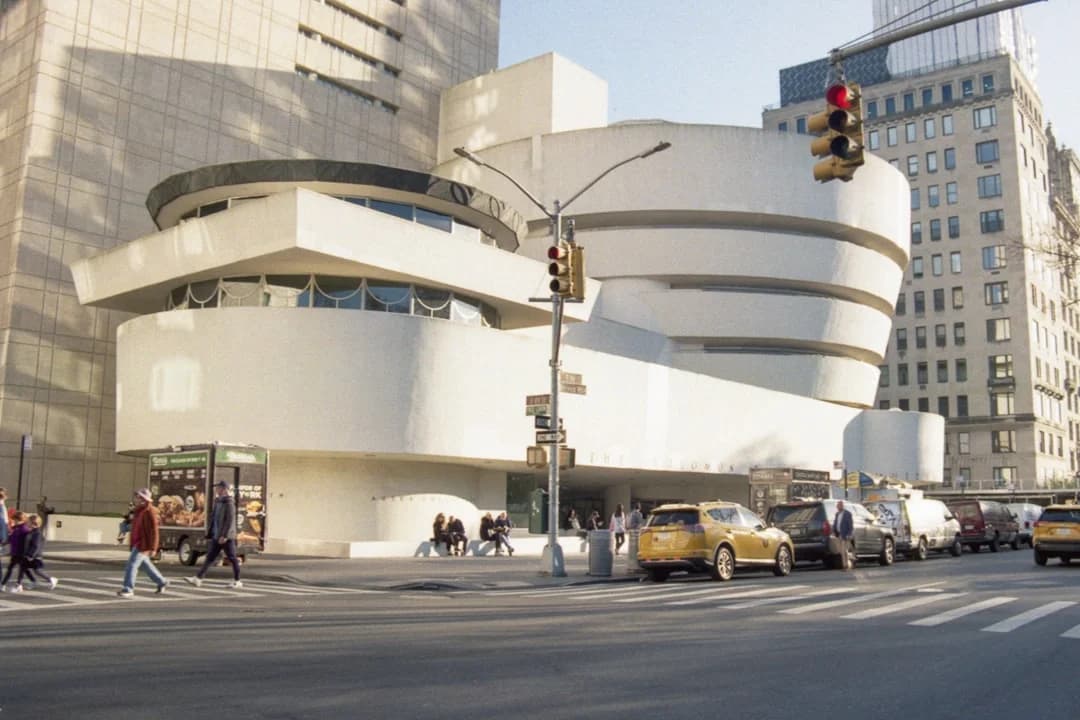
Photo by Shots of Torono on Unsplash
The Upper Manhattan cultural corridor 2026 is taking shape as a bevy of high-impact projects converge along Harlem’s historic 125th Street and nearby East Harlem. This report from Manhattan Monday traces a data-driven path through recent openings, funded renovations, and planned developments that together are redefining culture, commerce, and community life in Upper Manhattan. The corridor’s evolution matters not only to art lovers and residents but also to real estate markets, local businesses, transit planning, and public policy aimed at inclusive growth for neighborhoods that have long served as cultural anchors for the city.
In late 2025 and into 2026, a cluster of headline initiatives underscores a broader trend: cultural institutions and city-led investments are aligning to create a measurable economic and social footprint. The Studio Museum in Harlem, a cornerstone of the corridor, completed a new building in November 2025, signaling a new era of programming capacity and visitor intensity on West 125th Street. At the same time, the Apollo Theatre, long a cultural beacon for Harlem, is undergoing a major transformation with significant city support for infrastructure upgrades that reflect a public-private partnership model now familiar across the city’s cultural ecosystem. Across East Harlem, the formation of the East Harlem 125th Street Business Improvement District and related investment in mixed-use, arts-friendly spaces illustrate a coordinated effort to blend culture, housing, and enterprise along the corridor. These developments collectively illustrate how technology-enabled planning, private capital, and cultural policy are shaping a more resilient, data-driven Upper Manhattan cultural corridor 2026. (culture.org)
What Happened
Studio Museum Harlem unveils a new building, unlocking a new scale of programming
The Studio Museum in Harlem opened a $300 million, six-story, 82,000-square-foot building on 144 West 125th Street in November 2025, marking one of the most significant physical expansions in Harlem’s arts landscape in the 21st century. Designed by Adjaye Associates in collaboration with Cooper Robertson, the new space expands exhibition capacity, residency programs, and public programming—anchoring the eastern end of what many observers describe as Harlem’s cultural corridor. The project’s scale signals a durable commitment to Black and African-diaspora contemporary art within Upper Manhattan and positions 125th Street as a fulcrum of national and international attention. The building’s opening followed years of fundraising and planning that culminated in a landmark moment for access to modern art in Upper Manhattan. > “Opening a new home for the Studio Museum in Harlem is a transformative step for the community and artists who have long depended on Harlem as a cultural incubator,” stated museum leadership during the unveiling. (culture.org)
Apollo Theater expansion advances with substantial city-backed investment
The Apollo Theater continues to evolve from a historic concert hall into a broader performing-arts center, leveraging a public-private framework. In 2019, the Apollo announced the first phase of the Victoria Theater Redevelopment Project, envisioning two new theaters within the existing complex at 233 West 125th Street to broaden programming, education, and community engagement. Though originally targeted for a fall 2020 opening for those components, subsequent funding milestones reflect a continued, multi-year redevelopment. Notably, the City of New York’s Economic Development Corporation allocated $23 million to support renovations of the Apollo, supplemented by grants from the NYC Department of Cultural Affairs totaling more than $20.7 million and an additional $10 million from Empire State Development through the New York Works fund. These investments highlight a sustained public commitment to Harlem’s cultural economy and to ensuring the Apollo remains a cornerstone institution within the Upper Manhattan corridor. “The Apollo Theater is one of New York City’s great cultural institutions, a global brand and the pride of Harlem,” one city official noted in the related press materials, underscoring the project’s significance beyond local neighborhoods. (edc.nyc)
East Harlem’s 125th Street corridor attracts new public-private momentum
Beyond its anchor institutions, East Harlem’s commercial and cultural corridor has seen a wave of policy and development activity designed to unlock investment while preserving local character. In mid-2025, City officials announced the formation of the East Harlem 125th Street Business Improvement District (BID), a formal mechanism to coordinate safety, streetscape improvements, and cultural programming across the corridor. The BID’s launch included new funding streams and a commitment to support small businesses, with city grants totaling more than $4.4 million distributed across community-based organizations to bolster neighborhood vitality and job opportunities. The BID’s emergence aligns with broader planning narratives about Harlem and East Harlem as a contiguous cultural district, where arts institutions, eateries, retail, and housing developments intersect to create a more sustainable economic ecology. (nyc.gov)
The corridor’s broader development spine: infrastructure and policy alignments
In parallel with the above cultural investments, recent city planning and transportation initiatives have begun to thread cultural outcomes into long-term infrastructure planning along the corridor. A major policy signal came from ongoing discussions about transit-oriented development around East Harlem’s 125th Street hub, including rezoning efforts around Lexington Avenue to unlock new mixed-use development while safeguarding community benefits. The public review process for the 125th Street and Lexington Avenue project, announced by City officials in 2025, anticipates hundreds of new homes and retail spaces, with a substantial share reserved for affordable housing. This policy framework complements the cultural investments by improving accessibility for visitors and residents to the corridor’s museums, theaters, and community spaces. (nyc.gov)
Related corridor initiatives that reinforce Upper Manhattan’s cultural momentum
Several other developments contribute to the sense that the Upper Manhattan cultural corridor 2026 is less a single program and more a continuum of coordinated efforts across institutions and government agencies. For example, the Harlem Gateway Waterfront Initiative, announced in prior years, was framed as a multi-year effort to transform the West Harlem piers at 125th Street into a cultural and economic engine, creating jobs and attracting visitors through maritime experiences, arts programming, and retail. While the initiative’s public timetable has evolved, it remains a reference point for how cultural venues and waterfront assets can be integrated into a broader corridor strategy. (harlemwaterfront.com)
These developments—Studio Museum Harlem’s new home, Apollo Theater’s ongoing transformation, and East Harlem’s BID-driven corridor investments—are part of a broader pattern in which cultural institutions anchor neighborhood resilience and urban vitality. They also illustrate how technology-enabled planning, data-driven economic development, and coordinated public-private investments can shape the trajectory of a cultural corridor over multiple years. As of late 2025 and early 2026, observers describe Harlem’s 125th Street and adjacent East Harlem as a living case study in how a cultural district can drive tourism, local employment, and neighborhood reinvestment while balancing affordability and preservation of cultural identity. (culture.org)
Why It Matters
Economic impact: jobs, investment, and visitor dynamics
The Upper Manhattan cultural corridor 2026 developments are expected to influence local employment and business vitality in measurable ways. The Studio Museum Harlem’s expansion increases programming capacity and anticipated attendance, which in turn can lift nearby hospitality, retail, and service sectors along West 125th Street. While exact attendance projections vary by program and season, industry analyses of expanded museum campuses consistently show spillover effects—new jobs, increased foot traffic, and greater consumer spend in surrounding districts. The Studio Museum’s new building also broadens residency and grant opportunities for local artists, potentially expanding the cultural economy’s supply chain and its alignment with tech-enabled arts-management tools. The new Apollo facilities, supported by a combined public-private funding package, are similarly positioned to amplify cross-pollination between performance, education, and community engagement programs, attracting audiences from across the city and beyond. (culture.org)
The East Harlem corridor’s economic strategy—via the East Harlem 125th Street BID and related development—emphasizes small-business supports, streetscape improvements, and culturally resonant retail. This approach aligns with observed patterns in other city corridors where public incentives, neighborhood branding, and targeted capital improvements produce a measurable uplift in foot traffic and spend. Local news coverage and city documents show that the BID coordinates with cultural institutions, housing planners, and private developers to ensure that art, culture, and commerce advance in a way that benefits residents, workers, and visitors alike. These measures can be especially influential in a post-pandemic urban economy that prizes vibrant public spaces, accessible arts programming, and mixed-use vitality. (nyc.gov)
Cultural strategy and equity: who benefits and how
Cultural corridor strategy, particularly in Upper Manhattan, has increasingly prioritized equity and access. The Studio Museum Harlem’s emphasis on inclusive programming and residencies—designed to empower artists of African descent and other underrepresented groups—serves as a core element of a broader equity-driven cultural policy. The Apollo’s expansion, with its focus on community programs and education, also reflects a trend toward using flagship venues as platforms for local artists and community organizations. East Harlem’s BID framework explicitly aims to support minority-owned businesses and community-based nonprofits, reinforcing the notion that culture can be a mobilizing economic force rather than a purely symbolic asset. Taken together, these developments show how culture, technology, and policy can converge to widen participation and share benefits across historically underserved neighborhoods. (culture.org)
Tech-enabled planning and market signals
The Upper Manhattan corridor narrative benefits from technology-enabled planning tools, including data dashboards, public engagement platforms, and performance analytics used by cultural institutions and city agencies to measure attendance, economic impact, and program reach. The Atlas of corridor investments, combined with real estate and transit planning data, suggests that cultural anchors such as the Studio Museum, Apollo, and large-scale residential-and-cultural developments in East Harlem can produce a multi-decade uplift in both the cultural and commercial fabric of the neighborhood. City planning reports, development disclosures, and public announcements indicate a trend toward synchronizing cultural investments with housing affordability, transit access, and local hiring commitments—an approach designed to increase resilience, attract creative industries, and sustain long-run vitality for the corridor. (nyc.gov)
What’s Next
Milestones to watch on the 125th Street corridor
A near-term milestone for the Upper Manhattan cultural corridor 2026 is the continued occupation and programming of the Studio Museum Harlem’s new home. While November 2025 marked a formal opening, ongoing exhibitions, residencies, and education initiatives will shape the corridor’s image and visitor profile through 2026 and into 2027. Observers will track how the new facility integrates with surrounding venues such as the Apollo Theater and East Harlem’s cultural institutions to create a coherent cultural circuit that can be marketed to tourists and residents alike. The corridor’s success will hinge on a sustained calendar of cross-institution collaborations, including joint exhibitions, artist-in-residence exchanges, and shared education programs that connect West 125th Street to Lexington Avenue corridor hubs. (culture.org)
Transit and urban form moves that influence access
The 125th Street and Lexington Avenue transit planning discussion, and related rezoning efforts, will influence how easily audiences can access the corridor’s cultural amenities. Public reviews for the transit-oriented development around East Harlem’s major transit nodes are slated to continue through 2026, with a focus on balancing new housing with affordable options and ensuring that retail and cultural spaces remain accessible and affordable for longtime residents. The city’s public-briefing materials indicate that stakeholder engagement will be a key component, ensuring that the corridor’s growth aligns with community needs and safety objectives while expanding visitor capacity. (nyc.gov)
The role of private capital and cultural policy in shaping outcomes
As the corridor matures, private philanthropic and cultural-sector investments will play a pivotal role in shaping programming and capability. The Apollo Theater’s ongoing renovation demonstrates how philanthropic funding, city support, and corporate partnerships can co-create a sustainable expansion of cultural infrastructure. The Studio Museum Harlem’s fundraising trajectory and its relationship with national funders illustrate how flagship institutions can anchor a broader neighborhood economy by attracting scholars, curators, and audiences from across the city and the country. East Harlem’s BID capitalizes on a coordinated policy environment to align business services, cultural events, and neighborhood improvements in a way that strengthens the corridor’s overall appeal. As the market absorbs these investments, stakeholders will watch for indicators such as attendance growth, retail turnover, and housing affordability indicators to gauge progress toward a balanced cultural-economy model. (edc.nyc)
Potential signals from adjacent urban and cultural trends
Beyond Harlem and East Harlem, broader city and regional initiatives related to cultural infrastructure—such as waterfront activation, museum expansion programs, and transit-oriented development around major corridors—provide a template for how the Upper Manhattan cultural corridor 2026 could evolve. The interplay between cultural institutions, waterfront assets, and transportation investments offers a blueprint for creating a resilient, visitor-friendly, and economically robust cultural district. Observers will likely compare Harlem’s corridor with other urban cultural corridors to extract best practices in programming mix, accessibility, equity, and long-term financing. These comparisons will be especially valuable as institutions aim to sustain attendance and relevance in a changing media and technology landscape. (harlemwaterfront.com)
Closing
The story of the Upper Manhattan cultural corridor 2026 is, at this stage, a story of convergence. A set of flagship institutions—the Studio Museum Harlem, the Apollo Theater, and the surrounding East Harlem corridor—are aligning with city planning and private investment to reimagine a cultural district that honors history while expanding access and opportunity. The November 2025 opening of Harlem’s contemporary art hub represents a tangible milestone, while the continued evolution of the Apollo and adjacent developments demonstrates the ambition of turning cultural capital into lasting community and economic value. For readers following the corridor, the signal is clear: culture, technology-driven planning, and inclusive growth are intersecting to reshape Upper Manhattan in a way that could endure through 2026 and beyond. Citizens and visitors should stay tuned to Manhattan Monday for ongoing coverage, including updates on programming, policy decisions, and new partnerships that will influence the corridor’s trajectory in the near term.
To stay updated, monitor official announcements from the Studio Museum Harlem, the Apollo Theater, the East Harlem BID, and New York City agency newsrooms, as well as independent reporting on Harlem’s evolving cultural ecosystem. The corridor’s momentum invites continual observation of attendance, investment, and everyday cultural experiences that residents and visitors alike can enjoy as part of a dynamic, data-informed urban culture story. (culture.org)