Underground Cultural Spaces NYC 2026: Trends & Impact
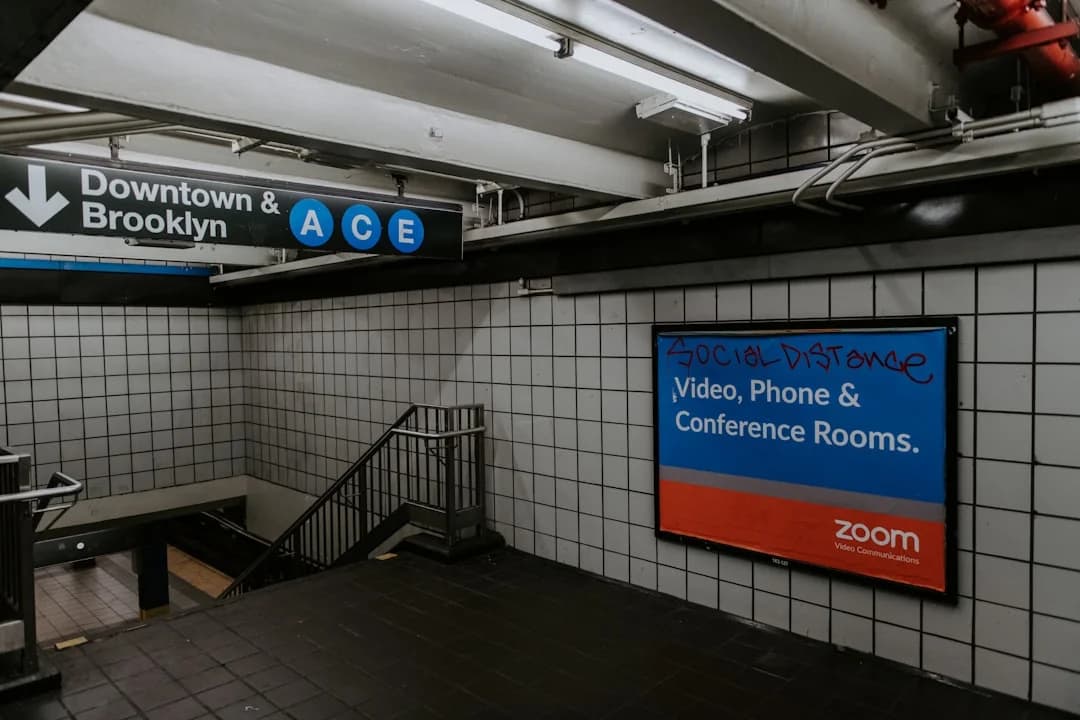
Photo by Andy Henderson on Unsplash
New York City is poised to intensify its embrace of underground civic and cultural spaces in 2026, a trend that city agencies describe as both a practical reuse of underutilized space and a strategic expansion of the cultural economy. The announcement comes as part of a broader citywide push to unlock vacant and underutilized spaces for culture, arts programming, and community engagement. The development is framed as a response to a tight commercial real estate market, expanding a model in which underused or city-owned spaces are activated for public life, small venues, rehearsals, and experiential programming. This is not a single venue opening but a coordinated, data-driven approach to unlock new cultural infrastructure beneath and beyond Manhattan’s recognizable theatre districts. Underground Cultural Spaces NYC 2026, as described in city planning and nightlife reports, signals a shift toward formalizing activation of spaces that have historically been unused or intermittently accessible, with a focus on safety, accessibility, and long-term sustainability. (nyc.gov)
The timing matters. In late 2025, New York City’s Office of Nightlife (ONL) launched a Nightlife Grant initiative designed to support community-based projects that improve safety, expand workforce development, and reinforce nightlife’s role as a driver of culture and economic activity. That program, first rolled out in September 2025, is part of a wider set of reforms and pilot activations intended to feed into a 2026 rollout of underground and underutilized-space activations. The grant projects span multiple neighborhoods, reflecting a citywide approach to cultural infrastructure that leans on smaller, community-led initiatives as a backbone for larger policy goals. The fund emphasizes not only programming but also addressing structural gaps facing nightlife venues across the city, including training, safety, and operational resilience. These efforts are documented in city reports and press materials as a backbone for future underground cultural activation. (nyc.gov)
As readers digest the coming months, the focus will be on concrete pilots, regulatory adjustments, and public-awareness campaigns that help translate policy into accessible, active spaces. The broader narrative is that 2026 could see a series of controlled activations in spaces that previously sat vacant or underused—some of which sit below street level, thus contributing to the “underground” dimension of this cultural push. City documents also frame this work as part of a broader push to activate vacant and underutilized city-owned space for culture, a shift that urban planners and cultural advocates say could help stabilize neighborhoods, diversify cultural offerings, and create new pathways to employment in the arts and events sectors. >“Repurpose vacant and underutilized city-owned space for culture” is a guiding principle in the latest policy discussions, and it appears in ongoing policy recommendations and program descriptions.(nyc.gov)
Section 1: What Happened
The City’s Announcement and Timeline
In December 2025, New York City official channels outlined a coordinated plan to expand cultural space utilization by leveraging underground and underused city real estate. The formal push includes a combination of grants, data-driven space identification, and regulatory improvements designed to speed up approvals for temporary and longer-term cultural uses. The policy framework is anchored in the city’s broader cultural and nightlife strategy, which signals a multi-year commitment to rethinking how space is used at all hours and across neighborhoods. The city’s 2024–2026 policy arc emphasizes enabling flexible cultural use, improving safety standards, and reducing barriers to entry for small and DIY cultural operators who lack the scale or capital of large institutions. This overall approach aligns with broader city goals around resilience, equity, and economic development, and it positions Underground Cultural Spaces NYC 2026 as a real, policy-backed trajectory rather than a single venue opening. (nyc.gov)
Photo by ian dooley on Unsplash
The Timeline and Key Milestones
- September 2025: The Nightlife Grant initiative was launched to support community-based projects that strengthen cultural production, public safety, and workforce development around nightlife venues. This program marks a deliberate move to connect cultural activations with local communities, ensuring that the broader policy framework translates into tangible programming across districts. The grant cohort and its projects reflect neighborhood-specific needs, from safety training to corridor-level collaboration. The FY26 cohort details show a portfolio of projects tailored to conditions in East New York, Sunset Park, Jackson Heights, and other neighborhoods, underscoring a citywide approach to cultural activation that includes underground or subgrade spaces where feasible. (nyc.gov)
- May 1, 2026: City officials reported progress in mediation and community-venue relations as part of the Nightlife safety and compliance framework. By this date, mediation activity under MEND NYC had completed 113 successful mediations, resolving 87% of cases that moved into mediation, with ongoing efforts to improve complaint resolution, inspection efficiency, and neighborhood engagement. While not exclusive to underground sites, these safety and governance mechanisms are essential to sustaining any underground activations that involve public access, performances, or late-night activity. (nyc.gov)
- 2026 and beyond: Pratt Center for Community Development has been leading a citywide mapping initiative focused on documenting former nightlife spaces, beginning with Manhattan, with the aim of creating a publicly accessible database and narrative about how spaces have evolved, closed, or transformed over several decades. This data-driven mapping is intended to inform future activations, reduce uncertainty for operators, and help planners anticipate where new cultural hubs can emerge without displacing existing communities. (nyc.gov)
Grants, Space Activation, and Data Initiatives
The Nightlife Grant program is a centerpiece of the city’s method to seed and sustain underground cultural activations while providing critical safety and workforce development support. Its design recognizes that small and immigrant-owned nightlife venues face structural barriers—ranging from training and language access to insurance costs and licensing delays. The grant program responds by funding projects that rebuild cultural infrastructure and create new employment pathways in a sector that has historically faced volatility. The program’s emphasis on safety, hospitality training, and local workforce pipelines is described in detail in ONL materials and related city press coverage. “The Nightlife Grant initiative is designed not only to support programming, but to address persistent structural gaps facing nightlife businesses across New York City,” the ONL report states, highlighting the oft-cited challenges such as insurance cost pressures, hours-of-operation constraints, and the need for clearer pathways to open and operate. (nyc.gov)
Beyond grants, the Pratt Center’s manifold data efforts are central to building a real-world map of where underground, basement, and other subgrade spaces might be activated for culture. The mapping project emphasizes transparency, helps avoid overlap, and aims to guide investment toward neighborhoods with unmet cultural infrastructure. As the report notes, Pratt Center’s work focuses on documenting former nightlife spaces with an initial emphasis on Manhattan, signaling a deliberate approach to understanding historical patterns of use, displacement risks, and opportunities for reactivation in the modern regulatory environment. The practical objective is to produce a publicly accessible database and narrative that supports community planning, artist residencies, and pop-up activations in subgrade settings, including potential underground spaces where safety standards are explicitly defined and enforced. (nyc.gov)
Policy documents also highlight a pragmatic path for permitting and regulatory reform to facilitate underground or temporary cultural use. The Nightlife recommendations push for easier permitting for temporary cultural uses, streamlined interagency reviews, and clearer guidance on safety standards for venues that operate outside traditional hours or in nontraditional spaces. Notably, the report calls for modernizing rules around dancing and live music, ensuring that evolving cultural formats can flourish without triggering unnecessary regulatory friction. It also stresses the importance of protecting venues near new development from displacement and noise-related pressures, offering frameworks for acoustic guidance and negotiated mitigation. Taken together, the policy direction creates a credible infrastructure for Underground Cultural Spaces NYC 2026 to emerge in a controlled, safe, and equitable manner. (nyc.gov)
Regulatory breakthroughs are also seen in discussions around repurposing vacant or underutilized city-owned space for culture, including the activation of spaces that sit below street level or in areas with limited nightlife infrastructure. The ONL’s policy roadmap emphasizes the benefits of utilizing hybrid or flexible spaces—such as studios, rehearsal rooms, small venues, and community-led cultural uses—in underused commercial corridors. This aligns with a broader city aim to diversify cultural anchors and to reduce the risk that rising rents or development pressures erode the city’s smaller, independent cultural ecosystem. The language and proposals in the ONL report underscore a long-term commitment to making underground or subgrade activations viable within a robust regulatory framework, ensuring public safety, accessibility, and cultural stewardship. (nyc.gov)
Section 2: Why It Matters
Cultural Resilience and Accessibility
Underground Cultural Spaces NYC 2026 is not just about creating new venues; it’s a test of cultural resilience in a city where space is among the costliest commodities. By activating underutilized spaces, the city aims to distribute cultural access more evenly across neighborhoods that have historically had less access to formal cultural institutions. The Nightlife Grant initiative explicitly ties cultural programming to community safety and economic opportunity, recognizing that venues are not only places for performances but also nodes of social cohesion and local employment. As city planners note, these activations can stabilize foot traffic in districts that have experienced displacement pressures while enriching the nighttime economy with diverse programming that serves a broad cross-section of residents and visitors. The ONL’s emphasis on safer spaces, workforce development, and governance improvements reinforces the idea that underground activations must be embedded in a broader ecosystem of community support and regulatory clarity. >“Cultural spaces function as critical infrastructure—sites of community connection, artistic production, and informal support networks,” a principle echoed in the Nightlife Grant materials.(nyc.gov)

Photo by Sarah Wood on Unsplash
Economic and Employment Impacts
A core logic of Underground Cultural Spaces NYC 2026 is that cultural activation can be economically meaningful beyond the headline performances. The Nightlife Grant program explicitly frames its mission in terms of economic activity and workforce development. The city’s 2024–2026 policy arc envisions grants that help venues hire staff, provide safety training, and partner with local businesses to drive foot traffic and neighborhood vitality. The ONL materials describe a set of neighborhood-based projects designed to generate tangible benefits, including job opportunities in lighting, sound, stage management, hospitality, and technical service roles. The city’s own data notes that small nightlife businesses confront rising insurance costs, licensing delays, and hours-of-operation constraints; addressing these issues through targeted support and streamlined processes can create a more stable base for underground activations to thrive. The broader policy language also highlights that repurposing vacant city-owned spaces can restore foot traffic, diversify districts, and strengthen the city’s cultural base, which in turn supports a wider set of local businesses and nearby services. (nyc.gov)
Within the policy ecosystem, a broader umbrella program sometimes cited in city communications predicts significant economic spillovers from well-planned cultural infrastructure. In related city planning and development communications, City Canvas and similar initiatives are described as capable of generating billions of dollars in economic impact and thousands of jobs when integrated with cultural programming and neighborhood revitalization strategies. While not limited to underground venues, these figures illustrate the scale of potential benefits when cultural activities are strategically located and well managed. The Pratt Center’s mapping work and the Nightlife Grant program are positioned as essential precursors to realizing those benefits in practice by guiding investments to spaces that can host a range of cultural activities, from intimate performances to multi-day residencies and cross-disciplinary programming. (nyc.gov)
Equity and Displacement Considerations
A persistent thread in the Underground Cultural Spaces NYC 2026 conversation is equity. The ONL’s policy considerations underscore the risk that new cultural activations could inadvertently contribute to displacement if not carefully managed. The Nightlife Grant framework explicitly calls for safeguarding practices to protect vulnerable workers and to ensure that new cultural activity does not become a magnet for displacement-driven price pressures on surrounding communities. The policy recommendations advocate for protection against “complaint abuse,” better inspections coordination, and safety programs designed with diverse communities in mind. Moreover, the plan’s emphasis on data-driven space activation—such as Pratt Center’s Manhattan-focused mapping—aims to illuminate patterns of past use and gentrification, enabling planners to identify where cultural activity can be anchored in community-needs rather than simply chasing foot traffic. In short, Underground Cultural Spaces NYC 2026 as envisioned by city agencies aspires to be a culturally inclusive enterprise with explicit mechanisms to monitor risk and mitigate negative impacts on longtime residents. (nyc.gov)
Broad Context: A Citywide Architecture for Underground Activations
The significance of underground activations extends beyond a single district or a handful of venues. City planners describe a strategy that positions culture as a whole-city infrastructure—complementing traditional cultural institutions and creating an ecosystem where underground and subgrade spaces can support a diverse mix of programming. The policy framework envisions a future in which permit processes for temporary cultural uses are streamlined, safety standards are clearly defined, and a shared vocabulary of best practices helps operators plan, stage, and scale experiences that may be site-specific and time-bound. This strategy is reinforced by public-sector efforts to repurpose vacant or underutilized space for culture, which aligns with broader urban planning priorities around resilience, accessibility, and inclusive growth. The practical implication for readers is that there could soon be more opportunities to explore immersive experiences in unexpected places, with structured guidelines and safety protocols to ensure that such experiences are welcoming for all New Yorkers. (nyc.gov)
Section 3: What’s Next
Near-Term Milestones and Pilot Activations
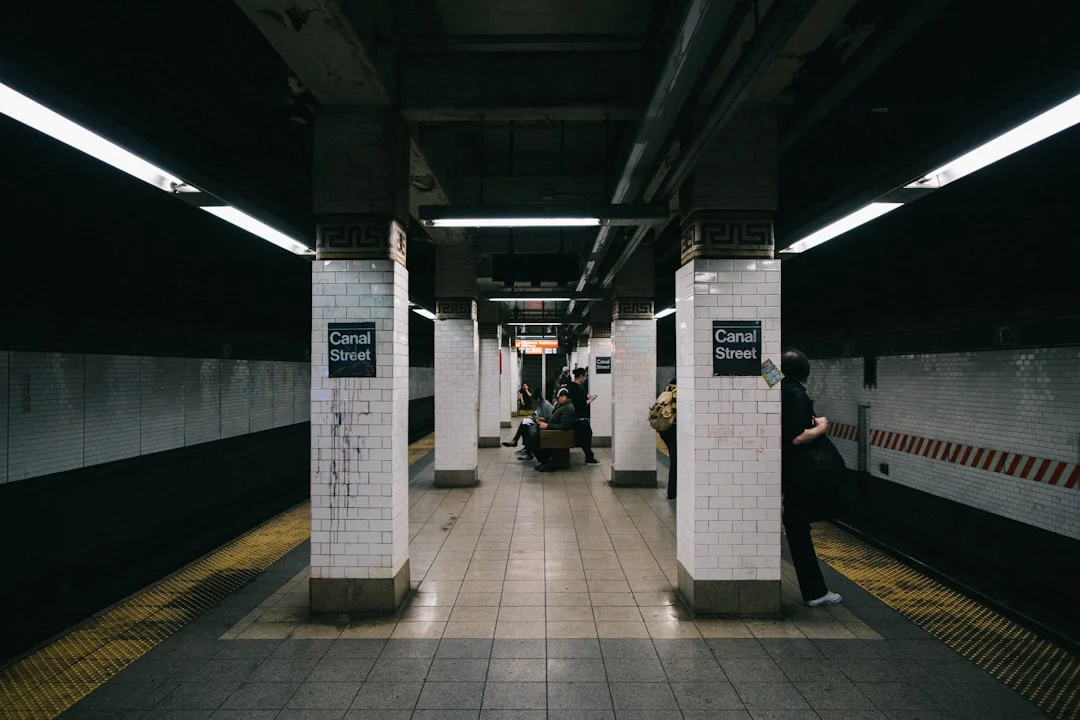
Photo by Hunter Reilly on Unsplash
Looking ahead, the city’s immediate next steps involve advancing pilot activations in spaces identified through data-driven processes and community input. The Pratt Center’s ongoing Manhattan-focused mapping project will continue to produce a publicly accessible database of former nightlife venues, alongside narrative analyses that highlight patterns of use and the potential for reactivation. This data product is intended to reduce uncertainty for venue operators and cultural producers, enabling better planning and collaboration with neighborhood groups and elected officials. The Nightlife Grant program’s FY26 cohort is expected to roll out in the coming months, with grantees announced and projects beginning to operate in early 2026. The goal is to demonstrate that underground or subgrade spaces can host safe, accessible, and legally compliant cultural programming while contributing to a more vibrant late-night economy. (nyc.gov)
Timeline and What to Watch For
- Q3 2025–Q1 2026: Grant awards issued to community organizations and venue operators; safety and workforce development components begin in tandem with programming. This period marks the practical onset of Underground Cultural Spaces NYC 2026 as a funded initiative rather than a policy footnote. (nyc.gov)
- Mid-2026: First wave of activations at selected sites—potentially including underground or subgrade spaces—opened to the public for limited runs, with safety protocols, audience capacity limits, and accessibility measures clearly posted. These activations serve as live case studies for the city’s regulatory approach and can inform future expansions. The ONL’s ongoing advocacy for flexible permitting and improved review processes will be tested in real-world contexts as operators launch programs in nontraditional venues. (nyc.gov)
- Late 2026: A formal evaluation of pilot projects, including updates to the mapping database, stakeholder roundtables, and revised permitting guidance. The city’s policy language indicates that feedback loops will shape a more scalable framework for Underground Cultural Spaces NYC 2026 in the subsequent years, with adjustments to occupancy standards, safety requirements, and cross-agency coordination. (nyc.gov)
Longer-Term Outlook and Potential Scenarios
If Underground Cultural Spaces NYC 2026 achieves its intended outcomes, the city could see a broadening of cultural access and a more resilient cultural economy anchored by an expanded network of underground and underutilized spaces. The combination of targeted grants, data-driven space identification, and regulatory modernization could help transform basements, subways-adjacent spaces, and other underused city-owned locations into sustainable venues for performance, installation, and community programming. Experts suggest a few plausible trajectories:
- A tiered activation model in which short-run, pop-up experiences inform longer-term commitments to subgrade sites that meet safety and accessibility standards.
- Greater collaboration among cultural groups, small businesses, and neighborhood coalitions to create “culture corridors” that link underground venues with street-level programming, transit accessibility, and local amenities.
- A more predictable permitting environment for temporary cultural uses, reducing the time from concept to opening while maintaining public safety and neighborhood compatibility.
As with any city-led infrastructure project, the path is contingent on transparent governance, robust safety standards, and inclusive stakeholder engagement. Yet the explicit inclusion of underground and underutilized spaces in a formal policy framework is a meaningful step toward a more integrated urban culture, one where the city’s subgrade spaces host a diverse range of performances, installations, and immersive experiences that complement the city’s renowned above-ground arts institutions. (nyc.gov)
Closing
The momentum behind Underground Cultural Spaces NYC 2026 suggests a more deliberate and data-informed approach to culture and space in New York City. By tying grants, mapping initiatives, and regulatory modernization to a shared vision of resilient, inclusive, and accessible cultural life, city officials aim to generate not just buzz but measurable benefits: safer venues, stronger local economies, and a richer, more diverse cultural menu for New Yorkers across all five boroughs. As the year unfolds, readers will see pilot projects emerge, communities engage in meaningful dialogue about space, and a city government partner more openly with cultural practitioners to ensure that activation of underground spaces serves as a durable part of New York’s cultural landscape rather than a one-off curiosity. For residents and visitors alike, the coming year holds the promise of discovering new experiences tucked beneath the surface—where culture rises from the subterranean to illuminate the city’s enduring creativity.
As always, New Yorkers and observers can stay updated through NYC’s official channels, neighborhood cultural councils, and the ONL and DCLA program pages to track pilot activations, funding rounds, and policy refinements as Underground Cultural Spaces NYC 2026 continues to unfold. The city’s commitment to making culture accessible, equitable, and resilient is a work in progress, but the groundwork laid in 2025 and 2026 establishes a credible foundation for a new era of underground cultural life in the metropolis. Readers seeking deeper context can consult the Nightlife Annual Report 2026 for a detailed look at program design, outcomes, and policy conversations shaping the next wave of cultural activation across the city. (nyc.gov)