Tribeca Micro-gallery Boom 2026 Reshapes Manhattan

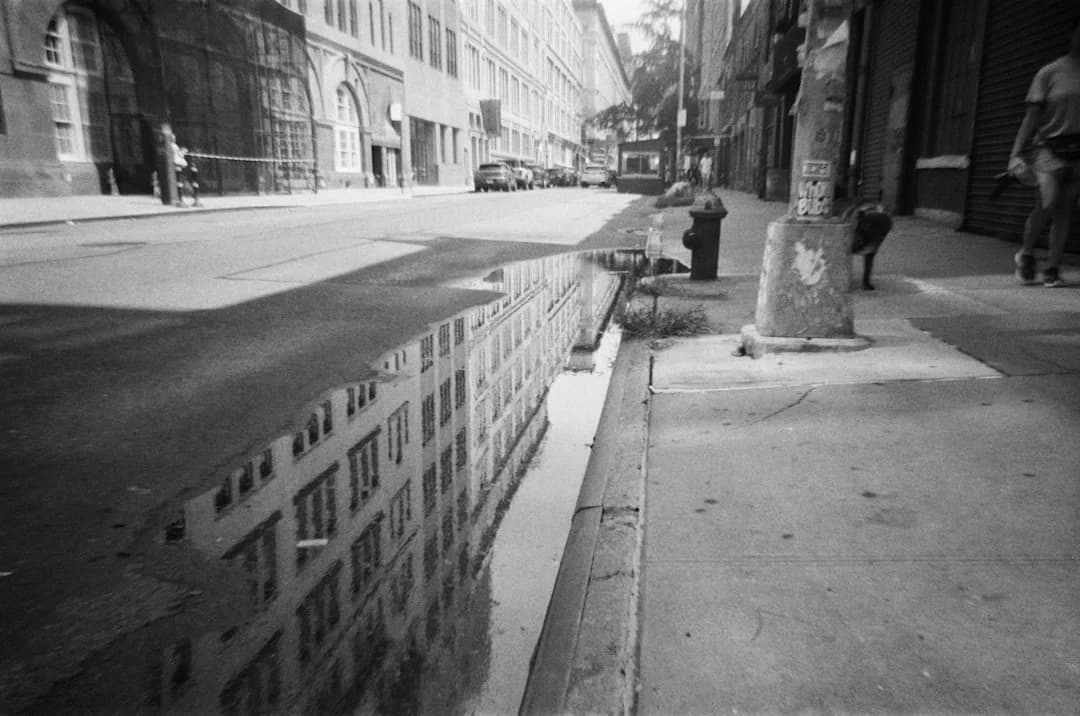
Photo by Bradley Andrews on Unsplash
The Tribeca micro-gallery boom 2026 is underway, signaling a notable shift in Manhattan’s art scene. A surge of compact, designer-focused gallery spaces and live-in exhibition concepts are multiplying within Tribeca’s historic textile-building corridors, just as luxury residential development accelerates nearby. The moment is being read as more than a string of openings; it’s a structural shift in how contemporary art is produced, experienced, and monetized in one of New York City’s most storied neighborhoods. A pivotal move in this wave came in late 2025, when Southern Guild announced plans to open a Tribeca location at 75 Leonard Street in March 2026, a move framed by the gallery as an expansion into a “global ecosystem” that invites reciprocal, long-term engagement with New York audiences. The news arrived as Southern Guild was concluding its showcase at Art Basel Miami Beach, underscoring a broader push to seed New York with new voices and cross-continental partnerships. (southernguild.com)
As Tribeca broadens its reputation beyond its traditional commercial art corridors, design-forward and design-oriented artists have become central to the neighborhood’s renewed vitality. Tiwa Gallery, a live-in exhibition space run by Alex Tieghi-Walker on Tribeca’s fifth floor, is highlighted in industry coverage as part of a cohort of young, community-driven galleries reshaping how art and design are encountered in urban spaces. The gallery’s intimate, house-like environment is described as part of a larger design gallery shift away from sterile white-cube spaces toward more intimate, narrative programming that invites audience participation. This approach, and the surrounding ecosystem, has drawn attention from curators and critics who see Tribeca as a testing ground for new gallery models. (wallpaper.com)
The year 2026 is also shaping up as a period of planned exhibitions and open calls that reinforce Tribeca’s growing status as an arts district. The Untitled Space, a Tribeca institution since 2015, announced an open call for a Fall/Winter 2026 solo exhibition, located at 45 Lispenard Street, signaling a continued commitment to presenting contemporary artists on a platform that’s both accessible and globally connected. The gallery’s stated goal of reaching a wide audience via conventional and digital channels aligns with the broader micro-gallery trend of expanding accessibility and media coverage for emerging artists. The openings and opportunities described in these announcements indicate a deliberate push to diversify the programmatic mix across Tribeca’s storefronts and side-streets. (untitled-magazine.com)
As the neighborhood’s gallery ecosystem expands, observers are watching how Leonard Street is becoming a focal point for new gallery activity. Tribeca news outlets note plans for a new gallery presence along Leonard Street, a development corroborated by industry press and neighborhood reporting. The timeline around March 2026—when Southern Guild’s Tribeca space is slated to open—appears to be a catalyst for additional projects and storefront-level experimentation along Leonard Street and nearby corridors. Local coverage in Tribeca Citizen corroborates ongoing conversations about a Leonard Street gallery presence within the broader March 2026 timeline. (tribecacitizen.com)
Gallery Studiotwentyseven, a Tribeca-based space run by Nacho Polo and Robert Onuska, stands as another emblem of this micro-gallery surge. The gallery’s presence in the Jenga Building at the corner of Church and Leonard Streets places it squarely within the neighborhood’s new architectural and cultural fabric. A March 2026 feature in Wallpaper* highlights Studiotwentyseven’s role as a design-forward space that presents work by established and emerging designers and artists in a setting that blends residential and commercial functions. The gallery’s positioning in one of Tribeca’s most talked-about new landmarks reinforces the sense that the micro-gallery model is becoming a durable feature of the neighborhood’s identity, rather than a transient trend. (wallpaper.com)
What Happened
Opening of the Southern Guild Tribeca Space at 75 Leonard Street
- The key news in late 2025 was Southern Guild’s announcement that it would open a 4,000-square-foot, ground-floor Tribeca space at 75 Leonard Street in March 2026. The project includes two exhibition galleries, a viewing room, and offices, marking a substantial physical commitment to the New York market. The release also notes leadership transitions that will bring a New York–based director to guide the space, underscoring a long-term, hands-on strategy for engaging American collectors and institutions. The press materials frame this expansion as part of a larger global program, not simply a relocation. This development signals a stronger push into Tribeca’s evolving arts economy and a deeper collaboration with a New York audience. Quotes from co-founders emphasize a mission of reciprocity and long-term community building. (southernguild.com)
Tribeca’s Emergence as a Micro-Gallery Corridor
- In addition to Southern Guild, Tribeca’s micro-gallery scene includes Tiwa Gallery, a live-in exhibition project in a former factory building, which has become emblematic of the neighborhood’s shift toward intimate, dialogue-driven programming that blends design and contemporary art. The Tiwa model, described in critical coverage as a space that “looks and feels like homes,” exemplifies a broader reimagining of gallery spaces as living environments rather than pure retail surfaces. This approach is part of a wider movement highlighted by design journalists and gallery professionals who see Tribeca as a proving ground for alternative gallery formats in an era of rising real estate costs and shifting collector habits. (wallpaper.com)
The Untitled Space and Other Ongoing Initiatives
- The Untitled Space’s Fall/Winter 2026 solo-exhibition Open Call at 45 Lispenard Street reinforces the continuity of Tribeca’s gallery ecosystem, showing that established venues are maintaining momentum even as new players enter the market. The gallery’s openness to external proposals and its emphasis on broad exposure through both physical and digital channels contribute to a diversified programmatic mix that benefits the neighborhood’s arts economy and invites cross-pollination with neighboring Chelsea and SoHo galleries. (untitled-magazine.com)
Why It Matters
Impact on the Local Art Economy and Collectors
- The Tribeca micro-gallery boom 2026 is transforming the local art economy by increasing density of cultural spaces in a compact urban footprint. Southern Guild’s planned relocation to Tribeca and Tiwa Gallery’s ongoing programs illustrate a dual dynamic: bigger footprint institutions investing in Tribeca while nimble micro-spaces experiment with new business models and audience engagement. This convergence is likely to diversify the collector base, expand access to emerging artists, and intensify competition for prime storefronts and residency spaces. As the Southern Guild release notes, the move is about more than geography; it’s about building a reciprocal culture that sustains artists and strengthens cross-continental ties. (southernguild.com)
Real Estate, Tourism, and Neighborhood Identity
- The neighborhood’s real estate development patterns intersect with the art scene in meaningful ways. Tribeca’s broader transformation—driven by residential conversions, new luxury towers, and retail upgrades—creates a favorable environment for gallery programs that benefit from foot traffic and affluent local audiences. Local observers have flagged that the vintage brick-and-cast-iron architecture, combined with modern interiors and elevator-access blocks, makes Tribeca a natural setting for design-forward exhibitions that feel both historic and contemporary. A broader market view notes that major art fairs are also repositioning venues in and around Tribeca, contributing to a more fluid boundary between galleries and fairs that operate on the periphery of traditional Chelsea spaces. (theartnewspaper.com)
Design, Hospitality, and Experiential Programming
- A design-and-art synthesis is central to Tribeca’s micro-gallery identity. Tiwa Gallery’s live-in model and Studiotwentyseven’s colocated gallery space in a landmark building illustrate how galleries are expanding beyond conventional layouts to create intimate, experiential experiences. Critics note that such environments support community-building activities—talks, workshops, artist-led sessions—that deepen audience engagement and foster ongoing relationships with collectors and designers. These patterns echo a broader industry shift toward hospitality-inflected programming and democratic access to culture, moves that Tribeca’s galleries are adopting as a strategic response to rising costs and changing audience expectations. (wallpaper.com)
Broader Industry Context and Comparisons
- Tribeca’s micro-gallery boom 2026 sits within a national pattern of galleries exploring compact, high-concept spaces that blur lines between art, design, and living spaces. Design-focused venues, live-work gallery concepts, and mixed-use spaces have gained traction in major markets, with Tribeca often highlighted as a testing ground due to its mix of old industrial buildings, luxury housing, and a resilient local arts infrastructure. Observers point to similar trends in other districts that have seen gallery density spikes and purposeful curation of neighborhood identity around art and design. Industry coverage and market analysis from 2025–2026 emphasize that Tribeca’s approach—combining small-footprint galleries with ambitious exhibitions—reflects a broader appetite for accessible, curated cultural experiences that can scale with audience demand. (wallpaper.com)
Who This Affects
- Artists and curators: The influx of micro-spaces creates more platforms for emerging artists and curators to present work, test ideas, and build collector pipelines. The Untitled Space’s open call is a concrete example of how established venues are actively seeking to broaden participation and diversify the roster of represented artists. The presence of Tiwa Gallery and Studiotwentyseven in Tribeca also signals opportunities for cross-pollination with design communities and design-focused collectors. (untitled-magazine.com)
Real Estate and Development Stakeholders
- Developers and property owners stand to gain from a more vibrant arts scene that can drive daytime and evening foot traffic, assisting in the marketing of high-end residences and mixed-use projects. Tribeca’s ongoing condo conversions and new retail concepts around Leonard Street and nearby blocks create a mutually reinforcing ecosystem in which galleries benefit from visibility and residents gain access to curated cultural experiences. Local real estate and urbanism analyses point to the potential for a more integrated, arts-forward neighborhood identity, with gallery openings acting as anchors for weekend walking tours and cultural events. (tribecacitizen.com)
What’s Next
Upcoming Openings and Timeline
- March 2026 marks a pivotal moment for the Tribeca micro-gallery boom 2026 with Southern Guild’s Tribeca space officially opening at 75 Leonard Street. This milestone is expected to catalyze further openings and pop-up activations along Leonard Street and neighboring corridors as galleries seek to capitalize on a broader audience and increasing media attention. In addition to Southern Guild, The Untitled Space is scheduling a Fall/Winter 2026 solo show, and Studiotwentyseven remains active as a design-and-art hub, with its Fifth Avenue–adjacent Tribeca space continuing to host exhibitions and related programming. Collectors and curators will likely monitor these announcements closely for opportunities to engage with contemporary voices across mediums. (southernguild.com)
Upcoming Programs, Events, and Neighborhood Activities
- Tribeca’s gallery ecosystem is not limited to formal openings. Gallery walks, studio tours, and neighborhood-wide events are increasingly common, as organizations pursue coordinated programming that highlights the density of galleries in Tribeca and the surrounding districts. For instance, a Tribeca gallery walk map and related events have been published for March–April 2026, underscoring a structured approach to audience engagement and cross-venue collaboration. This trend aligns with the broader move toward culture-led activation in urban districts where residents and visitors expect a curated, walkable art experience. (downtowngallerymap.com)
What to Watch For
- 2026 is likely to bring additional Leonard Street openings and related tenancy changes as real estate portfolios adapt to the neighborhood’s evolving identity. Observers should watch for:
- Announcements of new Tribeca spaces by design-forward galleries, especially those with live/working components that emphasize audience participation.
- Increased collaboration between galleries and local institutions, such as fairs or museums that activate Tribeca spaces during peak art seasons.
- A continued blend of art and design programming, where exhibitions are paired with talks, workshops, and installations that deepen community ties and attract diverse audiences.
- Real estate indicators around condo conversions and retail showroom development that intersect with gallery activity, potentially shaping the economic viability of smaller spaces and the willingness of owners to host rotating programs. (wallpaper.com)
Timeline Snapshot: Key Dates to Track
- March 2026: Southern Guild Tribeca space at 75 Leonard Street opens; leadership transition to LA-based director to lead the New York gallery. This event marks a defined, public inflection point for Tribeca’s micro-gallery momentum. (southernguild.com)
- Fall/Winter 2026: The Untitled Space plans a solo exhibition at 45 Lispenard Street, continuing Tribeca’s pattern of ongoing, artist-centered programming. (untitled-magazine.com)
- 2026: Studiotwentyseven remains active in Tribeca, with a focus on presenting established and emerging designers and artists in a space that integrates with the Jenga Building’s distinctive architecture. This ongoing programming complements the month-by-month openings along Leonard Street and adjacent blocks. (wallpaper.com)
Closing
The Tribeca micro-gallery boom 2026 is occurring at the intersection of art, design, real estate, and neighborhood identity. The major 2026 moves—Southern Guild’s planned March opening at 75 Leonard Street, The Untitled Space’s Fall/Winter 2026 exhibition schedule, and Tiwa Gallery’s ongoing Tribeca programs—signal a deliberate push to transform Tribeca into a more densely populated, experientially rich arts district. As galleries expand their physical footprints and experiment with new formats, Tribeca is becoming less about a single storefront experience and more about a curated, city-block-scale cultural program that invites residents, workers, and visitors to engage with contemporary art in intimate, meaningful ways. The neighborhood’s evolution appears to be a sustained trend rather than a passing moment, with real estate developers and gallery professionals signaling a shared belief that culture can be a cornerstone of a resilient, vibrant urban district.
Readers who want to stay updated can monitor press releases from major galleries, neighborhood newsletters, and local arts coverage for March 2026 openings and subsequent programming. Given the rapid pace of changes in Tribeca’s gallery scene, subscribing to gallery newsletters and following local coverage will help readers experience the Tribeca micro-gallery boom 2026 as it unfolds, not as a retrospective footnote.
As the Tribeca micro-gallery boom 2026 continues to unfold, industry observers will be watching whether the model scales—whether more compact spaces can sustain ambitious exhibitions and community-centric programs without losing their intimate, human-focused character. The early indicators, anchored by Southern Guild’s significant investment and the ongoing activity at Tiwa Gallery and The Untitled Space, suggest a durable, diverse ecosystem that could redefine how midtown and downtown Manhattan experience art in the years ahead. (southernguild.com)