Transit-integrated Manhattan Nightlife 2026: Upgrades

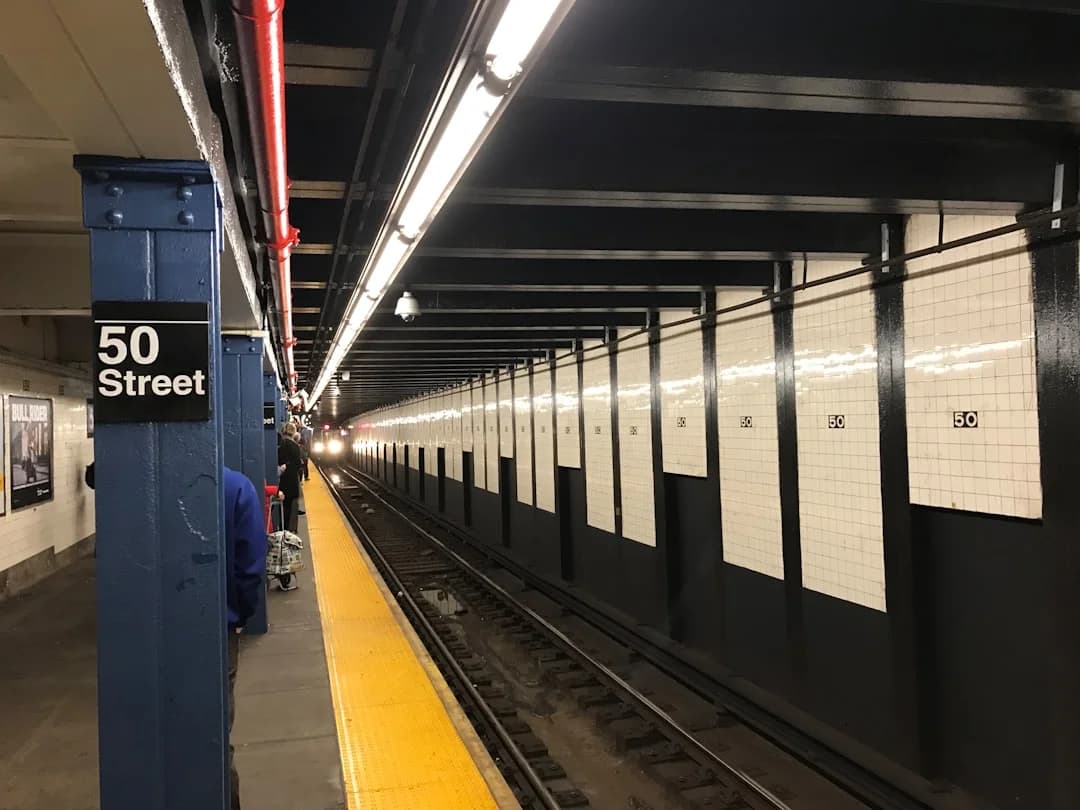
Photo by Guido Coppa on Unsplash
The year 2026 could mark a turning point for Transit-integrated Manhattan nightlife 2026 as New York City’s transit agencies push a multi-pronged upgrade program designed to keep the city’s late-night economy moving. With PATH and Port Authority investments set to lift weekend and overnight service, and the MTA expanding in-person support for the newest fare system, the city is aligning its transportation backbone with the needs of night-shift workers, performers, venue-goers, and late-night businesses. The overarching aim is straightforward: reduce wait times, improve safety and accessibility, and unlock new opportunities for nightlife districts that anchor Manhattan’s economy. As these initiatives take hold, riders will encounter a more connected, data-driven system that prioritizes continuous operation and clearer guidance well after traditional closing times. (panynj.gov)
In practical terms, the moves come with a phased timeline that public transit officials describe as foundational to a broader urban-nightlife strategy. PATH’s 2026–2035 Capital Plan, unveiled as part of the agency’s push to modernize cross-Hudson mobility, promises all PATH lines running seven days a week for the first time in a quarter-century, with substantial gains in late-night weekend service and direct weekend routes that improve connectivity to Manhattan’s nightlife corridors. At the same time, the MTA’s expansion of Customer Service Centers to 30 locations citywide—staffed 24/7 except for a single site—aims to smooth the transition to OMNY, enroll the Fair Fares program, and assist riders navigating late-evening travel. Taken together, these changes are designed to lower friction for urban dwellers and visitors who rely on transit to access late-night venues, curb private-car congestion, and support the city’s cultural economy. (panynj.gov)
Opening Paragraphs: The News, The Context, The Immediate Impact
-
The headline development is the PATH plan to extend cross-Hudson service to seven days per week starting in 2026, with late-night weekend service doubling by mid-2026 and direct weekend service on core routes like JSQ–33 Street and Hoboken–WTC. These investments—supported by a broader PATH Forward program and PATH’s ongoing capital improvements—are designed to shorten waits during the hours when nightlife districts are most active, while maintaining reliable service for workers and residents who rely on the system after traditional service hours. This structural change is especially relevant for Manhattan’s nightlife districts that depend on cross-Hudson access for visitors and employees. (panynj.gov)
-
Separately, the MTA’s 2026 expansion of Customer Service Centers (CSCs) to 30 locations citywide—with 24/7 operation at most sites—aims to accelerate OMNY adoption, facilitate Fair Fares enrollment, and provide hands-on guidance for riders navigating late-night service and outages. The CSC expansion is positioned as a practical complement to the OMNY transition, ensuring riders who rely on human assistance during off-peak hours aren’t left stranded or confused as ticketing changes roll out. (mta.info)
-
The MetroCard era is ending as 2025 closes, with the city fully transitioning to OMNY. By early 2026, OMNY usage is expected to dominate, and a 24/7 OMNY support line is available to address gaps and glitches in real time. This shift matters for nightlife-goers who need seamless, rapid access to transit after hours, as well as for venues and event organizers who want predictable pedestrian and transit flows around late-night events. (apnews.com)
-
Taken together, these developments are not just about more trains or more kiosks; they reflect a data- and technology-enabled approach to nighttime mobility. The PATH plan includes upgrades to fare gates, CCTV, and AI-based fare-evasion detection as part of a broader capital strategy. In effect, the city’s transit ecosystem is becoming more capable of supporting a 24/7 or near-24/7 nightlife ecosystem through better reliability, safety, and user experience. (panynj.gov)
Section 1: What Happened
PATH’s 2026–2035 Capital Plan: A Major Leap in Nighttime Cross-Hudson Mobility
Seven-Days Service Across PATH Lines for the First Time in 25 Years
- The PATH system will operate all four lines seven days a week beginning in 2026, marking the first time in 25 years that weekend and weekday service are synchronously enhanced across the network. Weekend service to 33 Street will see a significant increase starting in 2026, with additional enhancements in 2027. By mid-2026, direct peak service will operate on weekends from Journal Square to 33 Street and from Hoboken to World Trade Center, aligning weekend cross-Hudson travel with the needs of late-night workers and venue-goers in Manhattan and Jersey City. Late-night service on Fridays will double by mid-2026 to match Saturday late-night levels, underscoring a commitment to nighttime mobility that supports the city’s nightlife economy. Additional trains will be added during weekday peak hours to improve Western-Northeast corridors and weekend daytime hours in 2027. (panynj.gov)
Frequency Increases, New Infrastructure, and a Fare-Update Plan
- The PATH plan emphasizes more frequent rush-hour service, increased late-night weekend service, and direct weekend service on key lines, accompanied by upgrades to tracks, faster-than-before rail movement, and new fare gates to combat fare evasion. The capital plan includes aggressive investments in technology, including CCTV and AI to identify patterns of fare evasion and tailor enforcement. The plan also details fare adjustments to support ongoing capital delivery, including fare increases beginning in summer 2026 and subsequent annual increases through 2029. These changes reflect a broader aim to sustain high-quality service while managing the financial realities of operating a major cross-Hudson system. (panynj.gov)
Midtown and World Trade Center as Strategic Hubs
- The PATH expansions are framed within a broader effort to revitalize cross-Hudson mobility as a pillar of the regional economy. The plan emphasizes the World Trade Center campus as a key hub, with continued investment in the WTC area to host a growing mix of corporate offices, cultural spaces, and public activations, reinforcing the link between nighttime activity in Manhattan and transit access across the Hudson. The plan’s path to seven-day PATH service reflects an intention to reduce wait times for riders who depend on cross-rudiment routes during late evenings and weekends, a critical factor for the city’s nightlife districts. (panynj.gov)
MTA’s 2026 Expansion of Customer Service Centers: Elevating Nighttime Rider Support
Citywide 24/7 In-Person Assistance at 30 CSC Locations

- The MTA announced that 15 additional Customer Service Centers would open starting in 2026, bringing the total to 30 centers citywide. CSCs are staffed 24/7 at all locations except St George, which operates Monday–Friday from 5:30 a.m. to 9:00 p.m. These centers are designed to help riders switch to OMNY, enroll in Fair Fares, access travel information, and navigate complex network changes—critical support for nightlife-goers who rely on the system after hours. The expansion aligns with the OMNY transition and the broader push to make late-night transit more user-friendly and inclusive. (mta.info)
The OMNY Transition: From MetroCard to Tap-and-Go, with 24/7 Help
- The move away from MetroCards to OMNY continues to progress, with 2025 marking the final days of MetroCard sales and full OMNY rollout underway. By 2026, OMNY usage is expected to comprise the vast majority of trips, aided by 24/7 OMNY support channels and in-person CSC staff ready to help riders through the transition. For nightlife, this means faster, more flexible fare access late at night, reduced friction at turnstiles, and more consistent customer service during late-night events and transit disruptions. (apnews.com)
Practical Implications for Nightlife Venues and Nighttime Mobility
- The CSC expansion is not only about fare payment; it represents a broader strategy to improve rider experience in the late-night window. By providing in-person assistance for OMNY devices, enrollment in reduced-fare programs, and general wayfinding, the MTA aims to reduce confusion in off-peak hours, improve safety through human-aligned guidance, and support a growing nighttime economy that depends on prompt, reliable access to transportation after events. (mta.info)
The Context: Why These Changes Matter for Transit-Integrated Nightlife
A Data-Driven Base for Nighttime Mobility
- The 2026 capital plans reflect a data-driven understanding that nighttime mobility is essential to Manhattan’s economy. The PATH plan notes a significant shift toward more frequent service in evenings and weekends, while the PATH Authority’s technology investments—including AI-based fare-enforcement measures—signal a broader commitment to safer, more efficient operations at a time when late-night ridership is pivotal for nightlife districts. The implication for Manhattan’s nightlife economy is clear: more reliable, predictable transit service after hours can support larger crowds, longer event hours, and more seamless last-mile connections from transit hubs to venues. (panynj.gov)
Technology, Safety, and Accessibility in Nightlife Transit
- The PATH plan’s emphasis on CCTV and AI for fare compliance and security aligns with a growing preference—especially among nightlife venues and their patrons—for safer, more surveilled environments that still respect privacy and civil liberties. These investments are intended to reduce disruptions caused by fare evasion and equipment failures, which in turn improves the reliability of late-night services that Manhattan nightlife depends on. The combined investments also reflect a broader trend toward integrating technology with urban mobility to accommodate changing consumer expectations around convenience and safety. (panynj.gov)
Economic and Tourism Context
- The broader economic context is supportive of nightlife growth, with transit ridership and tourism trends playing a meaningful role in nightly economic activity. For instance, congestion-pricing-related ridership gains and a rising post-pandemic tourism footprint have begun to translate into stronger nighttime transit demand, underscoring why transit operators are accelerating capacity and reliability improvements for the late-night window. Analysts and urban economists view these developments as essential to sustaining the city’s nightlife economy, with transit accessibility frequently cited as a key determinant of where people choose to dine, drink, and attend events after dark. (thecitylife.org)
Potential Risks and Tradeoffs
- While the near-term outlook for transit-enabled nightlife is positive, the plan includes fare increases to fund ongoing capital improvements, including PATH fare adjustments starting in summer 2026. These economic considerations matter for nightlife operators and patrons who rely on predictable, affordable travel options after hours. Policymakers and transit agencies emphasize the need to balance investment with affordability and equity, a theme echoed in public discussions about congestion pricing and public transit funding. (panynj.gov)
What It Means for Manhattan’s Nightlife: Stakeholders, Impacts, and Opportunities
Nightlife Venues and the Nighttime Economy

- For venues, the prospect of seven-day PATH service and expanded late-night weekend operations means more predictable crowds and easier access for staff and performers who work after traditional hours. The extended cross-Hudson connectivity can help diversify after-hours travel patterns, encouraging patrons to travel to venues along Manhattan’s nightlife corridors with greater confidence in late-night transit reliability. This is particularly relevant for venues in clusters around the West Side, Midtown, and lower Manhattan that attract cross-state audiences. The PATH plan’s emphasis on weekend and late-night frequency increases is designed to support this dynamic. (panynj.gov)
Residents and Workers
- For residents and workers who rely on late-night transit, the CSC expansion means easier access to OMNY support and assistance with fare structures, reducing barriers to using the system after hours. The 24/7 availability of CSC staff helps address common late-night issues, such as fare-payment questions, route guidance, or assistance with service disruptions, contributing to a more supportive nighttime mobility environment. This aligns with city-wide efforts to ensure safer, more accessible transit for people who work late shifts or engage in after-hours cultural activities. (mta.info)
Tourists and Visitors
- For tourists and short-term visitors, the OMNY transition, combined with 24/7 CSC support, improves the experience of navigating a 24/7 city. The ability to resolve fare-related questions and obtain transit guidance at any hour reduces friction for night-time tourists seeking to explore Broadway, nightlife districts, and late-night entertainment options. The TOD (transit-oriented development) implications of these changes may also influence where visitors choose to stay and how they move around the city after dark. (apnews.com)
Government and Public-Private Partners
- From a policy perspective, the PATH and MTA investments embody a coordinated public-sector approach to maintaining and expanding critical transit assets in a way that supports the nighttime economy. The PATH plan’s alignment with seven-day operations and enhanced late-night service dovetails with the Port Authority’s broader capital program, which includes upgrades to major facilities and the ongoing development of World Trade Center and nearby transit connections. This multi-agency collaboration could set a template for other realms of urban nighttime policy, such as safety, street activation, and cultural programming aligned with transit access. (panynj.gov)
Section 2: Why It Matters
Impact Analysis: How These Changes Affect the Nightlife Landscape
Accessibility, Reliability, and Nighttime Demand
- A core takeaway is that seven-day PATH service and increased late-night weekend frequencies are expected to reduce wait times and increase reliability when nightlife districts are most active. The PATH plan’s “late-night service doubling” goal is designed to bring weekend late hours in line with Saturday levels, a move that could encourage more visitors to stay out later and travel more freely between Manhattan and New Jersey. This has potential ripple effects on after-hours economies, including dining, entertainment, and cultural events that depend on easy transit access. (panynj.gov)
Technology-Driven Safety and User Experience
- The PATH plan’s integration of advanced fare-gating, CCTV, and AI to deter fare evasion is part of a broader trend toward data-informed safety and efficiency in nighttime transit. While these measures raise important questions about privacy, they also have the potential to reduce delays and crowding during late-night periods, improving the overall user experience for nightlife travelers. This is complemented by the MTA’s CSC expansion, which ensures human support remains available when digital channels are challenging or when riders face edge-case scenarios late at night. (panynj.gov)
Economic Implications for Nightlife Districts
- A stronger, more predictable late-night transit network could help increase the nighttime economy by enabling more people to participate in late-night events, dining districts, and cultural activities. If ridership recovers robustly in the 2026–2027 period and weekend late-night services are reliable, nightlife districts could see higher attendance, longer operating hours, and more spillover effects on adjacent businesses. The 2025–2026 economic trendline shows a recovering tourism and transit usage landscape, which supports these projections, though it remains essential to monitor affordability and equitable access as fare structures evolve. (thecitylife.org)
Equity and Access in a Nightlife-Rich City
- Accessibility and affordability are critical in a city that wants to ensure nightlife thrives without marginalizing lower-income residents or workers who rely on transit after hours. The MOPD’s Accessible NYC 2025/2026 initiatives highlight the city’s ongoing emphasis on inclusive transit and public realm improvements, including better connectivity and accessible routes that are especially relevant to late-night riders who may face higher risk levels or limited personal mobility options after hours. The CSC expansion and OMNY transition should be evaluated through an equity lens as the city moves toward a more unified fare system. (nyc.gov)
Broader Market and Technology Trends Shaping Nightlife Transit
OMNY and Digital Fare Modernization

- The full rollout of OMNY—paired with a broad CSC network and OMNY support—illustrates a major modernization trend in urban transit. Riders now experience faster fare access, digital receipts, and the capacity to manage transitions between systems with greater ease. The ongoing OMNY support ecosystem, including a 24/7 helpline and in-person assistance, is critical for night-time users who require immediate help after hours. This development is particularly relevant for Manhattan’s nightlife economy, which benefits from frictionless access to late-evening transit. (omny.info)
Cross-Agency Collaboration and Regional Connectivity
- The PATH and Port Authority capital plans show a broader regional approach to nighttime mobility, with investments intended to improve connections between Manhattan, New Jersey, and other regional hubs. The PATH plan’s focus on weekend and late-night service is paired with the PATH’s technology upgrades and fare-management improvements, while the Port Authority’s capital plan signals continued cross-state improvements in major transit corridors, airports, and intercity connections. This regional perspective is vital for Manhattan nightlife, which often relies on travelers who move across state lines for events, dining, and entertainment. (panynj.gov)
Economic Signals: Transit-Driven Tourism and Nightlife Growth
- Economic indicators from early 2026 suggest a continuing rebound in transit usage and tourism, which supports the case for transit-enhanced nightlife ecosystems. The NYC economic trend data underscores the role of robust transit access in enabling nighttime activities and tourism-driven growth, reinforcing the rationale for the ongoing capital programs and service expansions. While the exact outcomes depend on multiple factors, the alignment of transit improvements with nightlife demand is a clear signal of intent. (pfnyc.org)
Section 3: What’s Next
Timeline and Next Steps: What to Watch for in 2026–2027
Short-Term Milestones (2026)
-
All PATH lines operating seven days a week starts in 2026, with weekend service to 33 Street increasing and late-night service doubling by mid-2026 to align with Saturday levels. Direct weekend service between Journal Square and 33 Street, Hoboken and 33 Street, and Hoboken and World Trade Center becomes available, creating continuous cross-Hudson nighttime connectivity. NWK–WTC weekday peak additions and further improvements are planned for 2027. These changes should translate into more predictable late-evening travel and better access to Manhattan’s nightlife hubs. (panynj.gov)
-
PATH’s capital program includes essential updates to fare gates and security infrastructure, designed to improve safety and travel efficiency during late-night periods. The plan also encompasses a measured fare adjustment schedule to support ongoing investments, with a phased approach starting in 2026. Observers should monitor how these changes influence rider behavior, cross-Hudson travel patterns, and the willingness of nightlife venues to rely on cross-state transit for late-night events. (panynj.gov)
Medium-Term Developments (2027–2029)
-
The PATH plan indicates continued enhancements in late-night and weekend service, with incremental improvements in peak and off-peak frequencies. The NWK–WTC corridor’s weekday peak service will continue to grow, and there will be further testing and expansion of direct weekend service routes. The ongoing capital investments are designed to deliver faster, more reliable service, and the accompanying fare-management improvements will reinforce a smoother rider experience for nighttime travelers. (panynj.gov)
-
On the MTA side, CSC expansion will reach full scale by 2026–2027, with additional training and integration efforts around OMNY. The effect on user experience will become more pronounced as OMNY adoption matures and more riders transition to the tap-and-go system—an essential element for late-night transit efficiency and reliability. (mta.info)
Long-Term Outlook (2030+)
- The Port Authority’s 2026–2035 Capital Plan and PATH enhancements are positioned as the foundation for a more resilient regional transportation network that can accommodate a growing nighttime economy over the next decade. As cross-Hudson and cross-borough travel patterns evolve, Manhattan’s nightlife districts could become more accessible than ever, with transit serving as a stable backbone for late-night cultural, dining, and entertainment activity. The plan’s long-term investments in technology and capacity will influence how the city balances growth, equity, and safety across a 24/7 transit environment. (panynj.gov)
What to Watch For
- Ridership shifts in the late-night window, particularly on PATH and cross-Hudson routes into Manhattan’s nightlife districts.
- The pace of OMNY adoption and CSC utilization in the 24/7 hours, and how these factors affect rider experience after events and late-night returns.
- Fare changes and their effect on nightlife attendance and employee commute patterns, including equity considerations for lower-income riders who work late shifts.
- The impact of technology upgrades on safety, crowding, and trip times during late-night periods.
- Economic indicators tied to nightlife, including hotel occupancy and restaurant performance, in relation to transit capacity and reliability.
Closing: The Bottom Line and How to Stay Informed
Manhattan’s nightlife economy in 2026 stands to benefit from a more connected, technologically enhanced transit system that prioritizes nighttime access and rider support. The PATH seven-day service push, the expansion of 24/7 MTA Customer Service Centers, and the ongoing OMNY transition collectively establish a framework for Transit-integrated Manhattan nightlife 2026 that aims to reduce friction, increase safety, and sustain the city’s cultural and economic vibrancy after dark. As these plans unfold, staying informed about service changes, fare updates, and cross-Hudson connectivity will help nightlife organizers and attendees plan better, safer, and more enjoyable experiences in Manhattan’s vibrant after-hours landscape. (panynj.gov)
By monitoring official announcements from the MTA and the Port Authority, as well as reputable industry analyses, readers can track how the city’s transit modernization program intersects with the evolving nightlife economy. The next several quarters will reveal how these capital investments translate into real-world outcomes for late-night transit reliability, rider experience, and the broader economic vitality of Manhattan’s after-hours scene.