Transit-equity Affordable-housing NYC 2026: Subway Expansion

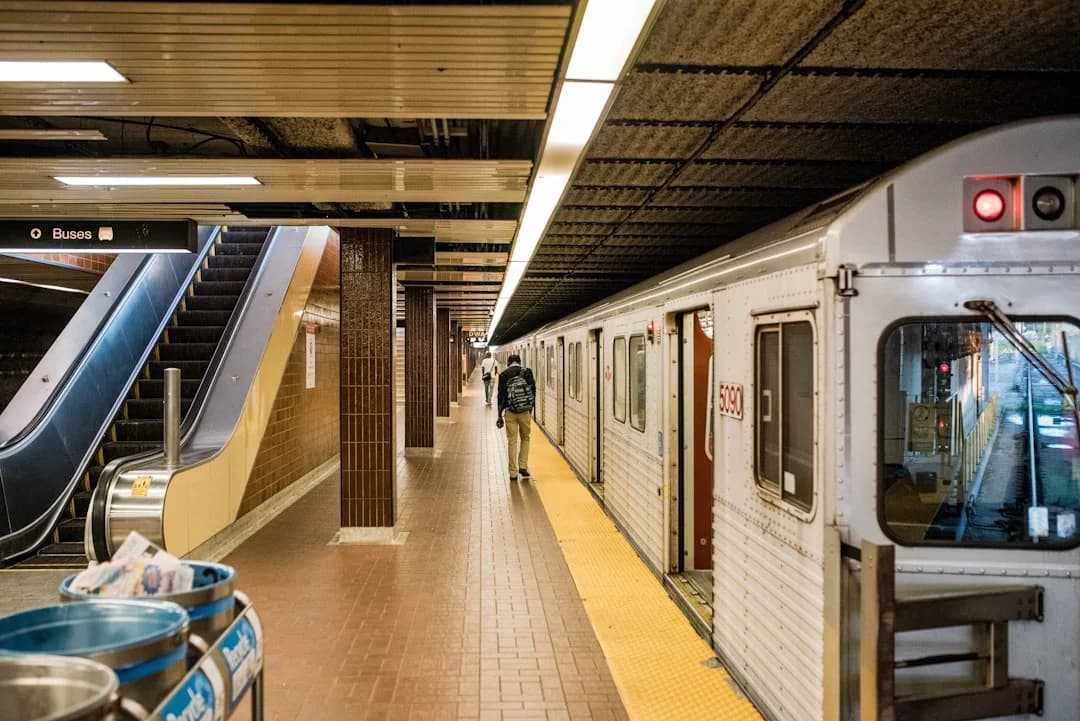
Photo by Tobias on Unsplash
The news for Transit-equity affordable-housing NYC 2026 is unfolding at a rapid pace, with the city aligning its subway expansion plans to broader housing goals. In Manhattan Monday’s data-driven briefing, officials outlined a major milestone in which subway upgrades and new housing opportunities are being planned in tandem to improve access for residents across neighborhoods. The latest updates emphasize a clearer link between transit investments and housing affordability, a topic that has gained urgency as the city grapples with housing cost pressures and the need for improved mobility. The announcement comes as the Metropolitan Transportation Authority (MTA) advances the Second Avenue Subway Phase 2 project, a project that not only promises faster commutes but also sets the stage for transit-oriented development near new stations, a core element of the Transit-equity affordable-housing NYC 2026 framework. The Phase 2 plan includes two new stations on the Second Avenue line at 106th and 116th Streets, and an extension of the Q service to a third station at 125th Street and Lexington Avenue, which will connect to the 4/5/6 lines and Metro-North. Public engagement around Phase 2 has continued since a public meeting on Tuesday, June 3, 2025, with construction milestones targeted for 2026 and beyond. (mta.info)
Beyond the track alignments and station footprints, officials stressed that the 2026 momentum sits within a broader policy and financing framework designed to align transit upgrades with affordable housing production. The city’s transit equity strategy is being woven into its housing opportunity initiatives, including a formal emphasis on TOD that would leverage air rights, zoning flexibility, and streamlined permitting to accelerate housing construction near new transit nodes. A landmark policy map in this regard is the “City of Yes for Housing Opportunity” initiative, which advocates for station-area development with a focus on affordability targets and equitable access. The plan envisions tens of thousands of new units citywide, with a meaningful share designated as affordable; assessments from the program indicate a potential range of 58,000 to 80,000 new housing units by 2039, a figure often cited by planners and advocates as a plausible, aspirational outcome if policy levers and funding align. The framework also highlights the role of transit investments in catalyzing neighborhood change while preserving affordability for existing residents. (pcac.org)
Citywide climate and housing goals are also front and center. In late April 2026, the New York City Housing Authority (NYCHA) released its Sustainability Agenda, signaling a parallel push to decarbonize housing stock while reducing utility costs for residents—an integral piece of the transit-equity and affordable-housing narrative. The plan outlines investments in clean energy, heat pump retrofits, and other energy efficiency measures designed to lower operating costs for residents in public housing and improve overall resilience. The agenda reinforces the city’s expectation that transit improvements should be paired with affordable-housing outcomes and energy-efficient modernization to maximize long-term affordability and livability for a broad spectrum of New Yorkers. (nyc.gov)
Section 1: What Happened
Announcement details and scope
The 2026 update centers on the Second Avenue Subway Phase 2 project, a cornerstone of New York’s longest-running rail expansion in decades. Phase 2 will extend the SAS from 96th Street to 125th Street, adding two new stations at 106th and 116th Streets and extending the Q train to a new terminus near Lexington Avenue and 125th Street, where riders will gain stronger connections to the Lexington Avenue corridor and Metro-North services. The project’s stated design and public-engagement milestones have continued since last year, with the MTA confirming that a Phase 2 design update public meeting occurred on June 3, 2025, and that the project remains on a schedule commensurate with the agency’s capital program. These milestones mark a crucial inflection point for Transit-equity affordable-housing NYC 2026, as planners emphasize the potential for station-area development to materialize alongside rail improvements. (mta.info)

To date, the SAS Phase 2 project has progressed from contract awards to long-lead utilities work and civil construction planning. The MTA’s project documentation notes that Phase 2 began moving from design into construction planning, with a major milestone in December 2023 when Contract 1 was awarded as part of the broader Phase 2 program. This transition from design to real-world construction activities lays the groundwork for the 2026 start of heavy construction activities, a key signal of near-term impacts on neighborhoods along the corridor. The timeline indicates a multi-year buildout, with anticipated schedule contingency and risk management embedded into the plan, reflecting the complexity of building under an urban, densely populated corridor. (mta.info)
On the policy and funding front, a broader capital plan supports the SAS expansion and related TOD opportunities. The Metropolitan Transportation Authority released its proposed 2025–2029 Capital Plan with a total investment of about $68.4 billion to support the region’s subways, buses, railroads, bridges, and tunnels. That level of investment provides a critical financing backbone for the transit expansions and associated development near new stations, including potential affordable-housing components tied to TOD strategies around SAS Phase 2 and other projects in the pipeline. While city and state partners debate precise allocation, the capital plan has solidified the expectation that transit investments will be paired with housing outcomes as part of a broader growth strategy. (mta.info)
In parallel, the MTA and city planning agencies have advanced TOD best practices and value creation mechanisms. The MTA has highlighted examples of TOD value capture—such as air-rights sales and public-private collaborations near Fulton Center and Long Island City—as a template for generating revenue that can support capital needs while enabling more housing near transit. These approaches are often paired with policy guides, including the City of Yes housing opportunity framework, to streamline development around stations and reduce friction for developers seeking to increase density around transit hubs. The combination of TOD revenue generation and streamlined approvals underpins the 2026 news cycle for Transit-equity affordable-housing NYC 2026. (mta.info)
Timeline and milestones
The SAS Phase 2 project has a documented sequence of milestones that anchors the 2026 news cycle around transit expansion and housing opportunities. Key milestones include:
- December 2023: MTA awards Phase 2 Contract 1, initiating design-to-construction transition and early project works that will influence later segments of the corridor. This contract milestone marked a formal start to the construction program and set the pace for subsequent activity along the SAS route. (mta.info)
- June 3, 2025: Phase 2 design update public meeting, providing residents and stakeholders with a detailed briefing on station design, access plans, and anticipated construction impacts. Public engagement remains a core component of ensuring that transit expansions reflect community needs and minimize disruption. (mta.info)
- 2026: Heavy construction activities on SAS Phase 2 are anticipated to begin, signaling a material shift from planning to on-the-ground work. The 2026 timeline is tied to the sequence of construction packages and long-lead utility relocations necessary to support the new stations and track alignments. (mta.info)
- 2025–2029: MTA’s proposed Capital Plan anchors ongoing investment in the region’s transit infrastructure, including the SAS Phase 2 corridor, with continued attention to risk management, cost control, and project coordination across agencies. The plan outlines how capital investments are intended to translate into improved reliability, accessibility, and network resilience for riders. (mta.info)
- 2039 and beyond: City planning analyses tied to TOD and housing opportunity programs project substantial long-term housing outputs around transit nodes, with estimates ranging from tens of thousands of new units citywide if policy and market conditions align. While these outcomes depend on multiple variables, the City of Yes framework provides a concrete benchmark for what policymakers envision in terms of Transit-equity affordable-housing NYC 2026 and beyond. (pcac.org)
Section 2: Why It Matters
Impact on housing affordability and access

A central question in Transit-equity affordable-housing NYC 2026 is how rail investments translate into affordable housing near stations. TOD strategies, supported by policy guides and city planning efforts, are designed to coax housing development alongside rail improvements, turning new stations into anchors for neighborhood revitalization rather than catalysts for displacement. The City of Yes housing opportunity framework emphasizes density bonuses, zoning adjustments, parking reforms, and other incentives to accelerate station-area development while preserving affordability for lower- and middle-income households. If realized, the approach could yield meaningful gains in housing supply within walking distance of transit, helping to diversify neighborhoods and reduce commute times for residents who rely on public transit as their primary mobility option. These policy orientations align with published TOD best practices and the city’s long-term housing targets, which envision significant gains in affordable housing through coordinated planning and public-private collaboration. (pcac.org)
From an accessibility and equity perspective, extending the Q line to Harlem’s 125th Street and connecting to the 4/5/6 lines has the potential to alter commuting patterns for thousands of residents. Reduced travel times and better access to job centers on the East and West Sides can influence where families choose to live and work, potentially easing the cost-burden of housing for some households. The SAS Phase 2 design emphasizes improved access and intermodal connections, which is a core element of the Transit-equity affordable-housing NYC 2026 thesis: transit improvements that create real, repeatable access to opportunity while supporting growth in affordable housing near stations. Still, the path to affordability depends on timely funding, effective inclusionary housing policies, and robust community engagement to ensure that new development benefits current residents as well as newcomers. (mta.info)
Economic and market implications
The financing framework surrounding SAS Phase 2 and associated TOD activity has implications for developers, lenders, and local government. The MTA’s Capital Plan establishes a high-profile funding envelope that signals long-term capital commitments to subway improvements and related infrastructure. The presence of a large, credible capital program can attract private investment in TOD projects around new stations, enabling the delivery of mixed-income housing alongside commercial and community-use spaces. In practice, TOD initiatives often rely on a combination of air-rights sales, value-capture mechanisms, and negotiated agreements with developers to create revenue streams that support transit improvements while delivering housing units and public amenities. The MTA’s TOD projects illustrate how air-rights and development rights can be monetized to support the agency’s capital program, reducing the need for ratepayer-funded subsidies while expanding the housing stock near transit. For market observers, this dynamic suggests a more predictable, transit-led development pattern in parts of Manhattan, with substantial implications for land values, construction activity, and neighborhood change. (mta.info)
Policy context is equally important. The 2025–2029 Capital Plan underpins the investment pipeline for Phase 2 and related TOD opportunities, signaling the city’s and region’s commitment to a coordinated approach that couples transit expansion with housing production, zoning tools, and equitable development practices. Analysts note that the success of Transit-equity affordable-housing NYC 2026 hinges on aligning funding cycles, regulatory reform, and community partnerships to avoid mismatches that can stall projects. The combination of strong capital commitments and proactive TOD programs suggests a favorable environment for housing growth near major transit corridors, but the outcomes will rely on delivery timeliness, robust stakeholder engagement, and sustained political support. (mta.info)
Policy debates and community impact
As with any large-scale transit expansion linked to housing outcomes, debates about displacement, affordability, and neighborhood character will continue. Critics caution that TOD can accelerate gentrification if affordability protections do not keep pace with development. Proponents counter that well-designed inclusionary housing policies and targeted subsidies can ensure that transit-led growth benefits a broad cross-section of residents, including lower-income households who depend most on reliable transit. The ongoing work around City of Yes and related TOD guidelines provides a framework for balancing these trade-offs, emphasizing affordable housing targets and streamlined approvals to unlock value responsibly. The broader context includes climate resilience, energy efficiency in new housing, and the need to align transportation investments with equitable access, all of which are essential components of Transit-equity affordable-housing NYC 2026. (pcac.org)

Section 3: What’s Next
Timeline, next steps, and what to watch
Looking ahead, readers should monitor several interrelated threads that will shape Transit-equity affordable-housing NYC 2026 and beyond:
- SAS Phase 2 construction milestones: Heavy construction activities are planned to begin in 2026, with continued work on station boxes, tunnel segments, and interconnections along the 96th-to-125th Street corridor. The project’s schedule contends with utility relocations, community impacts, and major coordination across city agencies and utilities. As the construction program unfolds, riders should anticipate lane closures, detours near densest segments, and temporary service adjustments during peak work periods. (mta.info)
- Station-area development and TOD activity: The TOD framework will continue to shape land-use decisions near the SAS Phase 2 stations, with potential air-rights transactions and partnerships that could catalyze housing and commercial development within walking distance of the new stations. The MTA’s TOD initiatives illustrate how revenue streams can support capital investments while enabling housing outcomes near transit hubs. Expect announcements of development partnerships, zoning actions, and environmental reviews tied to station areas. (mta.info)
- Housing policy and affordability targets: The City of Yes framework remains a guiding reference for affordability targets around transit nodes, with housing opportunity policies designed to deliver a mix of affordable units and workforce housing. The 2039 projection range (58,000–80,000 units citywide) will be a focal point for community groups, developers, and elected officials as the city tracks progress toward long-term goals. Updates and interim milestones on these targets are likely to appear in city planning documents and press briefings. (pcac.org)
- Funding and capital planning cycles: The MTA’s 2025–2029 Capital Plan and related budget documents will continue to influence the pace and scope of transit expansions and associated TOD programs. Annual financial plans and mid-course updates will reveal how funding allocations evolve in response to economic conditions, political priorities, and project risk assessments. Readers should watch official releases from the MTA for revised project calendars, cost estimates, and project phasing. (mta.info)
- Community engagement and accountability measures: As with any major public works program, ongoing engagement with communities along the SAS Phase 2 corridor will be essential to addressing concerns about construction disruption, housing affordability, and neighborhood character. Public meetings, open houses, and participatory planning processes are likely to continue through 2026 and into 2027 as stakeholders seek to translate transit improvements into tangible benefits for residents. (mta.info)
What readers should watch for in the near term
- Construction updates and safety advisories for Phase 2 work along Second Avenue, including anticipated traffic impacts and station access changes in 2026 and 2027. The MTA’s project communications channels and local press briefings will be the primary sources for these updates. (mta.info)
- Announcements of development partnerships near new SAS Phase 2 stations, including potential affordable-housing components and mixed-use projects tied to TOD. The TOD program’s revenue-generation examples provide a blueprint for how such projects can be structured, though specifics will depend on market conditions and regulatory approvals. (mta.info)
- Updates to the City of Yes housing opportunity framework, including any amendments to zoning, permitting rules, and incentives intended to accelerate station-area housing production while protecting existing residents. The planning guidance document remains a key reference for developers and community advocates alike. (pcac.org)
- Policy and funding shifts within the MTA’s budget cycles, including potential reallocations in response to budget pressures or new federal/state programs. Monitoring the MTA’s preliminary budget and capital plan documents will provide a sense of how Transit-equity affordable-housing NYC 2026 objectives translate into concrete allocations. (mta.info)
Closing
In brief, Transit-equity affordable-housing NYC 2026 reflects a concerted effort to fuse subway expansion with affordable housing near transit nodes, anchored by the SAS Phase 2 project and a broader TOD framework. The coming years will test how well New York can translate ambitious planning into on-the-ground benefits, including improved mobility, lower housing costs for vulnerable households, and a more resilient, equitable transit system. As the city progresses through heavy construction phases and policy refinements, readers should stay informed through official MTA updates, NYC planning releases, and trusted journalism that tracks both the numbers and the neighborhoods affected. The coming months will reveal how the intersection of transit and housing policy plays out in real-time across Manhattan and its neighboring boroughs, providing a data-driven read on whether Transit-equity affordable-housing NYC 2026 is achieving its stated aims and what that means for residents, developers, and policymakers alike. (mta.info)