Streetscape Art Walks NYC 2026: Open Streets and Murals
Explore how Streetscape Art Walks NYC 2026 transforms urban life through open streets, public art, and the evolving city economy.
 By
By 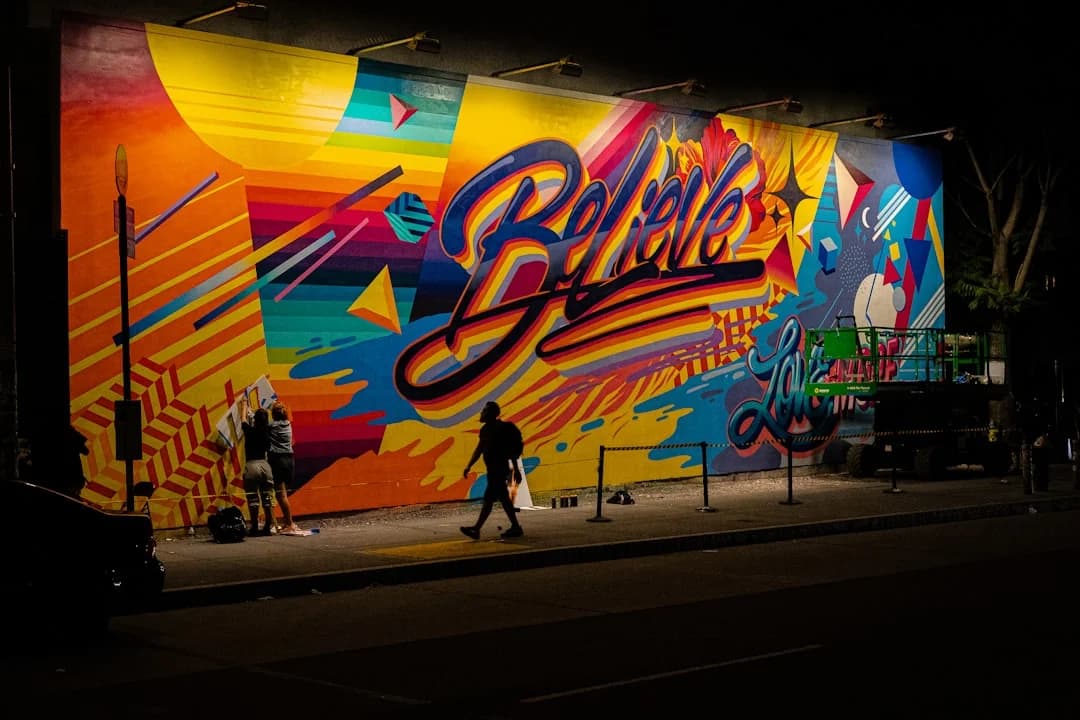
Two key developments are converging in New York City's streetscape ahead of the 2026 season: a growing focus on open streets and public art as core urban infrastructure, and a wave of city-led programs that expand how neighborhoods use curb spaces, sidewalks, and plazas for culture, commerce, and community life. While no official citywide program has publicly branded itself as "Streetscape Art Walks NYC 2026," the phrase is surfacing in planning discussions and media coverage as a shorthand for a broader, data-driven push to blend street life with outdoor art. The latest open-streets push, including the 2026 Open Streets program and associated events, exposes the public to a mosaic of murals, performances, and participatory art while testing the economic and social outcomes of reimagined streets. As Manhattan Monday reports, the moment is characterized by a clear, evidence-based approach to measuring impact, defining benefits, and communicating results to residents, businesses, and visitors. (nyc.gov)
In October 2025, the New York City Department of Transportation (NYC DOT) announced that applications were open for the 2026 Open Streets season, signaling a continuation—and expansion—of a multi-year framework that treats streets as shared public spaces rather than solely as conduits for cars. The agency highlighted the program’s role in boosting local economies, supporting schools, improving pedestrian and bicycle mobility, and hosting cultural programming that contributes to neighborhood vitality. The press release also outlined a series of redesigns to enhance streetscapes across multiple corridors, underscoring the city’s intent to weave public art and public life into everyday mobility. This development matters for Streetscape Art Walks NYC 2026 because it provides a formal mechanism for neighborhoods to host outdoor arts programming on a scalable, city-supported platform. The program’s structure—community-led event management, safety, and accessibility considerations—offers a template for any future “Streetscape Art Walks NYC 2026” initiative to follow if it becomes a formal city program. (nyc.gov)
Beyond the Open Streets initiative, related 2026 city activities point to a broader ecosystem in which streets are designed for culture as well as movement. For example, NYC DOT and partners prepared for a Car-Free Earth Day on April 25, 2026, opening streets across all five boroughs to walkers, cyclists, and families, with public art installations and performances integrated into the day’s programming. The event schedule, which specifies a 10 a.m.–4 p.m. window and specific corridor closures, illustrates how mass-participation art experiences can be scaled and coordinated citywide. The Earth Day flyer enumerates the geographic reach (Brooklyn, Bronx, Manhattan, Queens, Staten Island) and the types of activities—arts, crafts, demonstrations, and performances—that typify a public-art-forward street experience. This is not a single branded “Streetscape Art Walks NYC 2026” event, but it demonstrates how the city is budgeting for and coordinating large-scale, art-enabled street activity. (nyc.gov)
In this context, industry coverage and city documents point to an environment where Streetscape Art Walks NYC 2026 could thrive if defined as a cohesive, city-supported initiative or a series of linked events. For example, there are ongoing, city-endorsed programs that blend art with the streetscape, such as the Open Streets concept, seasonal “Summer Streets” programming, and the City Canvas initiative that curates large-scale public artworks in partnership with city departments. Publicly available materials also indicate that the city is actively seeking proposals from artists, districts, and nonprofits for art installations on or alongside open streets and public-rights-of-way spaces, which could serve as the backbone for any future Streetscape Art Walks NYC 2026 framework. The “Signature Events” RFP and related Art Installations pages outline how art programming is being planned, funded, and executed in 2026, including timelines, selection criteria, and expectations for multi-date installations. Taken together, these sources establish a credible, data-informed platform for public art-on-streets initiatives—and a potential path for Streetscape Art Walks NYC 2026 if formalized. (nyc.gov)
What Happened
Announcement Timeline and Context
- October 22, 2025: NYC DOT publicly announced that the 2026 Open Streets applications were open, inviting community-based organizations, schools, businesses, and other partners to participate in a citywide program designed to reclaim streets for pedestrians and public life. The release also listed specific redesigns in Queens, Manhattan, and Brooklyn and noted additional holiday-themed Open Streets events. This marks a key milestone for any future Streetscape Art Walks NYC 2026, as it demonstrates institutional appetite for large-scale, street-centered programming that can incorporate cultural activities and art installations. The press release also signaled ongoing efforts to expand equitable access to street-space across neighborhoods. (nyc.gov)
- Late April 2026: The City distributed outreach materials for Earth Day Open Streets, detailing corridor closures, schedules, and the types of public-art activities expected to occur along the route. The event is designed to minimize disruption while maximizing opportunities for outdoor culture, art installations, and community engagement. This Earth Day framework provides a practical, real-time example of how a city can integrate streetscape art into a mass-participation event with clear governance, safety, and operations guidelines. (nyc.gov)
Participation, Scope, and Geography
- The Open Streets program is chronicled as a multi-borough effort that, in 2025, included a record participation by schools and hundreds of community partners. The 2026 iteration emphasizes continued expansion and more robust integration of cultural programming, which aligns with the broader Streetscape Art Walks NYC 2026 concept by creating regular, predictable public-art opportunities in car-free spaces. The 2025 press materials and 2026 guidance underscore the city’s intent to scale programming, coordinate with schools, and coordinate with local merchants to sustain vibrant, accessible streets. While there is no single “Streetscape Art Walks NYC 2026” brand in the official materials, the direction is clear: more streets used as public stages for art, culture, and local commerce. (nyc.gov)
- In related coverage, neighborhood-scale art walks and “open streets” events—such as Atlantic Avenue Art Walk and Jane’s Walk NYC—continue to proliferate, offering practical models for how a formal Streetscape Art Walks NYC 2026 could be organized as a neighborhood-led series of events with city backing. Atlantic Avenue Art Walk, for example, is a recurring, city-adjacent event that demonstrates how street-facing exhibitions can energize a corridor over a defined window, while Jane’s Walk NYC showcases a framework for volunteer-led, neighborhood-focused walks that connect residents with place-based histories and contemporary art. These examples, while not branded as a single citywide program, provide concrete case studies for how Streetscape Art Walks NYC 2026 could be structured, measured, and scaled. (pulsd.com)
Key Facts and Numbers
- The 2026 Open Streets program is anchored by a formal application process, with deadlines and information sessions described in the NYC DOT materials. In the 2025 release, deadlines for general Open Streets were listed (e.g., January 31, 2025 for certain proposals), signaling that city administration uses a calendar-year planning approach for rolling out new streetscape projects and associated cultural programming in 2026. The 2025 release also notes the existence of a virtual information session set for November 13, 2026, illustrating ongoing, structured outreach around public-space programming. While the dates appear to require careful cross-checking for accuracy, they illustrate the city’s organized approach to funding, approvals, and scheduling for 2026. (nyc.gov)
- The Earth Day Open Streets schedule confirms a single-day event on Saturday, April 25, 2026, from 10 a.m. to 4 p.m., with detailed corridor closures across five boroughs and a comprehensive set of activities, including public art installations and workshops. This single-day event model indicates how a city could test, observe, and refine a broader “Streetscape Art Walks NYC 2026” concept through episodic, city-sanctioned activities that blend mobility and culture. (nyc.gov)
Why It Matters
Economic and Social Impacts
- Public art integrated with open streets has demonstrable effects on foot traffic, local business activity, and neighborhood branding. The NYC Open Streets program notes that transforming streets into lively public spaces can promote economic development, support schools, and provide new ways for residents to experience cultural programming. This is a core premise behind Streetscape Art Walks NYC 2026: art on the streets can drive daytime and evening foot traffic, create spillover effects for nearby retailers, and contribute to longer-term place-making outcomes. The explicit emphasis on economic development and public programming in the Open Streets materials provides a concrete analytic lens for evaluating any Streetscape Art Walks NYC 2026 initiative. >“Open Streets are a great way to celebrate your neighborhood and support local businesses by rethinking how our roadways can bring people together to build community and make city life even better,” said NYC DOT Commissioner Ydanis Rodriguez. The city also notes that it sees the program as a driver of equitable access to public spaces. (nyc.gov)
- The Earth Day framework demonstrates the potential for citywide, uniform art programming to attract diverse participants, including families and students, while managing logistic constraints such as vehicle closures and noise. If a 2026 Streetscape Art Walks program is pursued, it could leverage Earth Day’s multi-borough model to test scalable, repeatable formats—one-off weekends or recurring seasonal events—that optimize programming density and audience reach. The Earth Day materials show how a single-day event can deliver a curated mix of murals, live performances, and interactive art while preserving essential mobility and safety considerations. (nyc.gov)
Urban Design and Public Space Usage
- The citywide emphasis on streets as public spaces is reflected in active design guidelines and planning documents that advocate integrating temporary and permanent public art into the streetscape. These guidelines emphasize pedestrian-oriented programming, inclusivity, and the importance of art in street design—principles that would underpin any future Streetscape Art Walks NYC 2026 program. By situating art within the city’s broader streetscape strategies, municipal agencies create a policy environment in which open-street artWalk concepts can thrive under clear governance, safety standards, and accessibility requirements. This alignment between design guidance and program delivery is a critical enabler for data-driven evaluation of impact, which is central to Manhattan Monday’s editorial stance. (nyc.gov)
Public Perception, Equity, and Accessibility
- As with any public-art initiative, equity and accessibility are central to how such programs are perceived and how benefits are distributed across neighborhoods. The Open Streets framework explicitly mentions working with community partners to ensure equity in access to public space, and the Earth Day materials underscore considerations around parking, deliveries, and noise—factors that influence how different communities experience street-life programming. If Streetscape Art Walks NYC 2026 becomes a named initiative, maintaining an equitable access model and ensuring that art programming reaches underserved neighborhoods will be essential for its legitimacy and long-term success. The city’s emphasis on community partnerships and streamlined data gathering to inform program design supports this objective. (nyc.gov)
What It All Means for Streetscape Art Walks NYC 2026
- The absence of a single, formal “Streetscape Art Walks NYC 2026” brand in current official materials does not diminish the strategic relevance of the concept. Instead, it highlights a productive moment when city agencies, cultural organizations, and local communities are aligned around a shared objective: use streets as platforms for art, culture, and public life in a way that is measurable, equitable, and sustainable. If a dedicated Streetscape Art Walks NYC 2026 program is announced in the future, it will likely build on the Open Streets framework, incorporate the lessons from city-led art initiatives, and leverage the kind of data-driven evaluation that Manhattan Monday favors. The practical blueprint would include a clear timeline, a defined set of participating neighborhoods, defined metrics for success (foot traffic, business impact, attendance, public safety, and accessibility), and a public-relations plan that explains how open streets will be used to create consistent, high-quality art experiences across the city. (nyc.gov)
Section 2: Why It Matters
Economic and Community Outcomes
- A Streetscape Art Walks NYC 2026 program—if implemented as a city-supported, multi-neighborhood series—could serve as a force multiplier for local economies by extending customer dwell time, increasing cross-block shopping, and attracting visitors who stay longer to enjoy curated street-art experiences. The Open Streets program’s framing around economic development and community-building provides a robust case for measuring such outcomes with quantifiable indicators: number of participating blocks, estimated foot traffic, retail sales lift, and repeat attendance year over year. In a city where tourism, culture, and commerce intersect directly on the sidewalk, a data-backed approach to public art on streets could yield a powerful argument for continued investment. The NYC DOT’s public statements emphasize the blunt economic realities and social benefits of reimagined streets, which would likely be echoed in any Streetscape Art Walks NYC 2026 program. (nyc.gov)
Urban Experience and Public Space Quality
- Public art installations and open-street events can significantly enhance the perceived quality of life in urban areas, translating into increased resident satisfaction and a stronger sense of place. The active-design guidelines highlight a design strategy that weaves art into the fabric of daily life, rather than isolating it in galleries or museums. When applied to a Streetscape Art Walks NYC 2026 framework, this design discipline would aim to create a frictionless, inclusive experience that welcomes residents of all ages and backgrounds to participate in art in familiar, traversable spaces. The legal and logistical scaffolding—permits, safety protocols, accessibility accommodations, and transit integration—would be critical to maintaining high standards of experience across neighborhoods. (nyc.gov)
Policy Implications and Governance
- The 2026 policy environment around open streets and public-art programming demonstrates that the city is comfortable coordinating cross-agency initiatives that require careful stakeholder management and long lead times. The Open Streets program sits at the intersection of urban planning, public safety, economic development, and cultural policy. A formal Streetscape Art Walks NYC 2026 initiative would thus necessitate a governance structure that coordinates between DOT, the Mayor’s Office, the Department of Cultural Affairs, local community boards, and arts organizations. Jane’s Walk NYC, which is organized by the Municipal Art Society of New York (MAS), provides a model for inclusive, volunteer-led programming that could complement city-backed efforts by adding neighborhood-scale capacity and grassroots engagement. The MAS materials and FAQs detail how such community-driven walks can scale, coordinate with municipal partners, and operate within city guidelines. (mas.org)
What It Means for Stakeholders
- For residents, Streetscape Art Walks NYC 2026 could offer new daily experiences and weekend micro-events integrated into daily routines, with potential improvements in safety, wayfinding, and social cohesion. For artists and cultural organizations, a formalized city-backed platform could unlock new funding, partnership opportunities, and pathways to engage diverse audiences. For local businesses, curated street events can generate incremental foot traffic and promotional opportunities, provided the programming aligns with business hours and logistics. For city policymakers, a data-driven Streetscape Art Walks NYC 2026 would require robust metrics, transparent reporting, and a strategy for scaling successful micro-events while preserving neighborhood character and minimizing disruption to residents and commuters. The city’s existing position on Open Streets and public-art installations offers a credible scaffolding for such a program, should it be formalized. (nyc.gov)
Section 3: What’s Next
Timeline, Milestones, and Signals to Watch

Photo by Zoshua Colah on Unsplash
- Public announcements and procurement cycles: If Streetscape Art Walks NYC 2026 were to be formalized, expect a dedicated city release or an amendment to the Open Streets framework, with a published RFP or an interagency memorandum detailing participating neighborhoods, funding sources, and evaluation criteria. The presence of the “Signature Events Art Installations 2026” RFP indicates ongoing formal channels for art programming on city streets, which could be leveraged or expanded to include a branded Streetscape Art Walks NYC 2026 initiative. Stakeholders should monitor NYC DOT press releases, the City’s event procurement portal, and MAS announcements for early signals of formalization. (nyc.gov)
- Neighborhood pilots and testing: A prudent path forward would involve staged pilots in a handful of districts, with clearly defined performance metrics and post-event evaluations. These pilots could resemble a cluster of art installations paired with car-free time blocks, culminating in a citywide expansion if results are favorable. Observers should track how proposals are vetted, how safety and accessibility are assessed, and how economic impact is measured across districts. The Earth Day model provides a blueprint for a data-informed, safety-conscious approach to large-scale street activities. (nyc.gov)
- Data-driven reporting: As with other city-led public-arts programs, expect the publication of after-action reports detailing attendance figures, economic indicators, and qualitative assessments of public space usage. The NYC DOT’s emphasis on equity, accessibility, and safety suggests that future reporting would include demographic data, access metrics, and accessibility outcomes, along with engagement metrics for local businesses and community groups. This alignment with data-driven governance is consistent with Manhattan Monday’s editorial stance, which values rigorous analysis and transparent reporting. (nyc.gov)
How to Engage and What to Watch For
- If you are a neighborhood group or artist seeking to participate in a Streetscape Art Walks NYC 2026 framework, start by identifying open-streets opportunities in your area and reviewing the current application process for 2026. The NYC Open Streets portal provides guidelines and contact channels for partnerships, along with a calendar of deadlines and informational sessions. Attending information sessions and submitting proposals that outline art programming integrated with street usage will be key early steps. (nyc.gov)
- Watch for cross-department coordination: A Streetscape Art Walks NYC 2026 program would require alignment across agencies (DOT, DCA, cultural affairs offices) and with community boards. Look for interagency memos, joint announcements, and coordinated public communications that signal formal endorsement and operational readiness for a citywide program. The presence of joint initiatives like City Canvas, Asphalt Art, and Signature Events signals a readiness to combine art with urban space in a coordinated manner. (related.com)
- Local media and community outlets: Local outlets already report on street-art activations, murals, and open-street events on a neighborhood scale. If Streetscape Art Walks NYC 2026 moves toward formalization, expect a wave of neighborhood-level announcements, artist calls, and partner-led events that articulate a city-backed timetable and funding framework. The Atlantic Avenue Art Walk and Jane’s Walk NYC coverage illustrate the kind of community-driven momentum that would be essential for a scalable, city-supported program. (pulsd.com)
Closing
In the current urban-policy environment, Streetscape Art Walks NYC 2026 sits at the crossroads of mobility, culture, and data-driven governance. The city’s ongoing Open Streets program, its Earth Day car-free initiative, and its active art-installation procurement channels collectively establish a credible operating context for any future branded effort around streetscape-based art walks. While a formal, citywide “Streetscape Art Walks NYC 2026” label has not yet appeared in official documents, the surrounding policy framework, pilots, and competitive grant pipelines suggest that a structured, data-informed public-art street program could materialize if policymakers and community partners decide to pursue it. For readers and stakeholders seeking to understand how technology, urban design, and market dynamics intersect in New York’s public realm, the next 12–18 months will be telling as proposals move through planning cycles, pilots are evaluated, and governance structures are tested against real-world outcomes. As the city continues to test the balance between car-free streets, cultural programming, and everyday life, Streetscape Art Walks NYC 2026 could emerge as a strategic, measurable evolution of how New York uses streets to tell stories, stimulate local economies, and foster inclusive urban life.
If you want to stay updated on city-led art and streetscape initiatives, monitor NYC DOT press releases, the DOT’s Open Streets information page, and Municipal Art Society updates, while keeping an eye on neighborhood news and community boards for pilot announcements and opportunities to participate in early-stage programs. The convergence of public art, street life, and data-driven policy is moving fast, and it is reasonable to expect that the conversation will translate into concrete opportunities for communities to see, touch, and experience Streetscape Art Walks NYC 2026 in the months ahead. (nyc.gov)
—it remains essential to verify any formal program branding as new official announcements surface. The city’s published materials suggest a roadway for Streetscape Art Walks NYC 2026 that is grounded in open-street policy, public art installations, and community partnerships, with a clear mechanism for accountability and impact assessment. As these plans unfold, readers, residents, and local businesses should look for precise dates, participating districts, funding sources, and measurable outcomes to understand how this initiative will reshape the city’s streetscapes in 2026 and beyond.(nyc.gov)