Street Performance Renaissance NYC 2026: Open Air Arts Boom
Data-driven report on the street performance renaissance NYC 2026 shaping public space and technology-enabled performances.
 By
By 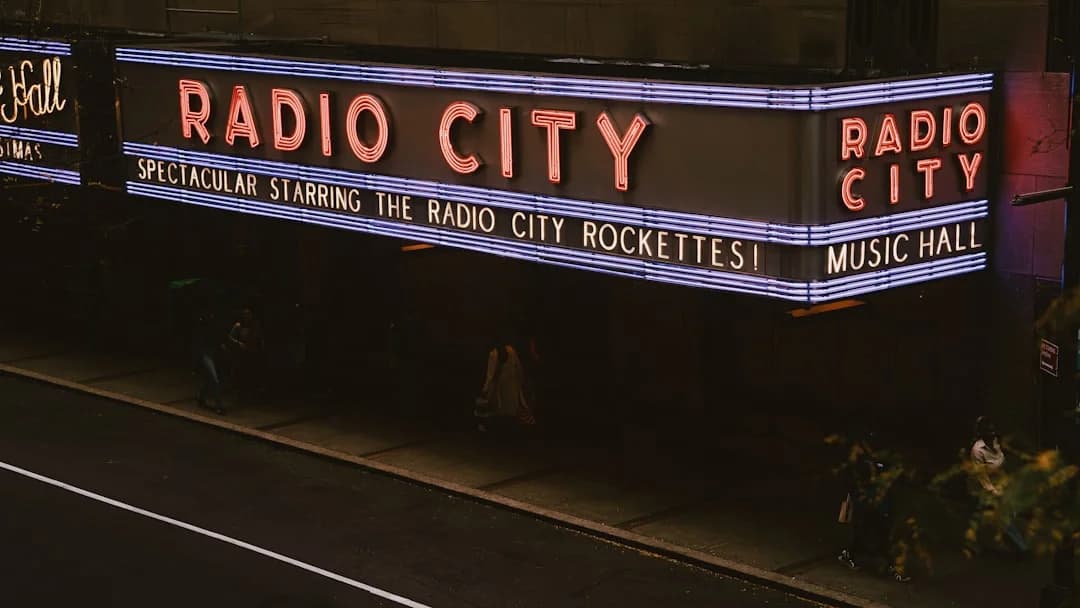
The Street performance renaissance NYC 2026 is unfolding across New York City as municipal agencies, cultural partners, and local communities intensify open-space activation. In 2026, the city’s open streets program expanded to include more neighborhoods and institutions, creating extended opportunities for live performance, street art, and participatory culture in pedestrian-first spaces. Public realm programming, a coordinated effort by the Department of Transportation, has prioritized free, accessible activities that blend arts, culture, and education with urban mobility. The result is a distinctive moment for street-level performance, where traditional busking meets digital art, community festivals, and school-centered street activations. This convergence matters because it redefines how New Yorkers experience daily life in the city and how artists reach audiences outside formal venues. Data from NYC DOT highlights that the city now supports more than 200 Open Streets across all five boroughs, with a record share of these spaces dedicated to schooling and cultural programming, illustrating a deliberate shift toward public-space productivity and inclusivity. (nyc.gov)
The initiative is part of a broader, data-informed strategy to measure impact and sustain public-space activation. JanArtsNYC 2026, the January-performing-arts festival synthesized by the Mayor’s Office of Media and Entertainment (MOME), anchors the calendar with a citywide slate of performances and industry convenings, including the APAP|NYC Conference, which ran January 9–13, 2026. Times Square Arts’ Midnight Moment Summer 2026 program extends public-art programming to daily late-night viewing on nearly 100 digital billboards, underscoring how technology and live performance intersect in high-visibility urban spaces. Together, these efforts illustrate how the street performance renaissance NYC 2026 is being shaped by public agencies, cultural institutions, and private partners working in tandem to maximize public space as a civic and economic asset. (nyc.gov)
This article provides a data-driven overview of what happened, why it matters, and what’s next, drawing on official agency announcements, festival programs, and nonprofit initiatives that are expanding the urban stage without displacing everyday city life. The goal is to present a balanced perspective on benefits and trade-offs, including access, permitting, and the evolving relationship between street-arts culture and regulation. The material here reflects information available through May 2026 from NYC DOT, MOME, Times Square Arts, and partner organizations, with an emphasis on concrete dates, numbers, and names that readers can verify in the public record. (nyc.gov)
What Happened
Timeline
- October 22, 2025: NYC DOT announces that applications are open for 2026 Open Streets, highlighting the program’s expansion to more than 200 Open Streets across the five boroughs and emphasizing a focus on community, schools, and cultural programming. The press release notes specific redesigns and holiday Open Streets, illustrating a long-term programmatic ramp-up that centers on accessibility and culture. This establishes the framework for a 2026 that treats streets as shared stages rather than purely transit corridors. (nyc.gov)
- November 13, 2025: JanArtsNYC programming slate released by the Mayor’s Office of Media and Entertainment, signaling the city’s plan to concentrate January’s public performances around the APAP|NYC Conference and a broad festival ecosystem, with kickoff on January 3, 2026 and events stretching through the month. This marks a formal alignment between government planning and the city’s cultural sector, reinforcing the street-performance expansion as a year-round platform. (nyc.gov)
- January 3, 2026: JanArtsNYC opens, anchoring the city’s winter performance calendar and leveraging New York’s global audience to spotlight public performance across neighborhoods. The event lineup emphasizes collaboration, diversity, and cross-genre exploration, integrating with the APAP|NYC Conference. (nyc.gov)
- May–June 2026: Times Square Arts announces the Summer 2026 Midnight Moment program, featuring three prominent artists (Sonia Boyce, Tromarama, Maia Chao) across June–August 2026. The program demonstrates how digital billboards in a dense pedestrian zone can extend “street-scale” or publicly visible performance into late-night urban culture, complementing live street performances in other districts. (timessquarenyc.org)
- April 11, 2026: NYC BuskerBall takes place in Tompkins Square Park, a flagship one-day event that brings together musicians, dancers, poets, and other performers for an open, barrier-free showcase of street performance. The event emphasizes live, un-ticketed, spontaneous entertainment and a conversation about how public space supports creative exchange. (buskerball.com)
- March–May 2026: MTA Arts & Design issues a Digital Art program call for 2027, extending opportunities for artists to present digital works in major transit hubs such as Fulton Center, Grand Central Madison, and Moynihan Train Hall. This signals a widening of the “public art on the move” paradigm, integrating public transit spaces into the ongoing street-performance ecosystem. (itp.nyu.edu)
- 2026: Local legislative activity and permit policy developments, including Int 0736-2026, a proposed local law aimed at standardizing sponsor responsibilities for street activities, waste disposal, and related environmental requirements. The proposal reflects ongoing attention to governance and sustainability for street events as the street-performance ecosystem grows. (legistar.council.nyc.gov)
- 2026: Street Lab highlights street-level public-space activations, including Soccer Streets at schools and other Open Street partnerships. The organization emphasizes partnerships with the city to bring pop-up, community-oriented activations to public spaces, reinforcing the idea that streets are dynamic stages for education, sport, and culture. (streetlab.org)
This timeline illustrates a concentrated push in 2026 to expand and institutionalize street performance by combining city-led open-street programming, high-profile art events, transit-integrated public art, and campus- and community-based activations. The broader arc—begun in part in prior years—reaches a new level in 2026 as cultural institutions scale up, agencies formalize permitting and environmental standards, and communities increasingly expect public streets to host art, music, dance, and performance as a core element of urban life. (nyc.gov)
Key Facts
- Open Streets footprint: More than 200 Open Streets across the five boroughs in 2026, with a record number located at schools and campus-adjacent spaces. This signals a strategic emphasis on educational settings as venues for public programming and student engagement with the arts. (nyc.gov)
- School partnerships: The 2026 plan includes explicit deadlines for school Open Streets launches, reinforcing an emphasis on educational contexts as catalysts for community programming and student exposure to live performance and interactive arts. Deadlines include January 31, 2026 for summer launches and March 31, 2026 for early-fall launches. (nyc.gov)
- Public realm programming: NYC DOT’s catalog highlights that live performance, interactive workshops, and cultural experiences are core components of public realm activations on Open Streets and plazas, making the street a flexible venue for arts and education. (nyc.gov)
- Digital and transit art: The MTA Arts & Design Digital Art program is actively inviting proposals for 2027 installations, signaling a long-term plan to integrate digital media and moving public spaces into the urban art landscape. Proposals are due by May 28, 2026. (itp.nyu.edu)
- Public events and festivals: NYC BuskerBall (April 11, 2026) and JanArtsNYC (January 2026) illustrate a multi-venue approach to street performance that ranges from pop-up park activations to city-wide, festival-scale programming. (buskerball.com)
- Policy and governance: Int 0736-2026, a local-law proposal, demonstrates ongoing regulation of street activity, including sponsor responsibilities and waste management, to balance performance opportunities with city services and environmental concerns. (legistar.council.nyc.gov)
Why It Matters
Economic and Civic Impact

Photo by Howard Weiss on Unsplash
The 2026 expansion of Open Streets and the integration of street performance into public-space programming are not just cultural moves; they are economic strategy and civic design. NYC DOT frames Open Streets as a way to promote economic development, support schools, and create spaces where people can gather and experience culture freely. By converting street space into temporary theaters, markets, classrooms, and performance venues, the city creates new channels for local businesses, educators, and cultural organizations to reach adjacent communities. The DOT press release explicitly ties street activation to economic development and community-building outcomes, underscoring a measurable link between open streets and local commercial vitality. This approach aligns with broader city goals to rebalance street space toward pedestrians and public life while maintaining mobility. (nyc.gov)
The educational dimension is particularly notable. The Open Streets program has become a platform for school communities to program spaces, complementing classroom learning with direct engagement in the arts, dance, music, and related disciplines. Salsa Stories’ long-running collaboration with Open Streets since 2021 is cited as a case study in how street programming can amplify cultural heritage and community-building in historically underserved areas. This partnership demonstrates a model of cross-borough programming that aims to increase foot traffic, diversify audiences, and bring arts access to communities that might not regularly attend formal cultural events. (nyc.gov)
Times Square Midnight Moment adds a compelling media-arts dimension to the city’s street-performance ecosystem. Public-facing digital artwork in one of the world’s most-visited spaces offers a new vantage point for artists and a nightly, large-scale audience for public art. The program’s emphasis on technology, media, and urban behavior signals a broader, tech-enabled dimension to the street-performance renaissance NYC 2026, in which digital billboards become the night-time stage alongside live, on-the-ground performances. This combination—live street acts by day and digital, nocturnal programming by night—broadens the city’s art-windows to a 24/7 audience, reinforcing the city’s global standing as a hub for public art and performance. (timessquarenyc.org)
BuskerBall is more than a one-day festival; it is a strategic signal of a more open, participatory culture around street performance. By emphasizing “no tickets, no barriers, no algorithms,” BuskerBall foregrounds equity of access and the spontaneity that has long defined busking as an art form. The event’s location in Tompkins Square Park and its emphasis on a wide mix of performers illustrate how street performance can function as a democratic platform for expression, community dialogue, and cross-cultural exchange. In 2026, such events help normalize street performance as a recognized, valued component of the city’s cultural fabric rather than a marginal activity. (buskerball.com)
Art and design in transit spaces also matter strategically: the MTA’s Digital Art program calls for multi-channel digital artwork at flagship transit hubs, signaling a long-term vision where public transit infrastructure doubles as exhibition space. This approach expands the reach of street-inspired and street-adjacent art to a daily commuting audience, potentially increasing exposure for emerging artists and creating a continuum between street-performance moments and fixed-location public art. The program’s 2027 call demonstrates a planning horizon that aligns with the city’s street-performance renaissance by embedding public art into the fabric of daily mobility. (itp.nyu.edu)
Policy and governance considerations are critical in a moment of rapid expansion. Int 0736-2026 reflects ongoing attention to sponsor responsibilities, waste management, and environmental safeguards at street events. The legislation highlights the city’s intent to formalize expectations for organizers while maintaining flexibility for dynamic street programming. In practice, this means more structured permitting, clearer accountability for event sponsors, and better alignment with sanitation and public-safety services. While this adds complexity, it also provides a clearer framework within which a growing street-performance ecosystem can operate, reducing uncertainties for artists, institutions, and communities. (legistar.council.nyc.gov)
What’s Next
Upcoming Initiatives and Timelines
- Open Streets expansion and refinement: The 2026 Open Streets plan remains active with ongoing redesigns and seasonal activations. City officials have emphasized the importance of continuing to expand access, with particular attention to school sites and cultural programming, in line with the 2026 application guidance and school-launch deadlines. Expect continued announcements about new corridors, expanded programming hours, and additional partnerships with schools and cultural groups. (nyc.gov)
- JanArtsNYC 2026 outcomes and follow-up: With the January festival completed and APAP|NYC as a central hub, expect post-event reports and continued partnership announcements that aim to translate festival energy into sustained street- and public-space programming, including cross-venue collaborations with neighborhood cultural organizations and community groups. The MOME release underscores the breadth of this programming and its alignment with city priorities for the new year. (nyc.gov)
- Midnight Moment and digital-arts expansion: The Summer 2026 Midnight Moment showcases a model for ongoing digital-public-art partnerships in high-visibility districts. While the program’s focus is on Times Square, city and private-sector collaborators will likely explore scalable approaches to bring similar digital programming to other busy corridors and plazas, creating a hybrid experience that complements live performances. (timessquarenyc.org)
- Public realm programming growth at the neighborhood level: NYC DOT’s ongoing Public Realm Programming initiative will continue to curate a mix of arts, culture, education, and active transportation activations. The program’s partner-list framework suggests a continued emphasis on accessible, free programming that can be customized to neighborhood needs, including school partnerships and community spaces. (nyc.gov)
- Transit-art integration: The MTA Arts & Design digital-art program adds a multimodal dimension to street performance, offering artists a pathway to large audiences through transit hubs. The 2027 call for proposals with a May 28, 2026 deadline indicates that the city intends to maintain a robust pipeline for digital art in public spaces, integrated with daily commuting patterns. (itp.nyu.edu)
- Policy and permitting developments: Int 0736-2026 signals a continuing evolution of the regulatory framework for street activities. If enacted, the law would shape sponsor responsibilities and waste-management practices, potentially increasing compliance requirements for organizers while helping ensure cleaner, safer public spaces for performances and other activations. The attached materials show a process timeline through spring 2026, with formal readings and committee consideration. (legistar.council.nyc.gov)
What to watch for in the near term includes:
- The cadence of school Open Streets launches and the uptake of school-based programming, which could become a benchmark for measuring the educational impact of open-street policies.
- The scalability of digital-arts activations beyond Times Square and major transit hubs, including potential partnerships with universities, museums, and community centers.
- The evolution of permitting policies, including sponsor responsibilities and waste-management requirements, and how these policies affect the planning timelines for street performances and pop-up cultural events.
- The growth of community-led activations like BuskerBall and other open-air events, and their capacity to attract broader audiences, funders, and media attention.
In short, the Street performance renaissance NYC 2026 is not a single event but a broad, interconnected set of programs, partnerships, and policies designed to reimagine how public space is used for culture, commerce, and community life. The trend suggests a city deliberately positioning streets as dynamic stages where technology, education, and live performance intersect with everyday urban life, while maintaining a careful eye on governance and sustainability. (nyc.gov)
What to watch for in the data
- Attendance and foot traffic metrics at Open Streets and school-open-street events, to quantify audience reach and demographic reach across boroughs. The public realm programming framework and city data portals will likely provide dashboards and reports on participation, economic impact, and space utilization.
- Economic indicators such as vendor revenue, nearby business footfall, and street-performance-related tourism activity, which can be cross-referenced with Open Streets schedules and school-activation calendars.
- Diversity and inclusion indicators in programming—an area where JanArtsNYC, Salsa Stories partnerships, and similar initiatives offer useful case studies on how street performance can reflect city demographics and cultural heritages.
- Regulatory compliance data from Int 0736-2026 and related rules, including enforcement actions, penalties, and sponsor reporting obligations.
- Public safety and accessibility metrics to ensure that expanded street programming remains safe and accessible for all residents, including those with disabilities.
Closing
The city’s street performance renaissance NYC 2026 reflects a comprehensive, data-driven reimagining of public space as a shared cultural asset. By combining Open Streets expansion, school-centered programming, digital-art installations, and transit-adjacent public art, New York is building a more inclusive, vibrant urban culture that reaches beyond traditional gallery spaces and performance venues. The initiatives and timelines outlined by NYC DOT, MOME, Times Square Arts, and partner organizations provide a clear road map for how street-level performance can grow responsibly while delivering measurable benefits to residents, students, artists, and local businesses. As 2026 unfolds, observers will be watching for how this blend of policy, programming, and public engagement translates into lasting cultural and economic impact across the five boroughs.

Photo by Howard Weiss on Unsplash
New Yorkers who want to stay informed can follow the ongoing updates from the DOT’s Public Realm Programming page, JanArtsNYC’s official channels, and Times Square Arts, as well as local community groups that host street performances and open-street activations. These sources will remain essential for understanding how the Street performance renaissance NYC 2026 evolves, including new corridors, new partnerships, and new forms of public-art experience that redefine the edges of the urban stage. (nyc.gov)