Staten Island Waterfront Redevelopment 2026

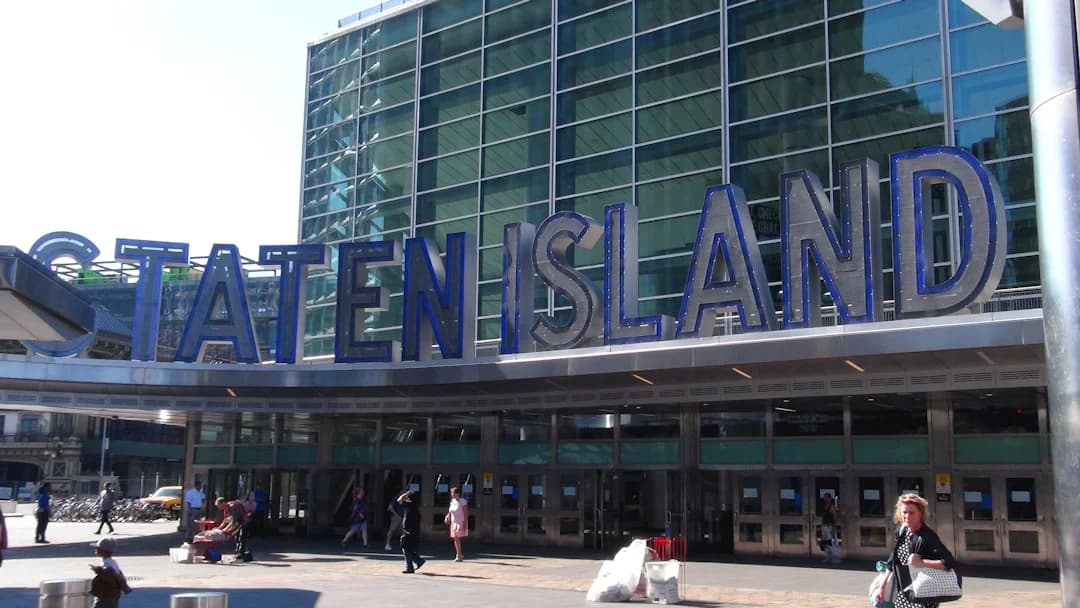
Photo by Janne Simoes on Unsplash
Staten Island waterfront redevelopment 2026 is shaping up as a data-driven shift in how New York’s borough interacts with its harbor. In the first half of 2024 through 2025, a series of public and private investments began delivering tangible changes along Staten Island’s shorelines, from resilient infrastructure on the South Shore to transit-ready, mixed-use development on the North Shore. As of 2026, policymakers and developers are racing toward a more connected, climate-resilient waterfront that aims to blend housing, parks, and commercial spaces with robust coastal defenses and upgraded transit links. The implications are wide: a faster return on public investment, new local jobs, and a clearer pathway for future waterfront redevelopment 2026 initiatives to ride the momentum of these early milestones. This piece provides a data-driven view of what happened, why it matters, and what comes next for Staten Island’s evolving waterfront.
Across the South Shore, resilience projects have reached critical milestones that underpin broader redevelopment ambitions. The Living Breakwaters project, a $111 million effort designed to reduce coastal risk and restore nearshore habitats, was completed in late 2024, bringing shoreline protection to the Tottenville area and reconciling sandy beach restoration with ecological goals. The completion was accompanied by ongoing community engagement and oyster restoration plans that aim to strengthen local ecosystems while shielding homes and businesses from stronger storm surges. This deployment reflects a statewide resilience strategy that couples hard infrastructure with natural ecosystems to deliver durable coastal protection. (hcr.ny.gov)
On the North Shore, the waterfront is advancing through a bold mix of housing, retail, and open space, anchored by Lighthouse Point—a $200 million mixed-use development that closed its first phase in 2025 and is oriented to pedestrians and transit connections to the St. George ferry terminal. The North Shore effort, led by the state and city in partnership with NYCEDC and Empire State Development, is part of a larger plan to knit together Stapleton, Tompkinsville, and St. George with a continuous esplanade and improved public realm. The first phase at Lighthouse Point includes 115 residential units, 60,000 square feet of commercial space, and 274 parking spots, with a broader package of housing and job opportunities expected to follow in later phases. This project is anchored by state and city funding and is a signal that waterfront redevelopment 2026 on Staten Island is now anchored in visible, mixed-use placemaking. (governor.ny.gov)
A parallel thread in Staten Island waterfront redevelopment 2026 is infrastructural and park-oriented work under contract with Skanska to reconstruct a major waterfront park and pier. The Skanska contract, signed in January 2024, calls for $135 million in waterfront esplanade and shoreline rebuilding, plus new pathways for pedestrians and cyclists and the construction of a 40,000-square-foot pier with an office and bulkhead. Work was scheduled to begin in August 2024 and continue through late 2026, aligning closely with other North Shore initiatives to create a more connected, multi-use waterfront. The project’s timeline places completion right around the same period as Lighthouse Point’s ongoing phases, reinforcing the sense that 2026 is a hinge year for Staten Island’s waterfront transformation. (usa.skanska.com)
Together, these efforts sit within a broader policy and funding framework that has directed substantial public investment toward revitalizing the Staten Island waterfront. The New Stapleton Waterfront, a centerpiece of the Staten Island North Shore Action Plan announced in September 2023, is moving forward with a development path that will deliver over 2,100 mixed-income housing units, significant ground-floor retail, a public school, and expansive public open space across 32 acres. As part of a four-year roadmap, NYCEDC has issued an RFP for the New Stapleton Waterfront’s B4 and B5 parcels to realize more than 500 new housing units and a range of community amenities. This line of development is designed to complement the Lighthouse Point project and the ongoing esplanade expansion, creating a multi-block waterfront district that ties together housing, jobs, and access to transit. (edc.nyc)
In a broader sense, Staten Island’s waterfront redevelopment 2026 is framed by the city’s comprehensive waterfront plan, which emphasizes climate resiliency, public access, economic opportunity, and a public-private approach to waterfront planning. The plan identifies Staten Island South Shore as a key area for post-Sandy flood protection and resilience investments, while also calling for coordinated land-use policies and climate-informed infrastructure development. It envisions a future where waterfront neighborhoods are both safer from coastal risks and more vibrant as places to live, work, and visit. This framework is essential for understanding the long arc of Staten Island’s waterfront redevelopment 2026, which is as much about risk reduction as it is about placemaking and economic development. (waterfrontplan.nyc)
Opening
Staten Island waterfront redevelopment 2026 sits at the intersection of climate resilience, housing supply, and urban mobility. The news in 2024 and 2025 confirmed that a layer of concrete progress—milestones like the Living Breakwaters completion and Lighthouse Point’s first phase—had moved from planning documents to tangible, on-the-ground changes. The South Shore breakwaters reduce wave energy, stabilize shoreline dynamics, and foster new ecological habitats, while Lighthouse Point’s mixed-use phase brings housing, retail, and jobs within a transit-accessible footprint near the St. George ferry terminal. Taken together, these developments illustrate a disciplined approach to waterfront redevelopment 2026 that prioritizes resilience and accessibility alongside economic growth. The scale and speed of these commitments—$111 million for breakwaters; $200 million for Lighthouse Point; and multi-year park reconstruction contracts totaling more than $135 million—signal a shift in how Staten Island’s waterfront is planned, funded, and delivered. (hcr.ny.gov)
The North Shore story, anchored by the New Stapleton Waterfront and the ongoing esplanade program, complements the South Shore’s resilience investments. The North Shore Action Plan’s goal to deploy more than $400 million in public funding to deliver a continuous, two-mile esplanade from Stapleton to St. George—plus 20 acres of public open space and thousands of new jobs—frames Staten Island’s waterfront redevelopment 2026 as a citywide priority with a distinct borough-specific execution plan. The Lighthouse Point project’s North Shore placement and the Stapleton esplanade’s ULURP progress exemplify the practical outcomes of that policy framework. The combined effect is a waterfront refreshed not just as a scenic edge but as a corridor of housing, commerce, and community life that is resilient to climate risks and connected to the wider New York City transit system. (edc.nyc)
Section 1: What Happened
Major Milestones on Staten Island South Shore Resilience and Public Space
-
Living Breakwaters completion and coastal resilience impact. The Living Breakwaters project, a layered resilience initiative designed to attenuate waves, stabilize shoreline infrastructure, and restore nearshore habitat, reached completion in September 2024. The effort, a collaboration among state agencies and community groups, included a nearshore sand restoration and the deployment of multiple breakwater structures along the Tottenville coast. The project’s completion was framed as a proof point for ecosystem-based coastal protection and social resilience programming, with ongoing oyster restoration work and community outreach components. This milestone represents a concrete commitment to climate resilience on Staten Island’s South Shore and a template for future nature-based infrastructure in coastal cities. (hcr.ny.gov)
-
Lighthouse Point first phase completes, signaling a transitional waterfront on the North Shore. In June 2025, Governor Hochul announced the completion of Lighthouse Point’s first phase, a $200 million mixed-use development on the historic U.S. Lighthouse Service General Depot site on Staten Island’s North Shore. The project adds 115 residential units, 60,000 square feet of commercial space, and 274 parking spots, anchored by a transit-accessible location near the St. George Ferry Terminal. The initiative is supported by state investments (including $16.5 million from Empire State Development) and aims to anchor the broader North Shore revitalization, tying housing to job creation and access to Manhattan. This milestone marks a tangible step in waterfront redevelopment 2026 that moves beyond planning to the delivery of live-work-play components. (governor.ny.gov)
-
Public infrastructure and open-space upgrades advance in tandem with private development. Skanska’s contract to reconstruct a major waterfront park and pier in Staten Island—worth $135 million—began planning in 2024, with work slated to run from August 2024 through late 2026. The project includes esplanade and shoreline reconstruction, pedestrian and bike path improvements, and the construction of a 40,000-square-foot pier housing an office and storage facility. This timeline aligns with Lighthouse Point’s phased delivery and with the Stapleton esplanade and public-space work underway as part of the North Shore Action Plan, illustrating a synchronized approach to waterfront redevelopment 2026 that blends public and private assets to upgrade parks, paths, and waterfront access. (usa.skanska.com)
North Shore North Stapleton Waterfront Developments
-
The New Stapleton Waterfront RFP as part of the North Shore Action Plan. In March 2024, NYCEDC announced an RFP to redevelop two vacant parcels in the New Stapleton Waterfront (B4 and B5) to create 500+ housing units within a 32-acre mixed-use district. The plan is to deliver mass-timber development and mass housing while incorporating public spaces and a public esplanade that extends the waterfront’s reach. This RFP represents a concrete step in delivering the North Shore Action Plan’s housing, resiliency, and waterfront-access goals, and it is intended to complement ongoing esplanade and open-space investments across Stapleton and nearby neighborhoods. The project’s inclusion in the plan’s broader funding and implementation strategy reflects a coordinated effort to transform underused waterfront land into housing, retail, and community amenities. (edc.nyc)
-
The North Shore Action Plan’s scale and funding. The North Shore Action Plan, announced in September 2023, commits more than $400 million in public funding toward completing a continuous two-mile esplanade from Stapleton to St. George, delivering tens of acres of public open space and creating thousands of jobs. The plan envisions a transformed waterfront corridor that would support over 7,500 family-sustaining jobs and generate a multibillion-dollar economic impact over the next 30 years. Highlights of implementation include the Tompkinsville Esplanade’s ULURP approval, the Mary Cali Dalton Recreation Center groundbreaking in Tompkinsville, and the New Stapleton Waterfront’s transit-oriented development components. This set of milestones demonstrates that waterfront redevelopment 2026 in Staten Island is anchored in a broad, interagency strategy designed to accelerate housing and job growth while prioritizing climate-resilient design. (edc.nyc)
-
Ongoing esplanade and urban-design work on the North Shore. In addition to the Stapleton RFP, other North Shore esplanade initiatives have progressed, including the broader esplanade network that will connect the length of the North Shore waterfront from the Bayonne Bridge to Verrazzano Narrows Bridge. These esplanade projects are critical to the neighborhood-scale benefits of waterfront redevelopment 2026, providing continuous waterfront access, improved public spaces, and enhanced safety for flood-prone areas. The North Shore Action Plan’s momentum rests on a multi-agency approach to design and implementation, integrating planning, environmental review, and capital investments to deliver a cohesive waterfront experience. (edc.nyc)
Public-Private Partnerships and Funding for Waterfront Esplanade
-
The North Shore Action Plan’s funding framework and job outcomes. The plan is designed to leverage a broad mix of public and private investments, including RFP-driven private-sector participation to accelerate housing and mixed-use development while ensuring high-quality public amenities. The plan’s target outcomes include significant job creation and a robust economic impact estimate over the next three decades, reinforcing the logic of waterfront redevelopment 2026 as an engine for long-term economic resilience in the borough. The Stapleton esplanade and New Stapleton Waterfront are central, concrete examples of how funding is translating into deliverable, visible improvements on the ground. (edc.nyc)
-
The Lighthouse Point model and its broader implications for North Shore development. Lighthouse Point demonstrates how a well-timed public investment can unlock a high-value, transit-oriented development on Staten Island’s North Shore, with a mix of housing and commercial space that complements public transit access and public space upgrades nearby. The project’s completion in 2025, combined with the New Stapleton Waterfront RFP and esplanade progress, indicates a synchronized strategy: resilience, housing, and open-space upgrades are being pursued together, supported by state and city funding, to deliver a more connected waterfront by 2026 and beyond. (governor.ny.gov)
Why It Matters
Climate Resilience as a Core Driver
-
The waterfront resilience framework guiding Staten Island’s redevelopment 2026 is explicit in the city’s Comprehensive Waterfront Plan. Climate resiliency and adaptation goals focus on expanding risk awareness, guiding land-use planning, preserving and creating affordable housing near the waterfront, and implementing climate-adaptive infrastructure design. The plan emphasizes protecting vulnerable waterfront communities and articulates a multi-pronged approach—coastal protection, nature-based interventions, and resilient design standards—that aligns with Staten Island’s South and North Shore initiatives. This is not abstract policy: it shapes how projects like Living Breakwaters and the Stapleton esplanade are conceived, funded, and executed, ensuring that new development does not outpace the city’s capacity to manage flood risk and rising sea levels. (waterfrontplan.nyc)
-
Staten Island’s specific coastal protections are part of a citywide, multi-borough strategy. The city’s climate-resilience design standards and the ongoing work with the U.S. Army Corps of Engineers to implement coastal-protection measures across multiple waterfront corridors—including Staten Island—reflect a long-term, cross-borough approach to waterfront risk management. The inclusion of Staten Island’s South Shore in the climate-resilience framework and the ongoing resilience projects along the coast demonstrate how a borough with a high exposure to tidal flooding is being prioritized within the city’s broader adaptation roadmap. (tycs.planning.nyc.gov)
Economic Growth and Employment Impacts for Staten Island
-
North Shore housing and mixed-use development, anchored by Lighthouse Point and the New Stapleton Waterfront, are positioned as engines of local job growth and housing supply. Lighthouse Point’s first phase introduced 115 new homes and 60,000 square feet of commercial space, with expectations of thousands of construction jobs and permanent employment tied to retail and services as the full project progresses. The North Shore Action Plan’s multi-year funding and esplanade commitments are designed to stimulate private investment, create thousands of construction jobs, and yield long-term tax revenue to support local services. These economic dimensions are central to the waterfront redevelopment 2026 narrative: resilience is essential, but so is building an economy that benefits local residents and small businesses. (governor.ny.gov)
-
The esplanade and park-reconstruction efforts contribute to longer-term property value dynamics and neighborhood revitalization. While precise price trajectories vary by parcel and market conditions, the combination of new housing, public spaces, and improved transit access is widely expected to increase neighborhood desirability and attract additional investment. The public investment in the esplanade, plus private development on the North Shore, illustrates how waterfront redevelopment 2026 can drive value through a more integrated, walkable, and climate-resilient urban edge. Policy documents emphasize that the resilience and public-access features are not just protective; they are productivity-enhancing components of the borough’s growth story. (waterfrontplan.nyc)
Transit and Connectivity Improvements
-
Direct transit access and ferry connectivity underpin the waterfront redevelopment 2026 narrative. Lighthouse Point’s proximity to the St. George Ferry Terminal positions the North Shore as a transit-oriented hub, linking Staten Island to Manhattan with a walkable, mixed-use environment. Transit-oriented development has long been a central lever in the city’s waterfront strategy, and Lighthouse Point provides a high-profile example of how housing, retail, and offices can be integrated near major transit nodes to reduce car dependency and improve overall mobility. The plan’s emphasis on transit-oriented design is reinforced by state and city partnerships that support mass timber and other innovative building approaches as part of a broader climate-smart development strategy for waterfront neighborhoods. (governor.ny.gov)
-
The Stapleton esplanade and related improvements aim to knit together a continuous waterfront corridor with safe, accessible routes for pedestrians and cyclists. The esplanade’s two-mile alignment, combined with Tompkinsville Esplanade approvals and the North Shore Entertainment and Amusement Site redevelopment, signals a more coherent and resilient waterfront circulation system. A connected esplanade not only improves recreational and commuter options but also supports the density and mix of uses envisioned in waterfront redevelopment 2026. These connectivity improvements help explain the projected economic and social benefits of the plan, including increased foot traffic for local businesses and more direct, affordable access to coastal recreation. (edc.nyc)
What’s Next
Near-Term Milestones (2026–2027)
-
Completion timelines for ongoing park and esplanade work. Skanska’s waterfront park reconstruction is slated to wrap up by late 2026, aligning with Lighthouse Point’s continued development and the North Stapleton esplanade expansion. While Lighthouse Point’s first phase is complete, subsequent phases are expected to deliver additional housing and retail components, reinforcing the pattern of year-after-year progress toward a fuller waterfront district. The coordination of park reconstruction and private development indicates a phased, predictable delivery pace for waterfront redevelopment 2026, with concrete milestones visible in 2026 and early 2027. (usa.skanska.com)
-
New Stapleton Waterfront development and housing production. The New Stapleton Waterfront RFP process is designed to attract proposals for two parcels amounting to 500+ housing units, with a focus on mass timber and sustainable construction. The RFP is part of a broader suite of North Shore initiatives designed to unlock housing and public-space investments while maintaining strict attention to climate risks and urban design standards. As the RFP process advances, it will help determine the density, mix, and public amenities that will shape the next phase of waterfront redevelopment 2026. (edc.nyc)
Longer-Term Outlook and Policy Frameworks
-
The policy backbone of Staten Island waterfront redevelopment 2026 remains the NYC Comprehensive Waterfront Plan, which defines a set of goals to align risk information with land-use decisions, prioritize housing for a mix of incomes, and promote resilient waterfront design. The ongoing work—South Shore resilience projects, North Shore housing and esplanade investments, and broad citywide climate-adaptation roadmaps—points to a multi-year program of capital investments and regulatory updates designed to sustain momentum beyond 2026. The plan’s emphasis on climate resilience, public access, and economic opportunity will continue to guide decisions about new parcels, park upgrades, and transit improvements as Staten Island’s waterfront evolves. (waterfrontplan.nyc)
-
A growing pipeline of waterfront initiatives across Staten Island will likely intersect with state and federal funding cycles and private-sector participation. The Lighthouse Point model demonstrates how a mixed-use waterfront project—paired with transit access and public amenities—can catalyze further development along the North Shore. As esplanade planning proceeds, additional parcels and opportunities are expected to surface through RFPs and ULURP processes, with potential for further public-private partnerships to realize housing goals and public benefits. The overarching message is that waterfront redevelopment 2026 is not a one-off batch of projects; it is a coordinated, multi-year program designed to upgrade infrastructure, housing affordability, and public spaces while strengthening resilience to climate risks. (governor.ny.gov)
Closing
The Staten Island waterfront redevelopment 2026 arc is moving from concept to execution, with North Shore housing and esplanade investments, South Shore resilience infrastructure, and park and transit upgrades converging on a more connected, resilient coastline. This integrated approach—melding climate adaptation, housing production, and public space improvements—aims to deliver not just safer shores but a more vibrant waterfront district that Staten Island residents can access, enjoy, and benefit from for decades to come. To stay updated, follow announcements from the New York State Governor, NYCEDC, NYC Department of City Planning, and the New Stapleton Waterfront partners as new RFPs, construction milestones, and oversight reports are published.

Photo by Stephen McFadden on Unsplash
As projects advance through 2026 and into 2027, readers can expect further updates on esplanade extensions, housing completions, and additional resilience measures along both the North and South Shores. The waterfront’s evolution will be shaped by ongoing collaboration among city agencies, state partners, and private developers, with a shared commitment to resilient design, walkable neighborhoods, and opportunities for Staten Island residents to live, work, and access the harbor with ease. For ongoing coverage of Staten Island waterfront redevelopment 2026, keep an eye on official press rooms and planning portals—and watch as a once-disparate collection of shoreline improvements coalesces into a cohesive, thriving waterfront district.
Concluding data points and events to watch include: the continuation of Lighthouse Point’s second phase and broader North Shore development; the completion of Skanska’s park/esplanade work by 2026; further New Stapleton Waterfront housing and esplanade progress; and the expansion of climate-resilient infrastructure as laid out in the Comprehensive Waterfront Plan. These threads collectively define Staten Island’s waterfront redevelopment 2026 as a data-driven, policy-aligned effort that prioritizes resilience, mobility, and inclusive growth.