Southeast Queens Jamaica Transit-oriented Growth 2026

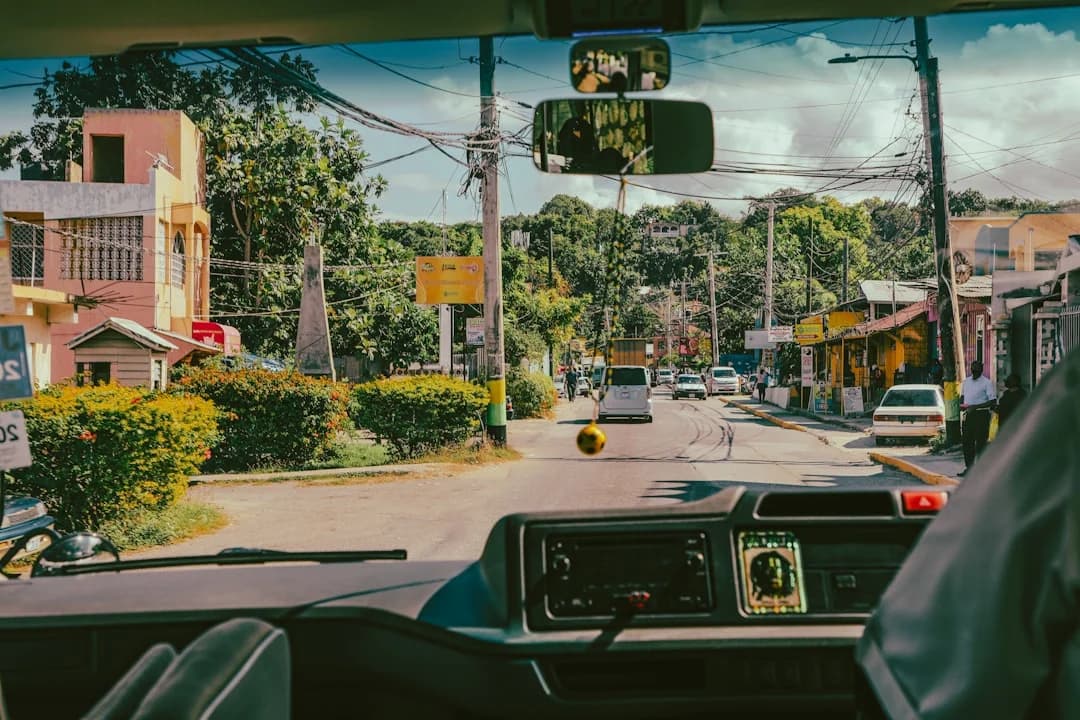
Photo by Carl Hunley Jr on Unsplash
The Southeast Queens Jamaica transit-oriented growth 2026 story is unfolding in real time as policy makers, developers, and community groups align around a shared goal: to knit together housing, jobs, and world-class transit around Jamaica, Queens. In January 2026, the state signaled a clear commitment to modernize Jamaica Station and extend key transit connections, while late-2025 rezoning and investments set the stage for a broader, multi-year transformation across Southeast Queens. For readers watching technology-driven market trends, the Jamaica initiative represents a high-profile case study in how transit-oriented development (TOD) can reshape a neighborhood’s economy, land use, and access to opportunity. The latest developments underscore how Southeast Queens Jamaica transit-oriented growth 2026 is poised to influence housing supply, workforce pathways, and transit reliability for tens of thousands of residents and commuters.
Governor Kathy Hochul’s January 13, 2026 plan to reimagine Jamaica Station and push forward a westward extension of the Second Avenue Subway is a cornerstone of the current TOD narrative. The plan would dedicate $50 million to design, signaling a move from concept toward engineering work that could yield faster, more integrated transfers among LIRR, NYC Transit, and AirTrain JFK for roughly 200,000 daily riders. This is not merely a station improvement; it is a catalyst for a broader set of TOD investments that align with the district’s growth trajectory. The governor’s announcement frames Jamaica Station as a critical hub whose modernization could compress travel times, improve accessibility, and unlock new development around the transit spine. The funding and design emphasis is part of a broader 2026 push to accelerate capital projects that could lower operating costs and boost reliability across the Jamaica corridor. (governor.ny.gov)
Concurrently, Southeast Queens is moving ahead with the Jamaica Neighborhood Plan, the city’s largest neighborhood rezoning in more than two decades. On October 9, 2025, the NYC Council’s committees approved the Jamaica Neighborhood Plan, setting the stage for full Council action; the plan ultimately passed on October 29, 2025 and will drive nearly 12,000 new homes, including about 4,200 permanently affordable units, and create roughly 7,000 new jobs. The plan also commits $413 million in new community investments directed at water and sewer infrastructure, parks, transportation, and public realm improvements. As part of the rezoning, the plan maps the city’s largest MIH zone, enabling significant affordable-housing production on private sites. These milestones are foundational to the 2026 Southeast Queens Jamaica transit-oriented growth narrative. (council.nyc.gov)
The Jamaica Neighborhood Plan’s package of investments explicitly targets a richer public realm and more resilient infrastructure. Highlights include funding to renovate Jamaica Avenue from Sutphin Boulevard to 168th Place, improvements to Merrick Boulevard medians and sidewalks, a new public plaza on Archer Avenue, and a comprehensive Jamaica area traffic study. Public realm enhancements aim to support safer walking routes to transit, increase pedestrian friendliness, and visually anchor the Downtown Jamaica core as a modern, accessible district. In short, the plan ties housing growth to upgraded streets, plazas, and safety measures, recognizing that TOD succeeds when residents can walk to transit and amenities with ease. (council.nyc.gov)
What Happened
Rezoning as a Growth Multiplier
- The Jamaica Neighborhood Plan was approved by the City Council on October 29, 2025, following committee action on October 9, 2025. The rezoning is described as the largest in more than two decades and is designed to drive substantial private development while safeguarding affordable housing under MIH requirements. The plan contemplates approximately 11,800–11,900 new homes, including about 4,175 permanently affordable units, and an estimated 7,000 new jobs. It also envisions more than 2 million square feet of new commercial and community facilities. These figures place Jamaica at the center of Southeast Queens’ TOD ambitions and align with the city’s broader housing and economic goals. (council.nyc.gov)
- The plan also earmarks a suite of public investments: water and sewer upgrades, parks and open space, and transportation enhancements aimed at improving the public realm and pedestrian safety. The investments are intended to complement the higher-density, transit-accessible development that rezoning enables, creating a more integrated Downtown Jamaica. (council.nyc.gov)
Transit-Centered Upgrades and Public-Private Alignment
- The Jamaica Neighborhood Plan is closely linked to a suite of transit investments. The plan calls for substantial transit enhancements along Archer Avenue and related corridors, strengthening the integration of buses, subways, and the LIRR with new mixed-use nodes. The Council’s legislative package highlights a new public plaza and improved bus shelters as visible signals of the public realm improvements that must accompany higher density. These elements are designed to reduce pedestrian friction and support multimodal access to Downtown Jamaica’s transit hubs. (council.nyc.gov)
- In parallel, the city and state are advancing a broader TOD ecosystem that includes 2025–2029 capital plan discussions and design work on Jamaica Station. The MTA and state leadership have underscored the need to modernize transit facilities, increase reliability, and connect Jamaica more effectively to JFK and Long Island. The College of evidence around this period shows a consistent emphasis on aligning transit upgrades with neighborhood-scale housing and job growth, a hallmark of transit-oriented growth strategies. (mta.info)
Private Development Momentum and Site-Specific Projects
- The Jamaica corridor has seen early signs of market demand around transit nodes. In January 2025, reports surfaced that a 12-story mixed-use building was proposed at 89-61 162nd St., marking continued private-sector activity near Parsons Boulevard Station (F line) and emphasizing the neighborhood’s transit access as a driver of development density. The project would feature 89 residential units and 1,182 square feet of commercial space, contributing to the broader TOD footprint around Jamaica’s transit spine. This is one of several signals that developers view Jamaica as a high-potential market for elevated density near rail and bus corridors. (qns.com)
- The combination of rezoning and market interest has spurred ongoing conversations about near-term construction timelines, financing, and design approvals. While the Jamaica Neighborhood Plan provides the regulatory framework for density, a number of private-sector developments—ranging from mid-rise mixed-use projects to public-private partnerships—are expected to emerge in the 2026–2028 window as the zoning changes take effect. Media coverage and local planning documents indicate substantial construction activity could begin once project approvals, community benefit agreements, and financing align. (ny1.com)
Policy, Funding, and Community Considerations
- The Jamaica rezoning and investments are framed within a broader policy context that includes flood adaptation and resilience measures for Southeast Queens. Local Law 87 of 2025 created a Southeast Queens Flooding Adaptation Task Force to support flood mitigation and resilience efforts, a necessary complement to TOD given the area’s exposure to precipitation-driven flooding and climate-related risks. The city council’s materials emphasize this as a key equity and resilience priority in Southeast Queens’ TOD strategy. (council.nyc.gov)
- The policy package also includes targeted investments in health, education, and public safety to ensure that TOD benefits are broadly shared across the community. The Council’s investment highlights include funding for a STEAM center at Queens, hospital expansions, and public health facilities, reflecting a holistic approach to TOD that goes beyond housing and transit to include social infrastructure and community anchors. These measures aim to stabilize neighborhoods while enabling growth, addressing concerns about displacement and affordability as density increases. (council.nyc.gov)
Why It Matters
Housing and Economic Growth: A New Growth Engine
- The Jamaica Neighborhood Plan’s housing and job projections are central to understanding the 2026 Southeast Queens Jamaica transit-oriented growth narrative. With nearly 12,000 housing units and 7,000 jobs expected to flow into the Jamaica area, the plan positions Downtown Jamaica as a critical urban center within Queens, potentially recalibrating real estate values, development economics, and rental markets across Southeast Queens. The 4,175 permanently affordable units target long-term affordability in a district facing growth pressures, aligning with citywide affordability goals while allowing market-rate development to occur in a controlled, equitable manner. The scale of investment—over $400 million in community improvements—also signals a substantial municipal commitment to TOD-enabled growth in the neighborhood. (council.nyc.gov)
- The private sector’s response—new mixed-use towers and enhanced street-level amenities—reflects a broader market confidence in Jamaica’s TOD potential. While developers raise questions about cost, timing, and long-term affordability, the rezoning framework and public investments materially shift the risk-reward calculus for large-scale development near transit hubs. This dynamic is consistent with TOD literature that suggests higher density near transit can unlock productivity gains, shorter commutes, and a diversified local economy, especially in a city where transit access is a principal driver of land value. The QueensLink Initial Business Case, published in March 2026, emphasizes the role of TOD in linking subway access to growth across Queens, including Southeast Queens, reinforcing the idea that access to frequent transit is a major determinant of where and how development occurs. (thequeenslink.org)
Transit Access, Reliability, and Public Realm
- Jamaica Station modernization and Archer Avenue improvements are not cosmetic upgrades; they are foundational to a more reliable, multimodal transit experience. The governor’s plan to invest in Jamaica Station design and the MTA’s ongoing capital plan discussions signal a multi-year effort to deliver a more seamless interchange, reduce crowding, and accommodate future service patterns that could include linkages to the Interborough Express and JFK-related connectivity. In practice, improved interchanges, better pedestrian environments, and sheltered bus facilities can reduce transfer times and encourage more people to travel by transit rather than by car, a core objective of TOD in dense urban districts. (governor.ny.gov)
- The 2025–2029 Capital Plan open houses and public engagement efforts demonstrate a commitment to transparency and community input as TOD unfolds. These open houses are designed to inform residents about state-of-good-repair work, signal modernization, and major initiatives like the Interborough Express, while also identifying opportunities for local businesses and MWDBE vendors. For communities like Jamaica, this process helps shape how growth translates into tangible benefits, including job opportunities, training programs, and a more connected local economy. (mta.info)
Equity, Community Concerns, and Balance
- Any large-scale rezoning and TOD program inevitably raises questions about affordability, displacement, and neighborhood character. Critics worry about gentrification, rent increases, and the potential for long-standing small businesses to be priced out as density rises. The NY1 coverage of the Jamaica rezoning outlines those concerns, noting that while the plan is expected to deliver affordable housing and new jobs, residents and business owners are weighing their options as density increases. The public dialogue around Jamaica’s TOD includes voices that both applaud the growth potential and scrutinize the pace and distribution of benefits. This balanced discourse reflects a broader urban policy debate about how to scale TOD while protecting existing communities. (ny1.com)
What’s Next
Near-Term Milestones (2025–2026)
- Jamaica Station design funding: The Hochul plan’s commitment of $50 million to Jamaica Station design marks a pivotal near-term milestone, signaling a shift from planning toward engineering and design work for the interchange’s modernization. The design phase is intended to culminate in a more integrated station complex with smoother transfers among LIRR, NYC Transit, and AirTrain JFK, enabling a more reliable experience for millions of riders who rely on Jamaica Station daily. The funding also dovetails with broader Second Avenue Subway westward expansion considerations that could further intensify Jamaica’s role as a regional transit hub. (governor.ny.gov)
- Jamaica Bus Depot expansion and related works: The MTA’s Jamaica Bus Depot expansion project indicates ongoing infrastructure work to support transit capacity and operations in the Jamaica area. Construction of the new outdoor parking lot is planned to begin in Q4 2025 and run through Q4 2026, aligning with the broader TOD program’s aim to improve bus facilities, queuing space, and passenger experience near major transit terminals. This type of facility upgrade is critical to supporting higher-density development and improved transit connectivity in the short to medium term. (mta.info)
- Public realm and street investments: The Jamaica Neighborhood Plan commits hundreds of millions of dollars for streetscape, plazas, and parks as part of the public realm improvements that accompany TOD. In the 2025–2029 capital plan, the city has highlighted streetscape upgrades along Jamaica Avenue and other corridors, signaling a multi-year sequence of public improvements intended to improve pedestrian safety, accessibility, and overall neighborhood vitality. These investments are expected to support new development by creating a more walkable, aesthetically engaging environment around transit nodes. (council.nyc.gov)
Longer-Term Outlook (2026–2030)
- The QueensLink Initial Business Case, published in March 2026, provides a longer-range lens on how TOD across Queens could unfold, including near-term and longer-term TOD opportunities around new and upgraded stations. The report emphasizes the importance of proximity to frequent subway service, the potential for dense, transit-oriented mixed-use development near proposed stations, and the broader economic and equity benefits of improved access to jobs and services. While QueensLink focuses on a broader corridor, its analysis reinforces the logic that Southeast Queens TOD, including Jamaica, will benefit from improved transit access and targeted zoning strategies. This work points to a multi-year, system-wide TOD strategy that could scale up as funding flows and construction milestones occur. (thequeenslink.org)
What to Watch For
- Construction start dates and phasing: Watch for the start dates of major construction at Jamaica Station and Archer Avenue, as well as any public-private partnerships that accelerate park and plaza developments. Public updates and agency press releases will provide the most reliable cadence for when shovels are expected to turn and when new public spaces will be delivered. The Open House and capital plan materials emphasize transparent progress reporting and community engagement, which will be important as density edges upward and construction activity expands. (mta.info)
- Housing affordability delivery and tracking: As the plan advances, the city’s MIH targets and related affordability measures will come under closer scrutiny. The Jamaica Neighborhood Plan’s commitments to permanently affordable units require ongoing monitoring to ensure that housing outcomes align with stated goals. The City Council’s oversight framework, including the Downtown Jamaica Oversight Task Force, signals that accountability mechanisms are in place to track progress against promised investments and housing outputs. (council.nyc.gov)
- Economic and job outcomes for Southeast Queens: With tens of thousands of jobs anticipated as part of the plan, it will be important to track job creation, wage levels, and the distribution of new opportunities among existing residents and newcomers. The plan’s investment package includes workforce development initiatives designed to connect Jamaica residents to new roles in construction, retail, health care, and technology-enabled services. As implementation proceeds, data on job creation and the effectiveness of training programs will be critical indicators of the plan’s success. (council.nyc.gov)
What This Means for Southeast Queens Jamaica Transit-Oriented Growth 2026
- For readers following technology and market trends, Jamaica’s TOD story is a case study in how transit accessibility, zoning policy, and public investments can converge to unlock growth. The combination of nearly 12,000 new homes, thousands of new jobs, and a robust program of transit upgrades positions the Jamaica corridor as a potential anchor for Southeast Queens’ broader growth agenda. It also demonstrates how public investments in transit-focused infrastructure—water/sewer improvements, parks, and public plazas—can magnify the economic impact of high-frequency transit service and the private sector’s willingness to build near it. The QueensLink work and the 2025–2026 capital program show a consistent theme: proximity to reliable transit is a fundamental driver of TOD’s viability, from the neighborhood scale to the regional map. (thequeenslink.org)
Historical and Contextual Background
- Jamaica’s development narrative has long tracked the interplay between transit access and land-use change. The area’s dense transit connectivity—an important hub for subway, bus, and LIRR service—has repeatedly attracted developers and investors. The 12-story mixed-use project near Parsons Boulevard, cited in January 2025, is emblematic of ongoing market interest and the expectation that TOD policies will translate into concrete, near-term construction. The rezoning and planned investments build on this momentum while embedding stronger protections for affordability and community facilities to mediate the transition. (qns.com)
Public-Private Collaboration and Community Engagement
- The Jamaica transformation hinges on collaboration among city agencies, the state government, local community boards, and the private sector. The Council’s oversight framework and the public open houses around the 2025–2029 Capital Plan demonstrate a commitment to transparency and accountability. Community voices, including residents, business owners, and advocates, have a formal channel to weigh in on how growth should unfold and how benefits should be distributed. The emphasis on equity—affordable housing, workforce development, and public health investments—reflects a willingness to pursue TOD outcomes that go beyond density, aiming for a more inclusive form of growth that expands opportunity rather than concentrating it in select corners. (mta.info)
Conclusion
- The Southeast Queens Jamaica transit-oriented growth 2026 narrative is not a single policy moment but a multi-year, multi-stakeholder effort to align housing, transit, and community investments around a central transit hub. Jamaica Station modernization, the Second Avenue westward expansion plan, and the Jamaica Neighborhood Plan together constitute a coordinated strategy to transform a historically diverse, comparatively underserved district into a high-opportunity corridor connected to regional networks. The near-term milestones—$50 million for Jamaica Station design, the Jamaica Bus Depot expansion, and street/public realm upgrades—signal a tangible shift from planning to construction and implementation. The longer-term outlook, supported by the QueensLink Initial Business Case and broader TOD literature, suggests that improved access to transit can unlock higher-density, transit-oriented development with positive spillovers for workers, small businesses, and residents.
Readers seeking the latest on this evolving story can monitor official channels from New York State, New York City, and the MTA for design approvals, funding updates, and construction milestones. The core message remains consistent: transit connectivity is a powerful engine for Southeast Queens’ growth, and the Southeast Queens Jamaica transit-oriented growth 2026 framework seeks to harness that advantage while embedding affordability and resilience at the center of the plan.
As this story unfolds, expect continued updates on Jamaica Station’s redesign, the Interborough Express considerations, and the cadence of new developments near Jamaica’s transit nodes. The next several years will reveal how the proposed density, public investments, and transit upgrades translate into measurable improvements in mobility, housing stability, and local prosperity for Southeast Queens residents.
In the meantime, community members and industry observers should watch for:
- Updates on Jamaica Station design milestones and the status of the Second Avenue westward feasibility work.
- The 2026–2027 construction timeline for the Jamaica Bus Depot expansion and related public realm projects.
- The implementation progress of the Jamaica Neighborhood Plan’s MIH commitments and the Downtown Jamaica oversight framework.
- The ongoing discussion around QueensLink and related transit expansions that could reinforce Jamaica’s TOD network.
This is a living story, and Southeast Queens Jamaica transit-oriented growth 2026 represents not only a policy framework but a living, breathing urban transformation driven by transit, housing, and opportunity working in concert.