South Asian design galleries in Manhattan 2026 Debuts in NYC

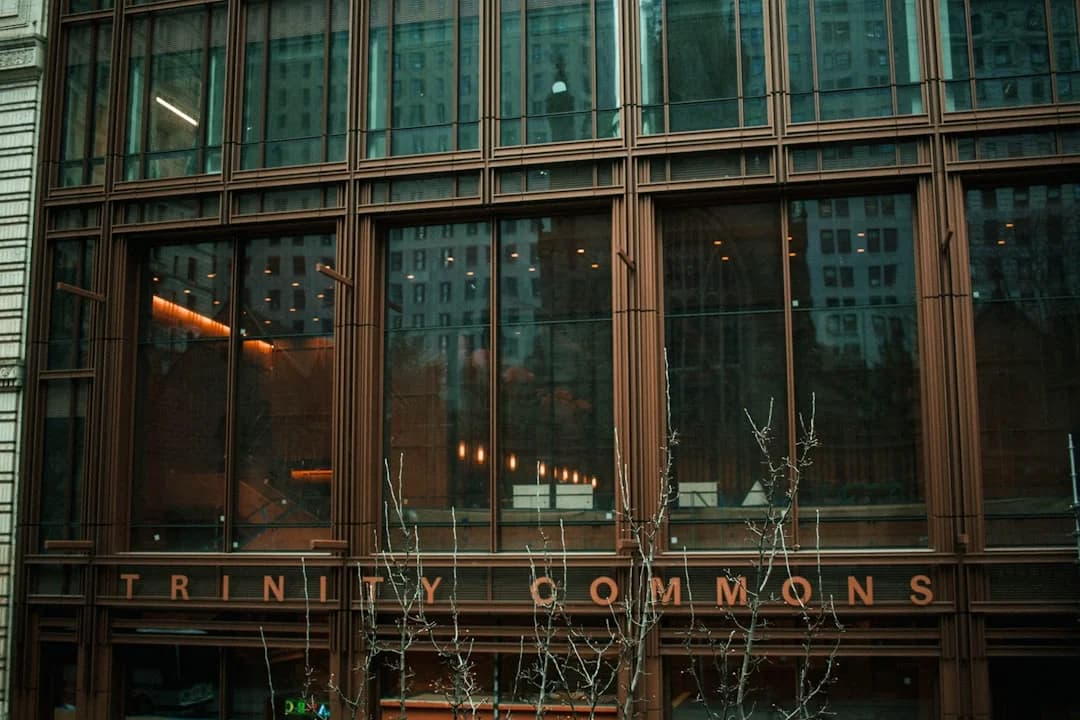
Photo by Illia Plakhuta on Unsplash
The New York design scene has long focused on European and American modernism, yet 2026 marks a pivotal shift with a dedicated platform for South Asian design taking root in Manhattan. On February 18, 2026, House of Santal opened an 8,000-square-foot gallery at Rockefeller Center, becoming the first U.S. venue solely devoted to collectible South Asian design. The opening places South Asian design galleries in Manhattan 2026 squarely in the public eye, signaling a new wave of attention from collectors, curators, and corporate partners who have historically looked to other regions for collectible design and contemporary craft. The gallery’s debut show, “At The Threshold of the Courtyard,” features a roster of thirteen designers from India exploring traditional crafts through a contemporary lens, a move the founder says aims to recalibrate the U.S. market’s relationship with South Asian makers. The news has been covered across design, architecture, and lifestyle outlets, underscoring a broader trend toward more diverse design narratives on prime New York real estate. According to early reporting, the decision to locate in Rockefeller Center reflects both premium visibility and a strategic bet on a more global, material-based design economy manifesting in the heart of Midtown Manhattan. This development arrives at a moment when New York’s gallery ecosystem is evolving to embrace regionally distinct design practices, including those from South Asia, in a way that blends showroom access with immersive, experience-driven display. The coverage around House of Santal’s launch, including industry perspectives and market implications, frames South Asian design galleries in Manhattan 2026 as a case study in cultural diversification and market expansion. (surfacemag.com)
What Happened
Opening and Location
House of Santal inaugurated its first U.S. space in Midtown Manhattan, establishing a dedicated showroom for collectible South Asian design inside Rockefeller Center. The move marks a significant shift in the city’s gallery map, which has long prioritized European and American design. The 8,000-square-foot footprint positions the gallery as a flagship site for South Asian design in the United States and provides a high-visibility platform for designers working at the intersection of craft and contemporary form. The opening aligns with a broader push to bring diverse design languages into the mainstream design economy, a theme that several industry outlets have highlighted in early 2026. The gallery’s physical space centers around a courtyard-inspired layout, designed to showcase craft-driven works in tactile, immersive vignettes rather than sterile, traditional display cases. This approach seeks to translate the tactile qualities of South Asian design into a contemporary curatorial language that resonates with New York collectors and visitors. The venue—Rockefeller Center—further anchors the project in a locale known for high foot traffic and global attention, a strategic choice for accelerating the visibility of South Asian design in Manhattan 2026. The founder, Raksha Sanikam, envisions the space as a permanent, though lease-driven, platform for dialogue between artisans and the U.S. market, along with an online sales presence to extend reach beyond the showroom. Public commerce, media exposure, and partner programs are all parts of the initial strategy for this landmark launch. The press coverage confirms that this is not a temporary exhibit but a resident space intended to catalyze ongoing conversations about design from South Asia in New York. (surfacemag.com)
Timeline and Key Facts
According to multiple design outlets, the House of Santal debut occurred on February 18, 2026, with a curated installation titled “At The Threshold of the Courtyard.” The inaugural roster includes AMH by Pallavi Goenka, Arisaa, Artisanal Abode, Beyond Dreams, Chacko, Design ni Dukaan, Harshita Jhamtani Designs, Karan Desai, Pieces of Desire, Rhizome, Sage Living, Studio Nyn, and The Vernacular Modern. The line-up is described as representing a robust cross-section of contemporary South Asian practice, with an emphasis on heritage techniques reinterpreted for today’s design markets. The installation runs for an initial period through May 2026, after which the gallery plans a rotating program that typically sustains displays for four to five months per show. The decision to mount long-running exhibitions reflects a hybrid strategy: balancing collectible, gallery-ready works with opportunities for in-depth engagement through talks, panels, and studio visits. The press materials note that the space’s interior design draws inspiration from traditional South Asian domestic architecture, with a central courtyard motif intended to reveal vignettes of craft in a manner accessible to visitors unfamiliar with the region’s design vocabulary. The key data points—opening date, square footage, location, inaugural designers, and exhibition duration—have been repeatedly reported by Wallpaper, SURFACE, and related outlets, signaling a convergent narrative about a new South Asian design hub in Manhattan 2026. Raksha Sanikam emphasizes that the location was chosen in part because New York “is always welcoming to new ideas,” a sentiment that has been echoed by industry observers as a signal of the city’s continued appetite for new design conversations. (wallpaper.com)
Exhibition Overview
The inaugural exhibition, “At The Threshold of the Courtyard,” foregrounds Indian designers and craftspeople, aiming to credit artisans who historically contributed to imported, white-labeled products in foreign markets. The show’s thirteen participants span furniture, lighting, textiles, and decorative objects, highlighting techniques like embroidery, marquetry, metalwork, and weaving. A representative sample of works includes a pyrite-and-onyx marquetry table by Sage Living and a handwoven-grass-mat swing by Design ni Dukaan, illustrating a spectrum from precious materials to everyday materials repurposed for high-end design contexts. The exhibition framework combines traditional craft with contemporary form, inviting collectors to consider how heritage techniques adapt to a U.S. market that often rewards newness over provenance. The show’s curatorial approach appears deliberately pluralistic, welcoming established names alongside emerging practitioners to map a broader design ecosystem from South Asia. The opening program also includes a lecture series and guided tours—part of House of Santal’s attempt to transform a gallery visit into a cultural event that educates visitors about the social and material histories embedded in the works. The combined effect is to establish a credible, data-forward case for why South Asian design deserves a dedicated platform at a premier New York address in 2026. (surfacemag.com)
What It Looks Like in Practice
Media coverage emphasizes both the physicality of the objects and the experiential nature of the display. A courtyard-centric layout allows visitors to navigate spaces that feel intimate yet expansive, mirroring traditional South Asian domestic spaces while inviting contemporary interpretation. The physical installation is complemented by a digital ecosystem designed to showcase works online, enabling broader access that the New York market does not always accommodate through a single showroom experience. Architectural press coverage highlights that the project is more than a storefront; it is a deliberate cultural program intended to foster ongoing dialogue about how South Asian craft is imagined and valued in a global design economy. The coverage notes the founder’s stated aim to “uplift these dying arts” and to create a dialogue across cultures, a framing that suggests the project will pursue both commercial viability and cultural education as twin pillars of its long-term strategy. As such, South Asian design galleries in Manhattan 2026 may serve as a model for future exhibitions that blend commercial and scholarly goals in high-profile urban spaces. (architecturaldigest.com)
Why It Matters
A Shift in the Manhattan Gallery Landscape

Photo by Zoshua Colah on Unsplash
The arrival of House of Santal adds a new dimension to Manhattan’s gallery ecosystem, which has historically prioritized Western modernism and postwar design vocabularies. The choice of Rockefeller Center—an iconic, multi-use complex with massive daily traffic—signals a deliberate move to mainstream South Asian design as collectible, gallery-grade objects rather than purely decorative or cultural artifacts. Coverage from Wallpaper and SURFACE positions the opening as a watershed moment that could reframe who participates in the New York design economy and how design from South Asia is contextualized within global collecting narratives. The shift also aligns with broader industry conversations about diversifying design storytelling and supporting designers who work at the intersection of craft, modern manufacturing, and contemporary aesthetics. If successful, House of Santal could catalyze more traffic to nearby galleries and help redefine Midtown’s role in the global design market for 2026 and beyond. (wallpaper.com)
Impacts on Designers, Collectors, and Institutions
For designers, the opening creates a formalized path to exposure in a densely curated New York environment that previously favored established Western design paradigms. The inaugural roster and the gallery’s stated commitment to credit artisans suggest a model that could improve transparency around supply chains and craft provenance—an increasingly important dimension of value for collectors who demand traceability and authenticity in the contemporary design market. Collectors gain a dedicated channel for South Asian design, one that ties objects to a narrative of heritage and contemporary relevance rather than treating them as “ethnic” or regional curiosities. Institutions and curators may watch closely to gauge how a single, targeted showroom affects subsequent exhibitions in the city, potentially influencing how South Asian design is integrated into museum programming or cross-disciplinary collaborations. Industry observers note that this development is consistent with a broader trend toward regionally distinctive design practices entering major urban markets, expanding the portfolio of design narratives available to New York’s audience. (ifdm.design)
Wider Context: South Asian Design in the U.S.
The emergence of a dedicated South Asian design gallery in Manhattan 2026 sits within a larger arc of interest in South Asian art, craft, and design across major U.S. cultural hubs. The industry’s attention to this space is reflected in coverage from design press outlets, which have highlighted the growing appetite among collectors for tangible, craft-forward objects that also function as contemporary art. While the exact scale of the U.S. market for South Asian design remains a subject of ongoing research, the House of Santal launch provides a measurable data point for market segmentation, consumer interest, and institutional willingness to support new formats of display and commerce. The development also mirrors a broader global trend of museums, galleries, and brands embracing cross-cultural collaborations that foreground South Asian design as a living, evolving practice rather than a historical footnote. In this sense, the Manhattan debut of House of Santal contributes to a data-driven narrative about how niche design practices enter mainstream cultural economies and how 2026 could be a turning year for South Asian design outreach in the United States. (architecturaldigest.com)
The Market Perspective: Data Points and Early Indicators
Early market indicators from industry outlets suggest robust interest in the House of Santal project, including notable media attention and social discourse around its opening. The venue’s size, location, and curated roster are positioned to deliver a high-impact attendance profile, a critical factor in establishing early momentum for a new gallery category. If the initial program performs well in terms of visitor engagement, media coverage, and secondary-market interest, it could provide a model for a broader set of South Asian design initiatives in Manhattan and beyond. The data points available from initial coverage—opening date, size, roster, and exhibition duration—offer a tangible, verifiable baseline for assessing early performance in a market where collectors, designers, and institutions often scrutinize such signals before dedicating long-term resources. As tracking and follow-up exhibitions occur, analysts will look for patterns in visitor demographics, repeat attendance, and price realization to gauge whether South Asian design galleries in Manhattan 2026 truly translate into durable market growth. (surfacemag.com)
What’s Next
Upcoming Programs and Installations
House of Santal has signaled an ongoing cadence of exhibitions beyond the initial run of “At The Threshold of the Courtyard.” The model, described in initial reporting, envisions consecutive displays that each run for roughly four to five months, with new designers and works introduced on a rotating basis. This cadence is designed to sustain momentum, maintain visitor interest, and create a dynamic dialogue about South Asian design across multiple material disciplines. In practice, this means that visitors to Rockefeller Center can expect a rotating sequence of shows that foreground different design families, crafts, and geographic foci within South Asia, potentially expanding into collaborations with artisans from India and beyond. As the gallery evolves, we can anticipate a program that includes artist talks, panel discussions, and possibly live demonstrations or atelier visits, all designed to deepen the audience’s understanding of the crafts and processes behind the exhibited objects. The early press materials and follow-up coverage imply a broader programmatic strategy intended to keep the space engaged with ongoing, high-quality discourse about South Asian design within Manhattan’s top-tier design ecosystem. (surfacemag.com)
Public Engagement and Online Platform
In tandem with a showroom-based strategy, House of Santal appears to maintain an online sales platform and digital storytelling components designed to extend reach beyond the physical space. This dual approach—physical display plus online access—aligns with contemporary gallery practices that aim to balance experiential presentation with scalable commerce. The online component is particularly important for a niche market, where a portion of potential buyers cannot visit New York immediately but can participate through virtual tours, high-resolution imagery, and secure purchase options. As part of Manhattan’s 2026 design scene, such a hybrid strategy may become a benchmark for other specialized design galleries seeking to reach national and international audiences without sacrificing the tactile, material, and tonal qualities that define South Asian design. The press coverage notes the space’s intention to combine showroom access with an online presence, signaling a deliberate, future-proof plan for audience growth and revenue diversification. (wallpaper.com)
Timeline and Milestones to Watch
- February 18, 2026: Official opening of House of Santal at Rockefeller Center, marking the first U.S. gallery dedicated solely to contemporary South Asian design. (surfacemag.com)
- May 2026: End of the inaugural exhibition “At The Threshold of the Courtyard” period, with potential transition to a new installation by another South Asian design roster. The four-to-five-month exhibition cadence suggests a September–October 2026 window for the next show’s opening, subject to the gallery’s scheduling dynamics. (surfacemag.com)
- 2026–2027: Ongoing programmatic iterations, artist talks, and panel engagements that deepen audience understanding of design craft and cultural provenance in a New York context. Media coverage, including outlets like Wallpaper and Architectural Digest, will likely trace the evolution of the program as a barometer for interest in South Asian design in Manhattan 2026 and beyond. (wallpaper.com)
What’s Next (Continued)
Potential Partnerships and Cross-Cultural Programs

Photo by Hunter Reilly on Unsplash
As the model proves viable, House of Santal may explore partnerships with design schools, architecture firms, collecting circles, and cultural institutions seeking to amplify South Asian design narratives within a broader discourse on global design. These collaborations could include joint talks, museum-affiliated tours, or limited-edition collaborations that blend traditional craft with contemporary production techniques. The potential cross-pollination with design programs could help the gallery achieve its mission of elevating South Asian craft to a level comparable with other globally recognized design movements, reinforcing the legitimacy of South Asian design galleries in Manhattan 2026 as a sustainable facet of the city’s design economy. The initial coverage highlights the gallery’s intention to create dialogues across cultures, a foundation that could support further strategic partnerships in the near term. (surfacemag.com)
Market Significance and Competitive Context
The House of Santal launch arrives at a moment when other New York institutions and private collections intensify their attention to hybrid design practices from Asia and the broader global south. While major institutions such as The Rubin Museum of Himalayan Art (historical context) mark shifts in Asian art studies, a dedicated South Asian design showroom in a premier commercial setting signals market-driven demand for collectible craft-based design that sits at the intersection of functional form and sculpture-like presence. The balance of risk and opportunity in this niche is complex: it requires careful curation, provenance, and price discipline to build a durable market. Early reports suggest strong media interest and a favorable reception among design insiders, but the long-term health of this niche will be measured by buyer engagement, resale activity, and the ability to attract a sustained cohort of collectors who view South Asian design as a living, investable practice rather than a historical curiosity. The market’s trajectory will likely depend on ongoing programming quality, transparency around artisan credit, and the gallery’s ability to translate craft into collectible value for a broad audience. (ifdm.design)
Closing
South Asian design galleries in Manhattan 2026 are not simply about one gallery opening; they symbolize a broader shift in how New York’s design audience perceives regional design practices as legitimate sources of collectible furniture, sculpture, and craftsmanship. House of Santal’s debut at Rockefeller Center establishes a concrete data point in a growing trend toward more inclusive design storytelling and more diversified market opportunities for South Asian makers. If the early reception and critical coverage are any indicator, this development could catalyze a longer arc of South Asian design engagement in Manhattan and beyond, influencing future gallery strategies, collector education, and cross-cultural collaborations across the United States. For readers and professionals seeking to stay updated, following House of Santal’s programming, press releases, and partner events will be essential as the year unfolds and more exhibitions surface in Manhattan 2026 and into 2027. The moment offers an evidence-based opportunity to observe how a dedicated South Asian design platform can recalibrate New York’s design economy, expand the city’s cultural vocabulary, and illuminate the craftsmanship that underpins contemporary South Asian design in a global context. As the market continues to evolve, the story of South Asian design galleries in Manhattan 2026 will likely serve as a benchmark for other cities and for how collectors, critics, and institutions measure the value of design that bridges heritage and modernity. (wallpaper.com)