SoHo Gallery Renaissance 2026: Trends and Impact

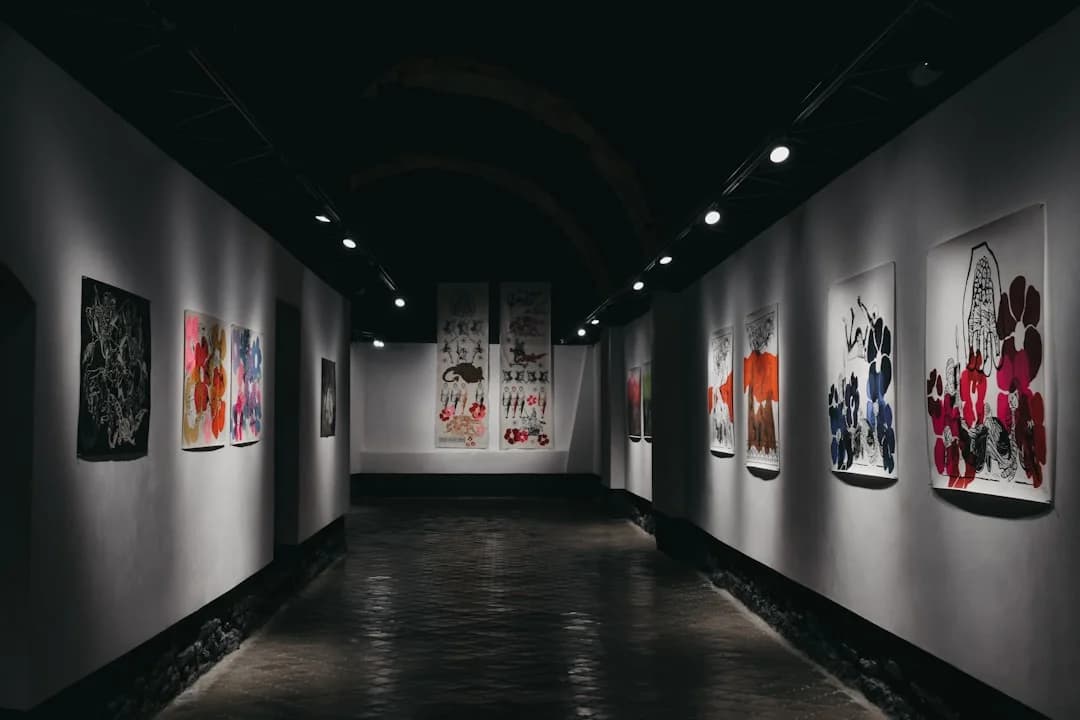
Photo by Darya Tryfanava on Unsplash
The SoHo gallery renaissance 2026 is unfolding in real time as New York’s downtown art scene shifts toward intimate, curator-driven experiences. In early 2026, several SoHo spaces are unveiling new formats—from pop-up and street-level showcases to fully fledged gallery programs—that aim to reconnect audiences with art in more personal, participatory ways. The Gallery at Soho Grand kicks off the year with a landmark visual-arts program, while a sister project in Crosby Street’s SoHo corridor hosts a new wave of contemporary experimentation. In parallel, a boutique pop-up model that began in 2024–2025 has matured into a recurring pattern, with Market Gallery lately expanding into the neighborhood via a high-visibility group show on Mercer Street. Together, these moves underscore a broader shift in the city’s art economy: a recalibration toward accessible, intimate venues that still carry the prestige and reach of New York’s iconic downtown galleries. This evolution matters for collectors, artists, curators, and real estate alike, and it aligns with broader market signals showing resilience and change in 2025–2026. (artguide.artforum.com)
To understand why the SoHo gallery renaissance 2026 matters, it helps to situate it within the market context. After a challenging period in the early 2020s, the global art market rebounded modestly in 2025, signaling a return of activity even as the high-end market remains selective. The Art Basel and UBS Global Art Market Report for 2025 and related analyses show a rebound in overall sales value and a continued emphasis on transactions at mid-range price points, alongside a growing appetite for in-person viewing—a dynamic that bodes well for the downtown gallery model in SoHo. The official Art Basel/UBS 2026 communications confirm a 2025 rebound to roughly $59.6 billion in global sales, with growth continuing into 2025 and a complex, multifaceted market recovery overall. This backdrop helps explain why SoHo’s boutique and pop-up spaces have gained traction as a complementary engine to New York’s traditional mega-galleries. (artbasel.com)
As the year unfolds, observers note that downtown spaces—like those in SoHo—are leveraging intimate environments to foster direct encounters between viewers and artworks, something that data-driven market analyses identify as a growing preference among contemporary collectors. The Market Gallery example on Mercer Street is a case in point: founder Adam Zhu has built an audience for intimate, lines-free shows in a non-traditional space, a strategy that younger collectors often find more accessible and less intimidating than a conventional white-cube gallery setup. The experience is amplified by collaborations and appearances that blur the line between artist-led projects and traditional gallery activity. Market Gallery’s July 2025 group show Revolve drew a diverse crowd and demonstrated that small, venue-driven programs can generate meaningful press and social buzz while remaining financially nimble. This demonstrates how SoHo’s gallery renaissance 2026 can coexist with—and complement—the broader market’s ongoing evolution toward hybrid, experiential formats. (theartnewspaper.com)
Section 1 — What Happened
New openings and evolving programs
Downtown Lens debuts at The Gallery at Soho Grand
The Gallery at Soho Grand announced Downtown Lens, a landmark collection of photographs that trace New York City nightlife through the 1970s and early 1980s. Curated by Richard Boch, the show opened to the public on February 12, 2026, and runs through May 3, 2026, marking a high-profile downtown entry that situates The Gallery at Soho Grand as a hub for curated downtown lore and contemporary interpretation alike. The exhibition foregrounds prolific photographers who documented a pivotal era for New York’s cultural identity, reinforcing SoHo’s ongoing role as a site where historic narratives meet current practice. The press materials emphasize the catalog’s aim to reflect a living downtown tradition, with a focus on storytelling through image and medium. This opening signals a deliberate, programmatic push by a historic hotel gallery to anchor contemporary urban culture in a historically resonant neighborhood. The launch illustrates how SoHo institutions are layering archival material with present-day perspectives to appeal to both long-time residents and newer collectors seeking context and narrative depth. (artguide.artforum.com)
Nino Mier Gallery plants a full-service SoHo outpost
Nino Mier Gallery’s New York program now includes a dedicated SoHo space at 62 Crosby Street, continuing to expand its presence in the vicinity. The gallery’s 2026 calendar features Zak Kitnick’s Paintings for Children, staged in New York’s SoHo from March 7 to April 25, 2026. The artist roster and the timing reflect a broader trend toward mid-size, concept-driven exhibitions that emphasize process and material over pure commodity display. The SoHo program is complemented by ongoing activity in Tribeca, underscoring the gallery’s multi-neighborhood strategy that leverages SoHo’s foot traffic and cultural cachet while maintaining a diversified portfolio of exhibition spaces. This move adds to SoHo’s reputation as a magnet for mid-market, conceptually ambitious programming in 2026. (miergallery.com)
Pop-up and boutique spaces make a case for intimate exposure
Market Gallery’s evolution from a Chinatown apartment setup to a Soho pop-up on Mercer Street illustrates a broader trend: boutique, artist-led spaces creating densely curated encounters in accessible formats. The gallery’s Revolve show—deployed in July 2025 and extended through August—emphasized a blending of generational voices and a direct-to-collector approach. The venue’s appeal lies in its ability to mix street-level visibility with a curated roster, blurring traditional boundaries between ad-hoc installation and a formal gallery program. The Art Newspaper’s report on Market Gallery documents these dynamics, highlighting the space’s emphasis on personal, hands-on curation and its potential to draw younger audiences into downtown New York’s art ecosystem. Market Gallery’s trajectory exemplifies how SoHo’s renaissance in 2026 is being fueled by nontraditional formats that still deliver a strong, credible art program. (theartnewspaper.com)
A clear 2026 timeline taking shape in SoHo
In addition to Downtown Lens and the Crosby Street program, multiple 2026 showings reinforce SoHo’s renewed cultural calendar. The Downtown Lens opening on February 12, 2026, is followed by Zak Kitnick’s Paintings for Children in March–April, and ongoing pop-up activity along Mercer Street in the market’s evolving micro-ecosystem. The press materials and show pages confirm these dates, yielding a calendar that signals an active, ongoing program rather than a single event. The combination of a major hotel gallery program, a mid-sized gallery’s dedicated SoHo space, and a pop-up market model points to a deliberate, staged renaissance of the SoHo gallery ecosystem in 2026. (artguide.artforum.com)
Market context and complementary signals
The downtown pivot mirrors broader market resilience

The 2025–2026 market environment demonstrates resilience, with a shift toward mid-market opportunities and revenue streams that rely on in-person encounters, limited-edition releases, and intimate viewing environments. Global market data show continued volatility, yet with a surprising degree of activity in the mid-market segment, a development that aligns well with SoHo’s boutique gallery approach. Art Basel and UBS reports from 2025–2026 underscore this pattern: while mega-sales faced headwinds, the overall market registered growth and a higher transaction count, highlighting a dynamic that favors breadth of access and experiential engagement alongside traditional dealer channels. These macro signals help explain why SoHo’s renaissance is attracting new programs and audience segments. (news.artnet.com)
Downtown as a complement to Chelsea and the broader market
SoHo’s revival is not a retreat from Chelsea or the other established hubs; rather, it appears to function as a complementary tier within New York’s art ecosystem. A January 2026 NYC gallery guide from Two Coats of Paint demonstrates the density and dynamism of downtown and nearby districts, including frequent openings across multiple venues and a dense calendar, which helps explain why SoHo remains attractive for operators seeking dense foot traffic and a high-concept, narrative-driven program. The guide’s long-running gallery listings show how downtown districts—often overlapping with SoHo’s historic footprint—remain central to the city’s art-market infrastructure. This supportive context makes SoHo a focal point for a renewed emphasis on intimate, curator-led exhibitions that can coexist with larger-scale presentations in other neighborhoods. (twocoatsofpaint.com)
Why It Matters (for readers, collectors, institutions)
A shift toward intimate, artist-led experiences
The SoHo gallery renaissance 2026 underscores a broader, data-informed preference among many collectors for direct, in-person engagement with works and artists. The Market Gallery model—born from a nontraditional space and refined through pop-up shows—demonstrates that intimate formats can generate meaningful attention, sustain community networks, and translate into meaningful sales, even amid market volatility. The Downtown Lens program at The Gallery at Soho Grand reinforces this point by pairing archival material with contemporary curation in a space that remains highly accessible to local audiences. The combination of intimate viewing, local storytelling, and direct artist engagement is consistent with market analyses that emphasize the ongoing importance of context, narrative, and in-person experience in driving collector behavior. (theartnewspaper.com)
Impacts on collectors, galleries, and urban development
For galleries, the SoHo renaissance offers a pragmatic path to audience development in a market that remains highly competitive. For local developers and landlords, a thriving downtown gallery circuit can support neighborhood vitality and diversify retail and cultural offerings, contributing to a more resilient urban economy. The presence of new programs and openings—such as Zak Kitnick’s SoHo show at Nino Mier and Downtown Lens at The Gallery at Soho Grand—signals a confident push by operators to lean into ongoing demand for authentic experiences in art spaces. For collectors, particularly younger or more digitally native ones, these intimate venues provide accessible entry points to serious contemporary practice and a curated, narrative-driven experience that complements the city’s more traditional mega-galleries. (miergallery.com)
Market context: 2025–2026 signals and implications
Market analysts highlight that 2024–2025 saw a global contraction in some high-end segments but a broad base of transactions continued to grow, aided by online channels and diversified formats. The 2025 UBS/Art Basel report indicates resilience and a shift toward a mixed portfolio of sales channels, with transaction counts rising even as average prices for top lots remained volatile. Arts-focused outlets have noted that the number of transactions increased, and mid-market segments remained robust, pointing to opportunities for downtown galleries to leverage intimate formats to reach diverse buyers. Taken together, these market signals support the idea that SoHo’s renaissance in 2026 is part of a larger pattern of recalibration rather than a one-off event. (news.artnet.com)
What’s Next (timeline, next steps, watch points)
Upcoming 2026 calendar and beyond

- February 12, 2026: Downtown Lens opens at The Gallery at Soho Grand, offering a curated window into New York nightlife history and its influence on contemporary practice. The press materials specify this opening date and the exhibition’s scope, establishing a reference point for SoHo’s 2026 programmatic cadence. (artguide.artforum.com)
- March 7–April 25, 2026: Zak Kitnick, Paintings for Children, New York | SoHo, at Nino Mier Gallery. This show signals a continued emphasis on mid-career practice and conceptual exploration within the SoHo space. (miergallery.com)
- Ongoing 2026: The Crosby Street SoHo outpost of Nino Mier and other SoHo venues plan staggered programming across spring and summer 2026, consistent with a calendar that seeks to maintain a constant flow of exhibitions and events. The gallery’s public-facing schedule confirms the ongoing, year-round cadence in SoHo. (miergallery.com)
- 2025–2026: Market Gallery’s Soho pop-up model continues to shape the downtown micro-ecosystem, with revolving groups and emerging artists featured in intimate settings. The Market Gallery model provides a blueprint for future pop-up and micro-gallery activity, illustrating how downtown spaces can sustain momentum between larger, more formal exhibitions. (theartnewspaper.com)
What to watch for in 2026 and beyond
- Growth of mid-market opportunities: As market analyses indicate continued demand for mid-range works and direct-viewing experiences, SoHo’s small- to mid-sized programs could see increased investment and attention from both local and international collectors. The UBS/Art Basel 2025–2026 data suggest a rebound in activity with renewed appetite for accessible, context-rich shows, which aligns with SoHo’s gallery strategy. (artbasel.com)
- Collaboration between traditional and nontraditional spaces: The SoHo Grand press materials and Market Gallery case studies show a growing willingness to blend traditional exhibition formats with nontraditional spaces. This hybrid approach could become a hallmark of SoHo’s 2026–2027 trajectory, driving experimentation and new partnerships across the neighborhood. (artguide.artforum.com)
- Shifts in gallery formats and audience engagement: The trend toward more intimate, narrative-driven displays aligns with a broader market shift toward curated, experience-based engagement. If this continues, expect more artist-led projects and hybrid curatorial initiatives to take root in SoHo, potentially influencing other downtown neighborhoods to adopt similar models. Market analyses and press coverage from 2025–2026 emphasize this propensity toward experiential formats as a durable market characteristic. (theartnewspaper.com)
Closing
The SoHo gallery renaissance 2026 represents more than a mood shift; it reflects a strategic recalibration within New York’s art economy. By embracing intimate settings, artist-led curation, and hybrid formats that blend new uses of space with traditional exhibition programs, SoHo is redefining how downtown culture engages audiences, supports artists, and sustains the local economy. The 2026 calendar—with Downtown Lens at The Gallery at Soho Grand, Zak Kitnick’s Paintings for Children at Nino Mier, and ongoing pop-up programs like Market Gallery’s Revolve—signals a coordinated effort to keep SoHo relevant, accessible, and dynamic in a global market that remains choppy but increasingly data-driven. For readers seeking data-driven context, the convergence of market resilience data (UBS/Art Basel) and concrete, on-the-ground programming in SoHo provides a compelling picture of a neighborhood reasserting itself as a magnet for contemporary art. As summer and fall unfold, observers will be watching how these intimate spaces scale, how collectors respond to the new formats, and how the broader market—especially mid-market opportunities—continues to adapt in a post-pandemic, digitized art world. The coming months will reveal whether the SoHo gallery renaissance 2026 becomes a durable pattern or a temporary alignment, but early signs point to a thoughtful, audience-centric evolution that could reshape New York’s downtown art narrative for years to come. (artguide.artforum.com)