Rail-Right-of-Way Parks NYC 2026: Green Corridors Rise
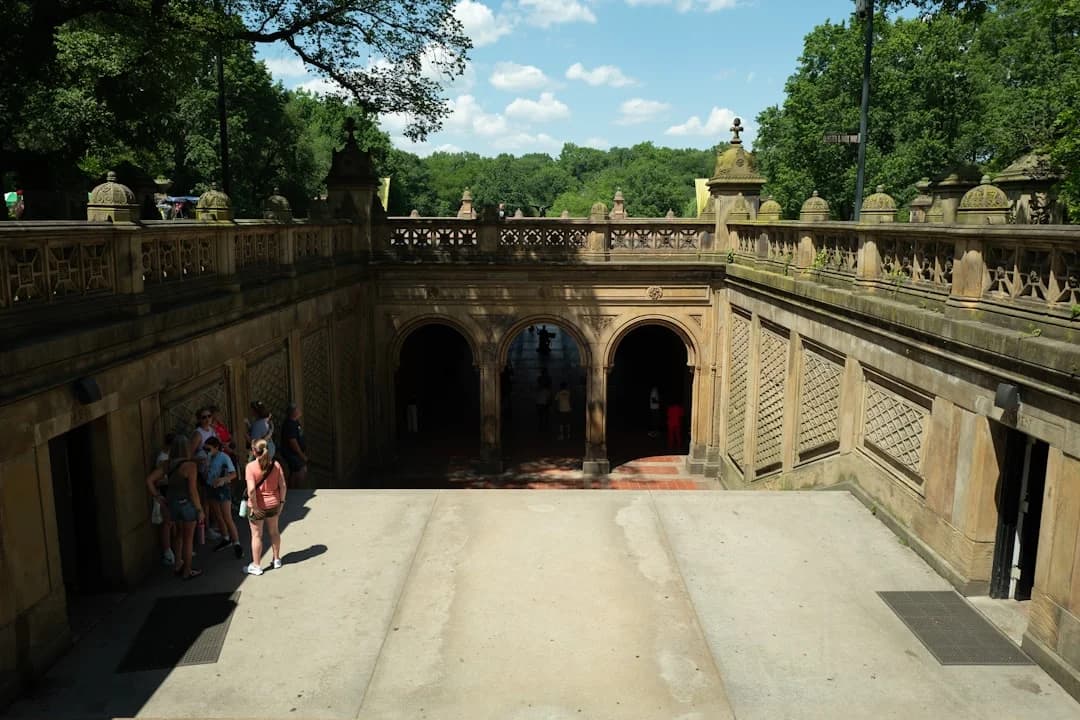
Photo by Raman Shaunia on Unsplash
As Manhattan Monday reports on Rail-Right-of-Way Parks NYC 2026, the city’s long-running debate over what to do with abandoned and underused rail corridors is moving from concept to concrete, funded reality in several neighborhoods. The focus this year is on the QueensWay, a 3.5-mile corridor once home to the Rockaway Beach Branch of the Long Island Rail Road, which has sat largely idle since passenger service on that line ended in 1962. In 2026, momentum has shifted toward capital construction for a linear park and cultural greenway, with Phase 1—referred to as the Metropolitan Hub—poised to begin construction late in the year. This marks a significant inflection point in the broader Rail-Right-of-Way Parks NYC 2026 landscape, where data-driven planning, community engagement, and comparative analyses of rail vs. park futures are guiding the public conversation. (thequeensway.org)
The QueensWay project encapsulates the larger trend of transforming rail rights-of-way into public spaces that serve recreation, education, and neighborhood gathering. The site spans roughly 3.5 miles, covers about 47 acres, and is now fully owned by the City of New York. Of that area, 40 acres are managed by the Department of Citywide Administrative Services (DCAS) and seven acres pass through Forest Park under the jurisdiction of NYC Parks. This ownership arrangement is a cornerstone of how planning and permitting proceed, with agency coordination seen as essential to advancing design, safety, and community access. As of April 2026, design work has moved into an advanced stage, public workshops occurred, and Phase 1 preparations are aligning with the late-2026 construction window. The project is explicitly framed as a park-and-greenway initiative, not a rail revival, with formal statements from city and planning partners underscoring that rail reactivation is not currently feasible given cost and community considerations. (thequeensway.org)
In practical terms, Rail-Right-of-Way Parks NYC 2026 is not a single initiative but a set of related efforts across multiple corridors. The QueensWay embodies a flagship case with a defined first phase, while other corridors in New York City’s ecosystem of greenways and rail-right-of-way projects continue to inform policy, budgeting, and public expectations. A broader context includes ongoing discussions about the Interborough Express (IBX), a proposed 14-mile light rail line intended to link Brooklyn and Queens with a high-capacity transit service that would reuse existing freight corridors. The IBX planning process—though separate from the QueensWay’s park-first route—illustrates how city planners are balancing mobility strategy, land use, and environmental review within the same urban right-of-way framework. As of 2025–2026, the IBX project is in SEQRA/CEQA environmental review stages with open houses and workshops underway, signaling that the city is simultaneously evaluating both rails-and-trails futures and dedicated greenway futures along adjacent rights-of-way. (mta.info)
Section 1: What Happened
QueensWay’s Transition from Concept to Capital Project
In 2022, the City of New York signaled a commitment to moving the QueensWay from a concept to a capital project, enabling formal design work and a structured community engagement process. Public workshops were launched in 2023, and the city subsequently added capital dollars in 2025 to fully support Phase 1—often described as the MetHub—that will initiate the corridor’s greenway entrance near Metropolitan Avenue. By late 2026, Phase 1 is positioned to begin construction, providing the first tangible step toward transforming the full 3.5-mile corridor into a connected, accessible linear park for central Queens. The QueensWay’s official materials outline this phased approach, stressing that the MetHub will feature a new greenway entrance, shaded paths, and a community gathering space that aligns with broader park-and-play objectives rather than rail revival. This is a critical data point in Rail-Right-of-Way Parks NYC 2026, demonstrating how a major right-of-way parcel can pivot to public space with a defined construction window. (thequeensway.org)
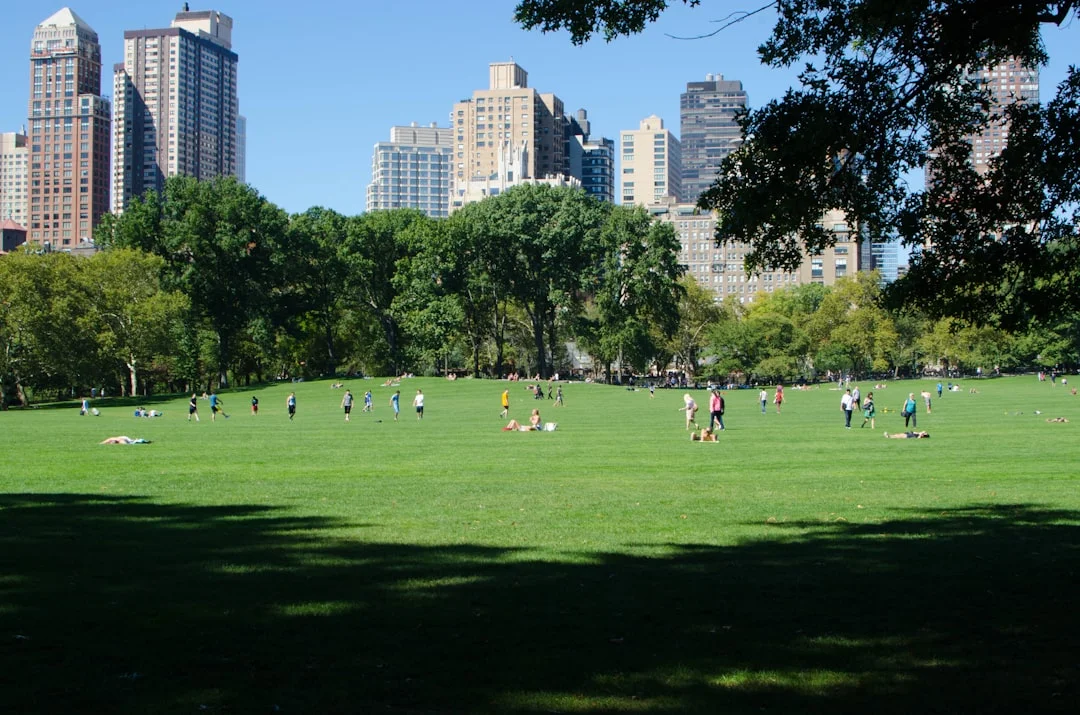
The MetHub: What’s in Phase 1
The MetHub is the central launch pad for the QueensWay’s first phase. The design aims to connect Forest Park’s edge to Metropolitan Avenue through a sequence of pedestrian-friendly spaces that include shaded walkways and a plaza-like arrival point. Stakeholders describe the MetHub as a “gateway” segment that not only provides recreation but also serves as an educational and community anchor for surrounding schools and neighborhoods. The design intent emphasizes accessibility, safety, and programming that can host daytime learning activities, after-school programs, and small-scale cultural events—an embodiment of Rail-Right-of-Way Parks NYC 2026 in practice. Phase 1 design work has progressed toward completion, and the city’s coordination across Parks, DCAS, and NYCEDC signals a shared governance approach for the project’s momentum. (thequeensway.org)
Budget, Schedule, and Public Financing
Budget transparency has been a recurring theme for QueensWay as it moves from vision to construction. Public reporting and local coverage in 2025–2026 highlighted a dedicated capital commitment to Phase 1, with estimates for the Metropolitan Hub phase commonly cited in the $35 million to $46 million range. City and Streetsblog reporting emphasize that Phase 1’s funding is anchored in a multi-year capital plan and that construction could commence in late 2026, marking the project’s transition from published concept to a visible construction program. The QueensWay’s official FAQ notes that new capital dollars were added in 2025 to support Phase 1 (the MetHub) and that design is approaching completion as agency coordination continues, with construction anticipated to begin in late 2026. While some press coverage uses slightly different figures (e.g., $43 million in capital commitments cited by Streetsblog), the overarching takeaway is consistent: Phase 1 is funded, scheduled, and on track for late-2026 construction. (thequeensway.org)
Rail Reactivation Debate: Feasibility vs. Park Vision
A central dimension of Rail-Right-of-Way Parks NYC 2026 is the persistent discussion about whether rail reactivation is feasible along these corridors. The QueensWay position, repeatedly echoed in the project’s official materials, is that rail reactivation is not currently feasible due to cost, ridership projections, environmental concerns, and potential community opposition. An explicit line in the QueensWay FAQ cites a feasibility study completed in 2019 indicating a rail reactivation cost range of $6.8 billion to $8.1 billion, excluding real estate costs. The FAQ also references broader MTA studies, including the 20-Year Needs Assessment (2023), which concluded that the QueensLink rail option did not score well on most metrics, supporting the park-first strategy. This framing—park-first with a potential rail option left open only if policy, funding, and community priorities shift—illustrates a key criterion of the Rail-Right-of-Way Parks NYC 2026 narrative: public space and community benefit now, with rail reconsideration only if a viable, supported future arises. (thequeensway.org)
Intersections with Broader NYC Greenways and Rail Plans
Beyond QueensWay, Rail-Right-of-Way Parks NYC 2026 intersects with a broader network of greenways and rail-right-of-way propositions across the city. NYC DOT’s greenways program today encompasses hundreds of miles of interconnected routes designed to improve pedestrian and cyclist mobility, link neighborhoods, and connect parks, schools, and transit hubs. The department’s web resources show a robust, multi-agency effort to expand greenways—an infrastructure strategy that complements, but is not strictly dependent on, any single rail-right-of-way project. This context matters because it frames Rail-Right-of-Way Parks NYC 2026 as part of a wider urban mobility and open-space strategy rather than a standalone initiative. In turn, it helps explain why adjacent corridors and related projects attract funding, design attention, and public scrutiny in lockstep with park equity and access goals. (nyc.gov)
Economic and Policy Context: Costs, Commitments, and Community Impacts
From a policy perspective, the QueensWay case encapsulates how cities must balance capital budgets, long-range planning, and community amenities with competing transportation priorities. The QueensWay FAQ notes a multi-year funding arc and explicit commitments to Phase 1—an approach typical of Rail-Right-of-Way Parks NYC 2026 initiatives that must secure durable funding streams before major construction can begin. The QueensWay’s financial messaging aligns with broader city efforts to expand public space and active transportation infrastructure, with a particular emphasis on creating safe, accessible spaces that can host daytime and evening programming. The 2019 rail reactivation feasibility study provides a stark counterpoint to the park-first strategy, highlighting the real cost of converting rail corridors into high-capacity transit lines. This juxtaposition is central to understanding Rail-Right-of-Way Parks NYC 2026: a data-informed decision to maximize public benefit in the near term while preserving options for the future if a viable rail strategy emerges. (thequeensway.org)

Section 2: Why It Matters
Urban Greenways as Public Infrastructure and Social Equity
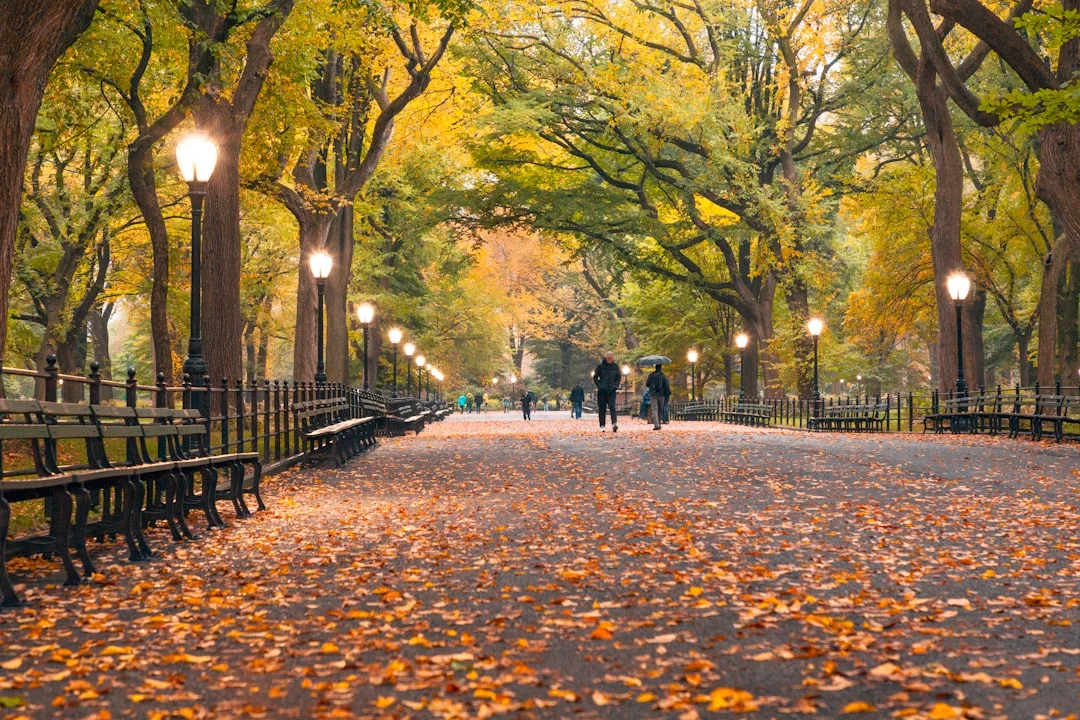
Rail-Right-of-Way Parks NYC 2026 matters not only as a design and engineering question but as a question of social equity and community access. NYC DOT data on greenways shows a city-wide network that, as of late 2024, comprised 505 lane miles of dedicated greenways, linking neighborhoods and offering safer routes for walking and biking. The expansion of greenways is a core part of how the city translates long-abandoned corridors into public assets—a transformation that can improve health outcomes, expand access to parks, and catalyze local small-business activity along corridors that were previously less connected. In this sense, Rail-Right-of-Way Parks NYC 2026 exemplifies a broader urban-planning dynamic: convert underused infrastructure into community-centered venues that can host markets, cultural programming, and education while maintaining flexibility for future mobility options. (nyc.gov)
Economic Signals and Market Relevance
The QueensWay’s Phase 1 budget forecasts and development timeline offer a clear signal about how public projects with a park-forward design are funded and executed in 2026. The reported figures, whether described as $35–$46 million or $43 million in capital commitments for the MetHub, reflect a common pattern in city-led rail-right-of-way conversions: a measured, staged investment approach that emphasizes design, community engagement, safety improvements, and public realm than immediate rail rebuilds. The broader market context—public-private partnerships, job creation from construction and design work, and potential long-term property-market effects around new greenways—helps explain why stakeholders watch these projects closely. The QueensWay case thus contributes to a data-driven narrative about how cities unlock latent value in old rights-of-way while managing fiscal constraints and community expectations. (hoodline.com)
Governance and Stakeholder Dynamics
The Rail-Right-of-Way Parks NYC 2026 framework hinges on multi-agency governance and stakeholder alignment. The QueensWay project involves NYC Parks, DCAS, NYCEDC, and the city’s planning apparatus, reflecting the ecosystem required to shepherd park development along a defunct rail corridor. For neighborhoods, this governance translates into predictable milestones, public-approval processes, and ongoing engagement, which in turn affects local investment decisions and community programs. The QueensWay FAQ’s April 2026 status update and the project’s ongoing engagement with community boards illustrate how governance and transparency play a central role in the project’s legitimacy and public acceptance. In this sense, Rail-Right-of-Way Parks NYC 2026 is as much about process as about asphalt and landscaping; it’s about building trust and ensuring that parks and greenways are integrated into neighborhood life. (thequeensway.org)
Technology and Market Trends Shaping the Landscape
While the QueensWay project is primarily a land-use and public-space initiative, its execution is inseparable from technology-enabled planning and market-awareness processes. The Interborough Express project, while separate, demonstrates how modern transit planning relies on advanced environmental reviews, stakeholder engagement, and data-driven design choices to balance mobility with community impact. The MTA’s Draft Scoping Document for IBX (October 2025) outlines a detailed approach to studying a rail option within an existing right-of-way, including station placement, operational design, and environmental considerations. Though Rail-Right-of-Way Parks NYC 2026 centers on parks, the IBX process provides a valuable blueprint for how future rail-on-right-of-way projects could unfold if and when a viable path emerges. Readers can see this tech-enabled, data-driven planning culture across multiple corridors, informing how decisions are made about whether to pursue park-based futures or rail-based futures in the city’s dense landscape. (mta.info)
What It Means for NYC Residents and Businesses
For residents, Rail-Right-of-Way Parks NYC 2026 translates into more public space, enhanced safety, and potential avenues for local programming. For local businesses, the introduction of a well-designed greenway can generate foot traffic, seasonal markets, and opportunities for partnerships with schools, nonprofits, and cultural institutions. The QueensWay’s design-conception stage emphasizes community-oriented spaces that support gatherings, outdoor learning, and cultural events, aligning well with a city that has prioritized open spaces and active transportation. It’s important to note that while the economic benefits are plausible and widely anticipated, precise numbers on incremental business revenue, park attendance, or property-value shifts remain contingent on final design decisions, completion timelines, and ongoing maintenance commitments. The available credible sources emphasize planning milestones, governance, and public engagement rather than fixed, post-completion economic projections. (thequeensway.org)
Section 3: What’s Next
Timeline, Next Steps, and Key Milestones
The central near-term milestone for Rail-Right-of-Way Parks NYC 2026 is the late-2026 commencement of Phase 1 construction for the QueensWay MetHub. Design and agency coordination are approaching completion, setting the stage for construction to begin in the “late 2026” window—an important signal for municipalities, contractors, and community groups planning events and programs in the new spaces. In parallel, the broader city greenways program continues to evolve, with ongoing maintenance needs and safety improvements shaping the pace and scope of new segments. Readers should watch for updates from the QueensWay’s official channels and from community boards as Phase 1 proceeds toward completion, with the potential for more detailed phasing information to emerge as design details firm up. (thequeensway.org)
Public Engagement and Community Input
Public engagement has been a persistent feature of Rail-Right-of-Way Parks NYC 2026 planning. The QueensWay has hosted design workshops and community updates since 2023, and 2026 public events and materials continue to inform design choices and address safety, accessibility, and programming considerations. The MTA’s IBX public-engagement framework—incorporating town halls, CE/DEIS scoping, and community outreach—serves as a parallel model for how large-scale right-of-way projects integrate resident feedback into technical plans. These engagement activities are not only about communicating decisions but about collecting data—the input from residents, nonprofits, schools, and business groups—needed to shape both park and potential rail futures in a complex urban environment. (thequeensway.org)
What to Watch for Next
- Construction milestones for Phase 1 MetHub: While late 2026 is the target, readers should monitor official project updates for precise start dates, permitting conditions, and early works activities. The QueensWay FAQ explicitly notes that Phase 1 is on track for late 2026, signaling a concrete shift from planning to ground-breaking activity. (thequeensway.org)
- Public-approval and design refinements: As Phase 1 moves from design toward construction, expect further public briefings, updated renderings, and revised site plans that respond to community concerns about safety, access, and programming spaces. The project’s ongoing workshops and community-board updates will be essential data points in understanding Rail-Right-of-Way Parks NYC 2026’s trajectory. (thequeensway.org)
- IBX milestones as a complementary signal: The Interborough Express project continues to progress through environmental reviews, design contracts, and community engagement. While not a direct component of QueensWay, IBX’s timelines and decision points (e.g., fall 2026 EIS engagement) illuminate how New York City is managing rail-right-of-way opportunities in parallel with greenway and park initiatives. Observers should consult MTA materials and RPA commentary to gauge how rail and park futures may interact in the coming years. (mta.info)
- Budget and policy shifts: The city’s capital plans and community budgets can evolve, affecting later phases of QueensWay and other Rail-Right-of-Way Parks NYC 2026 projects. Keeping an eye on city budget releases, Parks Committee meetings, and ED(C)C briefings will help readers understand shifts in funding that could accelerate or re-schedule milestones. The 2025–2029 capital-planning context around IBX and greenways offers a useful barometer for anticipated funding levels and program priorities. (nyc.gov)
Closing
Rail-Right-of-Way Parks NYC 2026 represents a historic pivot in how New York City leverages defunct or underutilized railway corridors. The QueensWay, as the leading example in central Queens, demonstrates a disciplined, data-driven path from concept to construction, anchored by explicit governance structures and multi-year capital commitments. By late 2026, the MetHub phase will put a tangible footprint on the ground—a physical and symbolic milestone that turns a once-hypothetical rail-right-of-way into a thriving public space designed for learning, gathering, and everyday recreation. In parallel, the Interborough Express project shows the city’s willingness to explore rail-based futures within the same corridor ecosystem, aided by rigorous environmental review and stakeholder engagement processes. Taken together, these efforts reflect a broader NYC strategy: to expand greenways and right-of-way spaces as essential infrastructure for mobility, health, and inclusive urban life, even as planners keep rails-as-options open for future possibilities if conditions and public will align.
Residents, business owners, students, and visitors will gain a clearer sense of what Rail-Right-of-Way Parks NYC 2026 means for daily life as Phase 1 progresses. For those who want to stay informed, the best sources are the QueensWay’s official communications, the NYC Parks and DCAS updates, and ongoing coverage from independent outlets that track capital commitments, design milestones, and community feedback. The city’s greenways program and the IBX planning process together illustrate how New York balances ambitious mobility projects with the equally important goal of accessible, inviting public spaces that serve diverse neighborhoods. As the year unfolds, Manhattan Monday will continue to report on Rail-Right-of-Way Parks NYC 2026, highlighting new data points, milestones, and community voices to help readers understand how these corridors are transforming the city’s urban fabric.