Queens 2026: Tech, Arts, Transit Fuel Cultural Growth

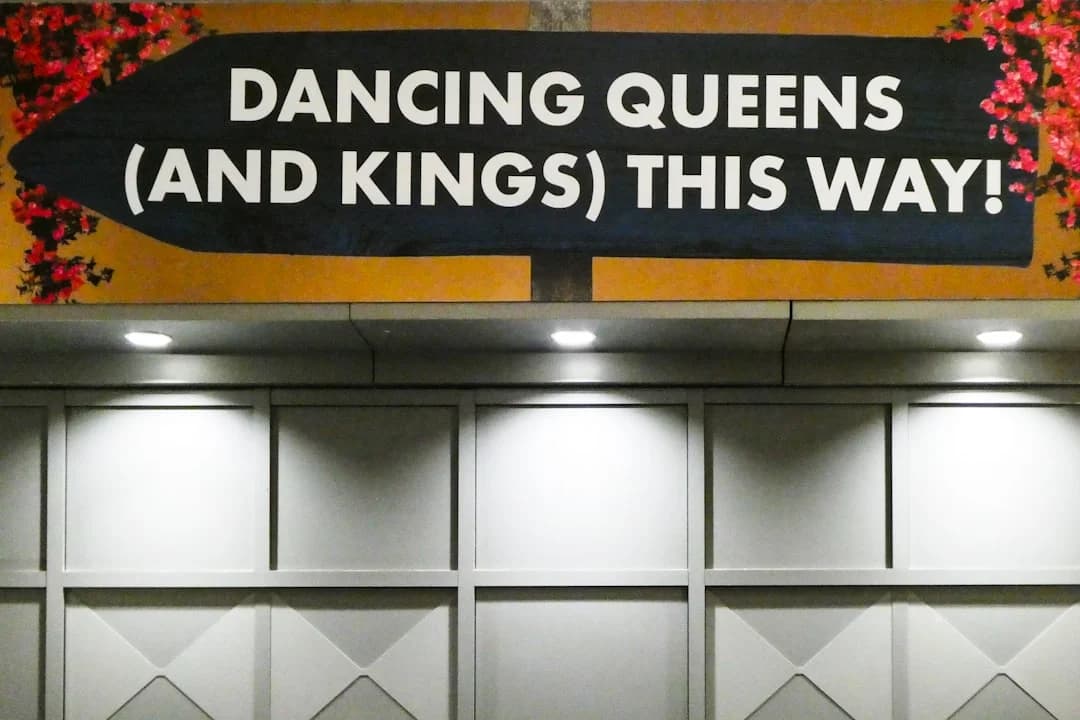
Photo by Nick Fewings on Unsplash
Queens cultural resurgence 2026 is unfolding as a multi-faceted transformation across New York City’s most diverse borough. Data from government plans, university initiatives, and private-sector investment point to a coordinated effort to revitalize public spaces, expand the tech economy, and accelerate cultural programming. For readers seeking a clear, evidence-based view, the convergence of transit upgrades, artistic programming, and technology education offers a framework for understanding how Queens might reshape its economic and cultural landscape in the near term.
In January 2026, state leaders announced a plan to reimagine Jamaica Station, highlighted by a $50 million design investment and a broader agenda to accelerate transit improvements countywide. Officials described Jamaica Station as a linchpin for Queens and the broader region, with about 200,000 daily riders passing through the hub and it ranking as the fourth-busiest rail station in North America. The plan envisions a more integrated transfer experience among Long Island Rail Road, NYC Transit, and AirTrain JFK, while also advancing a westward extension of the Second Avenue Subway to improve cross-city mobility. This is not merely a maintenance project; it’s framed as a catalyst for housing, commerce, and neighborhood growth in a corridor that has seen rapid rezoning and development activity. (governor.ny.gov)
Beyond transit, Queens is expanding its cultural and tech ecosystems. The borough is gearing up for a year of large-scale arts programming, including the 5th annual Queens Rising festival launching in June 2026, with a program lineup across cultural partners, galleries, libraries, and community venues. The festival’s emphasis on collaboration and local artistry mirrors a broader trend of arts institutions embedding themselves in community spaces, schools, and public streetscapes. In late April 2026, Queens Rising signaled a continuing commitment to year-long programming and partnerships, indicating that the cultural renaissance in Queens remains active well beyond June. (queensrising.nyc)
Opening
Queens cultural resurgence 2026 is anchored in a trio of converging forces: a renewed transit backbone that unlocks neighborhoods; a burgeoning tech and education ecosystem that aims to embed opportunity in Queens’s workforce; and a vibrant, community-centered arts scene that translates creative energy into economic and social capital. The latest data and announcements suggest a coordinated, data-informed approach to growth, with 2026 serving as a pivotal year in the borough’s cultural and market trajectory. As readers will see, the implications extend beyond galleries and bus depots: they touch housing, employment, student training, and how residents experience public space.
Jamaica Station and transit investments loom large in the story of Queens cultural resurgence 2026. In mid-January 2026, Governor Kathy Hochul announced a plan to commit $50 million to fund the design phase for Jamaica Station’s modernization, a move designed to improve passenger flow and intermodal connections among LIRR, NYC Transit, and AirTrain JFK. The plan emphasizes a more integrated station complex and reduced travel times, targeting the approximately 200,000 riders who pass through the hub each day. The project is described as a continuation of a series of major transit investments in the New York City region, including the 2025-2029 Capital Plan’s $68 billion package. This set of investments is widely viewed as a critical driver of economic and neighborhood development in Queens. (governor.ny.gov)
The broader context for the Jamaica plan includes a significant housing and neighborhood development push in southeast Queens. Reporting in January 2026 highlighted a City Planning rezoning that supports thousands of new residences and commercial activity in the Jamaica area, a shift that is expected to bring more residents, more foot traffic, and greater demand for services and amenities. Critics and residents alike note that infrastructure upgrades, including sewer improvements and new public spaces, will be essential to sustaining growth. The January 2026 coverage also underscores the complexity of delivering housing at scale while preserving neighborhood character, a central theme in Queens’s cultural renaissance. (gothamist.com)
Section 1: What Happened
Jamaica Station Design Plan Gains Momentum
In January 2026, Governor Hochul announced a plan to reimagine Jamaica Station with a dedicated design budget of $50 million, aimed at delivering a more seamless transfer experience across intercity, regional, and airport-rail connections. The plan positions the Jamaica Station upgrade as a cornerstone of the state’s transportation vision and the MTA’s ongoing capital program. Daily ridership at Jamaica Station exceeds 200,000, making it a critical node for Queens and the wider New York metro area. The plan envisions improved traffic flow, reduced crowding, and a modern station complex that aligns with long-term regional mobility goals. The state’s announcement also references a broader second-avenue westward expansion concept, building on prior investments to shorten commutes and improve reliability. (governor.ny.gov)
- Jamaica Station’s importance is underlined by the fact that it serves as a key link for Queens residents commuting to Manhattan, Brooklyn, and points beyond. The station’s capacity to connect with AirTrain JFK and multiple bus routes further amplifies its role in supporting economic activity across the borough. The commitment to design next steps for Jamaica Station is framed as part of a larger, multi-year strategy to modernize transit infrastructure and improve overall quality of life for residents and workers in Queens. (governor.ny.gov)
Housing Rezoning and Related Infrastructure Moves
Shortly after the Jamaica design announcement, coverage in January 2026 highlighted a major rezoning push in the Jamaica area, intended to unlock thousands of new homes and to catalyze mixed-use development. The planned housing growth is significant: reports indicated the approval of plans that would add up to roughly 12,000 new homes across approximately 230 blocks, a scale that would bring more residents into a neighborhood already poised for transit-driven growth. This housing boom is presented as a driver of demand for new retail, services, and cultural venues, reinforcing the correlation between living spaces and cultural activity. Infrastructure investments—such as sewer upgrades and public plazas—are described as essential components to sustain this vibrant, growing district. While the housing growth brings opportunities, stakeholders emphasize the need for careful planning to ensure that infrastructure, schools, and public services scale in concert with new residents. (gothamist.com)
- These developments coincide with a broader pattern in Queens where rezoning and transit improvements are being packaged together to create broader economic opportunity. The interplay of housing, transit connectivity, and cultural amenities is a focal point for both policymakers and community groups as they assess the long-term impact on equity, access, and quality of life. (gothamist.com)
Arts and Culture Initiatives in Queens
Queens is deepening its cultural footprint through a slate of large-scale, borough-wide initiatives designed to diversify programming, expand participation, and connect communities to artistic opportunities. In April 2026, Queens Rising, a multi-year, borough-wide arts celebration, announced the fifth annual edition kicking off in June 2026 with a launch event at the Queens Museum. The festival’s programming emphasizes collaboration with local artists, cultural organizations, libraries, and community partners across Queens. The event series continues across the summer, reinforcing Queens as a dynamic hub for cultural life that complements the borough’s growing tech and academic ecosystems. (queensrising.nyc)
-
The Queens Museum, a central venue in the borough’s arts ecosystem, is hosting the 2026 Queens Borough Arts Festival in late April to mid-May 2026, highlighting student work from across the New York City Public School system and continuing the city-wide emphasis on arts education. The festival’s timing and location within Flushing Meadows-Corona Park connects public institutions with community audiences, reinforcing the idea that Queens’s cultural resurgence 2026 is anchored in accessible, city-supported venues. (queensmuseum.org)
-
The city’s public art initiatives also extended into K-12 settings, with the NYC Department of Cultural Affairs announcing five new permanent public art installations completed in 2025 in collaboration with the NYC School Construction Authority. These pieces include works in Queens PS 26 and PS 160, reinforcing how arts investment is surfacing in Queens schools and public buildings. This citywide effort demonstrates how Queens is embedded in larger cultural infrastructure, a signal of ongoing investment in a more culturally connected urban fabric. (nyc.gov)
Technology Hubs and Educational Initiatives
In parallel with transit and arts investments, Queens is expanding its technology and education infrastructure. A February 2026 Queens College press release describes a suite of federally funded projects designed to bolster the borough’s technology and innovation capacity. Notably, the Queens College Tech Incubator (TIQC) will receive more than $1 million to support the Queens Technology and Innovation Hub, a new hub designed to build local talent in AI, machine learning, blockchain, data analytics, and cybersecurity. The initiative emphasizes partnerships with major employers like Google and Verizon, aiming to provide practical pathways into internships and jobs for Queens residents. In addition, the nanofabrication facility at Queens College, funded as part of a broader federal package, will support cutting-edge research in semiconductors, solar energy, and related fields, positioning Queens as a hub for advanced manufacturing and applied science. Together, these investments signal a deliberate push to anchor technology-enabled economic opportunity in Queens. (qc.cuny.edu)
-
The Queens Tech Council, a regional coalition supported by the Queens Chamber of Commerce, articulates a broader agenda to create an inclusive, thriving tech economy in Queens, with a focus on access to capital, workforce development, and partnerships that connect residents to tech opportunities. This community-backed effort complements the Queens College TIQC initiatives and helps explain the social and economic architecture behind the borough’s tech momentum. (queenstechcouncil.com)
-
In addition to higher-education and incubator programs, market activity in nearby Long Island City reflects a tech-forward, real-estate-enabled growth path. A January 2026 CBRE report on Long Island City office figures for the second half of 2025 shows continued leasing momentum, with 292,000 square feet leased in H2 2025 and 415,000 square feet for the full year 2025, alongside a decline in overall vacancy and stable rent levels. While LIC remains a unique sub-market, the data illustrate a broader trend of demand for modern, tech-enabled office space in western Queens, aligning with the borough’s talent and infrastructure investments. (cbre.com)
Section 2: Why It Matters
Economic and Market Implications for Queens
The convergence of transit upgrades, educational investment, and cultural programming has meaningful macro implications for Queens’s economy. Transit improvements such as Jamaica Station modernization and the potential Second Avenue expansion reduce friction for workers commuting to Manhattan or through JFK. When combined with a robust capital program and a growing tech-education ecosystem in Queens College and partner institutions, the region has the ingredients to attract startups, scale existing tech jobs, and create cross-venue collaborations with cultural and community organizations. The MTA’s capital plan and related investments create a framework that could support growth in jobs, real estate occupancy, and consumer activity in surrounding neighborhoods. For instance, LIC’s leasing activity in 2025 demonstrates demand for space that can host tech and creative firms, aligning with Queens’s broader strategy to convert cultural and educational assets into real economic value. (governor.ny.gov)
- The policy setup—ranging from rezoning approvals to city and state capital commitments—highlights a public-sector intent to align housing, mobility, and culture in a way that benefits the borough’s diverse population. This alignment is critical for sustainable growth in Queens’s cultural and technology sectors, reducing the risk of disconnect between new housing and the availability of cultural and professional opportunities. The January 2026 reporting around zoning and infrastructure investments underscores this integrated growth approach. (gothamist.com)
Transit as a Growth Engine
Transit investments in Queens—especially Jamaica Station—are not just about moving people; they are a catalyst for economic development and place-making. A redesigned Jamaica Station, with improved circulation, integrated intermodal connections, and a long-term plan to extend subway service westward, could enable a more connected neighborhood, attract new businesses, and increase the viability of housing near transit. The plan’s emphasis on reducing travel times and improving reliability is aligned with outcomes observed in other dense urban ecosystems where enhanced mobility supports retail, hospitality, and cultural activity. The MTA’s broader capital plan and the expectation of substantial funding for transit improvements reinforce this view. (governor.ny.gov)
Cultural Ecosystem and Community Impacts
Queens Rising’s 2026 edition and the Borough Arts Festival reflect a deliberate strategy to knit culture into daily life, education, and neighborhood identity. By integrating programming across galleries, libraries, schools, and public spaces, Queens aims to create more inclusive access to the arts while stimulating local economies through events, tourism, and creative industries. The city’s public-art initiatives—such as the five new school installations in 2025—underscore a policy trajectory that treats culture as essential public infrastructure. This approach helps ensure that Queens’s growth is inclusive and widely distributed, rather than concentrated in a few high-visibility venues. (queensrising.nyc)
Tech Ecosystem and Education
The tech investments in Queens—ranging from TIQC funding to partnerships with major tech firms—signal a long-term intent to diversify the borough’s economic base beyond traditional real estate and service industries. The hub at Queens College, with its emphasis on AI, ML, cybersecurity, and data analytics, is designed to connect students and residents with in-demand skills and career pathways. In practice, this can translate into higher local employment, increased entrepreneurship, and greater capacity to attract and retain tech companies in Queens. The Queens Tech Council’s mission and the QC TIQC announcements together illustrate a coordinated effort to create a local tech ecosystem that can sustain cultural and economic growth. (qc.cuny.edu)
Section 3: What’s Next
Upcoming Milestones to Watch in 2026–2027
-
Jamaica Station design and planning milestones: With $50 million allocated for design in early 2026, the subsequent design phase and public engagement process will shape later engineering work and potential construction sequencing. The design phase is a prerequisite for the broader project that could influence intermodal connectivity and rider experience for the millions of riders who rely on Jamaica Station every year. The state’s January 2026 plan signals a multi-year process that will unfold through the 2026–2027 period and into the later stages of the MTA’s capital plan. (governor.ny.gov)
-
Jamaica Bus Depot modernization and electrification: The MTA’s Jamaica Bus Depot Expansion project details a phased construction plan with a target completion window spanning 2023–2027. Expect ongoing work in 2026, including a completed new outdoor parking lot and administrative building, as well as continued noise and traffic mitigation measures in Southeast Queens. Completion is anticipated in 2027 for key components, with several phases already under way. Residents and commuters should anticipate intermittent service impacts but also long-run improvements in bus reliability and emissions reductions. (mta.info)
-
Queens Rising activities and Borough Arts Festival: The 2026 Queens Rising season is underway, with a June launch and a month-long program featuring events across the borough. The festival’s schedule and partner lineups indicate ongoing programming through the summer and beyond, reinforcing Queens as a year-round cultural destination. Watch for partnerships with public libraries, schools, and cultural institutions as organizers create cross-venue experiences that engage residents and visitors alike. (queensrising.nyc)
-
Queens Borough Arts Festival timing: The 2026 Borough Arts Festival runs from late April to mid-May, anchored by events at the Queens Museum and other local sites. This festival provides a snapshot of how Queens is layering education, community engagement, and cultural production to drive longer-term cultural and economic value. (queensmuseum.org)
-
Tech and education hub expansion: The Queens College TIQC and the Queens Technology and Innovation Hub are positioned to grow through 2026 and beyond, with funding and partnerships designed to sustain hands-on training in AI, ML, cybersecurity, and related fields. The hub’s partnerships with major employers and the expected flow of student talent into local startups and established tech firms will be a key indicator of how Queens converts educational investment into real economic outcomes. (qc.cuny.edu)
-
LIC market dynamics and broader tech ecosystem: The office-market momentum in Long Island City, as captured by the CBRE report, will continue to influence Queens’s tech and creative economies. Leasing activity, absorption, and rent dynamics in LIC signal demand for modern workspace that can host media, software, design, and related ventures. Observers should monitor whether this demand remains resilient in 2026 as infrastructure and workforce development mature in Queens. (cbre.com)
Timeline and Next Steps to Watch
-
Short-term (next 6–12 months): Finalization of Jamaica Station design concepts, with public input and interagency coordination continuing. Community meetings and environmental review processes are likely to occur, shaping the project’s next phases. Jamaica Bus Depot expansion continues with ongoing construction and mitigation measures to minimize neighborhood disruption. (governor.ny.gov)
-
Medium-term (12–24 months): Start of any construction phases beyond design, with a focus on minimizing disruption to commuters while delivering improved intermodal connectivity. The Queens Borough Arts Festival and Queens Rising activities will provide real-world demonstrations of how arts and culture are integrated into daily life and neighborhood economies. (queensmuseum.org)
-
Long-term (2–4 years): Realization of the broader transit and housing developments, including potential cross-borough synergies between transit upgrades, housing growth, and cultural institutions. The tech-education initiatives, anchored by TIQC and Queens Tech Council partnerships, aim to translate student talent into local employment and entrepreneurship opportunities, reinforcing Queens’s role as a technology-enabled growth center. (qc.cuny.edu)
Closing
The evidence to date supports a narrative of Queens cultural resurgence 2026 that is less about a single headline and more about a coordinated set of movements: better transit design and service, a surge of arts and educational programming, and a burgeoning tech economy anchored by higher-education institutions and local business networks. Jamaica Station’s design funding, the Jamaica Bus Depot modernization, and the wider rezoning activity lay the groundwork for a more connected, more diverse, and more economically dynamic Queens. In parallel, Queens Rising and the Borough Arts Festival highlight how culture is being woven into daily life, turning public spaces, schools, and libraries into stages for local creativity.

Photo by Nathalia Segato on Unsplash
If the current trajectory holds, Queens could emerge as a model for how to fuse infrastructure, culture, and technology into a coherent growth strategy. The city’s capital programs, university investments, and community-driven arts initiatives provide a data-informed blueprint that policymakers, business leaders, and residents can watch closely as 2026 unfolds and beyond. For readers seeking a stable, factual read on the topic, the coming months will be a test of whether these coordinated efforts translate into measurable improvements in mobility, living standards, and economic opportunity for the borough’s diverse communities. Stay tuned to Manhattan Monday for ongoing, data-driven updates as the Queens cultural resurgence 2026 evolves.