Outer Borough Gallery Cooperatives NYC 2026: Trends

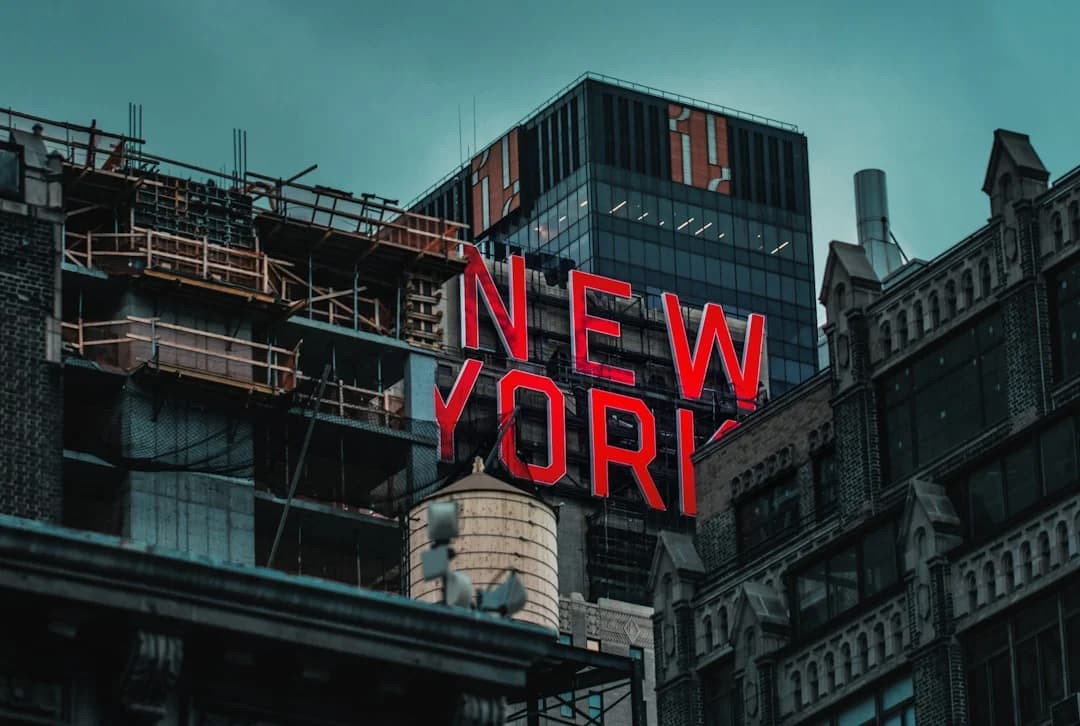
Photo by Nik Shuliahin 💛💙 on Unsplash
Manhattan Monday is monitoring a developing trend that could reshape New York City’s art ecosystem: Outer Borough Gallery Cooperatives NYC 2026. This concept envisions a network of artist-run spaces across the city’s outer boroughs—Brooklyn, Queens, the Bronx, and neighboring communities—collaborating to expand access, reduce costs, and experiment with new digital platforms for exhibition and sale. As the city’s real estate pressures and rising operating costs press in on traditional storefront galleries, observers say these cooperatives could offer a practical path forward for artists seeking affordable exhibition venues while maintaining professional standards. The conversation around Outer Borough Gallery Cooperatives NYC 2026 is moving from conjecture to planning stages in some quarters, with industry voices stressing the need for data-driven approaches to space utilization, membership models, and audience engagement. This piece ground-truths what is publicly known today, frames the potential implications, and outlines what readers should watch for in the coming months. In this context, Outer Borough Gallery Cooperatives NYC 2026 emerges as a focal point for discussions about how technology, community stewardship, and market dynamics intersect in New York’s outer neighborhoods. News coverage and historical precedents in New York’s cooperative gallery culture provide useful context as we assess what this may mean for artists, curators, collectors, and small-scale spaces alike. For example, NYC’s longstanding artist-run spaces demonstrate how collective governance can operate successfully in a demanding market, as seen in the operations and programs at Amos Eno Gallery and A.I.R. Gallery, which highlight how membership-driven models can sustain exhibition programs and public engagement. (amoseno.org)
The broader city narrative around co-ops and outer borough venues also matters for Outer Borough Gallery Cooperatives NYC 2026. City Limits and other outlets have called for deeper mapping and analysis of the outer borough art scene, underscoring that the ecosystem extends far beyond Manhattan and includes resilient, community-driven spaces that contribute to cultural life and local economies. This backdrop matters as readers consider how a formalized outer-borough cooperative network might complement existing galleries, residencies, and community spaces. In short, the outer boroughs are increasingly recognized as dynamic nodes in New York’s art geography, with potential implications for how exhibitions are produced, funded, and shared with audiences. (citylimits.org)
Section 1: What Happened
Emergence of a Cooperative Ethos in the Outer Boroughs
- The concept of gallery cooperatives is not new in New York. Artist-run and cooperative spaces have a long history in the city, with notable examples that inform today’s discussions about Outer Borough Gallery Cooperatives NYC 2026. Amos Eno Gallery describes itself as “a nonprofit, artist-run cooperative gallery,” illustrating how membership-driven models sustain robust exhibition programs in a high-cost city. This model demonstrates a viable pathway for collective governance, shared resources, and peer review in a neighborhood setting that isn’t Manhattan’s primary commercial hub. (amoseno.org)
- A.I.R. Gallery operates as a nonprofit, artist-run cooperative with a long-standing mission to support women and non-binary artists through residency-like structures and ongoing programs. The cooperative model—rooted in shared governance and peer-led initiatives—serves as an important reference point for outsiders looking to understand how Outer Borough Gallery Cooperatives NYC 2026 could function in practice. (airgallery.org)
- The historical landscape of New York’s co-ops includes the “10th Street galleries” era, a formative period in which cooperative spaces helped redefine how artists exhibited work and connected with audiences. While the 10th Street moment belongs to a different era, its emphasis on collective action and non-traditional spaces informs how contemporary outer-borough initiatives might structure governance, programming, and community engagement. (en.wikipedia.org)
Public Signals and Industry Context
- In 2026, the New York art scene remains highly interconnected with a broader ecosystem that includes major museum surveys, such as MoMA PS1’s Greater New York 2026, which situates New York-based artists within a diverse, multidisciplinary context. While Greater New York 2026 is a museum-centric benchmark, it underscores the ongoing vitality of the five-borough environment and the potential for outer-borough participants to gain visibility through collaborative networks, partnerships, and cross-institutional programs. (press.moma.org)
- Journalistic and industry coverage continues to highlight the importance of outer-borough venues for broader access, experimentation, and community engagement. Reports and feature coverage emphasize that outer borough spaces contribute meaningfully to New York’s cultural economy, often leveraging partnerships with local organizations, colleges, and residency programs. These dynamics are relevant to any formalized Outer Borough Gallery Cooperatives NYC 2026 initiative, as they inform potential governance models, funding strategies, and audience development plans. (citylimits.org)
Timeline and Key Facts
- At this stage, no universally published, official launch timeline for Outer Borough Gallery Cooperatives NYC 2026 has been publicly confirmed in credible sources available to date. Public statements, interviews, or press materials outlining a formal launch, governance structure, or membership eligibility criteria remain limited or non-public. As a result, readers should treat any specific launch dates or milestones as tentative until official communications are released by involved organizations. The absence of a public, verifiable timeline does not preclude future announcements; it simply means verifiable details have not yet been published in widely accessible outlets as of the publication date. As this situation evolves, Manhattan Monday will monitor and report any confirmed milestones or announcements. (press.moma.org)
Stakeholder Reactions and Early Sentiment
- Industry observers note that a formal Outer Borough Gallery Cooperatives NYC 2026 framework could benefit artists facing expensive studio and gallery spaces, while also presenting challenges around governance, mission alignment, and funding. Discussions about co-ops in other sectors and 21st-century gallery practice reveal a spectrum of perspectives, from excitement about collaborative models to caution about resource allocation and member responsibilities. The cooperative approach’s success hinges on clear governance, transparent decision-making, and sustainable revenue streams, all of which are ongoing topics among practitioners and funders. (citylimits.org)
Section 2: Why It Matters
Economic and Cultural Implications for NYC’s Art Market
- Outer Borough Gallery Cooperatives NYC 2026 could diversify the city’s art market by distributing programming and audience development channels across boroughs that historically receive less gallery infrastructure investment. The outer boroughs have long been home to vibrant communities and independent spaces that contribute to the city’s cultural economy, even as they navigate cost and space constraints. A cooperative network could formalize collaboration, reduce redundancies, and enable shared marketing and digital infrastructure, potentially lowering barriers to entry for emerging artists and small galleries. This aligns with observed trends in the outer boroughs’ cultural ecosystems and the ongoing conversation about how best to sustain independent artistic practice beyond Manhattan. (citylimits.org)
- The presence of artist-run cooperatives like Amos Eno and A.I.R. demonstrates that the cooperative model can deliver sustained programming, professional development, and meaningful public engagement within the city’s complex real estate and funding environment. These examples help illuminate how Outer Borough Gallery Cooperatives NYC 2026 might operate in practical terms—through membership structures, curatorial committees, and artist-led programming that balance artistic ambition with financial viability. (amoseno.org)
Benefits for Artists, Collectors, and Communities
- For artists, cooperative spaces offer an alternative to the conventional gallery system, potentially enabling more control over exhibition cycles, price realization, and community-based programming. Amos Eno’s membership model underscores how artist-members can participate in decision-making and share in a gallery’s public programming, while retaining a degree of artistic autonomy within a supportive framework. A.I.R. Gallery’s long-running cooperative structure further illustrates how collectives can sustain opportunities for women and non-binary artists, including residency-like programs, exhibitions, and mentorship. These templates provide a useful blueprint for Outer Borough Gallery Cooperatives NYC 2026’s potential governance and program design. (amoseno.org)
- For collectors and audiences, a distributed network of outer-borough cooperatives could broaden access to diverse artistic practices, reduce travel barriers, and foster local engagement with neighborhood institutions, universities, and cultural centers. The broader NYC outer-borough art ecosystem—documented by City Limits and other cultural outlets—highlights the potential for new spaces to contribute to audience development and to serve as community hubs for education, dialogue, and collaboration. (citylimits.org)
Technology and Market Trends Shaping the Cooperative Model
- Digital platforms and data-driven engagement are increasingly central to gallery operations, particularly for spaces working with tighter budgets and smaller audiences. While specific Outer Borough Gallery Cooperatives NYC 2026 initiatives may not yet be public, the intersection of technology and art markets is already shaping how independent spaces connect with audiences, present work, and process transactions. Observers note that efficient cataloging, online exhibitions, virtual tours, and targeted outreach can amplify impact without requiring expansive brick-and-mortar footprints. The ongoing vitality of New York’s art ecosystem, including major surveys and interdisciplinary programs, underscores the importance of leveraging technology to reach broader audiences while maintaining local relevance. (press.moma.org)
- The existence of well-established outer-borough galleries that operate with nonprofit, cooperative, or artist-led models demonstrates the ecosystem’s capacity to adapt to digital strategies. For example, Amos Eno’s community membership opportunities and ongoing exhibitions show how technology-enabled promotion and peer-reviewed program development can be integrated into a cooperative framework. A.I.R.’s outreach and residency programs further illustrate how technology and networks can expand opportunities for artists beyond traditional gallery channels. (amoseno.org)
Broader Context: NYC’s Outer Borough Cultural Landscape
- The outer boroughs have long been engines of cultural production, with numerous spaces that contribute to the city’s artistic life. Coverage of outer-borough exhibitions and initiatives reinforces the sense that these communities are vibrant, deserving of infrastructure, and capable of growth through collaborative models. As Outer Borough Gallery Cooperatives NYC 2026 becomes a more concrete topic, stakeholders will watch for how these spaces align with local policy, funder priorities, and public programming expectations. City-focused journalism and arts outlets continue to map and analyze this expanding landscape, providing a reference frame for future developments. (citylimits.org)
Section 3: What’s Next
Roadmap: Potential Milestones and Governance Considerations
- If Outer Borough Gallery Cooperatives NYC 2026 proceeds toward formalization, expected steps would include establishing a shared governance framework, defining membership criteria, and coordinating among participating spaces to schedule joint exhibitions, residencies, and professional development programs. Learning from existing cooperative models suggests several critical elements: transparent by-laws, rotating leadership or councils, and regular member meetings to ensure inclusive decision-making. The Amos Eno and A.I.R. examples demonstrate that membership-driven structures can sustain long-running programs while adapting to changing artistic and market conditions. (amoseno.org)
- A timeline would likely involve solicitations for participation, a planning phase with drafting of by-laws, and initial pilot collaborations among a subset of spaces. Given the absence of publicly confirmed launch dates as of July 1, 2026, readers should expect future official statements to provide precise milestones, funding sources, and programmatic focuses. Observers will want to track any formal partnerships with cultural funders, universities, or city agencies that could help scale operations, provide exhibition venues, or support education and outreach. The policy and funding environment in New York, including worker cooperative initiatives and cultural funding streams, could influence Outer Borough Gallery Cooperatives NYC 2026’s structure and growth trajectory. (legistar.council.nyc.gov)
Next Steps for Interested Parties
- Artists and spaces: If you operate or participate in an outer-borough gallery or artist collective, consider articulating a clear value proposition for a cooperative network—whether it’s shared tech resources, joint grant applications, or a unified marketing platform. Look to successful co-ops for governance templates, fiscal sponsorship options, and collaborative curatorial models that balance autonomy with shared benefits. Keeping communication channels open with peers and funders will be essential as the concept evolves. (amoseno.org)
- Funders and policymakers: The outer-borough gallery ecosystem intersects with housing, space planning, and cultural funding. Engaging with policy discussions and supporting models that reduce barriers to access can help co-ops scale. In New York, the broader conversation around worker cooperatives and art spaces intersects with city planning and arts funding frameworks, offering potential pathways for collaboration and sustainability. (legistar.council.nyc.gov)
- Audiences and collectors: Stay engaged with outer-borough spaces through newsletters, local gallery events, and community programming. As Outer Borough Gallery Cooperatives NYC 2026 matures, expect exhibition calendars to expand beyond single-venue formats, with cross-space collaborations, shared digital programming, and broader neighborhood engagement. This approach can increase visibility for artists working in the outer boroughs and provide audiences with diversified access points to contemporary art. (citylimits.org)
What to Watch For
- Official launch communications: The most definitive signal will be formal announcements from the involved galleries or a coordinating body. These will specify the governance model, member requirements, and initial programs.
- Funding announcements: Grants or sponsorships from arts funders, city or state programs, and philanthropic organizations could shape the scale and speed of Outer Borough Gallery Cooperatives NYC 2026. Observers should monitor for any substantiated funding news that outlines programmatic priorities or matched funding for public programming.
- Partnerships with educational and cultural institutions: Collaborations with colleges, universities, or cultural institutions could provide venues, residencies, or audience development channels that help outer-borough spaces reach broader publics while maintaining community focus.
Closing
As Manhattan Monday tracks Outer Borough Gallery Cooperatives NYC 2026, the newsroom will prioritize data-driven updates, verifiable statements, and balanced analysis of evolving market dynamics. The outer boroughs’ art spaces—built on community governance, flexible programming, and a willingness to experiment—are already contributing to New York City’s cultural vitality. The emergence of a formal cooperative framework could fortify these contributions, provided that governance, funding, and audience development are thoughtfully aligned with the region’s unique urban and economic context. Readers who want to stay informed should monitor official statements from participating galleries, funders, and cultural institutions, as well as ongoing industry coverage that situates Outer Borough Gallery Cooperatives NYC 2026 within the broader arc of New York’s art ecology. By combining transparent governance with strategic use of technology and community partnerships, outer-borough spaces could play a central role in redefining how contemporary art is produced, presented, and perceived in 2026 and beyond.