NYC February 2026 restaurant openings Roundup

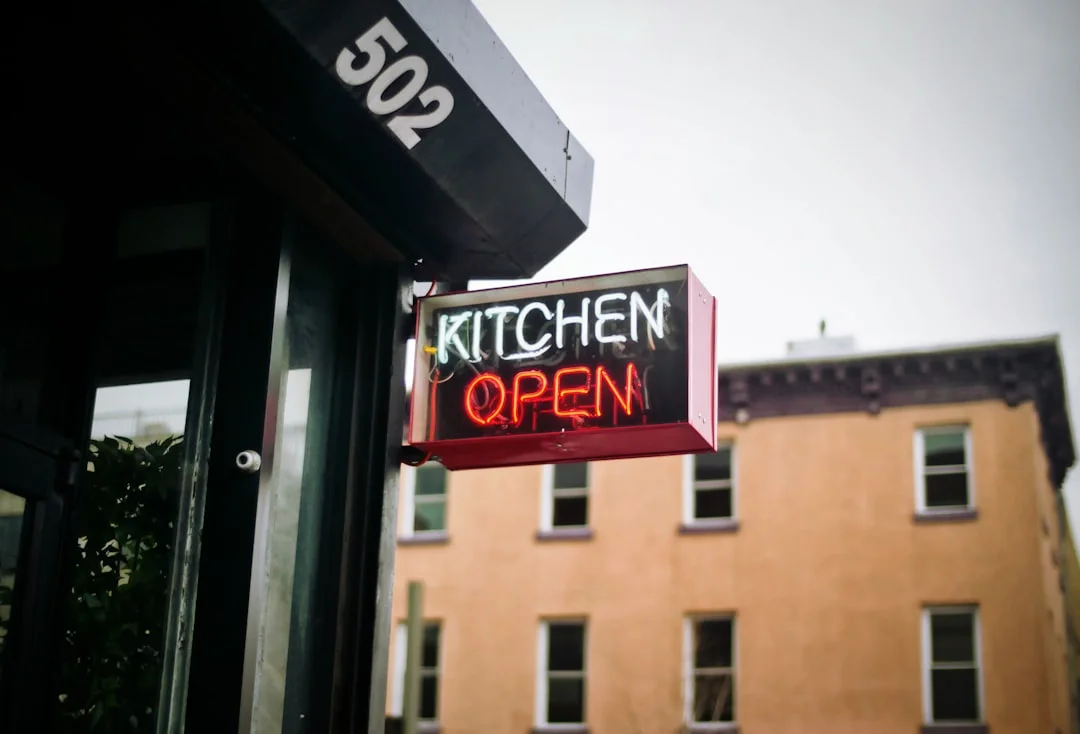
Photo by Patrick Tomasso on Unsplash
The news cycle around NYC dining in February 2026 is delivering a dense wave of openings across Manhattan and Brooklyn, with a wide mix of concepts—from high-end omakase counters to fast-casual Filipino spots and large Mediterranean showcases. The core takeaway for readers tracking NYC February 2026 restaurant openings is that the city’s restaurant market remains aggressive about expansion, experimentation, and venue-scale bets, even as operators juggle supply, labor, and real estate costs. This month’s openings are being cataloged by niche outlets like Eater NY, which has published a running guide to all new restaurants, bars, and cafes opening in February 2026. The guide highlights openings from February 4 through mid-February and continues to add new entries, underscoring the breadth of activity across neighborhoods such as the Lower East Side, Nolita, Harlem, and the West Side. For context, the February 2026 wave includes everything from Anbā, a ten-seat omakase on Ludlow Street, to Giulietta, a massive Italian concept near Midtown, illustrating the city’s appetite for both micro- and macro-scale dining experiences in the same month. As we look at the trajectory of NYC February 2026 restaurant openings, the implications extend into labor markets, real estate strategy, and consumer demand for diverse cuisines and hospitality formats. (ny.eater.com)
Across neighborhoods, the February 2026 openings reflect a deliberate mix of experimentation and scale, with a notable presence of chef-driven concepts, international cuisines, and hospitality-forward experiences. In the Lower East Side, Anbā arrived on February 12 as a 10-seat omakase counter behind a cocktail lounge, offering a 16-course tasting menu rooted in Japanese technique and fermentation. Its location at 92 Ludlow Street positions it as a compact, high-end arrival designed for intimate service and a later-night program. The opening marks a broader trend of micro-omic weeks in NYC where highly curated, chef-led experiences are cohabiting with nightlife venues. (ny.eater.com)
In the East Village, Much Obliged—a cocktail bar linked to the Greenpoint concept Gator—opened on February 12 with a small-plates approach, signaling how beverage-led openings continue to anchor new spaces as much as food programs do. The move toward bar-centric, late-night destinations alongside more formal dining rooms illustrates the evolving nightlife economy in NYC February 2026 restaurant openings. In Flushing and Koreatown, new concepts such as Chuan Bistro and Teapulse expanded the city’s Sichuan and tea-forward portfolios, highlighting how ethnic cuisines are expanding footprints in both outer-borough and Manhattan corridors. (ny.eater.com)
Week-by-week snapshots within NYC February 2026 restaurant openings show a similarly diverse pattern. On February 4, Piadi by La Piadineria—Italy’s largest fast-casual chain—made its American debut near Madison Square Park, introducing folded flatbread as a signature format in a compact, 30-seat space at 18 East 23rd Street. The move showcases how international fast-casual concepts are entering the NYC market with a high-velocity, low-friction model designed to compete in the midtown demand environment. Meanwhile, Confidant in Brooklyn Heights reopened on February 4 in a new neighborhood, signaling a pivot toward retrying established concepts in refreshed spaces. Also on February 4, Odo East Village opened as a more approachable, gluten-free, kaiseki-adjacent concept from the two-Michelin-starred Odo kitchen, expanding the brand’s reach in a more casual format. And in Nolita, Sushi Yukimi debuted as an intimate omakase counter, marking another micro-restaurant in a city known for its tight dining rooms. The breadth of February 4 openings demonstrates the city’s appetite for rapid turnover across a spectrum of formats, from casual to couture. (ny.eater.com)
The February 11 wave deepened the citywide footprint with Giulietta—an 11,000-square-foot, mid-century coastal Italian restaurant at 200 Park Avenue (East 45th Street) with 275 indoor seats and 100 outdoor seats—representing one of the city’s largest new Italian concepts this season and signaling a sustained interest in high-capacity venues in marquee Midtown corridors. Parallel openings in this week included MoCo 575 in Bed-Stuy, a Yemeni American cafe and micro-roastery; GiGi Curry & Noodle Bar in Bushwick, a modern Asian fast-casual concept; Delos in Midtown as a seafood-forward Greek option; Stone & Soil, a Park South Hotel-based cocktail bar with a robust drink program; and Or’esh in SoHo, a Levantine-focused kitchen led by Catch Hospitality Group’s partners. The variety of neighborhoods—Midtown, Bed-Stuy, Bushwick, and SoHo—illustrates how NYC February 2026 restaurant openings are spreading well beyond traditional dining districts into a multi-nodal citywide pattern. The scale of Giulietta, at roughly 11,000 square feet, is a data point illustrating the market’s ongoing willingness to invest in large-format dining experiences, even as more intimate counters proliferate. (ny.eater.com)
By February 18, the Eater NY roundup highlighted a powerhouse mix of new spots:
- Anbā in the Lower East Side, a 10-seat omakase counter behind a cocktail lounge, opening on February 12.
- Much Obliged in the East Village, a compact cocktail concept with limited dining options.
- Chuan Bistro in Flushing, a Sichuan dining destination marketed as immersive with a live performance component.
- Fish and Chicks in Harlem, a tiki/bar concept with a menu featuring chicken and fish offerings.
- Bar Maeda in Hudson Square, a collaboration between beverage professionals with a focus on Japanese-inspired cocktails.
- Double Knot in Midtown (a major, two-story robatayaki and sushi concept) expanding from Philadelphia’s scene.
- Kitaro in Bushwick, a Japanese cafe known for onigiri and fermentation-driven offerings.
- Odo East Village, a rollout from the Odo kitchen family with a gluten-free à la carte menu.
- Nounou in the East Village, a noodle-and-broth concept drawing on diverse inspirations.
- And more, including Or’esh in SoHo, Calaveras Social on the Upper East Side, and Dahla in the West Village, among others. This February 18 update demonstrates how NYC February 2026 restaurant openings are expanding across many formats—from omakase counters to family-style Italian rooms and modern barbecue concepts. The heatmap approach used by Eater highlights openings judged by the editors as noteworthy, suggesting a heterogenous but high-velocity set of launches in a single month. The breadth and tempo of these openings signal a city that remains receptive to new dining formats even as operators pursue more ambitious, flagship spaces. An example of the scale in this wave is Giulietta’s oversized footprint and its plan for a future Giardino concept to be opened in April, indicating a larger strategic plan beyond a single restaurant space. (ny.eater.com)
In the same period, the February 4–11 window also featured noteworthy bets like Dahla in West Village and Kees in the same neighborhood—a pair of concepts that demonstrate an appetite for modern takes on Thai and cocktail-forward experiences in prime corridors. The presence of such neighborhood-scale openings, alongside large Italian and Greek ventures, underscores the city’s appetite for both intimate and expansive dining experiences in NYC February 2026 restaurant openings. In this context of a dense opening calendar, Kees and Dahla showcase how culinary experimentation can coexist with high-ceiling, high-visibility ventures in New York’s competitive restaurant market. (ny.eater.com)
Beyond the immediate openings, market observers are watching for notable, high-profile projects that promise to shape the NYC dining landscape in early 2026. A preview roundup of anticipated openings highlights several marquee concepts arriving in 2026, including Saverne, an Alsatian brasserie from Gabriel Kreuther slated for the Spiral in Hudson Yards in February 2026, and Bark Barbecue in Bushwick, a large-format Texas-barbecue-with-Dominican influences slated for early 2026. These previews reflect not only a continuing appetite for chef-led, destination dining but also an interest in hospitality concepts anchored in standout real estate developments. The Saverne project, in particular, signals how established chef brands are expanding into new architectures within Manhattan’s new Hudson Yards ecosystem, reinforcing the link between real estate strategy and restaurant openings in NYC February 2026 restaurant openings. (ny.eater.com)
Section 1: What Happened
February 4
Spotlight
- Piadi by La Piadineria opened at 18 East 23rd Street, a New York debut for Italy’s large fast-casual chain focused on folded flatbread, priced at $11–$17, in a compact 30-seat space. The rollout signals a push to bring Italian street-food formats into New York’s midtown-to-flatiron corridor. In addition to Piadi, Confidant reopened in Brooklyn Heights, bringing a refreshed American menu with a bakery-pizzeria plan in the spring. East Village also welcomed Gnihton and Nounou, expanding the East Village’s cafe and noodle scene, while Odo East Village offered a gluten-free, approachable kaiseki-inspired dining option. Bao’s Pastry opened a first U.S. store in Flushing, and Delos opened in Midtown as a seafood-forward Greek concept. Stone & Soil and Skëwr joined Nomad’s expansion footprint, signaling a wave of bar-forward experiences on the city’s east side. Deeper in the neighborhood mix, Dejavu debuted in the West Village as a supper club and lounge concept with a three-room format. (ny.eater.com)
February 11
Spotlight

Photo by Paulo Silva on Unsplash
- Giulietta, an 11,000-square-foot Italian restaurant from Mark Barak of La Pecora Bianca, opened in Midtown on February 11 (the footprint includes 275 indoor seats and 100 outdoor seats). The restaurant is positioned to serve a broad, morning-to-night crowd, with a plan for an April opening of Giardino as an aperitivo garden, illustrating a multi-phase strategy for a single location. MoCo 575 in Bed-Stuy debuted as a Yemeni American cafe and micro-roastery, while GiGi Curry & Noodle Bar opened in Bushwick as a fast-casual concept. Warabi Omakase opened in Long Island City, offering a seasonal tasting menu at a fixed price, and Ambassadors Clubhouse—an expansive Punjabi-focused space—joined the Nomad corridor during the period. The week also brought Skëwr (a shareable-wood-fired concept) and Wagyu Room (Sushi by Bou’s 10-course wagyu omakase) to different parts of the city, alongside Or’esh in SoHo and Calaveras Social on the Upper East Side, with more to come. Dahla’s Thai-inspired menu arrived in the West Village, and Kees opened as a PDT-backed cocktail concept under Mixteca’s umbrella. Boil & Bite began service in Williamsburg with seafood-forward quick meals, and Joy Flower Pot opened a Brooklyn branch to blend floral studio and cafe culture. (ny.eater.com)
February 18
Spotlight
- Anbā opened on February 12 as a ten-seat omakase counter in the Lower East Side, backed by an all-women culinary team and featuring a late-night lounge program. Much Obliged opened in East Village, a compact cocktail concept from the team behind Gator. Chuan Bistro debuted in Flushing as an immersive Sichuan dining destination with live performances and garment-wearing dining experiences. Fish and Chicks opened in Harlem as a tiki-bar concept with a seafood- and chicken-forward menu. Bar Maeda opened in Hudson Square from a Tokyo cocktail lineage, linked to Mori Bar, and presented a Japanese-leaning cocktail program. In Midtown, Double Knot—Sushi Bar’s entry—with a robatayaki and sushi concept joined the market, while Giulietta’s footprint continued to draw attention with a large-scale Italian program. Across Nolita, Or’esh expanded the Levantine kitchen with bold Mediterranean cooking; Calaveras Social added a Mexican-inspired, mezcal-forward offering to the Upper East Side; and Dahla, Kees, Boil & Bite, and Joy Flower Pot continued to be cited as part of the citywide opening wave. The day’s momentum also included Stone & Soil and Skëwr as ancillary openings within Park South’s hospitality cluster. The February 18 update underscores a dense, multi-neighborhood openings cycle that defines NYC February 2026 restaurant openings. (ny.eater.com)
February 4–18: A quick synthesis
- The February 4–18 wave demonstrates a citywide appetite for both micro-restaurant formats and large, destination concepts. The mix includes a ten-seat omakase, a large Italian flagship, and a range of beverage-led venues, from bars to hotel lounges, across multiple boroughs and neighborhoods. The data points range from 10-seat counters to 11,000-square-foot restaurants and multi-room concepts with price points and experiences designed to lure different customer segments. The underlying narrative is that NYC February 2026 restaurant openings reflect a market comfortable with both rapid-fire openings and longer-term investments in large spaces. This mixture is consistent with a broader market signal about NYC’s dining economy in early 2026. (ny.eater.com)

Photo by Jon Tyson on Unsplash
Section 2: Why It Matters
Market dynamics and diversification
-
The February 2026 openings show a deliberate diversification of formats and cuisines, reflecting a market strategy designed to capture a wide audience: intimate omakase counters sit alongside large Italian concepts with hundreds of seats. The Giulietta footprint is a case in point: 11,000 square feet, 275 internal seats and 100 outdoor seats, signaling a strategy to anchor a high-volume, all-day dining concept in a marquee location. This kind of scale suggests that Manhattan’s core luxury and lifestyle districts remain receptive to expansive, multi-meal dining experiences even as the city experiences broader economic headwinds. (ny.eater.com)
-
The wave also features many concept-driven openings led by notable chefs and hospitality teams, including Anbā, a ten-seat omakase led by an all-women culinary team, and Double Knot, a robust global-sushi concept expanding from Philadelphia into Midtown. This pattern underscores a market trend toward chef-driven differentiation, with operators leveraging brand narratives and exclusive formats to carve out share in a crowded market. The presence of chef-led, high-ambition openings aligns with broader industry observations about NYC’s ongoing appeal to culinary talent and capital, particularly in high-visibility hubs like the MetLife Building area and SoHo. (ny.eater.com)
Labor, real estate, and financing implications
- A citywide wave of openings like NYC February 2026 restaurant openings has downstream implications for labor supply and real estate demand. The influx of large-format concepts—such as Giulietta and Giulietta’s planned Giardino extension, as well as other sizable openings across Midtown and the East Side—puts pressure on staffing, kitchen labor, and front-of-house teams. Operators will need to balance premium wage costs with high-volume demand in order to achieve sustainable unit economics in an environment where real estate prices and rents remain a central variable in site selection. The scale of Giulietta (275 indoor seats, 100 outdoor seats) demonstrates the capex required to build large-format dining experiences and the need for sophisticated operational teams to manage demand, service flow, and guest experience. (ny.eater.com)

Photo by Jon Tyson on Unsplash
- Market observers also note that Hudson Yards’ new developments, including the Spiral, provide a steady pipeline of opportunities for chef-driven and hospitality-forward concepts. Saverne, a Kreuther project planned for February 2026, is a case in point: a large-scale Alsatian brasserie in a landmark office development, illustrating how real estate megaprojects can catalyze restaurant openings and attract foot traffic in a mixed-use environment. This kind of synergy between real estate development and restaurant openings is likely to be a continuing theme in NYC February 2026 restaurant openings and beyond. (ny.eater.com)
Consumer demand and cuisine variety
-
The range of cuisines represented in NYC February 2026 restaurant openings—from Japanese omakase and Moroccan-leaning Mediterranean to Yemeni-inspired coffee shops and modern Thai concepts—reflects a consumer demand for both authenticity and experimentation. The Feb 12 kickoff for Anbā, a counter-service omakase, highlights a consumer appetite for intimate, experience-driven dining moments, while the island-wide spread of concept openings indicates a broader interest in global flavors, new takes on classic formats, and accessible price points in the city’s dining ecosystem. This diversity is consistent with longer-term New York dining trends toward inclusive culinary storytelling and cross-cultural experiences. (ny.eater.com)
-
In its own words, the press surrounding these openings emphasizes both design ambition and guest experience. For Giulietta, the design is mid-century coastal Italian, with a plan to expand into a garden and a chalet-style lounge in winter—reflecting a trend toward multi-room, multi-season hospitality experiences that blend gastronomy with curated environments. The team behind Selene by Kyma reinforces this emphasis on experiential dining, describing a three-story space with tableside preparation, a dramatic skylight, and a rooftop, designed to deliver both spectacle and comfort as part of NYC February 2026 restaurant openings. These design ambitions signal a market where the guest experience is as critical as the menu itself. (ny.eater.com)
Section 3: What’s Next
Short-term watchlist and near-term openings
-
The February 2026 wave foreshadows a March rollout for some high-profile projects. Selene by Kyma is slated to open in March at 23 Grand Street (the former Twenty-Three Grand site), marking a continuation of the Greek audience expansion in NYC and a signal that big-name operators will push new concepts into spring 2026. The restaurant’s three-story format with a skylight and a rooftop underscores the hospitality industry’s continued emphasis on immersive dining experiences that blend entertainment with cuisine. This planned March arrival is part of a broader pipeline that includes additional concepts in the SoHo and Flatiron corridors and beyond. (ny.eater.com)
-
In the same vein, Or’Esh, the Levantine-focused project from Eugene Remm, Tilman Fertitta, and Nadav Greenberg is part of a larger SoHo culinary push that includes other high-profile openings this winter/spring. The NYC February 2026 restaurant openings calendar remains dynamic, with ongoing discovery across neighborhoods like Nolita, the Lower East Side, and Manhattan’s midtown corridors. Observers should watch for press releases, reservations windows, and critical heatmap updates from Eater NY as the month progresses. (ny.eater.com)
Longer-term outlook
- Looking ahead, the market’s appetite for large-format Italian and Greek concepts—coupled with micro-counter experiences—suggests a durable path for diverse dining experiences in NYC February 2026 restaurant openings. The New York dining scene appears to be balancing the need for premium, high-touch experiences with the demand for accessible options and quick-service models. The extended rollout patterns documented by Eater NY indicate a pipeline of openings across 2026 that will require careful market read on consumer demand, labor supply, and the evolving regulatory and economic environment that shapes restaurant budgets. The ongoing interest in projects like Saverne, Or’Esh, and Selene by Kyma demonstrates that NYC’s restaurant investment climate remains robust enough to support multi-stage openings in major developments, signaling confidence among operators and investors alike. (ny.eater.com)
What to watch for in the weeks ahead
- March 2026 openings and post-opening performance: With Selene by Kyma planned for March, observers should monitor guest reception, occupancy, and menu adaptation during the opening weeks, as early feedback can influence subsequent expansions and concept rollouts. (ny.eater.com)
- Real estate and lease dynamics in key corridors: The scale of Giulietta and other large openings suggests landlords are continuing to pursue premium tenants with splashy interior design and long-term commitments. Market watchers should track rent trends, interest in submarket placements like Hudson Yards and Midtown South, and the degree to which financing conditions support multi-year buildouts. (ny.eater.com)
- Labor-market implications: As NYC February 2026 restaurant openings land across neighborhoods, restaurants will need to recruit and train staff at various scales. Observers should watch wage trends, staffing models (e.g., counter-service vs full-service), and the impact of labor costs on pricing and service levels in new ventures. (ny.eater.com)
Closing The NYC dining landscape in February 2026 is delivering a data-rich, high-velocity snapshot of a city that remains hungry for new culinary experiences, investment in ambitious spaces, and a broad spectrum of cuisines. From Anbā’s intimate omakase counter to Giulietta’s sprawling Italian flagship, and from the micro-counter to the multi-story Greek spot Selene by Kyma, NYC February 2026 restaurant openings illustrate a market that blends experimentation with scale, and a city that continues to attract both elite chef-driven projects and accessible, neighborhood-oriented concepts. For readers seeking the latest, the best course is to monitor weekly updates from outlets like Eater NY, attend early tastings when possible, and follow major openings through official restaurant channels and press coverage. As the calendar advances, the story of NYC February 2026 restaurant openings will continue to unfold, with March and beyond likely delivering new confirmations, more openings, and—even in a year defined by market fluctuations—strong signals about how New York’s dining ecosystem evolves. (ny.eater.com)