NYC dining openings 2026 Manhattan: Market Trends

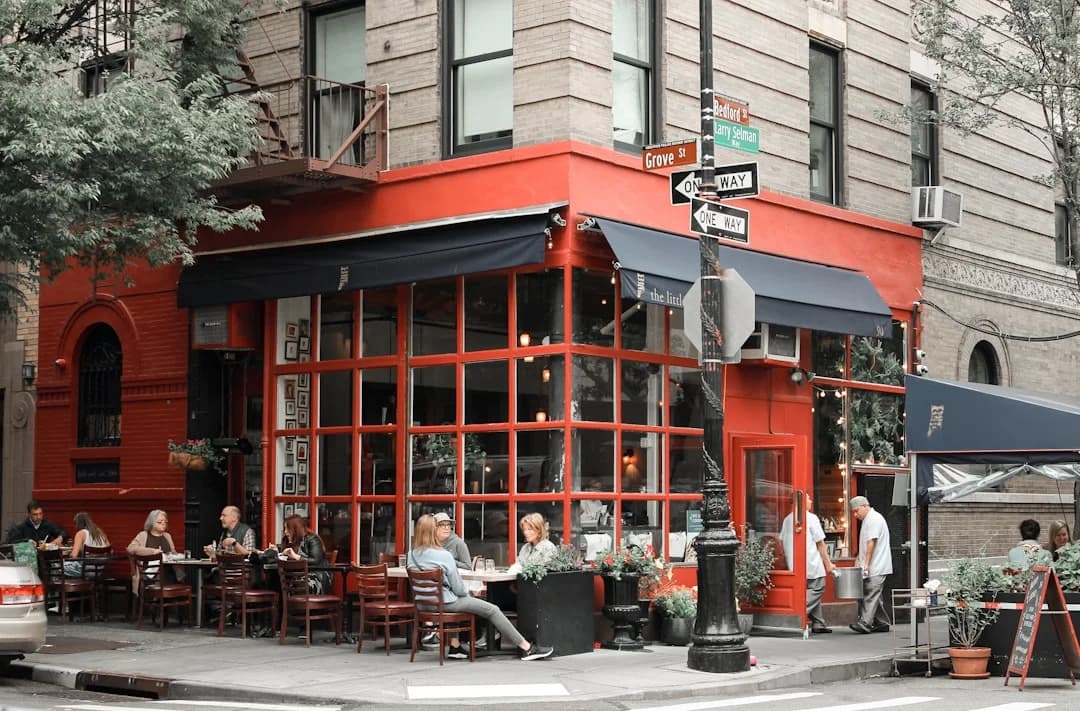
Manhattan is at the epicenter of a renewed wave of dining openings in 2026, with a mix of high-profile luxury concepts, ambitious all-day dining, and neighborhood favorites expanding across Midtown, the Flatiron District, the East Village, and the Financial District. The momentum is driven by a combination of large real estate plays, brand expansion, and a city-wide appetite for innovative concepts that blend culinary craft with experiential design. For readers tracking NYC dining openings 2026 Manhattan, the signal is clear: the market is evolving toward multi-venue complexes, hybrid formats, and a renewed emphasis on accessibility and speed without sacrificing culinary ambition. This trend matters not just for dining enthusiasts but for real estate strategists, labor market observers, and consumers who want to know where their next meal might come from and when it will be available. (ny.eater.com)
In February 2026, Manhattan welcomed a string of notable openings that illustrate the current arc of NYC dining openings 2026 Manhattan: high-visibility launches in flagship hubs, a handful of neighborhood shocks, and marquee concepts expanding into the city’s core verticals. Anbā, a tight 10-seat omakase counter tucked behind a cocktail lounge in the Concord building, started service on February 12, 2026, signaling a revival of intimate tasting-counter experiences in the skyline backdrop. Nearby, Giulietta—an all-day Italian concept from Mark Barak’s La Pecora Bianca group—was positioned to open in February, with the plan to deploy a larger Giardino garden concept in April. These openings illustrate a deliberate shift toward high-concept, destination dining that can anchor a building’s階段 and drive foot traffic across morning, midday, and late-night windows. Double Knot, the Philadelphia-based udon- and robatayaki-forward concept from Michael Schulson, opened on February 18, 2026, at 1251 Avenue of the Americas, a move that underscores cross-market brand dissemination into Manhattan’s midtown corridor. The month also saw a series of neighborhood debuts, including Nounou (East Village) and Gnihton (East Village) on February 2, as well as Beto’s Carnitas & Guisados on Clinton Street (Lower East Side) around February 20, highlighting a robust pace of openings across the borough. These precise dates come from industry reporting tracking NYC new restaurant openings in February 2026. (ny.eater.com)
Beyond February, the calendar remains crowded. January 2026 featured notable debuts like Piadi by La Piadineria, the Italian fast-casual concept opening its first U.S. location at 18 East 23rd Street, at the foot of Madison Square Park, and Mixue—the famed red-and-white signage brand that positioned New York City as a debut site for its NYC expansion, with a Times Square location and additional sites in development in Manhattan. The January momentum reflected a broader pattern of cross-market brands betting on Manhattan’s status as a dining hub, a pattern we’ll see reinforced as the year unfolds. These openings are part of a broader market narrative described by industry aggregators and trade press, which note that Manhattan in 2025 produced roughly 900 new restaurant openings citywide, a figure point to the scale of ongoing activity and the pressure on supply and experience quality in 2026. (ny.eater.com)
The strategic context for these openings is reinforced by two parallel developments: a wave of flagship, multi-concept spaces and a surge of neighborhood entries designed to meet demand for faster service without compromising quality. The former is typified by 550 Madison Avenue, a three-floor dining complex announced for 2026 that includes an expanded Sushi Yoshitake, a fifth location of Cote, and a still-unnamed all-day concept—an ambitious project that exemplifies how high-end culinary brands are layering with more accessible formats to maximize foot traffic and cross-traffic across a single address. The project represents a major bet on Manhattan’s midtown dining spine and demonstrates how landlords and operators are partnering to create “destination dining” that can anchor a building, boost occupancy, and generate spillover into retail, nightlife, and office floors. The latest reporting places this project in the 2026 opening window, underscoring the city’s appetite for mega-dining destinations. (ny.eater.com)
Meanwhile, 42BELOW, a branding concept describing Midtown’s “Eat, Live, Play Corridor,” highlights a different wave: mass appeal combined with premium experiences. The corridor spans Bryant Park to Times Square and is expected to host thousands of new restaurant concepts as part of the Midtown South Mixed-Use Plan. The Infatuation’s Manhattan dining guide has documented a surge of openings in recent years, and 42BELOW is framed as both a brand-parter and a neighborhood signal for the scale of new openings in 2026. This line of development matters for market participants because it helps explain not just where new concepts are launching, but how the density of openings can shape competitive dynamics, pricing, and labor needs across Harlem through Chelsea and the Garment District. The 2025 data point cited by industry outlets reinforces the trend’s momentum going into 2026. (nyrej.com)
Overall, the first two months of 2026 have illustrated a pattern: a mix of fixed-location prestige projects and neighborhood-friendly openings that aim to diversify the city’s dining options and make Manhattan a multi-avenue dining floor. From the intimate and precise omakase experiences of Anbā to the expansive, multi-room, multi-concept venues at 550 Madison, the year is shaping up as a test bed for what “modern NYC dining” looks like in practice. The opening slate also underscores the continued appetite for experiences that combine exceptional cuisine with immersive design, a trend that has defined Manhattan’s dining scene for the better part of the last decade. (ny.eater.com)
What Happened
January 2026: A New Wave of Debuts
Piadi makes its U.S. debut
Piadi, the Italian fast-casual concept from La Piadineria, opened in mid-January 2026 at 18 East 23rd Street, at Madison Avenue, serving folded flatbreads stuffed with prosciutto, soft cheese, and arugula from an open kitchen. The concept’s New York arrival marks a notable entry of a well-established international fast-casual brand into Manhattan’s midtown/Flatiron corridor. The opening aligns with a broader January wave of openings featuring Italian and fast-casual concepts expanding downtown and midtown, signaling a diversified menu approach that combines quick-service with a touch of Italian craft. (ny.eater.com)
Mixue enters NYC’s Times Square
In January 2026, Mixue announced its NYC debut, featuring its famous budget-friendly frozen desserts and beverages—and securing a highly visible Times Square location. The brand’s entry into Manhattan represents a broader trend of value-forward concepts expanding in core commuter nodes, leveraging high foot traffic and social-media-ready aesthetics to capture price-conscious diners. This opening fits into a January trend of fast-casual and value-oriented brands asserting themselves in Manhattan’s most-trafficked corridors. (ny.eater.com)
Other January openings and context
January’s activity also reflected a push by several smaller concepts and pop-ups into continuous operation across Manhattan’s neighborhoods, with new concepts at Madison Square Park’s vantage point and the emergence of neighborhood spots that hint at a broader 2026 season of neighborhood-scale openings. The January period laid groundwork for the February wave, setting the stage for a more complex balance between luxury, all-day, and neighborhood dining that characterizes NYC dining openings 2026 Manhattan. (ny.eater.com)
February 2026: High-Profile and Neighborhood Openings
Anbā opens behind Concord Building

Photo by engin oztekin on Unsplash
Lower Manhattan’s East Side and the Concord building’s new counter dining concept, Anbā, opened on February 12, 2026. Anbā is described as a 10-seat omakase counter tucked behind a cocktail lounge, emphasizing precise, chef-driven tasting experiences in a compact footprint. The opening marks the return of intimate counter-service formats in a post-pandemic dining landscape, where small-scale, high-precision experiences can compete with larger, more expansive formats. (ny.eater.com)
Giulietta’s all-day Italian concept; Giardino’s garden expansion
Giulietta, an all-day Italian concept by La Pecora Bianca’s Mark Barak, was positioned to open in February, with an April expansion for Giardino, a garden-focused aperitivo concept. The project sits at 200 Park Avenue, East 45th Street, and is designed to support a neighborhood morning-to-night crowd with a multi-room, high-traffic layout. The plan showcases a two-phase approach to dining real estate in Manhattan: a main indoor circuit and an outdoor or semi-outdoor garden extension that can adapt to seasonal shifts. (ny.eater.com)
Nounou and Gnihton establish East Village presence
Nounou, an East Village noodle bar, opened on February 2, 2026, bringing a broad selection of broth-based and dry noodle offerings that blend global influences with a noodle-forward menu. Gnihton, another East Village concept, followed in the same period, signaling a neighborhood-focused wave of openings that diversify the area’s dining composition and provide closer-to-home options for residents and workers. These neighborhood entries reflect a broader NYC dining openings 2026 Manhattan pattern where neighborhoods beyond Midtown are actively attracting new culinary concepts. (ny.eater.com)
Double Knot lands at Rockefeller Center
Philadelphia-born Michael Schulson brought Double Knot to Manhattan at 1251 Avenue of the Americas, near Rockefeller Center, with a 12,000-square-foot footprint across two levels and a design by Parts and Labor. The menu emphasizes sushi, sashimi, robatayaki skewers, and other Japanese-inspired items, paired with a robust cocktail program and a lively ambiance intended to anchor a multi-use complex in Midtown. The opening on February 18, 2026, marks a significant Manhattan expansion for Schulson’s portfolio and demonstrates the viability of large-format dining complexes in the heart of midtown. (ny.eater.com)
Beto’s Carnitas & Guisados debuts on Clinton Street
Lower East Side newcomers Beto’s Carnitas & Guisados opened at 69 Clinton Street on February 20, 2026, bringing a Mexico City-style carnitas-focused menu to a long-standing neighborhood dining stretch. The concept reflects the ongoing trend of Mexican and Latin-inspired casual dining expanding in Manhattan’s residential and dining corridors, offering a more accessible meat-forward option for diners seeking authentic flavors in approachable formats. The opening’s location and timing were reported by Eater’s New York coverage of February 2026 openings. (ny.eater.com)
550 Madison Avenue: A multi-floor dining destination
550 Madison Avenue emerged as one of the year’s most highly anticipated projects. With a plan to house multiple concepts under one roof—an expanded Sushi Yoshitake, a fifth Cote, and an additional all-day concept—the project represents a dramatic bet on a multi-venue, all-in-one dining destination. The scope signals a broader market trend toward destination dining in a single address, where brands leverage cross-traffic, dual-brand synergy, and immersive experiences to create a magnet for both local patrons and out-of-town visitors. The project’s profile places it among the most consequential NYC dining openings 2026 Manhattan. (ny.eater.com)
42BELOW corridor and Bryant Park’s dining ambitions
The Midtown South corridor described as 42BELOW continues to be a focal point for new openings, anchored by the Bryant Park and Garment District clusters. The initiative suggests a broader strategy to convert midtown Manhattan into a 24/7 or near-24/7 dining ecosystem that can sustain a dense mix of concepts—from casual to luxury—throughout the day. This corridor’s development aligns with Infatuation’s reporting on Manhattan’s 2025 openings and underscores the city’s ongoing appetite for dense, multi-faceted dining ecosystems. The objective is not only to add new seats but to curate a curated experience that keeps foot traffic flowing throughout the day. (nyrej.com)
The broader picture: 2025 as a blueprint
Analysts and trade press have pointed to Manhattan’s recent performance as a blueprint for 2026, noting that 2025 saw approximately 900 new restaurant openings across Manhattan, a figure that suggests a continued hunger for new concepts. The Infatuation and related outlets have tracked this activity, underscoring the density of openings in 42BELOW’s corridor and other high-traffic districts. This context matters for restaurant operators, landlords, and city planners as they calibrate space usage, labor needs, and neighborhood impact. (nyrej.com)
Why It Matters
Market Demand and Consumer Behavior
The early 2026 openings underscore a consumer appetite for both novelty and reliability. On one hand, intimate omakase counters like Anbā satisfy demand for high-touch, chef-driven experiences in compact footprints where showmanship and precision are the draw. On the other hand, multi-venue destinations at 550 Madison or a transformed midtown corridor like 42BELOW respond to demand for a “one-stop” dining experience that can appeal to office workers, visitors, and residents across a broad price spectrum. This juxtaposition—intimate experiences versus large-scale, connected dining ecosystems—illustrates a nuanced market dynamic in NYC dining openings 2026 Manhattan. The February 2026 openings provide concrete examples of how brands are balancing exclusivity and accessibility to maximize exposure, revenue potential, and brand equity. (ny.eater.com)
Geographic Shifts and Neighborhood Trends
Manhattan’s dining openings in 2026 are not confined to the island’s traditional dining districts; they reflect a pattern of growth across Midtown, the Flatiron/NoMa area, the East Village, and the Lower East Side. The 42BELOW corridor analysis shows a deliberate strategy to connect Bryant Park, Herald Square, Koreatown, Garment District, and Times Square into a seamless dining fabric that supports foot traffic throughout the day. The expansion of high-profile concepts into Midtown’s flagship towers—such as 550 Madison—also demonstrates a convergence of real estate strategy and culinary branding, where developers and operators co-create a “destination” that can anchor multiple uses and stimulate the broader retail ecosystem. (nyrej.com)

Photo by Richard Lu on Unsplash
Investment and Brand Strategy Implications
From a brand perspective, NYC dining openings 2026 Manhattan reveal a two-track strategy: (1) leverage iconic addresses and large-scale spaces to signal prestige and attract high-spending clientele; (2) cultivate neighborhood gems that offer accessible, quick-service or mid-range options to sustain daily traffic. This dual approach is visible in openings like Giulietta with Giardino’s spring expansion and Anbā’s intimate omakase counter, as well as in the more expansive frames of Double Knot and 550 Madison. For investors and landlords, the pattern suggests that the most resilient models will be those that combine strong brand identity with flexible space planning—allowing operators to scale up or pivot as consumer preferences shift. The February 2026 openings exemplify this trend and how it plays out across Manhattan’s diverse districts. (ny.eater.com)
What’s Next
Upcoming Openings and Timeline
Looking ahead, several openings are scheduled to unfold through the spring and early summer of 2026, continuing the momentum of NYC dining openings 2026 Manhattan. Notably, Giardino’s garden-forward concept is slated to arrive in April 2026 as part of Giulietta’s multi-phase plan, expanding the brand’s footprint from indoor dining to an outdoor, seasonally adaptive space. Time Out’s preview of anticipated openings places Cleo Downtown, a new Manhattan outpost from Three Top Hospitality, in the Spring 2026 timeline, signaling continued interest in mid-to-large-format dining that blends rotisserie-driven fare with their signature design aesthetic. The Times and trade outlets also flag ongoing activity around midtown hub corridors, with planned expansions among luxury and all-day dining formats that could reshape peak-hour traffic patterns for surrounding offices and transit nodes. (timeout.com)

Photo by Illia Plakhuta on Unsplash
What to Watch for in Q2 and Beyond
- Major concept rollouts at flagship addresses: Watch how major brands consolidate presence in 550 Madison Avenue and similar towers, potentially layering additional concepts beyond the ones publicly announced. This will influence competitive dynamics, pricing structures, and the mix of concepts across the building’s footprint. (ny.eater.com)
- Neighborhood openings continuing the midtown-to-lower-Manhattan pipeline: East Village and Lower East Side openings (like Nounou, Gnihton, and Beto’s Carnitas & Guisados) point to a continuing expansion of varied formats in walkable, residentially dense neighborhoods. How these fit with the nearby transit hubs will be a key theme for 2026’s second half. (ny.eater.com)
- The rhythm of all-day dining with experiential layers: The Giulietta/Giardino plan and similar projects suggest a shift toward all-day operations that can seamlessly transition from breakfast to late-night, with seasonal outdoor components. Observers expect more brands to refine this model, especially in office-heavy districts, as companies resume full-capacity occupancy. (ny.eater.com)
- Midtown corridor saturation and labor-market considerations: As more dining concepts eye Midtown’s “Eat, Live, Play Corridor,” operators will need to navigate a competitive labor market and supply chain challenges. The Infatuation’s commentary on 2025’s openings provides a framework for anticipating 2026’s challenges, including recruiting, retention, and consistency across dayparts. (nyrej.com)
How to Stay Updated For readers following NYC dining openings 2026 Manhattan, the most reliable and timely updates come from industry-focused outlets that track openings citywide in near real-time. Eater’s NY editions maintain a running heatmap of new openings, with monthly roundups and weekly spotlights on standout concepts. Time Out’s annual anticipations provide a longer horizon view of what to expect, including project timelines and design concepts. Trade press and real estate outlets—such as NYREJ—also offer context on how these openings fit within broader development patterns in Midtown and beyond. Consistently checking these sources will help readers stay current on the evolving NYC dining openings 2026 Manhattan landscape. (ny.eater.com)
Closing The January and February 2026 openings illustrate a city recalibrating its dining mix—balancing intimate, chef-driven experiences with large, multi-concept destinations to capture a wide range of diners. 550 Madison Avenue stands out as a benchmark project that could redefine how New York builds and markets a dining campus, while midtown’s 42BELOW corridor points to a broader strategy to create density and resilience through a dense, destination-driven environment. The arrival of Anbā, Nounou, Gnihton, Beto’s Carnitas & Guisados, and Double Knot confirms that Manhattan remains a global magnet for culinary experimentation, brand strategy, and experiential dining. As spring unfolds, more announcements will shape the narrative of NYC dining openings 2026 Manhattan, including Giardino’s garden expansion and Cleo Downtown’s anticipated debut. Readers can expect a dynamic landscape in 2026, with new openings that will reframe what it means to dine in Manhattan.
Staying attentive to opening calendars, neighborhood dynamics, and brand strategies will help readers navigate this evolving scene. For diners, investors, and industry watchers, the story of NYC dining openings 2026 Manhattan is not just about new seats; it’s about how a city reorganizes its culinary map to reflect shifting consumer tastes, real estate realities, and the enduring appeal of New York as a global dining capital. To stay updated, follow Eater NY, Time Out New York, and the Real Estate press covering Midtown’s dining evolution, as they continue to chronicle the next wave of openings, expansions, and concept evolutions across Manhattan. (ny.eater.com)