NYC dining and arts openings February 2026 Pulse

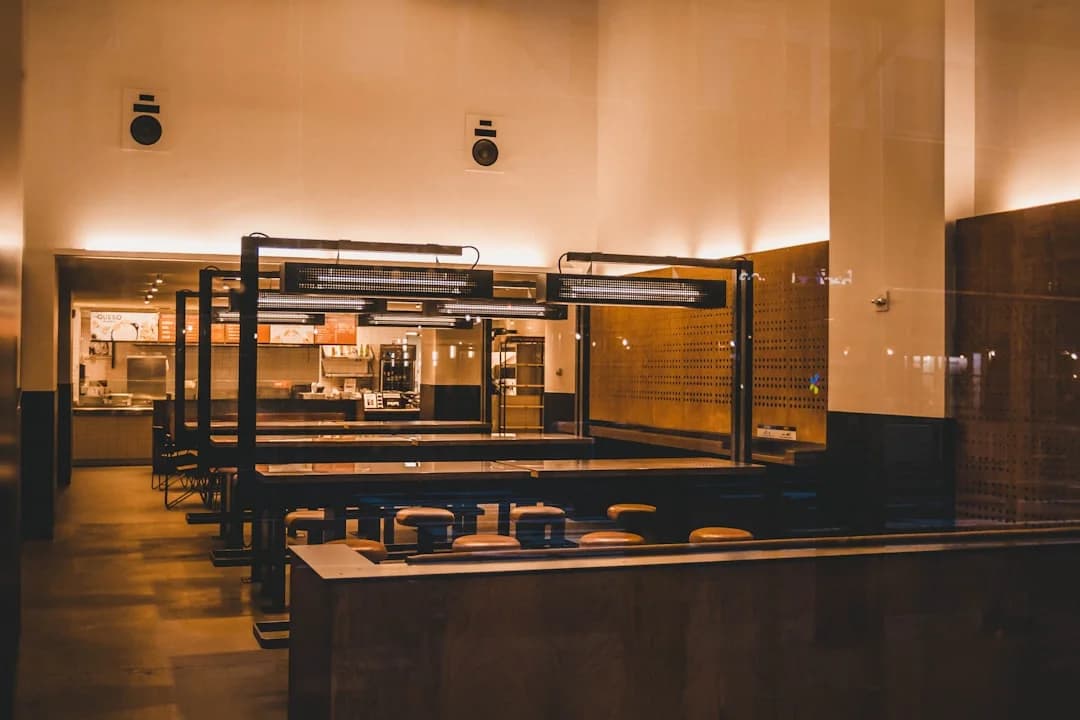
Photo by Paulo Silva on Unsplash
The news out of New York City this February centers on a sweeping wave of NYC dining and arts openings February 2026, signaling a citywide resurgence in neighborhood activity across Manhattan, Brooklyn, Queens, and the outer boroughs. In the dining world, a steady stream of new concepts has emerged—from omakase counters in the Lower East Side to grand Italian spots in Midtown and ambitious Mediterranean concepts in SoHo—underscoring a market that remains buoyant despite broader macroeconomic headwinds. On the arts front, Harlem’s Fine Arts Show is returning to the city with a technology-forward theme, and galleries across Chelsea, Nolita, and the outer boroughs have begun rolling out new openings and curated shows that align with a broader push toward cross-disciplinary creativity. This article provides a data-driven snapshot of what happened, why it matters, and what’s next for NYC’s dining and arts ecosystems as of February 2026. (ny.eater.com)
The February 2026 openings come amid a citywide pattern of rapid concept turnover and expansion, with several high-profile restaurants planning or executing launches in a compressed window. For example, Anbā, a 10-seat omakase counter led by an all-women team, opened in the Lower East Side on February 12, 2026, joining a dense roster of late-wall openings in neighborhoods from the East Village to Nolita and Midtown. The restaurant’s focus on a 16-course tasting menu priced at $220 spotlights the continuing opportunistic blend of intimate dining experiences and premium pricing in NYC’s current market. (ny.eater.com)
In addition to Anbā, a series of other notable openings punctuated mid-to-late February. Chubby Tan in the East Village—an extension of a familiar concept with live performance elements—opened on February 17, 2026, while a flurry of other new concepts—from Double Knot in Midtown (a sushi and robatayaki venue) to the Nolita omakase room Sushi Yukimi—entered the city’s crowded dining canvas. The Midtown addition of Double Knot is particularly illustrative of NYC’s appetite for a high-energy, multi-concept dining floor, and it arrived amid a broader wave of new menus and formats across the week of February 18. (ny.eater.com)
Beyond dining, the arts calendar in February 2026 features high-profile gallery and events openings alongside a flagship art fair return. The Harlem Fine Arts Show (HFAS18) announced its NYC dates for February 20–22, 2026, at The Glasshouse, a signal that the show’s platform for Black artists and communities will again anchor a weekend of exhibitions, talks, and performances in a space that couples culture with health and technology themes. HFAS18’s programming emphasizes “Art for Technology” and features more than 70 artists and related talks, marking a clear trend toward technology-infused conversations within the visual arts ecosystem. (hfas.org)
A parallel wave of gallery openings and art events is reflected in curated calendars and museum programming across the city. For readers tracking openings and ongoing shows, calendars such as New York Art World’s Current Exhibitions Now and the Brooklyn Museum and Great Performances event calendars highlight February 2026 as a month of new shows, talks, and all-day programs that bring communities into contact with contemporary art and performance. Together, these openings suggest a dual-track dynamic in NYC: premier dining concepts drawing hungry crowds and ambitious arts venues expanding audiences through technology-forward programming. (newyorkartworld.com)
Section 1: What Happened
NYC Dining Openings in February 2026
February 2026 delivered a slate of high-visibility restaurant openings and concept launches across Manhattan, Brooklyn, and Queens. The Eater NY February 2026 roundup—updated mid-month—serves as a compact map of the city’s most talked-about new spaces, from intimate counters to large-format eateries. Notable openings and timelines include:
- Lower East Side: Anbā, a 10-seat omakase counter tucked behind a cocktail lounge in the Concord building, opened February 12, 2026, with a 16-course tasting menu priced at $220 and a plan to expand seating over time. The team is led by Chef Ambrely Ouimette and an all-women culinary staff, marking a significant local milestone for women-led, high-end dining. (ny.eater.com)
- East Village: Chubby Tan, a Sendai-style gyutan-yaki concept, opened February 17, 2026, in a space run by the Chubby Skewers group. The opening broadens the neighborhood’s Japanese-leaning options and includes live performances integrated with dining experiences. Nearby, the Much Obliged cocktail bar also opened on February 12 in the same area, signaling a broader East Village pivot toward immersive drinking and dining experiences. (ny.eater.com)
- Flushing and Queens: The city’s culinary map extended into Queens with Chuan Bistro in Flushing (a fully immersive Sichuan dining concept that blends theatrical elements with food) and Nounou and Gnihton additions in the East Village and Lower East Side, illustrating how the city’s dining openings are expanding beyond traditional Manhattan corridors. (ny.eater.com)
- Midtown to Nomad: Giulietta, an 11,000-square-foot Italian spot from Mark Barak (La Pecora Bianca), opened February 11, 2026, introducing a morning-to-night Italian program with a mix of long-form dishes and substantial seating (275 indoors, 100 outdoors). This reflects the capital-intensive push to combine large spaces with high-traffic daily menus. (ny.eater.com)
- Nomad: Ambassadors Clubhouse (a Punjabi-focused, cinema-adjacent concept) opened February 11, 2026, symbolizing JKS Restaurants’ U.S. expansion and a broader interest in multi-venue hospitality concepts that pair dining with entertainment. Skëwr, a wood-fired skewered concept, opened February 9 inside the Park South Hotel, adding another layer to the district’s diversified dining array. (ny.eater.com)
- SoHo and the West Side: The neighborhood welcomed Or’esh, a Levantine-focused Mediterranean restaurant from Catch Hospitality Group partners, and Kees, a PDT-led cocktail and dining concept, signaling a trend toward combining elevated cocktails with intimate, design-forward spaces. In the same breath, Bar Maeda opened on February 13 in Hudson Square, bringing a Miyazaki-leaning Japanese bar program into the mix. (ny.eater.com)
- Other notable openings: Aunt Jenny (Upper West Side) and Piadi by La Piadineria (Flatiron) highlight the breadth of January-to-February rollout in NYC’s dining scene, with Piadi marking an American debut for Italy’s fastest-growing fast-casual chain. These openings illustrate a continued appetite for quick-service and casual, high-quality options in high-footfall corridors. (ny.eater.com)
- Brooklyn and outer borough highlights: Confidant (Brooklyn Heights) reopened in a new footprint on February 4, 2026, with an expanded bakery and planned next-door concepts to keep the neighborhood’s dining corridor active into spring. The broader 2026 preview also marks the arrival of other ambitious projects in Brooklyn and Queens that align with a citywide push toward experiential dining. (ny.eater.com)
In addition to these mid-month openings, the month featured a broader heatmap of concept introductions in multiple neighborhoods, including a Levantine-forward project, Or’esh, in SoHo; Warabi Omakase in Long Island City; and Sushi Yukimi (Nolita) delivering an intimate 17-course omakase experience with BYOB options while a full liquor license is pursued. The heatmap demonstrates how NYC’s dining market remains highly active across cross-town neighborhoods, with a mix of luxury tasting-menu counters, modernist Italian venues, and neighborhood-focused casuals that attract a wide range of diners. (ny.eater.com)
- A broader snapshot from early February shows Piadi’s arrival in Flatiron as part of a mid-winter wave of Italian fast-casual openings, with a 30-seat footprint and a flagship menu built around folded flatbreads, signaling persistent demand for accessible, high-quality food in dense commercial corridors. This aligns with the city’s broader pattern of layered dining formats—from counter-style omakases to long-form, prix-fixe experiences—reflecting evolving consumer preferences and a resilient appetite for diverse culinary concepts. (ny.eater.com)
NYC Arts Openings in February 2026
February 2026 also loaded the arts calendar with gallery openings, show premieres, and festival-style events, underscoring a citywide effort to fuse art, culture, and technology. The Harlem Fine Arts Show (HFAS) is the marquee event, returning to NYC February 20–22, 2026, at The Glasshouse. HFAS18 emphasizes an intersection of art and technology, with themes centered on healing, legacy, and innovation. The event features more than 70 artists and hosts curated talks and workshops designed to connect artists with collectors, institutions, and public health initiatives. The show’s theme and scale highlight how NYC is positioning art as a catalyst for broader community and tech-enabled engagement. (hfas.org)
Beyond HFAS, New York’s galleries and museums are staging a robust slate of February openings and programs. Calendar listings from New York Art World’s curated directory highlight ongoing and upcoming shows across Chelsea, Nolita, and the Upper East Side, including artist talks, opening receptions, and special programming aimed at driving foot traffic during a month when NYC dining and arts openings February 2026 converge as a citywide phenomenon. The Brooklyn Museum and related institutions are also presenting events and weekend activities—such as Brooklyn’s First Saturday programming and Lunar New Year-inspired activities—illustrating a broad-based arts ecosystem that complements the dining scene. (newyorkartworld.com)
In a separate but related wave of programming, public-facing institutions have scheduled talks and performances aligned with February’s cultural calendar. The New York Public Library’s artist-in-residence programs with Roundabout Theatre Company include winter workshops in late February (February 23, 2026) at St. George Library Center, reflecting a cross-institutional effort to bring creative practice into community spaces. These activities, while not gallery openings in the strictest sense, contribute to the sense that NYC’s arts ecosystem is expanding access to production, design, and performance, particularly in connection with theater and performance-producing entities. (nypl.org)
Section 2: Why It Matters
Economic and Neighborhood Impact
The February 2026 openings illustrate how a city with a strong, diversified economy can sustain a steady stream of new venues across multiple neighborhoods. The Anbā opening in the Lower East Side, with a premium tasting menu, points to continued consumer willingness to pay for intimate, high-end dining experiences in prime pedestrian corridors. At the same time, more expansive concepts like Giulietta in Midtown offer large-format dining with a broad seating plan, signaling confidence in dense urban centers supporting heavy-capacity operations. Taken together, these openings suggest a market balancing premium, experiential dining with accessible, casual formats in a way that can support foot traffic, nearby retail, and real estate viability in both core and peripheral neighborhoods. (ny.eater.com)
The Harlem Fine Arts Show’s return to NYC with a technology-forward theme reinforces the city’s perception as a hub where culture and innovation intersect. HFAS18’s focus on “Art for Technology” aligns with broader trends toward tech-enabled arts programming, which can drive new audiences to cultural institutions, galleries, and pop-up spaces. The event’s timing and scope highlight how art fairs and citywide exhibitions contribute to labor markets, tourism, and the broader cultural economy—complementing the culinary economy’s brisk activity. (hfas.org)
Market Dynamics and Consumer Behavior
The February 2026 openings reveal a city where operators are continuing to test new formats and price points in response to shifting consumer preferences. Anbā’s 16-course, $220 omakase and Giulietta’s 11,000-square-foot, all-day Italian program illustrate a willingness among NYC diners to engage with premium, multi-course cooking and large, interactive dining spaces. The emergence of counters like Anbā and the expansion of multi-room venues such as Giulietta demonstrate that customers are seeking immersive experiences with curated menus, while more casual openings—Piadi by La Piadineria in Flatiron and Aunt Jenny on the Upper West Side—reflect demand for quick, high-quality options in fast-casual formats. This mix supports a resilient dining market where price tiers coexist and neighborhood dining ecosystems remain interconnected through shared foot traffic and transit links. (ny.eater.com)
From a market-trends perspective, the openings’ geographic dispersion—LES, East Village, Nolita, Flatiron, Midtown, SoHo, Hudson Yards, and Brooklyn—signals a citywide strategy to spread high-velocity concepts across multiple transit corridors. This dispersion helps mitigate concentration risk in any single neighborhood while leveraging the city’s dense, walkable urban fabric. It also aligns with a broader trend of hospitality groups pursuing multi-venue portfolios in metro markets, enabling cross-pollination between concepts and consumer bases. (ny.eater.com)
Cultural Tech Convergence
The HFAS18 theme, “Art for Technology,” forms a critical anchor for understanding NYC’s arts openings in February 2026. The pairing of art with health tech, data visuals, and digital storytelling positions NYC as a testbed for new partnership models between galleries, museums, tech firms, and health organizations. This convergence matters not only for artists and curators but also for local policymakers and funders seeking to demonstrate the cultural economy’s broader social impact. HFAS’s emphasis on a curated program and talks around technology and healing provides a blueprint for how other galleries and fairs might structure February openings to attract varied audiences while delivering measurable value for sponsors and participants. (hfas.org)
Section 3: What’s Next
What’s on the Horizon
With February 2026 still unfolding, a number of high-visibility openings are poised to continue into March and April. Eater NY’s February 2026 heatmap signals several openings noted to arrive in February and beyond, including ambitious concepts like Saverne at the Spiral in Hudson Yards, a project from Gabriel Kreuther that aims to fuse Alsatian cooking with a dramatic, modern setting. The listing shows Saverne as opening in February 2026, underscoring a major capital investment into New York’s dining landscape and signaling how tech-enabled urban towers are becoming home to high-profile culinary projects. This implies a continued expansion phase into spring 2026, with additional large-format restaurants planned for both Manhattan and outer boroughs. (ny.eater.com)
In addition to Saverne, other February openings cited in the same roundup—Double Knot in Midtown, Or’esh in SoHo, Gusi in Greenwich Village, and Warabi Omakase in Queens—point to a continuing trend of experimentation with format, cuisine, and service models. Operators are embracing everything from intense, intimate omakase experiences to high-energy, multi-floor dining setups and cross-disciplinary spaces that combine dining with performance and design. Readers should expect continued rollout through March, with new menus, chef collaborations, and seasonal tasting menus that reflect evolving guest expectations and dining culture. (ny.eater.com)
What to Watch For
For NYC readers and professionals tracking NYC dining and arts openings February 2026, the following developments are worth monitoring:
- Ticketed, premium concepts and counter-style omakases continue to morph into bigger spaces or companion lounges, as seen with Anbā and Giulietta, signaling appetite for high-end, curated experiences in both compact and expansive footprints. Pricing signals and seating configurations will likely influence neighboring venues’ strategies in price, capacity, and service style. (ny.eater.com)
- The Harlem Fine Arts Show’s February program and its “Art for Technology” theme may catalyze more technology-forward collaborations among galleries, conferences, and community health initiatives. Expect more events in February and into spring that fold digital media, AR/VR experiences, and data-driven storytelling into traditional gallery environments. (hfas.org)
- Public-facing arts programs at libraries and cultural institutions, including the NYPL’s Artist-in-Residence workshops with Roundabout Theatre Company, indicate a broadening of access to making and performance, potentially foreshadowing more partnerships between cultural organizations and education providers. Keep an eye on additional workshop series, residencies, and youth-focused arts programs announced for spring 2026. (nypl.org)
Closing
In short, NYC dining and arts openings February 2026 reveal a city continuing to invest in high-impact, experiential experiences across multiple neighborhoods and formats. The pace of dining openings—from intimate omakase counters to large Italian landmarks—paired with a resurgent arts calendar anchored by HFAS18 and a slate of gallery and museum programs, suggests a complex, interwoven cultural economy. For readers in Manhattan Monday and beyond, the February window offers a compelling data point: a resilient, adaptive city where cuisine, culture, and technology intersect to create a broader urban renaissance—one that will shape foot traffic, neighborhood profiles, and investment decisions well into spring 2026. To stay updated, monitor Eater NY’s ongoing openings coverage, HFAS event pages, New York Art World’s gallery calendars, and museum/performing-arts schedules as February gives way to March and April. (ny.eater.com)