NYC Cultural Funding Landscape 2026: Grants and Trends
Photo by Jon Tyson on Unsplash
The NYC cultural funding landscape 2026 is unfolding as a data-driven pivot point for arts and culture across the five boroughs. On February 26, 2026, the New York City Department of Cultural Affairs (DCLA) announced a comprehensive disbursement of Cultural Development Fund (CDF) grants totaling $74.3 million to 1,171 cultural organizations citywide. This wave of funding marks a continuation of sustained public investment designed to stabilize operations for nonprofits, small arts groups, and community-driven programs that anchor neighborhoods from Harlem to Hollis and from Bay Ridge to the Bronx. The official release framed the grants as part of a broader strategy to preserve a diverse cultural ecosystem that supports health, education, and community well‑being, while ensuring access to high-quality cultural experiences for residents and visitors alike. The announcement underscores the city’s intent to align public funding with measurable community outcomes, a hallmark of the current administration’s approach to culture as a public good. (nyc.gov)
Beyond the grant announcements, the fiscal framework surrounding the 2026 cultural agenda reveals a deeper policy shift. In July 2025, the Adams administration highlighted a historic round of investments in the city’s cultural sector as part of the FY 2026 adopted budget. Key elements included a permanent base of $45 million for the Department of Cultural Affairs (DCLA) and a $30 million one-time augmentation dedicated to arts and culture initiatives. This combination—permanent baseline increases paired with strategic one-time boosts—illustrates a deliberate attempt to stabilize core programs while enabling targeted experimentation and capacity-building across the city’s cultural organizations. For readers tracking the NYC cultural funding landscape 2026, this budgetary posture is central to understanding both immediate grants and longer‑term resilience for cultural institutions. (nyc.gov)
As the city sought to broaden impact beyond centralized institutions, programmatic expansion and equity-focused initiatives gained momentum. A notable development in early 2026 was the Queens Arts Fund (QAF) round, a partnership between the NYC Department of Cultural Affairs and local partners, which announced 129 grant recipients across Queens-based artists, collectives, and small nonprofits. This specific allocation demonstrates the city’s commitment to distributing support beyond the traditional cultural hubs and into neighborhood-based creative ecosystems. The QAF results, reported in a Queens-focused funding release, signal how the NYC cultural funding landscape 2026 is evolving toward more granular, borough-level regranting and capacity-building. (nyc.gov)
This opening overview situates the NYC cultural funding landscape 2026 within a broader pattern of sustained public support, blended with targeted programs and new mechanisms to protect grantee continuity. As readers look to the near term, it’s important to connect today’s grant numbers to the operational realities faced by arts groups—ranging from staffing and space needs to audience development and arts education outreach. The data from the city’s cultural funding channel, along with related state and philanthropic activity, forms a clearer map of how public policy, private philanthropy, and organizational strategy interact to shape the city’s cultural economy in 2026 and beyond. The following sections unpack what happened, why it matters, and what’s ahead for NYC’s cultural ecosystem.
What Happened
FY2026 Cultural Development Fund Grants: A Citywide Allocation
The marquee event for early 2026 was the NYC Department of Cultural Affairs’ FY2026 Cultural Development Fund (CDF) grant round. The DCLA announced that $74.3 million would be distributed to 1,171 cultural organizations across New York City. This funding supports operating costs, capacity-building, and programmatic activities designed to sustain a broad spectrum of cultural activity throughout the five boroughs. The press release describing the grants emphasizes the ongoing role of public funding in fostering a diverse cultural landscape that includes visual arts, performing arts, history, museums, libraries, and community-based initiatives. The Safety Net component of the CDF—intended to provide continued support to longtime grantees who did not receive baseline CDF grants in a given year—was highlighted as a key feature of the FY26 cycle, underscoring the city’s recognition that stabilization equals continuity for cultural programming. These elements together illustrate a concrete, numbers-driven moment in the NYC cultural funding landscape 2026. (nyc.gov)
Budget Milestones: Baseline Growth and One-Time Supports
The broader fiscal framework for FY2026 built on a combination of ongoing baseline funding and strategic one-time investments. The Mayor’s Office communications around the FY2026 budget described a scenario in which arts and culture were elevated to a more secure footing through a permanent increase in baseline funding (the $45 million figure) and a separate one-time addition of $30 million. The rationale stressed the long-term value of culture to the city’s social and economic fabric, including potential impacts on education, public health, and neighborhood vitality. For readers tracking the NYC cultural funding landscape 2026, this policy context helps explain how the FY26 CDF allocations were supported and how future cycles might build on the same structural approach. (nyc.gov)
Borough-Focused and Targeted Programs: Queens Arts Fund and Beyond
In addition to citywide grant programs, targeted, borough-based initiatives played a significant role in 2026. The Queens Arts Fund (QAF) round, announced in April 2026, allocated grants to 129 Queens-based artists, artist collectives, and small nonprofit groups—an example of the city’s approach to equitable access and localized cultural growth. The QAF collaboration, which involves DCLA and foundation and nonprofit partners, demonstrates how the NYC cultural funding landscape 2026 is expanding the geographic footprint of public support and emphasizing neighborhood-level cultural development. (nyc.gov)
Application Windows and Deadlines: How to Participate in 2027
For readers focused on the mechanics of funding, the pipeline is ongoing. The SU-CASA program, which partners with the NYC Council and city agencies to bring arts programming into senior centers, shows that program cycles and deadlines continue to shape access to public resources. The FY26 application deadline (5pm ET, Thursday, October 23, 2025) is a concrete example of how grant timelines structure organizational planning for the coming year, and it provides a template for how applicants should plan for FY27 opportunities. While some deadlines have passed, the process remains a critical element of the NYC cultural funding landscape 2026, with additional applications and guidelines released by DCLA as part of ongoing program administration. (nyc.gov)
The Administrative and Oversight Context
Beyond the announcements, observers have access to budget documents and oversight analyses that illuminate how the city packages and administers culture funding. The NYC Council budget materials and agency budget briefings provide granular detail on line items, agency expenditures, and the interplay between capital initiatives and operating subsidies for cultural institutions. Independent budget analyses also track long-term trends in operating expenses for DCLA and related programs, offering a counterbalance to press releases by illustrating how allocations translate into ongoing programmatic capacity. In the case of FY2026, these materials help readers appreciate the scale of operations and the structural shifts that undergird the city’s cultural funding landscape. (council.nyc.gov)
An Eye on Related State and Federal Contexts
While the primary focus is city-funded arts and culture, 2026 also saw state and federal funding activity that bears on New York City organizations. State-level opportunities—such as the New York State Council on the Arts grants—expanded eligibility and residency-based opportunities for artists, providing complementary funding streams for NYC artists and organizations seeking multi-year support or capacity-building grants. Federal support, through agencies like the National Endowment for the Arts, continues to influence local programs that rely on matching funds or programmatic partnerships. The overall effect of these different funding tracks reinforces the complexity of the NYC cultural funding landscape 2026, with city, state, and federal layers contributing to a more robust, albeit patchwork, funding environment. (governor.ny.gov)
Why It Matters
The Public Value of Cultural Investment
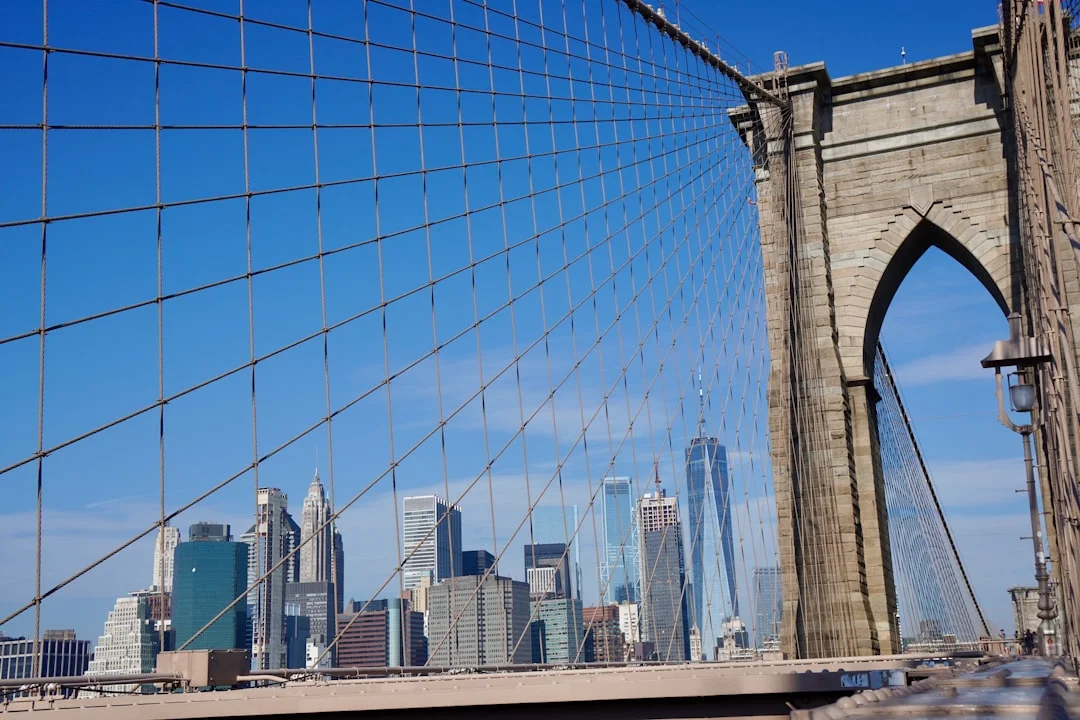
The core rationale for public funding in the arts is not simply to subsidize programming, but to cultivate outcomes that extend into health, education, and community resilience. The DCLA’s own materials point to research showing correlations between the presence of cultural assets and improved public health, educational outcomes, and safety in neighborhoods. In practical terms, this means that $74.3 million in FY2026 CDF grants can support programming that expands access to arts education, reduces barriers to entry for small or underrepresented groups, and strengthens community cohesion by giving residents spaces to gather, express, and learn. In the context of the NYC cultural funding landscape 2026, these connections help justify continued investment and inform program design choices that maximize social impact. (nyc.gov)
Equity, Access, and Neighborhood Vibration
A key dimension of the 2026 landscape is equity—making sure that communities across all five boroughs see tangible benefits from public funding. The Queens Arts Fund allocations exemplify targeted strategies to reach diverse neighborhoods, bringing grants to artists and organizations that might be overlooked in a more centralized funding model. The emphasis on borough-specific regranting, capacity-building, and direct support to small groups helps diversify the cultural ecosystem and reduce geographic concentration of cultural resources. This approach aligns with broader city aims to distribute opportunities more evenly and to help ensure that cultural vitality is not limited to Manhattan’s cultural districts. (nyc.gov)
The Role of Private and Nonprofit Partners
Public funding is increasingly complemented by private philanthropy and nonprofit programs that bridge gaps, pilot new approaches, and scale impact. Dance/NYC’s Dance Workforce Resilience Fund, described as a pilot to support fair labor practices and contracted freelance work, illustrates how private and nonprofit actors participate in the city’s broader arts economy. The fund’s response to wage concerns and working conditions mirrors a growing trend in the sector toward labor standards and sustainable practice models. When considered alongside public grants, these initiatives reflect a more holistic funding ecosystem that can influence the stability and growth of NYC’s arts organizations. (dance.nyc)
Strategic Implications for Organizations
For arts organizations, the 2026 funding landscape signals several practical takeaways:
- Prioritize resilience in budgeting to leverage the baseline increases while planning for one-time enhancements that may not recur.
- Align programming with evaluation frameworks that connect cultural activity to community outcomes, which can strengthen grant applications and reporting.
- Build partnerships with regranting programs, cultural councils, and local funders to maximize reach within neighborhoods and across boroughs.
- Monitor state and federal opportunities that can supplement city funding, and design proposals that demonstrate how city-supported work can scale with multi-source funding.
- Plan for long lead times in grant cycles, ensuring readiness for upcoming FY27 applications and related deadlines.
The section above integrates publicly available information on the NYC cultural funding landscape 2026, including how grant programs are structured, what kinds of projects are eligible, and how agencies communicate priorities to applicants. For organizations that want to stay ahead, following DCLA updates, City Council budget materials, and partner announcements will be essential to anticipating opportunities and aligning proposals with policy priorities. (nyc.gov)
The Broader Cultural Economy: Education, Health, and Community Well-Being
The city frames cultural funding as a lever for broader societal benefits. By investing in cultural organizations and programs, the city notes potential positive spillovers in areas like education and public health. The DCLA press materials and related city communications emphasize that culture is not an isolated domain; rather, it intersects with housing, transportation, education, and social services to create healthier, more vibrant communities. This perspective helps explain why funding decisions in 2026 are designed not only to sustain programs but to contribute to a citywide strategy of equitable, inclusive growth. (nyc.gov)
What’s Next
Short-Term Milestones: FY27 Planning, Applications, and Deadlines
Moving forward, readers should watch for ongoing application windows and guidelines related to the FY27 cycle. DCLA continues to publish opportunities and deadlines for nonprofit arts and cultural organizations, including instructions for the Cultural Development Fund and related programs. The SU-CASA pathway, which supports arts engagement in senior centers, remains a live option with cycle windows and help desks available for prospective applicants. While some FY26 deadlines have passed, the city’s funding machinery persists in rolling cycles and new rounds, underscoring the importance of proactive planning for organizations seeking to participate in the NYC cultural funding landscape 2026 and beyond. (nyc.gov)
Longer-Term Outlook: Baseline Stability and Program Diversification
The FY2026 budget actions—permanent baseline increases, one-time boosts, and targeted funding for borough-based programs—signal a multi-year strategy aimed at stabilizing core operations while allowing for experimentation and expansion in areas like community arts education, artist space, and workforce resilience. Independent analyses of the city’s cultural budget corroborate the trend toward larger operating budgets for DCLA and an emphasis on ongoing investments rather than one-off grants alone. As 2026 progresses, expect continued attention to how baseline funding translates into tangible programmatic outcomes and how private and state/federal funding layers interact with city dollars to create a multi-source ecosystem. (ibo.nyc.gov)
What to Watch: Emerging Programs and Policy Debates
Several themes will likely shape the near-term discourse around the NYC cultural funding landscape 2026:
- The effectiveness of the Safety Net within the CDF in ensuring program continuity for longstanding grantees who don’t receive baseline awards in particular cycles.
- The role of regranting partnerships (such as QAF) in deepening local impact and equity across neighborhoods.
- The interplay between city-funded initiatives and private sector programs focused on workforce development, labor standards, and sustained compensation for arts workers.
- The alignment of culture funding with broader city priorities, including education, public health, and neighborhood revitalization.
Keeping an eye on these threads will help readers interpret new announcements, budget amendments, and program evaluations as the year unfolds. Government press releases, council budget briefings, and credible arts-focused outlets will be key sources for tracking progress and adjusting expectations for 2027. (nyc.gov)
Closing
The NYC cultural funding landscape 2026 reflects a city intent on preserving a diverse, resilient cultural ecosystem while expanding access to opportunities across five boroughs. The February 26, 2026 announcement of $74.3 million in Cultural Development Fund grants to 1,171 organizations anchors a broader narrative in which baseline investments, strategic one-time supports, and neighborhood-based initiatives work together to sustain a vibrant cultural life for New Yorkers. As the city advances through FY27 planning, readers and practitioners should monitor ongoing funding cycles, policy developments from the NYC Council, and cross-stream support from state and private partners to understand how the landscape evolves. For audiences seeking timely updates, the best sources remain DCLA press releases, the Mayor’s Office communications, and neighborhood arts councils—each offering data points and program details that illuminate the path forward in the NYC cultural funding landscape 2026.
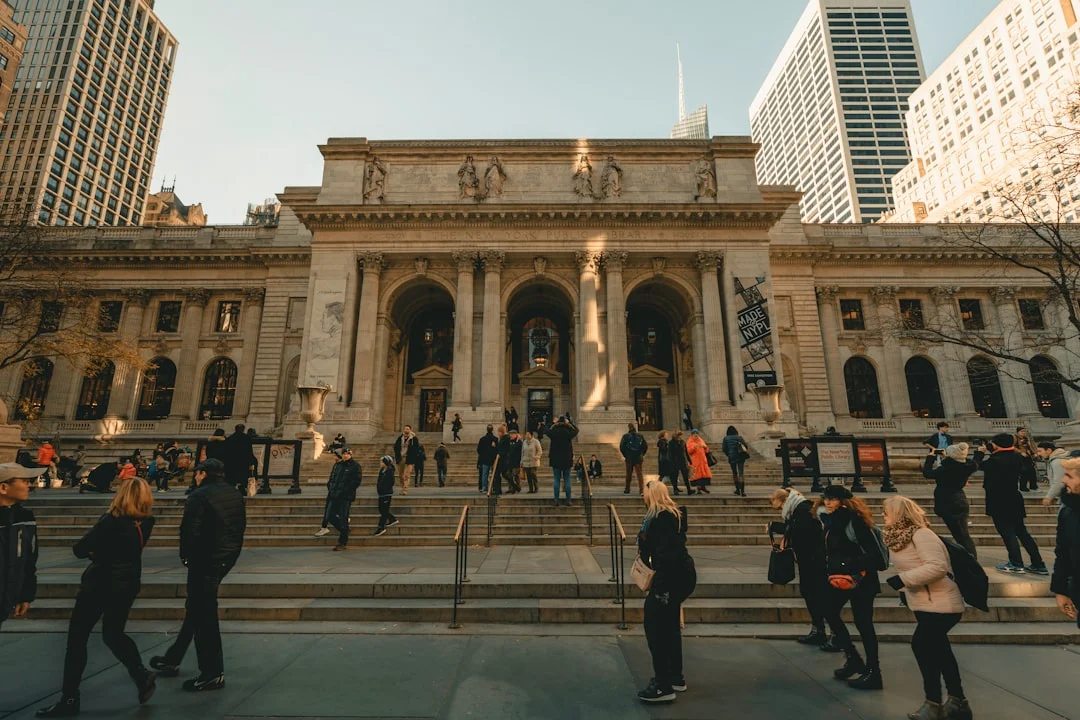
The year ahead will test the durability of these commitments, the effectiveness of targeted grants in lifting underrepresented communities, and the city’s ability to translate financial investments into measurable social outcomes. By staying informed and aligning proposals with demonstrated city priorities, artists, organizations, and cultural workers can navigate this dynamic funding ecosystem with clarity and purpose. As NYC continues to mold a culture that is inclusive, innovative, and accessible, the 2026 funding landscape will likely serve as a catalyst for new partnerships, expanded access to the arts, and a more robust cultural economy that benefits residents citywide. (nyc.gov)