New York City restaurant openings February 2026

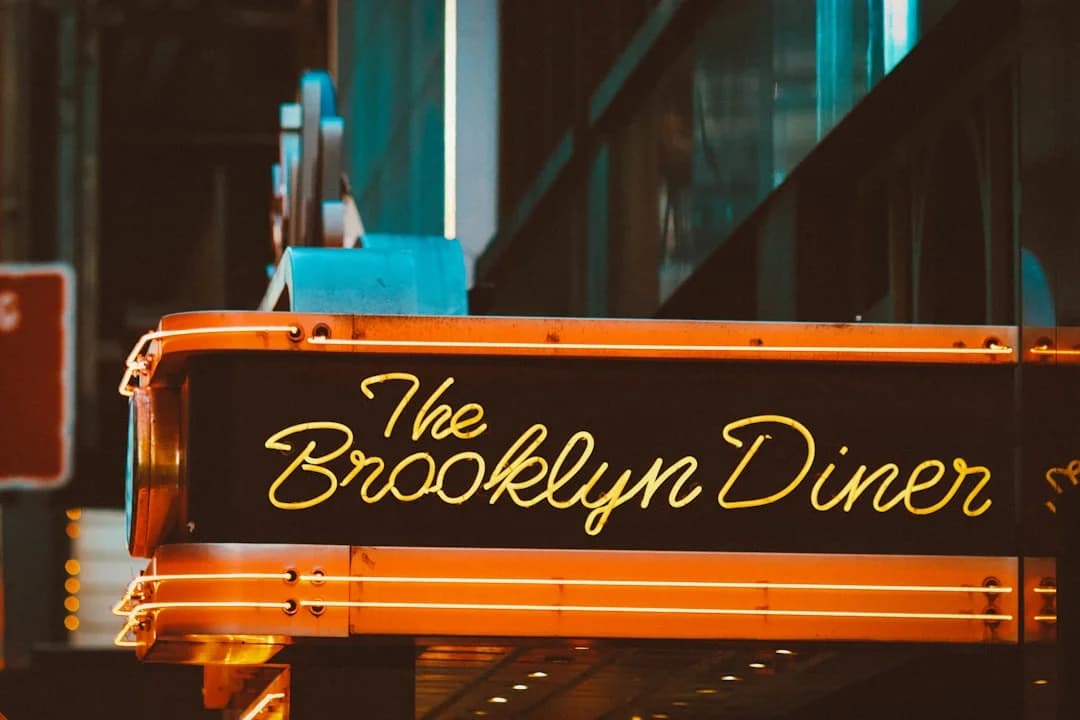
New York City restaurant openings February 2026 have emerged as a high-velocity signal of how New York’s dining ecosystem is evolving in real time. Across the Five Boroughs, a wave of new concepts—from intimate omakase counters to all-day Italian plates and hybrid kaiseki izakaya experiences—has begun to redraw neighborhood dining maps. For Manhattan Monday readers tracking technology-enabled market shifts, these openings provide a live laboratory in consumer demand, real estate strategy, and the operational innovations that rival the best data models.
This month’s openings also underscore a broader trend: a city-wide push toward smaller, highly curated experiences paired with tech-enabled service and elevated beverage programs. By cataloging launches like Anbā in the Lower East Side, Giulietta near Midtown, and a string of fast-casual and cocktail-forward concepts, we gain context on where investments are most concentrated, which neighborhoods are warming up fastest, and how operators are balancing labor costs with guest expectations. The following report builds a data-informed view of what happened, why it matters, and what’s next for New York City restaurant openings February 2026. Sources from Eater NY and related outlets provide the latest on openings through mid-February, with ongoing updates anticipated later in the month. (ny.eater.com)
What Happened
February 18 spotlight and major first-week openings
On February 18, the city saw a flurry of high-profile openings and notable debuts across Manhattan and Brooklyn as part of Eater NY’s ongoing February 2026 guide. A standout is Anbā, a 10-seat omakase counter created by Chef Ambrely Ouimette in the Lower East Side, opened on February 12 in the Concord building, offering a 16-course tasting menu at a price point around $220 and featuring an all-women culinary team. The space is described as a counter with a front cocktail lounge that evolves into a late-night program with DJs after 11 pm. The address is 92 Ludlow Street. This opening marks a significant entry in February 2026 restaurant openings with a compact, high-concept format in a bustling dining corridor. (ny.eater.com)
In the same week, the Lower East Side welcomed Much Obliged, a cocktail bar with a compact, snack-forward approach opened February 12 by a team behind Gator, signaling a trend toward niche beverage-forward concepts in existing culinary hubs. The venue’s address is 154 East 33rd Street (between Third and Lexington), and its entry adds to the area’s evolving bar-and-bites mix. (ny.eater.com)
Other February 18 debuts included Chuan Bistro in Flushing, billed as the city’s “first fully immersive Sichuan dining destination,” with a space designed for themed performances and a range of Sichuan offerings priced between $10 and $40. The venue is at 135-21A 37th Avenue, near Prince Street. The same day, Harlem welcomed Fish and Chicks, a tiki-bar concept with a playful, chicken- and seafood-forward menu, at 2367 Frederick Douglass Boulevard. These openings illustrate the geographic breadth of February 2026 restaurant openings, from Queens to Harlem and beyond. (ny.eater.com)
February 11 and February 4 highlights offer a broader mosaic
February 11 saw the Midtown base of the MetLife Building becoming home to Giulietta, an expansive 11,000-square-foot Italian restaurant from Mark Barak of La Pecora Bianca, designed for a morning-to-night crowd and featuring an ambitious 275-seat interior and 100-seat exterior plan. The restaurant, located at 200 Park Avenue, is paired with a forthcoming Giardino concept slated for April. The scale and scope here illustrate how NYC restaurant openings February 2026 encompass large formats intended to anchor business districts. The launch was highlighted as a flagship urban Italian concept in a prime transit hub. (ny.eater.com)
February 11 also marked Ambassadors Clubhouse’s entry in Nomad, a glassy, high-profile Punjabi-focused concept from the London-based JKS Restaurants, opening at 1245 Broadway and sharing space with film studio A24. The scale and luxury of Ambassadors Clubhouse underscore a trend toward “destination dining” within mixed-use towers, a pattern observed in several February openings. (ny.eater.com)
On February 4, Piadi by La Piadineria, Italy’s largest fast-casual chain, opened its American debut at 18 East 23rd Street, near Madison Avenue, offering folded flatbread sandwiches priced around $11–$17. The opening highlights how major international brands are integrating into New York’s February 2026 openings landscape, adding to a diverse mix of concepts across boroughs. (ny.eater.com)
A wide net: neighborhood spillover and micro-concepts
Beyond the headline spaces, the February 4–18 window captured a spectrum of micro-concepts and neighborhood signals, from Odo East Village—a casual kaiseki-izakaya hybrid offering most dishes under $20 at 536 East 5th Street—to Bao’s Pastry in Flushing, debuting its first U.S. location with a lineup of Chinese bakery favorites adapted for New York diners. The coverage also included Dahla’s Thai-inspired cuisine at 202 West 14th Street in the West Village and Kees, a PDT-affiliated cocktail concept at 1 Cornelia Street (West Fourth Street). These openings reflect a robust appetite for fast-casual, cross-cultural menus, and cocktail-forward experiences in the February 2026 NYC restaurant openings landscape. (ny.eater.com)
A broader, city-wide snapshot
Taken together, the February 2026 openings collage—from the Nolita debut of Sushi Yukimi to the Upper East Side’s Calaveras Social, the West Village’s Dahla, and Williamsburg’s Boil & Bite—paints a picture of a city where cross-neighborhood experimentation is accelerating. The heat map of openings cataloged by Eater NY reveals a pattern: micro-counter omakase concepts, new Italian and mezcal-forward spots in core districts, and beverage-forward bars anchored to newly opened or refreshed culinary spaces. This is not just a restaurant opening story; it is a living dataset illustrating how NYC restaurant openings February 2026 are shaping foot traffic, labor needs, and the competitive dynamics of real estate in a market famous for price pressure and high guest expectations. (ny.eater.com)
What’s missing and how to interpret the data
While the Eater NY guide provides a thorough, near-real-time picture of February 2026 openings, the database is inherently incomplete—restaurants frequently adjust openings, delays occur, and additional openings may be announced later in February. For readers seeking the most comprehensive and current list, cross-referencing outlets like SecretNYC and other local outlets can help triangulate openings, neighborhood activity, and the evolving concept mix. For example, SecretNYC’s coverage around mid-February highlights Odo East Village, DEJAVU, and Salumeria Rosi as noteworthy February openings, underscoring a broader industry emphasis on hybrid concepts and experiential dining. (secretnyc.co)
Why It Matters
Market implications for the NYC dining economy

Photo by Nick Night on Unsplash
The February 2026 NYC restaurant openings represent more than individual restaurant debuts; they offer a window into market dynamics, consumer demand, and technology-enabled operations. The emergence of compact omakase counters like Anbā points to a demand for high-touch experiences in smaller footprints, which can yield higher revenue per seat—an important dynamic in a city where real estate costs are historically high. At the same time, large-format concepts like Giulietta illustrate continued investment in durable, destination-scale Italian dining that can anchor office corridors and transit hubs. Both formats imply a blended strategy in NYC where operators deploy both micro and macro concepts to diversify risk and maximize guest engagement. (ny.eater.com)
Neighborhood transformation and labor implications
Neighborhoods experiencing February 2026 openings—Lower East Side, Nolita, Midtown, Nomad, and the West Village—reflect a trend toward mixed-use activation, where dining complements residential and office footprints. This convergence matters for labor markets, supplier networks, and technology adoption in hospitality operations. For example, a mix of intimate counters and larger dining rooms requires flexible staffing models, hybrid service sequences, and modular kitchen setups to adapt to varied guest flows. Observers may watch for how launch teams leverage POS technologies, reservations platforms, and data-driven marketing to optimize throughput in a high-velocity opening cycle. (ny.eater.com)
Technology and experience trends on display
The February 2026 openings put a spotlight on tech-enabled service and curated guest experiences. The Anbā omakase counter integrates a tight service model with a multi-seat expansion plan, while Ambassadors Clubhouse channels a luxury hospitality approach with a large, theatrical dining space—both illustrating a spectrum of tech-enabled guest journeys, from intimate chef-driven tastings to high-profile, immersive dining rooms. Other openings emphasize drink programs and cocktail culture, with Bar Maeda connected to the Mekumi/Sushidokoro ecosystem and Ambassadors Clubhouse’s cross-continental hospitality concept. These patterns suggest operators are leaning into curated beverage programs, careful seating strategies, and design-forward spaces to attract a tech-savvy, experience-seeking audience. (ny.eater.com)
Competitive landscape and investor signals
The February 2026 wave features a mix of domestic and international brand activity, including a major fast-casual overseas brand (Piadi by La Piadineria) and a number of boutique concepts by groups with track records in New York. This combination signals a diversified investment thesis among hotel owners, developers, and pure-restaurant operators: scale plays in familiar formats, while experimental spaces test new ideas in high-traffic corridors. Such signals can influence neighboring rents, co-tenancy decisions, and marketing strategies as landlords seek to optimize lease terms against the promise of high-demo footfall. (ny.eater.com)
Who is affected most?
- Consumers gain access to a broader range of dining formats, from high-end omakase to casual Filipino-inflected cuisine, making NYC’s dining landscape more multi-faceted. This can impact how residents and visitors plan meals and weekend outings.
- Operators benefit from a robust openings cycle that validates concept viability and can attract investors or partners for scale. The presence of both big-format Italian concepts and compact counters indicates a balanced market approach.
- Talent markets may see shifts as venues adjust staffing models for varied formats. The need for specialized roles in omakase services, beverage-forward concepts, and kitchen operations remains high, aligning with broader hospitality labor trends in major markets. (ny.eater.com)
What's Next
Timeline and near-term milestones
Looking ahead from the February 2026 snapshot, several openings flagged in the Eater NY guide are expected to roll out further this month or in early March, with continued updates anticipated as new venues complete buildouts, obtain licenses, and finalize opening days. Notably, Ambassadors Clubhouse in Nomad and Giulietta in Midtown present substantial footprints that are likely to define the pace of openings in their respective districts into late February and beyond. Industry watchers should expect periodic updates to the heatmaps as venues announce seating expansions, menu tweaks, or special programming. For ongoing coverage, follow NYC restaurant news outlets and the Eater NY calendar, which provides weekly updates on openings and closings. (ny.eater.com)
What to watch for in the coming weeks
- Expansion of high-concept counters and micro-restaurants: The Anbā model demonstrates appetite for intimate experiences; expect more similar concepts to surface in transit-adjacent neighborhoods and lower-Manhattan pockets. (ny.eater.com)
- The integration of large-format dining with office and hotel districts: Giulietta’s location in a landmark Midtown building positions a template for future large-format Italian concepts that can anchor office-to-residence corridors. (ny.eater.com)
- Emergence of hybrid hospitality venues: The DeeJavu/Bar Maeda pairing and other cocktail-focused spaces suggest a growing appetite for multi-use venues that blend dining, nightlife, and event programming, a trend likely to influence future permit and licensing strategies. (ny.eater.com)
- Global brands entering local markets: Piadi by La Piadineria’s American debut signals continued international brand penetration into New York’s competitive market, potentially prompting more global fast-casual concepts to test the NYC stage in 2026. (ny.eater.com)
What this means for technology and market trends
The February 2026 NYC restaurant openings reinforce a few core technology-driven themes in play across the city:
- Data-driven site selection and concept curation: Operators appear to be aligning brand formats with precinct footfall data, transit access, and concentration of culinary peers in a given corridor, a pattern underscored by the concentration of openings along the Nolita, Nomad, and Midtown corridors. (ny.eater.com)
- Operational efficiency and guest experience tech: The balance of compact counters and larger rooms implies a spectrum of automation, reservations-capacity management, and guest-relations technology to optimize service in mixed-format venues. The Omikase and high-volume Italian concepts illustrate different end-user journeys, requiring varied tech stacks to deliver consistency and personalization. (ny.eater.com)
- Beverage program innovations: The proliferation of cocktail-forward concepts and Japanese-inspired beverage operations highlights the role of advanced bar tech, ice program discipline, and inventory control as differentiators in a competitive environment. (ny.eater.com)
What’s Next: Next Steps for Readers and Stakeholders
Timeline and engagement steps

- For diners: Monitor the February 2026 openings map for real-time updates and plan tastings around newly opened counters like Anbā, plus larger format spaces such as Giulietta and Ambassadors Clubhouse. Check venue hours and tasting menus; plan midweek visits to avoid peak crowds.
- For industry analysts: Track seating fills, price points, and menu evolution across the February 2026 openings to gauge early performance indicators and build a dataset on concept viability in high-traffic districts.
- For real estate and investments: Use the openings data to understand neighborhood demand curves, how new dining anchors affect nearby retailers, and whether co-tenancy strategies are evolving in 2026.
Next-phase opportunities and cautions
- Opportunity: The February 2026 openings in NYC signal continued appetite for experiential dining, multi-concept venues, and international flavors entering the market. Operators should consider how to blend distinct concepts under one roof without compromising brand clarity.
- Caution: The openings cycle can be volatile; delays in licensing, supply chain hiccups, or labor shortages can affect launch timelines. Readers should treat initial openings as early indicators rather than final market outcomes, and should corroborate with multiple sources as new data comes in. (ny.eater.com)
Closing
New York City restaurant openings February 2026 paint a picture of a dynamic, data-rich urban dining ecosystem where both intimate, chef-driven counters and expansive, destination-scale concepts are competing for attention and repeat visits. The momentum observed in Anbā, Giulietta, Ambassadors Clubhouse, and a spectrum of neighborhood launches demonstrates that NYC’s restaurant scene remains deeply adaptive, tech-savvy, and extraordinarily diverse. As the month unfolds and more venues reveal themselves, readers can expect a continuing stream of updates on what these openings mean for consumer behavior, labor demand, and the broader market trajectory in New York City dining. For ongoing coverage and updates on New York City restaurant openings February 2026, readers should follow authoritative trades and local outlets that continuously refresh their open-list heatmaps and neighborhood-by-neighborhood analyses. (ny.eater.com)
If you’d like, I can append a neighborhood-by-neighborhood heatmap digest and a side-by-side concept comparison table (omakase counter vs. large-format Italian vs. cocktail-forward spaces) to further support decision-making for readers tracking New York City restaurant openings February 2026.