NYC Floating Communities 2026: Data-driven Update
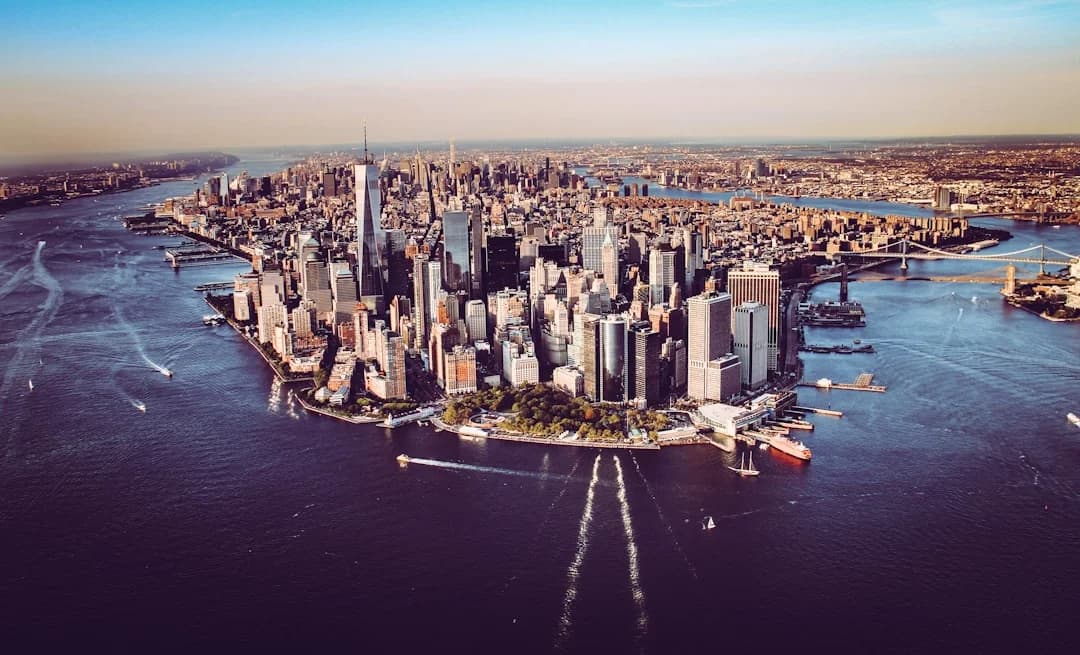
Photo by Florian Wehde on Unsplash
The latest developments around New York City floating communities 2026 mark a watershed moment for how a dense, coastally vulnerable metropolis is considering water as a living and working space. In 2024, state and city officials signaled a serious interest in advancing floating infrastructure as a tool for climate resilience, public access to waterways, and new models for urban life along the harbor. By early 2026, pilots and regulatory groundwork have begun shaping a path from concept to potential citywide considerations, with investors and community groups watching closely for signals about scale, safety, and economic viability. For readers tracking technology-driven market trends, the arc of New York City floating communities 2026 offers a case study in how policy, engineering, and finance converge to redefine the waterfront.
As New York accelerates conversations about floating structures, observers are watching how much of this remains experimental versus how quickly it could become part of the city’s housing, leisure, and work landscapes. The question at the heart of New York City floating communities 2026 is not only about aesthetics or novelty, but about whether floating living and working environments can meet stringent New York City standards for safety, accessibility, and urban design. Early indicators point to a cautious, standards-driven approach that foregrounds flood-resistance, public access, and environmental safeguards, while leaving room for pilot projects that could inform broader policy if proven reliable and scalable. This article provides a data-driven look at what happened, why it matters, and what comes next for New York City floating communities 2026. The analysis draws on regulatory texts, official program updates, and ongoing waterfront initiatives that illuminate the practical constraints and opportunities tied to water-based development in the city. (zoningresolution.planning.nyc.gov)
What Happened
Announcement and Funding Signals In the wake of renewed attention to water-based mobility, housing, and recreation, state and city leaders began articulating a clear interest in advancing floating initiatives as part of New York City’s resilience toolkit. A landmark moment in the public record came in late 2024 when state officials announced funding to advance water-based projects, including floating pool concepts and related demonstration efforts. That funding—intended to test innovative approaches to river swimming, filtration, and safe access to waterways—set the stage for formal inquiries into floating structures and their potential role in a post-pandemic urban economy. By early 2026, government communication and project disclosures indicate that the funding is being deployed to test concrete components of floating infrastructure, with the aim of informing future permitting, design, and site selection. For readers tracking the bureaucratic scaffolding around floating development, this funding allocation and the public statements surrounding it are essential milestones in the development of New York City floating communities 2026. (nyc.gov)
Regulatory Framework and Pilot Projects New York City’s zoning and planning framework governs how and where floating structures can be deployed. The City Planning Commission and the City’s Zoning Resolution provide explicit definitions and requirements for floating structures, including how structures must be moored, how uses on floating structures are permitted, and what public access must accompany any waterfront development. The rezoning language emphasizes that floating structures are allowable under certain district regulations and that developments on floating structures must meet height, setback, and flood-resistance standards. The official language also highlights the importance of shoreline access, with specific public-connection requirements to ensure waterfront spaces remain accessible to residents and visitors. In practical terms, this means that any substantial move toward New York City floating communities 2026 would require alignment with these rules, including potential special permits for non-traditional uses and adherence to public-access requirements along the waterfront. (zoningresolution.planning.nyc.gov)
Pilot Projects: From Pools to Parks to Public Access New York has seen a series of floating-related initiatives and demonstrations that shape the potential pathway for broader adoption. The +POOL project, a floating pool designed to filter river water and provide public swimming, has stood as a high-profile example of how floating infrastructure can intersect with public health, water quality testing, and urban recreation. Government and developer communications around +POOL have underscored the need for rigorous health and safety testing, water-quality assessments, and regulatory approvals before a full-scale public opening. By 2026, the project’s ongoing testing and regulatory reviews remain a focal point for the broader conversation about floating living and working spaces—since the pool concept is closely tied to the question of how the city could responsibly enable more extensive water-based amenities as part of its waterfront strategy. (timeout.com)
Other Floating Precedents and Related Concepts Beyond dedicated floating residences, New York’s water network showcases related concepts that inform the feasibility and design language of New York City floating communities 2026. Little Island at Pier 55, for instance, demonstrates how engineered platforms can transform waterfront experiences, though it is a public park rather than a residence. The structure rests on a field of uniquely shaped caissons and supports a landscape that integrates with the surrounding urban fabric, offering lessons in accessibility, environmental integration, and public engagement for any future floating development. While not residential, such projects illuminate the engineering, permitting, and public-safety thresholds that would apply to housing or mixed-use floating structures. (en.wikipedia.org)
Hydro-Resilient Concepts and Floating Architecture Several design studios and research efforts around New York City have explored water-based resilience and flexible, modular spaces that can repurpose waterfront sites for multiple uses, including emergency housing or cultural facilities. For example, projects like Hydro-Silos in Red Hook, Brooklyn, explore how water-adjacent architecture can adapt to changing needs through modular, scalable configurations, pairing cultural or gallery uses with potential emergency housing concepts. These explorations contribute to the vocabulary of what could become feasible under the city’s regulatory regime if policy, financing, and community buy-in align. (xinyanhe.com)
Timeline of Key Facts and Milestones
- 2024: State and city officials announce funding and begin public conversations about water-based projects, including floating concepts. The aim is to test approaches that could influence future zoning interpretations and activation of waterfront sites. (nyc.gov)
- 2025: Public statements and project documents indicate continued oversight, testing, and public engagement for floating initiatives like +POOL, with a plan to reach regulatory milestones that would enable broader demonstrations and potential scale. Reports and project updates point to final testing windows in 2026. (timeout.com)
- 2026: The monitoring and regulatory review cadence continues, with agencies assessing health, safety, and environmental safeguards, as well as the feasibility of more extensive floating structures under existing zoning rules. City planning documents emphasize post-flood standard construction practices for floating structures and the need for robust public-access provisions as floating projects advance. (zoningresolution.planning.nyc.gov)
Why It Matters
Climate Resilience and Public Health Implications New York City floating communities 2026 sits at the intersection of climate resilience and urban health. As sea-level rise and flood risk intensify, floating infrastructure offers a potential strategy to relocate or augment sensitive uses, accommodate population growth in high-risk zones, and reimagine flood-safe waterfront access. The city’s own planning materials emphasize flood-resistant construction standards and the need to adapt urban design to a changing shoreline, signaling that floating structures could become a more formalized tool in the resilience toolbox if performance criteria are met. However, regulators stress that floating projects must meet strict standards for safety, flood zones, and public access to waterfronts, underscoring that any expansion is conditional on rigorous engineering and governance. The net takeaway is that New York City floating communities 2026 may hinge on demonstrable resilience benefits balanced against cost, risk, and community acceptance. (zoningresolution.planning.nyc.gov)
Housing, Economic, and Waterfront Revitalization Implications From an economic perspective, floating developments could unlock new real estate concepts and investment opportunities, potentially broadening the city’s housing mix and diversifying waterfront economies. Yet the regulatory framework under the Zoning Resolution also signals that floating housing would face nontrivial hurdles, including height limits, mooring requirements, and access standards. The city’s approach to floating structures suggests cautious progress, with pilots and modular concepts that can be tested before broader deployment. As such, the economic implications depend heavily on pilot outcomes, financing mechanisms, and the ability to scale from a handful of experimental structures to more substantial residential or mixed-use ensembles. For stakeholders, this means watching how costs, insurance, and regulatory compliance evolve as the narrative of New York City floating communities 2026 unfolds. (zr.planning.nyc.gov)
Public Access, Waterfront Character, and Aesthetics Public access requirements for floating developments are a central feature of the regulatory framework, ensuring that waterfront spaces remain accessible to the broader public and do not become exclusively private domains. For any future floating communities, these standards will shape design choices, including promenade widths, connectivity to shore facilities, and the relationship between floating platforms and adjacent parks or public spaces. The public-access provisions in the zoning language reflect a core policy objective: waterfronts should remain open and navigable, even as floating structures increase the variety of uses along the river and harbor. This balancing act—between innovative floating living and the city’s commitment to open waterfronts—will be a defining dimension of the New York City floating communities 2026 discourse. (zoningresolution.planning.nyc.gov)
What’s Next
Regulatory Pathways and Permitting Outlook Looking ahead, the regulatory pathway for New York City floating communities 2026 will hinge on a multi-agency process that tests health, environmental, and safety criteria, while ensuring compliance with zoning standards for floating structures. The Zoning Resolution outlines how floating structures can host uses beyond traditional purposes and how public access is to be integrated into projects. Expect continued reviews by the City Planning Commission, with possible need for Special Permit processes in districts that would host residential or mixed-use floating projects. The regulatory environment remains dynamic, shaped by ongoing pilot results, water quality data, and evolving climate resilience commitments. (zr.planning.nyc.gov)
Milestones to Watch in 2026
- Completion of health and safety testing for floating initiatives like +POOL and related demonstrations, with formal permitting decisions anticipated as results accrue. (pluspool.com)
- Updates to zoning guidance and potential refinement of floating-structure standards, including public-access requirements and mooring specifications, as agencies synthesize pilot outcomes into policy language. (zoningresolution.planning.nyc.gov)
- Public engagement milestones, including community forums and environmental-impact assessments for proposed floating projects near key corridors like the East River and Hudson River waterfronts. (nyc.gov)
What to Watch For
- Real-world tests of water-quality filtration, public safety protocols, and emergency-management planning as floating concepts move from experimental to more routine. Examples of related water-based innovations, such as hydro-resilient modules and modular floating platforms, illustrate the kinds of technical challenges and engineering standards that will shape future iterations of floating communities in New York City. (pluspool.com)
- The evolution of public policies around waterfront access—ensuring that new floating developments augment rather than limit public interaction with the river and harbor. The zoning texts explicitly call for 30-foot-wide shoreline walkways and related public-amenity requirements as projects progress, which will be decisive for any broader rollout. (zoningresolution.planning.nyc.gov)
Closing
New York City floating communities 2026 is best understood as a nascent, data-driven experiment rather than a guaranteed expansion of housing or commerce. The city’s regulatory scaffolding currently emphasizes safety, flood resilience, and public access, while pilot projects test the feasibility of water-based living and working spaces. If data from health and safety testing supports scale, and if financing aligns with city and state standards, the trajectory could shift toward more substantial floating developments in the years ahead. Until that inflection point, the conversation remains anchored in careful analysis, rigorous standards, and transparent stakeholder engagement that prioritizes New York’s diverse communities and its long-standing waterfront heritage. The next phase will be measured by test results, policy refinements, and the engagement of residents, developers, and public agencies in a shared assessment of what floating amenities—and potentially floating homes—could mean for New York City’s future. (timeout.com)
In the meantime, observers should monitor official updates from the City Planning Commission and NYC Waterfront Revitalization Program, as well as ongoing demonstrations like the +POOL project, which together offer a window into how a city that sits at the edge of water might reinvent function and form by 2026 and beyond. For readers, the key value remains clear: data-informed decisions, transparent timelines, and a grounded view of what is feasible today—and what could emerge tomorrow—when New York City floating communities 2026 moves from blueprint to reality. (zr.planning.nyc.gov)