Neighborhood Developments in Manhattan 2026

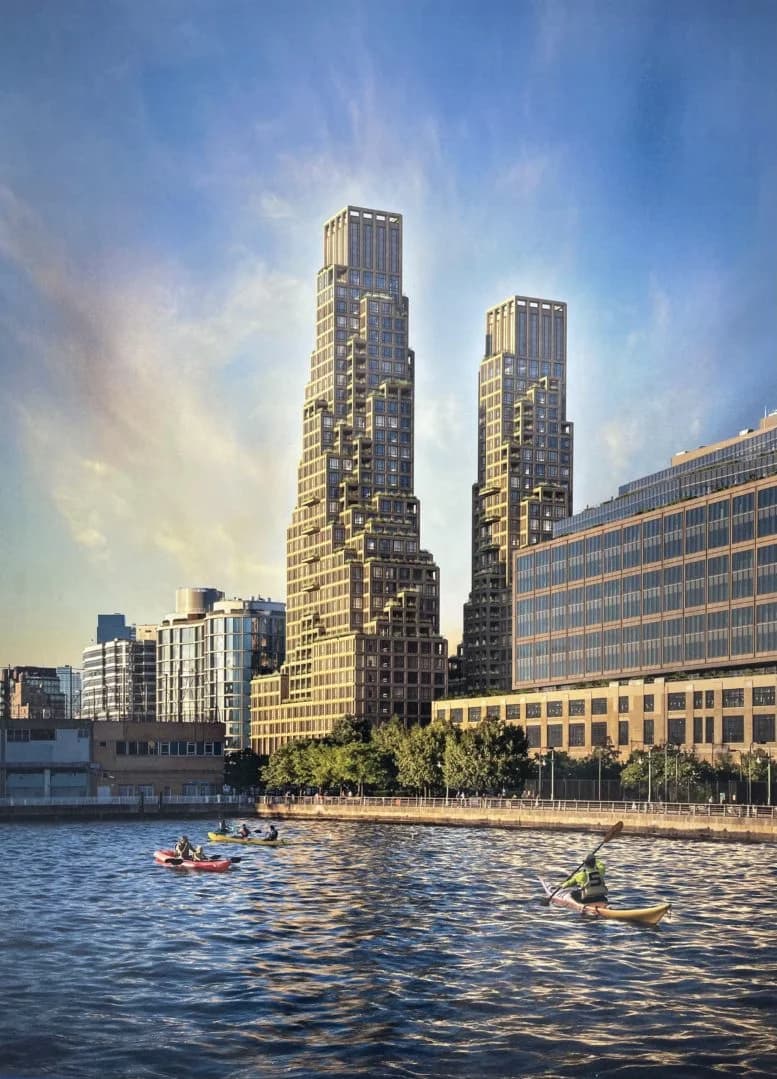
Manhattan in 2026 stands at a pivotal juncture where technology-driven market trends intersect with a reshaped real estate landscape. The phrase Neighborhood developments in Manhattan 2026 captures a broad reality: downtown and central districts are redefining how people work, live, and transact in a post-pandemic, AI-enabled economy. From a resurgent Downtown office market and rapid office-to-residential conversions to a tech-job surge that continues to reshape demand for space, the city’s five boroughs are converging on a pattern of selective, high‑quality growth. For readers watching the pulse of New York, these dynamics matter because they influence leasing timing, capital deployment, and neighborhood livability in ways that ripple through small businesses, commuters, and large global firms alike. This article synthesizes current data, real-world examples, and forward-looking insights to illuminate Neighborhood developments in Manhattan 2026. The analysis relies on market reports, industry data, and publicly available research to separate signal from noise. (downtownny.com)
What’s Happening in Manhattan Midtown and Downtown are delivering divergent yet complementary narratives in 2025–2026. Downtown Manhattan, anchored by the World Trade Center complex, Brookfield Place, and the Financial District, posted a robust year in 2025, driven by large relocations, high‑amenity space, and a wave of conversions that tightened supply and boosted absorption. The Downtown Alliance’s 2025 Year in Review shows 4.75 million square feet of office leasing—the district’s strongest annual total since 2019—along with a rising residential population and a growing retail footprint. Positive absorption totaled 2.02 million square feet for the year, and vacancy declined over eight straight quarters, signaling a shift toward more balanced market conditions. In addition, residential conversions helped shrink overall inventory while expanding the downtown population to roughly 70,000 residents, a milestone that underpins a 24/7 neighborhood dynamic. These trends foreshadow ongoing demand for premium space and mixed-use environments in 2026. (downtownny.com)
Office Leasing Momentum
Downtown Manhattan’s leasing momentum in 2025 and into early 2026 underscores a renewed appetite for high-quality space. According to CBRE’s analysis of the 100 largest U.S. leases in 2025, downtown locations accounted for a majority of the top deals, with 54 of the Top 100 leases by square footage signing in downtown markets, signaling a concentration of demand in core districts. Within Manhattan, the market’s scale and the quality of space being sought by tenants—especially financial services and tech users—have pushed premium space higher in value and draw. This dynamic is reinforcing a “flight to quality” as a core theme of Neighborhood developments in Manhattan 2026. Meanwhile, JLL and CBRE data also illustrate a broader resurgence in overall activity, with a year-end leasing total in Lower Manhattan that surpassed 4 million square feet in 2025, more than doubling the 2024 total. The market is transitioning from post‑pandemic rebound to a more stable, growth-oriented phase as large tenants lock in space for the long term. For context, downtown’s premium environments have been delivering outsized deal activity relative to other submarkets in the city. Sources: CBRE Top 100 Leases (2025), Downtown Alliance Year in Review (2025). (cbre.com)
Tech Sector Growth
New York City’s tech ecosystem remains a powerful counterweight to traditional finance-driven demand, a trend central to Neighborhood developments in Manhattan 2026. Tech employment across NYC exceeded 200,000 roles in the past decade, with the broader tech sector contributing a meaningful share of job growth citywide. Tech:NYC’s 2025 snapshot shows hundreds of thousands of tech positions across the five boroughs and ongoing expansion in AI, software, and cybersecurity roles. The organization’s datasets also highlight that NYC’s tech workforce has grown substantially since 2019, and AI-related postings continue to rise, reflecting ongoing investments in applied AI across finance, healthcare, and enterprise software. The city’s tech engine is not just hiring; it’s shaping real estate needs—demand for flexible, amenitized spaces and proximity to transit hubs remains elevated as firms scale AI, cloud, and data initiatives. (technyc.org)
Residential Conversions and Urban Form
A defining strand of Neighborhood developments in Manhattan 2026 is the acceleration of office-to-residential conversions in Lower Manhattan and other districts. Cushman & Wakefield’s analysis of NYC office space trends in 2025–2025 highlights a surge in conversions as a key factor compressing available inventory and fueling demand for amenity-rich residential product. The trend is supported by CRE reporting that Lower Manhattan’s population surpassed 70,000 in 2025 and that roughly 9.5 million square feet of conversion projects were in the pipeline for the near term across the city, signaling a structural shift in land use that could influence neighborhood character and housing affordability. The growth of conversions is underpinned by policy incentives and market economics, with developers refocusing on mixed-use outcomes that combine housing, retail, and office components into cohesive, transit-accessible neighborhoods. (cushmanwakefield.com)
Case Study: Deloitte at 70 Hudson Yards
A concrete example of Manhattan’s 2026 trend line is the Deloitte lease at 70 Hudson Yards, which underscores the market’s willingness to anchor large, trophy-grade towers with long-term occupants. The deal reflects confidence in West Side development and in a building designed to deliver premium amenities and connectivity to transit. The lease—one of the most significant office commitments in recent years—supports construction momentum around the Hudson Yards corridor and provides a template for how large tenants are evaluating “new‑build” environments in a post‑pandemic world. This case demonstrates that developers and tenants are prioritizing premium space with a clear roadmap to occupancy, a dynamic that reinforces 6–12 month forecasts for continued large-scale leasing in Manhattan’s core districts. Source: industry leasing reports and market coverage highlighting the 70 Hudson Yards deal. (normanbobrow.com)
Case Study: Downtown Anchor Deals and Tenant Relocation
Another high‑visibility example comes from Downtown Manhattan’s 2025 leasing activity, where large relocations and expansions—such as Jane Street Capital, BNY Mellon, Moody’s—drove a meaningful portion of total space absorption. These transactions illustrate how tech-enabled and financial services tenants are reshaping the ecosystem of the Financial District and nearby neighborhoods, fueling demand for trophy space, flexible layouts, and integrated amenities. The CBRE Top 100 Leases report shows that downtown locations accounted for a substantial share of major deals in 2025, reinforcing the “neighborhoods as ecosystems” narrative in Neighborhood developments in Manhattan 2026. This pattern is echoed by CRE analysts and industry press coverage that underscore the tightness in Downtown supply and the premium rents that accompany quality space. (cbre.com)
Section 2: Why It’s Happening What’s driving the 2026 trajectory is a mix of market forces, technology-driven demand, and urban policy that favors high-amenity, transit-accessible neighborhoods. The convergence of these factors is reshaping Manhattan’s neighborhoods, pushing the city toward a more specialized, growth-oriented real estate and talent landscape.
Market Forces and Demand Dynamics
Manhattan’s office market in 2025–2026 is characterized by a bifurcated but converging demand pattern: top-tier assets in Downtown and premium Midtown spaces are attracting large blocks and long-term commitments, while a portion of the broader inventory is being reimagined through conversions and redevelopment. Cushman & Wakefield’s Q2 2025 Downtown report highlights a vacancy rate in the Downtown market that remains elevated relative to pre-pandemic levels but shows meaningful compression as absorption returns and sublease supply recedes. The data underscore a persistent appetite for Class A stock and trophy assets, especially in districts with strong transit access and lifestyle amenities. The same period reveals Midtown’s ongoing tightness and rent growth, signaling a bifurcated but healthy citywide office market. (cushmanwakefield.com)
Tech, AI, and Talent Mobility
Tech:NYC’s data depict a city that remains a magnet for digital and AI-enabled roles, with a multi-year trajectory of job growth and rising AI postings. The NYC tech ecosystem supports demand for talent-adjacent spaces—co-working clusters, flexible tenancy, and premium towers that offer collaboration spaces, data-enabled infrastructure, and high-capacity connectivity. The tech sector’s expansion is not just a citywide story; it translates into neighborhood-level demand signals for live-work-play ecosystems that can accommodate engineers, data scientists, cybersecurity professionals, and AI practitioners. The implication for Manhattan’s neighborhoods is clear: technology-driven demand will continue to shape office footprints, housing, and retail. (technyc.org)
Policy, Infrastructure, and Conversions
Office-to-residential conversions have emerged as a central driver of neighborhood transformation, supported by policy incentives and market economics that favor adaptive reuse. Cushman & Wakefield’s 2025 analysis highlights robust conversion momentum, with a rising pipeline of residential units and a shrinking pool of traditional office space. As conversions proliferate, neighborhoods along transit-rich corridors tend to gain in livability and supply discipline, reducing vacancy density and anchoring long-term capitalization. Savvy developers and lenders are responding with capital for adaptive reuse projects and mixed-use infill—an approach that is reshaping Manhattan’s urban form and creating anchored, walkable neighborhoods that blend work and residence. (cushmanwakefield.com)
Section 3: What It Means The implications of Neighborhood developments in Manhattan 2026 are significant for businesses, consumers, and the broader industry. The changes touch on return-to-work dynamics, real estate economics, and urban vitality.
Business Impact
The market signals point to a continued preference for premier, well-located space in Downtown and select Midtown corridors. The concentration of Top 100 leases in Downtown in 2025 indicates that large corporate occupiers continue to anchor these districts, reinforcing the economic rationale for new development and retention of high-quality stock. A clear corollary is that landlords and developers will prioritize amenity-rich assets with strong transit access, potentially accelerating the pace of new construction in strategic submarkets and prompting competition for pre-leased towers. The result is a more nuanced, place-based strategy for corporate real estate portfolios, with heightened emphasis on site specificity and community infrastructure. (cbre.com)
Consumer and Neighborhood Effects
Residential conversions, combined with the downtown population exceeding 70,000 residents in 2025, create a 24/7 neighborhood dynamic in Lower Manhattan that benefits local retail, hospitality, and services. As live-work options converge, residents can access more diverse amenities within walking distance, reducing the need for long commutes and supporting a more vibrant street life. This shift has implications for retail mix, hours of operation, and place-making investments—areas where public and private partners are collaborating to sustain urban vitality. The City’s conversion momentum and retail openings support a more resilient urban experience for residents and workers alike. (downtownny.com)
Industry Changes
Industry players—from global banks to tech giants—are recalibrating footprints in response to market dynamics. The Downtown market’s performance in 2025 demonstrates that high-quality, amenity-rich space continues to command premium rents and tenant inertia, even as the broader office market rebalances. In Midtown, continued rent growth and tight occupancy illustrate a parallel trend: a citywide bifurcation that rewards trophy properties and prime submarkets with strong demand. For market participants, the takeaway is clear: selective, high-quality development and disciplined capitalization strategies will be rewarded as Manhattan stabilizes into a growth-oriented regime. (cushmanwakefield.com)
Section 4: Looking Ahead Six to twelve months into 2026, Neighborhood developments in Manhattan 2026 point to continued momentum in Downtown and Midtown, with a predictable tilt toward high-quality, transit-accessible space and intensified adaptive reuse.
Near-Term Outlook
- Domestic and international demand for Downtown and Midtown space appears to remain robust, supported by the uptick in large leases and the continuing evolution of Class A stock. The CBD trajectory is reinforced by 2025 lease momentum that translated into a 14-quarter low in Downtown vacancy (22.2%), with premium submarkets delivering stronger rent growth. Expect further leasing activity in trophy towers and a steady cadence of renewals and expansions among financial services, technology, and professional services tenants in the 2026 period. (commercialobserver.com)
- The operating environment for large-scale development remains favorable, with major tenants anchoring new towers and potential upside from continued capital formation around adaptive reuse projects. The Deloitte lease at 70 Hudson Yards is emblematic of the appetite for premium, purpose-built spaces that deliver sophisticated amenities and connectivity. If this momentum continues, look for additional high-rise completions and phased occupancy across the Hudson Yards corridor in the 2026–2027 window. (normanbobrow.com)
Opportunities for Investors and Operators
- Office-to-residential conversions will likely accelerate in 2026, supported by incentives and policy shifts that improve project finance economics. Cushman & Wakefield’s analysis in 2025 highlighted a rising conversion pipeline and strengthening demand for conversion projects, suggesting that adaptive reuse will remain a central theme in Manhattan’s development roadmap. Investors may find opportunities in mixed-use developments that pair housing with office space and retail, leveraging the city’s ongoing population growth downtown. (cushmanwakefield.com)
- The tech sector’s growth continues to shape demand for spaces optimized for collaboration, AI-enabled workflows, and data infrastructure. With NYC’s tech employment and AI talent continuing to expand, neighborhoods that offer dense transit networks, mixed-use amenities, and tech-friendly infrastructure will be well-positioned to attract both occupancy and investment. The Tech:NYC data remains a critical barometer for expectations around tech-driven real estate needs in Manhattan 2026. (technyc.org)
Practical Guidance for Stakeholders
- Landlords and developers should prioritize trophy-grade spaces with flexible layouts, advanced HVAC, and high-value amenity packages to attract attention from large tenants consolidating space. The 2025 Top 100 Leases data reinforces the idea that premium downtown space remains a magnet for corporate strategy. Proactive marketing to tech and financial services tenants will be essential as markets tighten. (cbre.com)
- Occupiers should evaluate a dual-path strategy: (1) reserve space in Downtown for long-term, flagship operations, and (2) explore strategic conversion opportunities in adjacent districts to balance cost and density while preserving access to transit and talent networks. The Downtown Alliance and Cushman & Wakefield analyses show the benefits of premium space and the upside from conversions in neighborhoods with strong transit and a growing resident population. (downtownny.com)
Comparison Table: Downtown vs Midtown Manhattan Office Metrics (2025–2026 snapshot)
- Note: All figures reflect reported metrics through late 2025 or early 2026 and are indicative of submarket trends. Values vary by data source; refer to each source for precise methodology.
| Submarket | Key Metric (2025–2026) | Value / Range | Source | | Downtown Manhattan (Core) | Overall vacancy (Downtown) | ~22.2% (2025) | Commercial Observer citing JLL/Savills data; 22.2% vacancy in Downtown 2025 (commercialobserver.com) | | Downtown Manhattan (WTC/Brookfield) | World Trade Center rents (4Q 2025) | $110.35/SF; Brookfield at $85.32/SF | Commercial Observer citing Savills data (commercialobserver.com) | | Downtown Manhattan (Excluding WTC/Brookfield) | Downtown Class A rents | ~$67.35/SF (4Q 2025) | Commercial Observer citing Savills data (commercialobserver.com) | | Downtown Manhattan | Net absorption (2025) | +2.02 million SF (2025 YTD) | Downtown Alliance Year in Review 2025 (downtownny.com) | | Midtown Manhattan | Class A rents (4Q 2025) | ~$81.67/SF (overall Class A) | Cushman & Wakefield / Savills cross-check via market reporting (cushmanwakefield.com) | | Midtown Manhattan | Availability rate (4Q 2025) | ~13.4% | CBRE Q4 2025 Midtown Office Figures (cbre.com) | | Downtown vs Midtown | 2025 Leases (Top 100) | Downtown accounted for majority of top deals; Manhattan market strong | CBRE Top 100 Leases (2025) (cbre.com) |
Closing Neighborhood developments in Manhattan 2026 reflect a city recalibrating around core corridors that combine high-quality office space, aggressive adaptive reuse, and a rapidly expanding tech economy. Downtown Manhattan’s revival, anchored by major anchors and large-scale conversions, sits alongside Midtown’s continued demand for trophy assets and premium amenities. The data point to a city that is not simply recovering from the past few years but actively evolving into a more transit-connected, mixed-use, and tech-enabled urban fabric. For businesses, investors, and residents, the key takeaway is clear: targeted investment in premier spaces, coupled with strategic conversions and a keen eye on talent trends, will shape Manhattan’s neighborhoods for the next 6–12 months and beyond.
In short, Neighborhood developments in Manhattan 2026 suggest a city where place, performance, and people align around a future defined by high-quality spaces, dense urban ecosystems, and a thriving, tech-enabled economy. Readers who track these signals—office leasing momentum, AI-driven hiring, and conversion activity—will be well-positioned to navigate a market that rewards precision, resilience, and adaptability.