Microgrid-Powered Arts Districts NYC 2026


Manhattan is poised to redefine how cultural districts survive, thrive, and operate around the clock. The concept of Microgrid-Powered Arts Districts NYC 2026 signals a shift from traditional utility reliability to district-scale energy resilience that serves galleries, theaters, studios, and performance venues as a unified energy ecosystem. In early 2026, investors, developers, and city agencies began outlining concrete steps to test and deploy microgrid-enabled clusters in dense urban settings where the arts and culture economy is a critical driver of neighborhood identity and tourism. The practical upshot is simple but transformative: when artists and audiences can count on continuous power, creative programming becomes more ambitious, hours extend later into the night, and the risk of closure during outages is reduced. This shift matters not only for the cultural sector but for real estate, neighborhood planning, and municipal services that depend on uninterrupted energy for safety, sanitation, and access.
The momentum behind Microgrid-Powered Arts Districts NYC 2026 is visible in two interlocking tracks: private-sector investments in urban battery energy storage and microgrid networks, and public-sector pilots that test islandable, resilient energy systems in high-density districts. In February 2026, MicroGrid Networks (MGN), a Brooklyn-based developer of battery energy storage systems (BESS) and grid-edge infrastructure, announced a strategic investment from Palisade Infrastructure to expand its NYC footprint. This investment targets the deployment of more than 250 MWh of storage across multiple city neighborhoods, with pilot sites in Queens, Brooklyn, and Manhattan that are designed to support critical cultural operations during peak demand and outages. The announcement underscored a broader belief among investors and utilities that local storage can stabilize the grid while enabling new business models for arts districts that require reliable power for lighting, air handling, HVAC, and digital technologies. Palisade’s partner, SER Capital Partners, and MGN’s management team framed the move as a pivotal inflection point for urban energy resilience, emphasizing mission alignment with New York State’s aggressive storage and grid modernization goals. >“We are excited to support MGN at this pivotal stage of the company’s evolution and to partner with SER and the MGN management team,” noted Mike Reynolds, Palisade’s Partner and Head of Americas, in a statement accompanying the funding round.(palisadegroup.com)
Concurrently, city and state agencies are shaping a policy and programmatic environment that could accelerate Microgrid-Powered Arts Districts NYC 2026. The New York City Economic Development Corporation (NYCEDC) has launched initiatives to explore islandable microgrids in strategic districts, including a Brooklyn Army Terminal (BAT) climate hub project. Through the BATWorks RFI, NYCEDC is seeking responses for a sandbox-enabled microgrid capable of piloting and testing emerging climate technologies, with a submission deadline of June 29, 2026. The BATWorks effort illustrates how city agencies are moving from study to pilot to scalable deployment, recognizing that arts districts—and the creative economy more broadly—benefit from resilient energy infrastructures that can island from the main grid during emergencies while maintaining essential services for cultural institutions. The BATWorks RFI also emphasizes equitable access, M/WBE involvement, and alignment with climate and resilience goals, which are essential considerations for any city-driven effort to bundle energy resilience with cultural vitality.(edc.nyc)
Those public-sector signals sit alongside more concrete project pipelines in the MGN portfolio and related storage initiatives. A February 2026 industry update summarized MGN’s ongoing deployments across New York City, including Brookhaven and Maple Grove projects that feed into the city’s urban distribution networks, with each site rated at 10 MW / 50 MWh, designed to provide rapid energy storage and dispatch during peak periods or outages. These projects exemplify the scale and complexity of urban microgrid deployments in a modern metropolis and demonstrate how a district-scale approach could be extended to arts districts that require non-interruptible power for theaters, galleries, and live productions. In addition, MGN’s ongoing work shows a broader market trend: as the state aims to reach ambitious storage targets (for example, the NY-Sun and broader clean energy programs), microgrid developers are moving from pilot stages into more substantial, multi-site implementations that can serve specific neighborhoods or district ecosystems, including cultural corridors.(mgrid.org)
In parallel, the city’s energy strategy landscape is evolving to accommodate greater local energy resources and more sophisticated demand management. New York State’s strategic outlook through 2025–2028 highlights the role of energy storage, grid modernization, and flexible demand in enabling clean energy growth while preserving reliability and affordability for consumers and businesses. The plan underscores the importance of advancing microgrid concepts, coordinating with investor-owned utilities and independent developers, and ensuring that deployment aligns with broader policy aims, including resilience for critical facilities and equitable access to modern energy services. These strategic coordinates help frame Microgrid-Powered Arts Districts NYC 2026 not as a fringe idea but as a credible, data-driven pathway to supporting the city’s cultural economy in the face of increasing weather volatility, high energy prices, and a transition to cleaner power sources.(nyserda.ny.gov)
This news package examines what happened in early 2026, why it matters for arts and resilience in Manhattan and other boroughs, and what lies ahead as Microgrid-Powered Arts Districts NYC 2026 becomes more than a concept and moves toward concrete pilots, policy support, and private investment. It’s a story of how energy technology, real estate markets, and cultural life intersect in a city that uses data to inform decisions, measure impact, and adapt to changing conditions. The discussion below organizes the most relevant developments, timelines, and implications for readers who track technology and market trends in urban energy systems.
What Happened
Investment Momentum and Market Signals
MGN’s February 2026 financing round marks a milestone for how investors view urban microgrid deployments in a city that demands both reliability and scalability. The strategic investment from Palisade Infrastructure, announced on February 20, 2026, aims to accelerate the deployment of 250+ MWh of battery energy storage systems across key NYC corridors, including neighborhoods that feature dense cultural venues, arts spaces, and creative industries. The investment reflects a broader market belief that microgrid assets—when properly integrated with the grid—can provide essential services during outages, support grid modernization, and unlock new value streams for property owners and cultural organizations. The publicly shared statements from Palisade executives emphasize collaboration with developers like SER Capital Partners and MGN’s leadership, signaling near-term deployment milestones and a path to scale. This is not a marginal investment; it’s a signal that the NYC market is ready for district-scale resilience assets that can backstop critical cultural infrastructure.(palisadegroup.com)
MGN’s project pipeline—a cluster of 10 MW / 50 MWh units in multiple neighborhoods—illustrates a practical architecture for urban microgrids that can support a district’s 24/7 operation. The Brookhaven and Maple Grove sites in Queens and Brooklyn, respectively, demonstrate how a portfolio approach can connect microgrid resources to distribution feeders and substation networks. The River Birch and Arcadia sites (5 MW / 25 MWh and 5 MW / 20 MWh) are sized to offer flexible energy storage, fast response, and capacity support that can be dispatched during emergencies or extreme demand. When these assets are clustered around a cultural district, the result is a 24/7 energy envelope that reduces outages, stabilizes energy costs, and enables continuous programming for galleries, small venues, and artist studios. The ongoing plan envisions islandable configurations that can operate independently from the wider grid if needed, a critical capability for cultural districts hosting high-stakes performances and events.(mgn.energy)
Public Pilots and Frameworks in Motion
City-led pilots are essential to turning private investment into tangible outcomes for Microgrid-Powered Arts Districts NYC 2026. The BATWorks RFI represents an explicit NYCEDC effort to develop a climate tech sandbox at the Brooklyn Army Terminal, with islandable microgrid capabilities designed to pilot emerging technologies in a real-world urban context. The RFI’s deadline of June 29, 2026, sets a concrete milestone for responses and potential award timing, indicating that the city intends to move from experimental pilots to deployable solutions within a year or two. This project could serve as a testbed for energy workflows that support special events, weeknight performances, and long-running venues that contribute to a district’s cultural economy, while also delivering resilience benefits to surrounding neighborhoods. The BATWorks project underscores how municipal agencies are progressively aligning infrastructure, technology, and cultural policy to create resilient, economically viable districts that can host arts programming with reduced outage risk.(edc.nyc)
In addition to the BATWorks initiative, the NYCEDC’s public-facing calls for microgrid-oriented pilots complement other cross-agency efforts to modernize the city’s energy system and accelerate district-scale resilience. The Eighth Avenue Microgrid study—an earlier NYSERDA-supported analysis under the NY Prize program—remains a landmark reference point for understanding how a network of adjacent residential, commercial, and cultural facilities can share energy resources through a centralized microgrid while islanding from the grid when necessary. Although this study predates 2026, it provides important methodological foundations for district energy planning, including how to model load profiles, identify critical facilities, and evaluate the economic viability of microgrid configurations. The existence of such studies reinforces the sense that Microgrid-Powered Arts Districts NYC 2026 could be realized through a blend of historic lessons, current pilots, and ongoing market activity.(nyserda.ny.gov)
Project Profiles and Geographic Footprint
As a real-world proxy for Microgrid-Powered Arts Districts NYC 2026, the current portfolio and pipeline from MGN illustrate the geographic and technical scaffolding that could support district-scale resilience around arts-intensive neighborhoods. The Brookhaven site in Long Island City links to the North Queens Substation and is designed to provide rapid energy storage and release to a dense urban network, helping to stabilize service in a district with a vibrant arts economy and high daytime demand from amenities and studios. Maple Grove, located in southern Brooklyn, connects with the city’s distribution system to support local resilience and energy flexibility, while River Birch and Arcadia demonstrate a scalable, multi-site model that could be replicated in other culturally dense districts. The architecture—multiple 5–10 MW storage assets with 20–50 MWh per site—offers both local peak shaving and service continuity during outages, reducing operational risk for venues that rely on precise conditions for performances, exhibitions, and creative productions. The pipeline is not final; timelines and commercial operation dates are subject to permitting, interconnection, and market conditions, but the trajectory is clear: urban microgrid assets are moving from concept to delivery in ways that could underpin Microgrid-Powered Arts Districts NYC 2026.(mgn.energy)
In tandem, public-sector data points from the NYC Roadmap to 80x50 and related NYSERDA materials provide the policy and economic context that could enable district-scale energy resilience to reach arts districts. The city’s roadmap emphasizes the role of distributed energy resources, energy storage, demand management, and grid modernization in delivering a resilient, sustainable, and affordable energy future for New York City. When combined with a portfolio like MGN’s, the roadmap suggests a plausible path for Microgrid-Powered Arts Districts NYC 2026 to emerge as a practical, capital-efficient solution for cultural districts seeking reliability and cost control in a market exposed to weather extremes, price volatility, and evolving regulatory frameworks.(nyc.gov)
What’s more, broader industry data from the DSIRE database and NYSERDA fundraising and program announcements reinforce the notion that the city is building an ecosystem in which microgrid projects can be financed, permitted, and scaled. The DSIRE database tracks community distributed generation and related incentives across New York, highlighting how local policy and rate structures influence the viability of district-scale resilience assets. As microgrid projects progress, policy tools—including storage incentives, interconnection standards, and rate designs—will shape the economics of Microgrid-Powered Arts Districts NYC 2026. This context matters for arts districts that must balance programmatic ambitions with costs of space, rent, and operations.(programs.dsireusa.org)
Why It Matters
Resilience for Cultural Venues and the Creative Economy

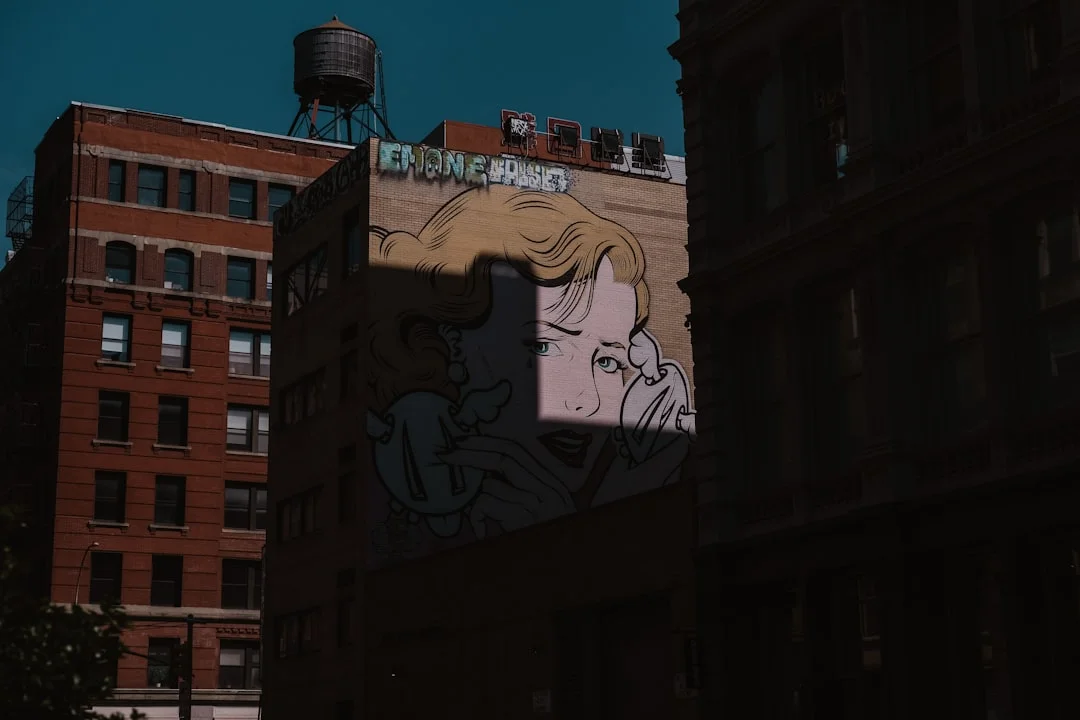
Photo by Ben Kusik on Unsplash
The core rationale behind Microgrid-Powered Arts Districts NYC 2026 is straightforward: cultural spaces require reliable power for lighting, sound, temperature control, HVAC, and digital infrastructure, often during extended hours and in unpredictable weather. Outages are not just inconvenient; they translate into canceled shows, lost revenue, and jeopardized safety. By bundling energy storage, islandable microgrids, and distribution-level control, districts can maintain continuous service to museums, theaters, galleries, and studios even when the broader grid faces disruption. The MGN investment and project pipeline provide a tangible blueprint for how a city can stitch together multiple storage assets to create a district-scale resilience fabric that serves both cultural purposes and broader municipal needs, such as street lighting, transit hubs, and emergency response centers during crises. In practice, the resilience benefit is twofold: a smoother experience for visitors and artists who rely on consistent conditions for exhibits and performances, and a more stable financial environment for venue operators who must manage energy costs and operational budgets.(palisadegroup.com)
Public-sector pilots amplify these resilience benefits by allowing authorities to observe, measure, and refine microgrid configurations in authentic urban contexts. The BATWorks microgrid sandbox is designed to test new energy technologies and operational strategies within a controlled city setting, with a focus on grid flexibility, safety, and demonstration potential for climate tech startups and cultural partners. By creating a testbed near a major industrial and cultural corridor, NYCEDC can capture data on how microgrid islanding, energy storage, and demand response influence event scheduling, energy budgeting for arts facilities, and the reliability of critical cultural assets during events of varying scale. This approach aligns with the city’s broader resilience and climate adaptation goals while offering a platform to explore how microgrid-enabled districts can support a thriving arts ecosystem.(edc.nyc)
Economic and Real Estate Implications
The emergence of Microgrid-Powered Arts Districts NYC 2026 carries meaningful implications for real estate markets and the economics of creative districts. If microgrid assets provide demonstrable reliability improvements and cost stability, property owners and developers may view energy resilience as an amenity that adds value to live-work spaces, galleries, and performance venues. In markets like Manhattan and the surrounding boroughs, where rent levels and operating costs influence the viability of creative enterprises, a district-scale resilience solution could justify higher occupier demand and more stable capitalization rates for art-focused properties. While the direct price effects of microgrid infrastructure on property values require rigorous empirical study, the near-term signals—public investments, private capital, and a concrete deployment pipeline—suggest a credible pathway for resilience to become a market differentiator for arts districts. The alignment with state storage targets and grid modernization plans further reinforces the feasibility of such a model in the near to medium term.(nyserda.ny.gov)
Policy and Equity Context
Microgrid-Powered Arts Districts NYC 2026 is not simply a technology play; it is a policy- and governance-inflected approach to urban energy that requires stakeholder alignment across developers, utilities, cultural organizations, and neighborhood communities. NYSERDA’s ongoing programs and strategic outlook underscore how state-level incentives for energy storage, flexible demand, and grid modernization intersect with local goals for equitable access to clean energy, disaster resilience, and inclusive economic development. The strategic plan’s emphasis on reliable, affordable, and sustainable energy for all New Yorkers—especially in the context of climate resilience and energy transition—provides a framework within which district-scale microgrids for arts districts can be justified, funded, and scaled. DSIRE’s catalog of community energy and storage programs further highlights how policy levers can support or constrain development trajectories for Microgrid-Powered Arts Districts NYC 2026.(nyserda.ny.gov)
Public Interest and Cultural Equity Considerations
A district-based approach to energy resilience must incorporate community benefits and equity considerations. Any plan to deploy microgrids in arts districts should include explicit attention to affordable access for cultural organizations that operate on thin margins, ensuring that energy savings do not become a barrier to programming for smaller venues or emerging artists. The BATWorks framework, with its emphasis on climate tech startup collaboration and M/WBE opportunities, provides a concrete model for how public resources can be channeled to benefit a broad cross-section of cultural actors, including independent artists, nonprofit venues, and community art centers. In practice, equity considerations will influence site selection, interconnection rules, and revenue-sharing models associated with microgrid assets. These dimensions are not optional add-ons; they are necessary design choices if Microgrid-Powered Arts Districts NYC 2026 is to be inclusive and scalable.(edc.nyc)
Technological and Operational Implications
From a technology standpoint, the district-scale approach combines energy storage with advanced controls, grid-forming capabilities, and islanding logic to enable resilient operation even when the main grid experiences outages or instability. The urban microgrid model benefits from a mix of storage technologies, fast-responding controls, and compatibility with existing distribution systems, all designed to minimize energy costs while maximizing uptime for critical cultural assets. The MGN deployments illustrate how storage capacity, when strategically located and coordinated with the grid, can provide both reliability and cost-management benefits. The Neal-level detail in MGN’s project descriptions—10 MW / 50 MWh per site with multiple sites—serves as a practical blueprint for what a district-scale energy system might look like in an arts district setting. This approach also aligns with state and city energy strategies that emphasize local generation, flexible demand, and grid modernization as core levers for resilience and sustainability.(mgn.energy)
What’s Next
Near-Term Milestones
- BATWorks microgrid sandbox submission window closes June 29, 2026. If the city selects a winner or set of winners, the next steps could include formal agreements, design work, and preliminary interconnection studies for a pilot phase that could begin operating within the next 12–24 months. This timeline places the BATWorks effort at the forefront of translating microgrid concepts into tangible, community-facing infrastructure that could be leveraged by arts districts with neighboring cultural assets. The RFI’s deadline and the city’s stated readiness to move from study to pilot imply a disciplined, phased approach to deployment, balancing risk and reward for cultural institutions and nearby communities.(edc.nyc)
- MGN and Palisade plan multi-site deployment across NYC with near-term construction activity and commissioning windows through 2026–2027. The portfolio’s stated operation targets—Brookhaven in Long Island City and Maple Grove in southern Brooklyn, each with substantial storage capacity—indicate a cadence of site activation that could align with district-scale resilience goals in arts districts that require continuous energy for performances, exhibits, and educational programming. While individual site commissioning dates may shift due to permitting or interconnection approvals, industry sources indicate that early-phase operations could begin within 12–18 months following investment announcements.(palisadegroup.com)
Medium-Term Outlook
- As district-scale microgrids matures, developers, utilities, and city agencies may test more integrated, district-level models that explicitly pair cultural programming with energy services. These models could include curated energy tariffs, on-site generation paired with storage, and demand-response programs that emphasize the ability to stage events with predictable energy costs. The NYSERDA strategic outlook and policy landscape endorse a trajectory toward increased storage, grid flexibility, and enhanced data-driven management of energy resources, all of which are essential to make Microgrid-Powered Arts Districts NYC 2026 a practical reality. The integration of public and private initiatives—ranging from microgrid R&D to energy storage incentives and interconnection standards—will shape how quickly arts districts can realize the benefits of resilience and cost stability.(nyserda.ny.gov)
Long-Term Vision and Risk Management
- The long-term success of Microgrid-Powered Arts Districts NYC 2026 will depend on several risk and opportunity factors: technology maturation, regulatory alignment, capital availability, and community buy-in. The city’s experience with district energy projects, the lessons from early microgrid pilots, and the ongoing evolution of energy policy all provide a foundation for scalable, district-wide resilience that can support a vibrant arts economy. A critical element will be the ability to measure performance, quantify benefits, and demonstrate to tenants and audiences that microgrid-backed districts offer tangible advantages in uptime, quality of service, and environmental impact. Policy bodies will need to continue refining incentive structures and interconnection rules to ensure that district-scale resilience solutions remain affordable, accessible, and inclusive for a broad spectrum of cultural organizations.(programs.dsireusa.org)
What's Next (Continued Timeline and Watch Points)
- 2026: Public pilots, including BATWorks, move from concept to the design and procurement phase. City officials and project partners will finalize requirements, interconnection studies, and safety standards, with a focus on ensuring that any pilot integrates clean energy storage, islanding capabilities, and data-driven management that can support cultural venues with high uptime expectations. The June 29, 2026 deadline sets a concrete milestone that will influence subsequent milestones and funding decisions.(edc.nyc)
- 2026–2027: Private deployment ramps up, with MGN planning and constructing multi-site BESS assets across NYC. The Brookhaven and Maple Grove sites provide concrete examples of the scale and configuration of storage assets that could service arts districts, enabling 24/7 operations for venues, studios, and cultural programs. The success of these deployments will inform how district-scale energy services can be packaged with real estate and cultural programming, potentially attracting further investment from developers and cultural institutions seeking resilient energy for event-intensive seasons.(mgn.energy)
- 2027 and beyond: The broader urban energy policy environment will continue to refine incentives, interconnection processes, and rate designs to support district-scale resilience. The NYSERDA Strategic Outlook and related policy documents suggest an ongoing emphasis on storage adoption, grid flexibility, and equitable access to clean energy resources, which will shape Microgrid-Powered Arts Districts NYC 2026 as a replicable model for other cultural districts in the city and region. The evolution of these policies will determine the pace at which microgrid-enabled arts districts become mainstream.(nyserda.ny.gov)
Closing
The central takeaway from the 2026 activity around Microgrid-Powered Arts Districts NYC 2026 is that resilience is increasingly becoming a marketable, investable advantage for cultural districts. Private funding rounds and large-scale storage deployments are moving forward in patterns that reflect a city and a state committed to reliability, modernization, and inclusive energy access. If pilots like BATWorks prove their value, and if MGN’s multi-site deployments demonstrate reliable performance and favorable economics, New York City could emerge as a model for integrating microgrids with arts districts—creating spaces where culture thrives not only because of creative talent but because the energy system behind it is robust, flexible, and responsive to the needs of artists, audiences, and communities. For readers and stakeholders who want to stay informed, the most reliable markers will be progress reports from NYCEDC, NYSERDA, and project developers, along with quarterly updates on interconnection milestones, storage capacity added, and the commissioning dates for district-scale resilience assets. The city’s longer-term energy strategy and the cultural economy’s growth trajectory will determine how quickly Microgrid-Powered Arts Districts NYC 2026 translates into real-world resilience that benefits galleries, theaters, performance venues, and the neighborhoods that host them.
In the weeks ahead, Manhattan Monday will continue monitoring the BATWorks RFI progress, the Palisade-MGN investment milestones, and the evolving policy framework around district energy and storage. These developments will offer deeper insight into how energy networks can be designed to support the arts, the economy, and the city’s resilience in the face of climate challenges and evolving energy markets. Readers should expect updates on pilot outcomes, interconnection milestones, and potential new district-scale projects that could extend Microgrid-Powered Arts Districts NYC 2026 from a strategic concept into a tangible, energy-enabled cultural ecosystem across New York City.