Manhattan trophy real estate February 2026: Trends

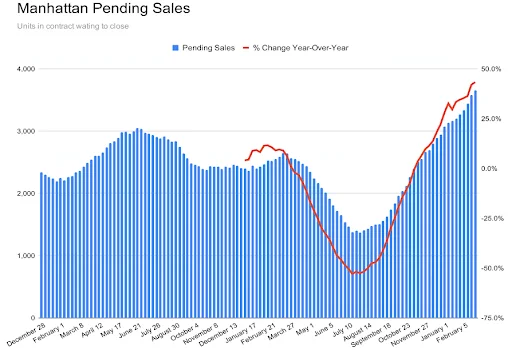
Manhattan trophy real estate February 2026 sits at an unusual crossroads: demand for ultra-luxury condos remains resilient even as financing conditions and overall market volatility linger in the background. The latest data show a febrile, selective market where trophy deals move in clusters, pricing stabilizes at the high end, and a handful of marquee developments are moving at a brisk pace despite tighter listings. For investors, brokers, and high-net-worth buyers, this month underscores a core dynamic: the top tier is less about abundance and more about precision—location, architecture, and timing matter more than ever. In this context, the keyword Manhattan trophy real estate February 2026 captures a moment when the city’s ultra-luxury segment is not merely surviving but executing with disciplined focus.
What does that mean for readers of Manhattan Monday? The signal is clear: trophy properties continue to anchor the market’s sentiment, even as the broader market cools or stabilizes. Early 2026 data indicate that the high end remains a magnet for capital, with strong activity in the most expensive segments and a handful of landmark buildings driving attention. The data-driven narrative shows that while inventory is lean and days on market compress, there is a willingness among developers and sellers to price realistically and negotiate with discretion. This piece synthesizes the latest publicly available figures to illuminate how the trophy tier is shaping the broader Manhattan real estate cycle, what is driving the momentum, and where opportunities might emerge over the next 6–12 months.
What’s happening in Manhattan trophy real estate February 2026
Trophy-market momentum
In January 2026, high-end buyers pressed ahead in Manhattan, with the strongest activity concentrated in the top end of the market. StreetEasy’s January 2026 Housing Market Report notes a sharp 29% increase in new contracts in the most expensive third of Manhattan, signaling sustained confidence among ultra-wealth buyers even as the broader market navigates higher interest-rate headwinds. This is a clear data point that the trophy tier is not just a fringe flight to safety but a core driver of early-2026 activity. In Manhattan specifically, contracts in the overall luxury segment remained robust, underscoring that the trophy tier is a primary component of the market’s volume in the near term. (streeteasy.com)
Price signals at the very top reveal a parallel story: Corcoran’s January 2026 luxury sales report shows the high-end market continuing to command price discipline and strong buyer engagement. Notably, the January snapshot for $5M+ transactions indicates a solid start to the year, with 69 contracts above $5M, up 3% year over year, and active listings at their lowest January level in a decade. The implication for trophy properties is clear: demand remains concentrated among a finite set of buyers who respond to a combination of architectural narrative, location, and boutique development features. The report also notes a drop in active luxury listings (to 732), suggesting that inventory is tightening in the very top tier. These patterns are consistent with a market where top-tier assets carry outsized influence on sentiment and pricing. >Source data: Corcoran Group luxury sales January 2026 report. (inhabit.corcoran.com)
Inventory and liquidity dynamics remain a defining constraint for trophy-grade assets. January 2026 data from StreetEasy indicate continued tightness in Manhattan’s inventory alongside a high-dollar segment’s resilience: overall citywide contract activity rose modestly, with 733 new contracts in Manhattan for January, up about 5.6% year over year, while the over-$4M segment recorded 105 contracts—roughly 20% above the long-term January average. The contrast between a lean supply pipeline and persistent high-end demand helps explain why certain trophy listings move quickly and at pricing that reflects a robust sense of market value. Citywide, the January 2026 figures show 1,479 homes entering contract—nearly flat year over year—demonstrating that buyers remained active even as the market cooled in other segments. (streeteasy.com)
Real-world examples illuminate how this momentum translates into action. In early February 2026, 432 Park Avenue stood out as a marquee top-tier example, with a full-floor residence listed at $59 million drawing attention as a top contract during the week. This underscores the trophy market’s continued ability to attract headline deals in addresses that symbolize Manhattan’s global luxury narrative. Separately, 1122 Madison Avenue—an Upper East Side condo designed by Studio Sofield—entered a phase of rapid absorption, with reports indicating roughly half of its units contracted or under agreement (about 50% sold, 15 contracts as of mid‑February). These live examples illustrate the kind of velocity and price signaling that define Manhattan trophy real estate February 2026. (daryagoldstein.com)
Two more data-backed notes help frame the environment for trophy buyers and sellers. First, a January 2026 market snapshot highlighted by StreetEasy shows the median listing price moving around $1 million citywide, with luxury activity clustered at the top, reinforcing that the trophy tier remains a disproportionately influential segment in price discovery and sentiment. Second, reports from January 2026 also show elevated average price per square foot in the luxury segment, with Manhattan pricing demonstrating resilience even amidst rate volatility. Taken together, these points confirm that the trophy tier is a critical barometer for the health and direction of the overall Manhattan market. (streeteasy.com)
Case studies: tangible examples from the trophy tier
- Case study 1: 1122 Madison Avenue (Carnegie Hill/Upper East Side). This project has become a focal point in the early 2026 trophy market narrative, with reports indicating that contracts have been signed across roughly half of the units. The development’s boutique, hotel-style positioning and limited supply help explain the rapid absorption in a calendar year that otherwise shows modest overall market movement. The contract momentum at 1122 Madison sits squarely within the trophy segment’s broader pattern of selective buyer engagement and price discipline. (daryagoldstein.com)
- Case study 2: 432 Park Avenue (Midtown East/Billionaires’ Row). The top contract of the week at 432 Park Avenue—listed at $59 million—illustrates the ongoing magnetism of address-level branding in trophy real estate February 2026. This is not merely a price signal but an indicator of ongoing demand for ultra-premium, highly visible towers that serve as global status assets. Such deals anchor weekly market sentiment and can influence negotiations across the wider top tier. (daryagoldstein.com)
Table: January 2026 Manhattan high-end market snapshot (selected metrics)
| Segment | Contracts (Jan 2026) | YoY/Benchmark | Notable context |
|---|---|---|---|
| Over $4M (Manhattan) | 105 contracts | ~+20% vs 10-year January average | Reflects strong top-end demand versus historic norms. |
| Under $4M (Manhattan) | Not specified in exact count | 8% below long-term norms | Indicates selective activity where top tier drives the narrative. |
| Manhattan total contracts | 733 new contracts | +5.6% YoY | Indicates overall activity remains robust in the borough’s profile. |
| Citywide contracts | 1,479 contracts | +0.1% YoY | Demonstrates broad market steadiness as top tier remains a primary driver. |
| Notes: Source data from StreetEasy January 2026 Housing Market Report. The table focuses on the Manhattan trophy segment and high-end dynamics. (streeteasy.com) |
Section 2: Why it’s happening
Macro-market drivers
Several converging forces are sustaining demand at the top in Manhattan trophy real estate February 2026. First, ultra-wealthy buyers have been navigating a relatively stable equity backdrop and a rebounding Wall Street bonus cycle, supporting liquidity for trophy investments. StreetEasy’s January data show high-end demand remains resilient even as overall activity softens in other bands. This resilience aligns with broader market narratives that emphasize the attractiveness of tangible assets in volatile macro conditions. In short, the trophy tier benefits from a sense of portfolio diversification and a desire for trophy assets that retain aura and utility. (streeteasy.com)
Financing environment and price discipline
Financing conditions for the top end have evolved, with a tendency toward more disciplined pricing in the absence of aggressive price-cutting. January 2026 data from Corcoran’s luxury report point to a tight inventory environment combined with faster turnover (lower days on market) for luxury deals, reinforcing the idea that sellers pricing for the current market rather than the market of a year ago tend to transact more efficiently. The implication for trophy assets is that buyers are willing to transact at or near the asking price when the asset’s value proposition—architecture, provenance, and location—meets their strategic goals. (inhabit.corcoran.com)
Buyer psychology and identity signals
The trophy market’s momentum is also about narrative and identity. The presence of landmark towers like 432 Park Avenue and the absorption of boutique projects such as 1122 Madison underscores a demand for properties that carry architectural distinction and symbolic value. In this sense, Manhattan trophy real estate February 2026 reflects a shift from a purely financial calculus to an integrated decision that weighs lifestyle, status, and long-term asset quality. The top-end deals tend to crystallize around a few blocks and buildings that function as city-defining statements. (daryagoldstein.com)
New development dynamics
Marketproof’s January 2026 update highlights that the January 2026 new development condo market remained active in the luxury segment, with multiple high-price contracts signaling continued appetite for new trophy inventory. This indicates that developers who can offer distinctive, well-financed product are likely to capture a disproportionate share of trophy activity in early 2026. The combination of limited supply and targeted development in strategic neighborhoods supports ongoing trophy-market momentum in Manhattan. (marketproof.com)
Section 3: What it means
Business implications for developers and brokers
- For developers, the trophy segment remains a compass for branding and product strategy. The absorption at 1122 Madison (half sold) demonstrates that boutique, design-forward projects with strong marketing support can accelerate sales even amid a larger market pause. This points to a continued emphasis on architectural identity, amenity ecosystems, and floor-plan differentiation as keys to unlocking top-tier demand. (daryagoldstein.com)
- For brokers, trophy deals function as sentiment signals that inform marketing strategies, pricing bands, and negotiation tactics. The week-by-week trophy activity around 432 Park Avenue shows that headline transactions drive buyer intent and can shape price expectations across the high-end segment. The Corcoran data underscore the importance of maintaining a balance between aggressive visibility and disciplined inventory management to sustain momentum in the top tier. (daryagoldstein.com)
Consumer effects for buyers and sellers
- Buyers at the top end continue to benefit from a market where supply is tight, but well-priced opportunities emerge for genuinely high-quality assets. The data suggest that buyers who act decisively on assets with clear value propositions—architecture, views, location—are more likely to achieve favorable outcomes even in a market with elevated financing costs. The limited number of trophy deals and the compression of discounts (as seen in the January 2026 window) indicate narrowing negotiation margins, reinforcing the need for careful due diligence and selective bidding. (streeteasy.com)
- Sellers in the trophy tier should price realistically and emphasize asset quality, as market signals show that aggressive pricing or extended market exposure can erode value in a sector where buyers are selective and data-driven. The strong performance of top-end contracts in January, combined with low inventory, suggests that correctly priced assets can command rapid traction, while mispriced listings may linger. (streeteasy.com)
Industry changes and market structure
- The trophy market’s resilience highlights an ongoing shift toward more specialized market segmentation in Manhattan. Developers and brokers who focus on high-end branding, capital-light marketing, and exclusive showings can differentiate themselves in a crowded market where everyday listings compete with one or two marquee properties for attention. StreetEasy’s data, paired with Corcoran’s luxury-sell-through metrics, reinforces the importance of a tightly curated portfolio and targeted outreach in the trophy space. (streeteasy.com)
Section 4: Looking ahead — 6–12 month predictions
Short-term trajectory for Manhattan trophy real estate February 2026
- Expect continued volatility in the broader market, but a steady base of activity in the trophy tier. The January 2026 numbers suggest that while overall market velocity may ebb or plateau in some segments, the ultra-luxury tier will remain price-sensitive but resilient, with selective buyers pursuing standout properties. If financing conditions stabilize, trophy activity could accelerate as buyers convert interest into contracts on the most desirable addresses and projects. StreetEasy’s data imply a modest but persistent top-end appetite, especially in buildings with proven developer track records and strong floor-plans. (streeteasy.com)
Opportunities for investors and developers
- Boutique, design-forward trophy projects in marquee neighborhoods (e.g., Carnegie Hill/Upper East Side, Midtown East through Billionaires’ Row, Lower Fifth Avenue corridors) are likely to attract the most attention. The absorption patterns at 1122 Madison and high-profile top-tier contracts at 432 Park Avenue illustrate how well-executed product and story can catalyze demand among a constrained pool of buyers. Marketproof’s January 2026 update reinforces that new development activity in the luxury sector remains a lever for continued trophy-market vitality. Investors should monitor floor plans, unit mix, and timing of closings to capitalize on momentum as mortgage-rate dynamics stabilize. (daryagoldstein.com)
Risks and caveats for the coming months
- The most salient risks center on financing volatility, potential macro shocks, and shifts in international demand for New York City trophy assets. If mortgage rates persist at elevated levels or if global liquidity tightens, trophy buyers could become more rate-sensitive, though the most liquid cohorts may still transact cash or with favorable leverage. The January 2026 data show a market that remains robust at the high end, but not immune to macro headwinds, making careful pricing and selective targeting essential. (streeteasy.com)
Closing: key insights and actionable takeaways
- Manhattan trophy real estate February 2026 is characterized by persistent top-tier demand, price discipline, and constrained supply. The trophy segment continues to anchor market sentiment, with headline deals at addresses like 432 Park Avenue signaling ongoing global interest in iconic luxury assets. For buyers, focus on assets with architectural distinctiveness, proven developer track records, and favorable floor plans; for sellers, humility in pricing and a precise, data-driven marketing plan will be decisive in converting interest into contracts. As we move into the next 6–12 months, the most compelling opportunities will likely arise from well-positioned trophy properties that combine location prestige, design excellence, and a strategy grounded in the latest market signals.
The data-backed narrative here is clear: Manhattan trophy real estate February 2026 remains a high-stakes, selectively liquid market where a handful of ultra-luxury properties continue to set the tone for the broader luxury segment. Readers who track the top-end segment as a barometer will have a sharper sense of when the market is warming, cooling, or simply recalibrating to new norms.