Manhattan Rooftop Living Economy 2026: Trends and Impacts

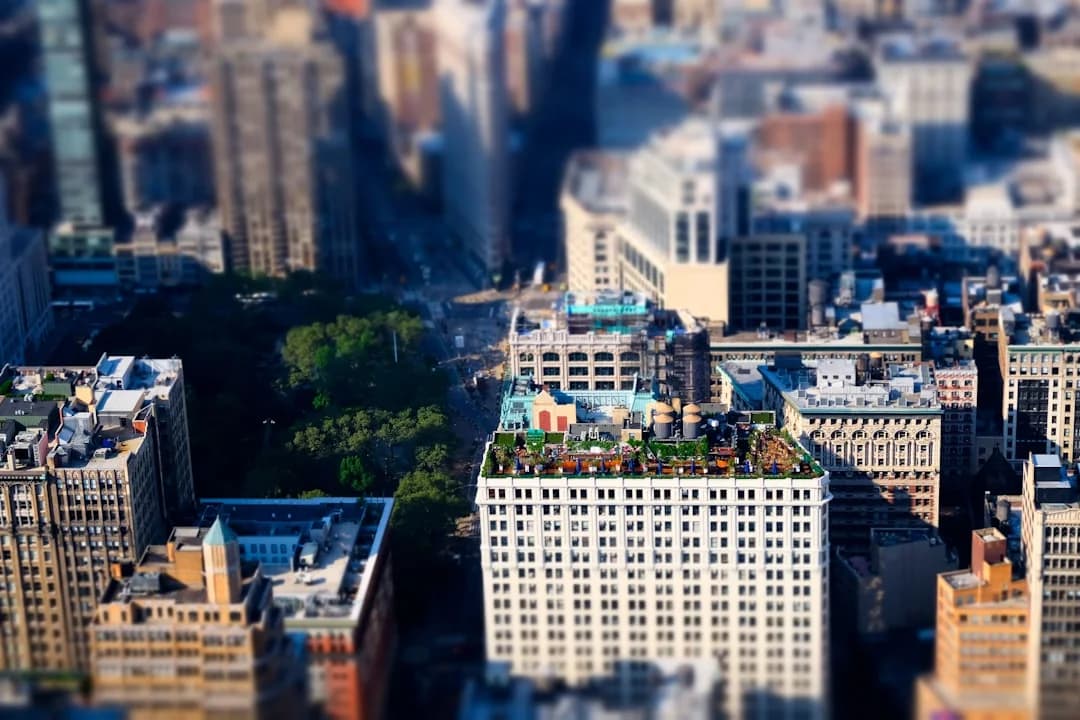
Photo by Taton Moïse on Unsplash
Manhattan rooftop living economy 2026 is unfolding as a defined segment within the broader New York real estate landscape. In the latest market signals, developers, investors, and city planners are increasingly treating rooftop activation as a strategic differentiator rather than a mere amenity. As of early 2026, data point to a steady ramp in rooftop-focused design—ranging from landscaped decks and rooftop pools to convert-to-living-space experiments and service-forward amenities that leverage skyline views as a value driver. The public and private sectors are watching closely because rooftop space, once a scarcity, is becoming a critical touchpoint for demand, pricing, and neighborhood identity. This trend matters not only for developers and landlords but for renters and buyers seeking differentiated experiences in a crowded market, and it sits squarely at the intersection of technology-enabled living, architectural innovation, and policy navigation. The Manhattan rooftop living economy 2026 is not a single project or policy change; it is a sustained movement shaping how people experience density, access outdoor space, and translate views into value. (neiboroughly.com)
New data released in spring 2026 reinforce the urgency of rooftop strategy as a market signal. In Manhattan, market observers report a rebound in activity after a slower 2024–2025 period, with a renewed appetite for high-quality, service-forward residences that emphasize outdoor space. Real-time price data indicate a continued uptick in home values in early 2026, underscoring the premium associated with well-activated rooftops and the broader appeal of rooftop-centric design in a city where outdoor space is at a premium. For example, March 2026 saw Manhattan home prices rise year-over-year, with a median price hovering around $1.3 million and a reported 4.2% YoY increase in pricing, signaling a market that is aligning with the premium placed on rooftop living experiences. This data matters because rooftop-focused features are increasingly translating into perceived and realized value for properties, which in turn influences how developers plan, how brokers market, and how residents compare options. (redfin.com)
The broader context around Manhattan’s rooftop living economy 2026 also includes a clear shift in how multifamily projects are designed and marketed. Industry observers note that rooftop activation has moved from an optional luxury to a defining element of new construction and redevelopment projects. A recent trend briefing highlights that 78% of new urban multifamily projects built between 2024 and 2026 include activated rooftop spaces, up markedly from 34% in 2018. This shift is echoed in market commentary that characterizes rooftop amenities as a core component of the value proposition for both buyers and renters, with implications for pricing standards and competitive dynamics in Manhattan. The data imply that rooftop living is not merely about aesthetics; it’s becoming a practical driver of occupancy, renewal rates, and unit-level rent or price premiums. (neiboroughly.com)
What follows is a structured update for Manhattan rooftop living economy 2026, oriented to readers who need clear, sourced, and actionable information. The piece unfolds in three parts: what happened, why it matters, and what’s next, followed by a concise closing that highlights how to stay informed in a fast-moving space.
What Happened
Announcement Details
- Rooftop activation has become a defining feature in new Manhattan multifamily and mixed-use developments. The latest industry data indicate a widespread incorporation of activated rooftop spaces across major neighborhoods, with a notable shift since 2018. In 2024–2026, 78% of newly completed urban multifamily projects were built with rooftop amenities or spaces designed for outdoor living, compared with 34% in 2018. This marks a near quadrupling of rooftop-focused design and signals a strategic industry pivot toward outdoor-access as a standard feature rather than an optional add-on. The takeaway for 2026: rooftop living is core to new-build value propositions in Manhattan, not a niche embellishment. (neiboroughly.com)
Timeline
- 2018 baseline: About one-third of new urban multifamily projects integrated rooftop spaces (roughly 34%). This baseline helps explain the magnitude of change observed in 2024–2026 as developers prioritized rooftop activation for market differentiation. (neiboroughly.com)
- 2024–2026 window: The share of projects with rooftop spaces rose to 78%, reflecting a broad industry shift toward rooftop living as a primary amenity strategy in Manhattan. The escalation is tied to shifts in consumer preferences, improved rooftop construction techniques, and the growing importance of outdoor experiences in dense urban environments. (neiboroughly.com)
- Early 2026 momentum in the multifamily market: Industry coverage from Commercial Observer and related market analyses points to an early-2026 rebound in NYC multifamily activity, with heightened emphasis on value-added amenities and services, including rooftop programming that can drive demand and pricing. This momentum aligns with a broader pattern of renewed buyer and renter interest as market conditions improve. (commercialobserver.com)
- March 2026 pricing reality: Redfin’s local market data show Manhattan home prices up 4.2% year over year in March 2026, with a median price of roughly $1.3 million. The data illustrate that buyers remain responsive to total-package value, including outdoor access and rooftop amenities, in a climate of tight inventory and steady price growth. (redfin.com)
Key Facts
- Rooftop activation rate in new urban multifamily projects (2024–2026): 78% (up from 34% in 2018). This metric is a broad indicator of how rooftop spaces have become integral to project design and marketing in Manhattan. (neiboroughly.com)
- Manhattan price momentum (Q1 2026 snapshot): Pricing continued to trend upward; March 2026 saw a 4.2% YoY increase with a median home price around $1.3 million. The trend underscores ongoing demand for well-designed, amenity-rich housing in core neighborhoods. (redfin.com)
- Market outlook context: Analysts describe 2026 as an inflection year in Manhattan’s real estate cycle, with early momentum favoring those who act before the crowd and who emphasize service-forward, outdoor-capable living environments. This context helps interpret rooftop living as a value driver rather than a luxury add-on. (commercialobserver.com)
- Neighborhood and development pipeline signals: There is a continuing emphasis on mixed-use and redevelopment projects that leverage rooftop opportunities as a way to refresh older stock and introduce new, density-appropriate outdoor spaces. Market participants anticipate continued investment in rooftop activation through 2026 and into 2027, particularly in high-demand corridors where resilience and sustainability are valued by residents. (manhattanmiami.com)
Why It Matters
Impact on Residents
- Rooftop living experiences are increasingly shaping resident expectations and behavior. The prevalence of activated rooftop spaces in new projects suggests that outdoor access is no longer a bonus feature but a baseline component of a competitive Manhattan rental and ownership product. For residents, rooftop amenities translate into enhanced quality of life—think outdoor lounges, green terraces, and programmed social or wellness events that leverage skyline views. The data point to a market where outdoor access contributes to perceived value, which in turn can influence leasing and purchasing decisions in a city where outdoor space is at a premium. (neiboroughly.com)
- Price signals and premium positioning: The March 2026 pricing data showing a 4.2% YoY increase in a median price context signals a general market willingness to pay for high-quality, outdoor-enabled living spaces. In a market with limited inventory, rooftop features can help distinguish properties and justify premium pricing or accelerated leasing timelines. While rooftop amenities are one factor among many, their contribution to a property’s overall appeal is significant in Manhattan’s dense urban environment. (redfin.com)
Market Dynamics
- The rooftop living economy in Manhattan is observed within a broader rebound narrative for the city’s real estate market in 2026. Market analysts note that the early-2026 cycle favors forward-leaning developers who integrate sophisticated outdoor spaces, services, and tech-enabled amenities that can support safer, more connected, and more enjoyable living environments amid urban density. This context helps explain why rooftop activation is rising as a strategic priority rather than a discretionary design choice. (commercialobserver.com)
- Supply constraints and pricing discipline: The Manhattan market in Q1 2026 shows that inventory remains tight while demand remains robust. With a mix of high-end units and new deliveries, developers who front-load rooftop amenities as part of a comprehensive package may realize faster absorption and potentially stronger price realization. Industry reports and market recaps point to resilient demand for service-forward, amenity-rich living experiences in Manhattan’s core neighborhoods. (bhsusa.com)
Policy and Regulation Context
- While rooftop activation itself is primarily a market-driven phenomenon, broader urban-planning and policy signals influence how rooftops are designed and used. Urban development trends in 2024–2026 show continued attention to density management, rooftop utility for housing, and the role of outdoor spaces in sustainable urban living. City-level data and development-forward analyses indicate that outdoor-enabled design is increasingly embedded in planning discussions and development approvals across Manhattan. The April 2026 economic snapshot and related citywide data provide a backdrop to the rooftop living economy by illustrating how office-to-residential conversion and land-use decisions shape density and space utilization in the city. (edc.nyc)
What’s Next
Near-Term Milestones
- Continued rooftop activation across Manhattan: Analysts expect rooftop spaces to remain a central element of new-build and redevelopment projects, with developers competing on the sophistication of outdoor environments, climate resilience, and service integration. The trajectory is supported by expert predictions that 2026 will see continued buyer and renter engagement as the market stabilizes after the post-pandemic period of adjustment. Expect more projects to roll out rooftop gardens, decks, and amenities as standard features rather than exceptions. (cityrealty.com)
- Pricing and renewal dynamics: As rooftop living becomes more prevalent, valuation discipline in Manhattan is likely to reflect rooftop-enabled premium tiers. In practice, this can manifest as stronger renewal rates, quicker leases for properties with standout rooftop features, and higher price points for units marketed with exclusive outdoor access. These dynamics align with observed market momentum in Q1 2026 and broader price evolution data in Manhattan. (redfin.com)
- Development pipelines and corridor focus: Market-followers anticipate that the 2026 development pipeline continues to emphasize rooftop amenities in high-demand corridors such as Downtown and the midtown-to-uptown axis, where views and access to outdoor space enhance the urban living proposition. Industry observers note that rooftop activation will be a differentiator in crowded markets, driving competition and, in turn, market quality. (manhattanmiami.com)
What to Watch For
- The pace of rooftop-motivated conversions and retrofits in existing properties will be a key signal to watch. If more converted roof decks or rooftop-level living spaces appear in mid-market and luxury segments, it could indicate a market-wide shift toward rooftop-driven value creation rather than niche experimentation. Market analyses and forecasts for 2026 suggest the rooftop living economy 2026 could influence pricing strategies, unit mix, and amenity design across Manhattan. (commercialobserver.com)
- Technology-enabled rooftop living: As with other urban living trends, rooftop amenities increasingly integrate technology to enhance safety, energy efficiency, and user experience. For example, project-level data from 2024–2026 show growing usage of climate-controlled environments, irrigation and energy systems on rooftops, and digital platforms coordinating rooftop events and access. Market coverage and trend briefs highlight these tech-forward elements as part of the rooftop living economy in Manhattan. (neiboroughly.com)
Next Steps and Practical Considerations for Stakeholders
- For builders and developers: Prioritize rooftop activation in project briefs, align with city guidelines on outdoor spaces, and consider climate resilience and maintenance planning to sustain rooftop amenities. Data-driven signals suggest rooftop spaces will remain a differentiator in 2026 and into 2027, with the potential for price and occupancy advantages where rooftop design is robust and well-integrated with overall building services. (neiboroughly.com)
- For buyers and renters: When evaluating Manhattan properties in 2026, consider how rooftop features align with lifestyle needs, including outdoor recreation, social space, and potential wellness programming. The market trajectory indicates that properties with strong rooftop offerings may deliver not only lifestyle benefits but also potential premium value and stronger long-term resilience in a fluctuating market. (redfin.com)
- For policymakers and city planners: Understand the rooftop living economy 2026 as part of a broader urban-density strategy that values outdoor space, energy efficiency, and climate resilience. While rooftop activations alone cannot solve affordable-housing challenges, they contribute to the overall livability and market dynamics that influence housing supply, demand, and neighborhood character. Ongoing urban data and policy analysis will help guide balanced approaches to rooftop design and access in Manhattan. (edc.nyc)
Closing
Manhattan rooftop living economy 2026 stands at the intersection of design, market dynamics, and resident experience. The data indicate a city increasingly oriented toward outdoor-enabled living environments, with rooftop spaces moving from optional perks to essential components of new and revitalized housing stock. The trend is reinforced by price signals and market momentum in early 2026, signaling that rooftop activation is closely tied to value creation in Manhattan’s high-demand real estate landscape. For readers and stakeholders who want to stay ahead, tracking rooftop-centric developments, policy updates, and market indicators will be critical in the months ahead as the Manhattan rooftop living economy 2026 continues to evolve.
Stay tuned to Manhattan Monday for ongoing coverage of rooftop innovation, market shifts, and the ways technology and design are shaping the next era of city living. In the meantime, monitoring project announcements, development pipelines, and price movements will provide practical insight into how rooftop living is redefining value in Manhattan’s real estate market.