Manhattan Real Estate Deals 2026 Neighborhood Development

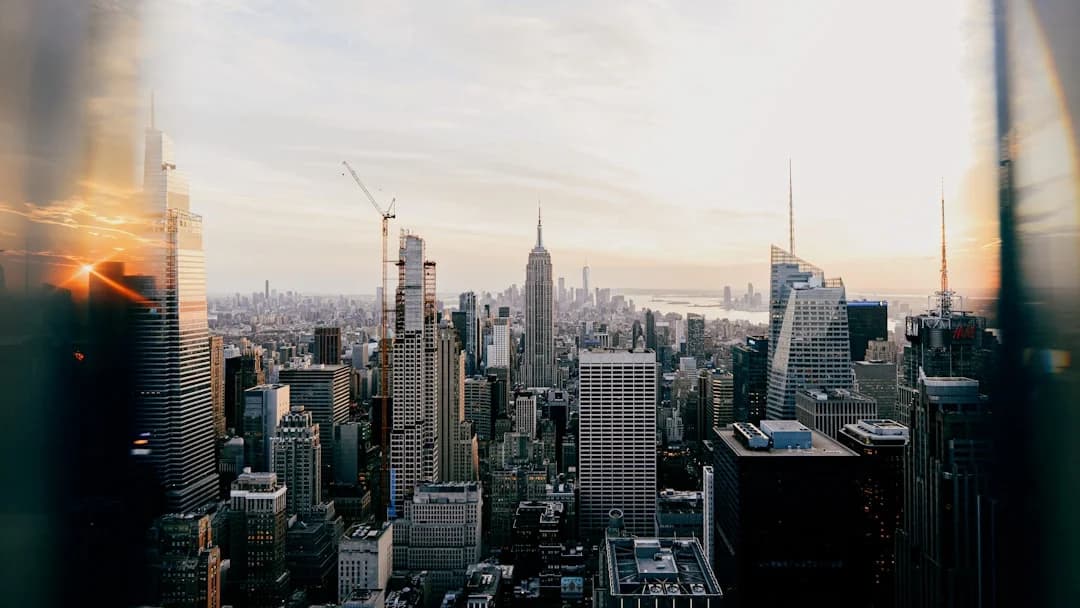
Manhattan real estate deals 2026 neighborhood development are unfolding as a defining chapter for the year, with a mix of high-profile corporate commitments, luxury residential activity, and strategic conversions reshaping the skyline and streetscape. As of late February 2026, downtown Manhattan stands at the center of a broad wave of investment, driven by anchor tenants, policy-driven development incentives, and continued appetite for trophy assets across Midtown and the Financial District. This market dynamic matters because the decisions in 2026 will influence rents, employment hubs, and neighborhood character for years to come. For readers tracking the latest in Manhattan real estate deals 2026 neighborhood development, the headlines point to a data-driven narrative: a marquee corporate move at the World Trade Center site, record-setting luxury sales, and significant stakes changing hands in coveted Upper East Side and NoHo corridors. (apnews.com)
In a year when developers, investors, and tenants are recalibrating post-pandemic space needs, the city’s orbit remains a magnet for capital. The emergence of American Express’s global headquarters at 2 World Trade Center—anchoring what will be the final tower on the World Trade Center campus—constitutes a milestone that signals confidence in Lower Manhattan’s long-term vitality. The project, expected to begin construction in spring 2026 and deliver roughly two million square feet of space across 55 stories by 2031, is among the most consequential Manhattan real estate deals 2026 neighborhood development has seen to date. The economic and employment impact, together with the project’s scale, is expected to ripple through adjacent districts and beyond. (apnews.com)
The luxury segment is also signaling strength, even as the overall market recalibrates. A duplex penthouse at 1122 Madison Avenue, on Manhattan’s Upper East Side, was reported as being in contract for its full $89.5 million asking price, underscoring ongoing demand for premium product in established neighborhoods. The unit’s size, finishes, and Central Park-adjacent setting highlight a continuing appetite for trophy homes that can anchor neighborhood branding and price-setting expectations for the broader market. While the macro environment remains nuanced, this deal illustrates how high-end residential activity remains a bellwether for confidence in Manhattan’s real estate cycles. (wsj.com)
At the same time, active investment in the Upper East Side and adjacent corridors underscores the continuing appeal of well-located assets with stabilized income and potential value-add opportunities. RXR’s purchase of roughly a 45% stake in 265 East 66th Street and 20 nearby townhouses—valued at about $435 million—highlights lender- and sponsor-led strategies that seek to harvest scale, amenity upgrades, and ongoing demand for premium rentals in a tight market. The deal, handled by a Newmark team led by Adam Spies and Adam Doneger, reflects a broader pattern of large players expanding stakes in established luxury rental corridors. (archive.ph)
On the development front, Naftali Group’s acquisition of 800 Fifth Avenue for $810 million marks a high-profile bet on a flagship Midtown site, signaling continued investor interest in ground-up condo development at premium price points. That transaction, alongside 75-83 Nassau Street’s sale for roughly $53 million in a Financial District location vested under the 421a program, illustrates how developers are leveraging tax incentives, rezonings, and selective supply constraints to pursue profitable, scaleable projects in Manhattan. These deals help explain why Manhattan real estate deals 2026 neighborhood development reads like a mosaic of parcel-by-parcel value creation across the city. (forbes.com)
Section 1: What Happened
Anchor corporate redevelopment and flagship towers
AmEx to anchor 2 World Trade Center
In the most consequential downtown development announced in 2026, American Express disclosed plans to build and occupy 2 World Trade Center, a 55-story, nearly two-million-square-foot tower at 200 Greenwich Street. The project, to be developed by Silverstein Properties on Port Authority land under a long-term ground lease, is scheduled to begin construction in spring 2026 and is expected to open in 2031. Foster + Partners is the design architect, and the building is intended to be fully electric with LEED aspirations. This move completes the original post-9/11 master plan’s final tower and is projected to generate thousands of construction and permanent jobs, providing a strong signal of the downtown office and technology ecosystem’s resilience. (wsj.com)
Downtown momentum and spillovers
The AmEx decision sits within a broader downtown momentum that includes ongoing efforts to rehabilitate and repurpose office assets for mixed use, leveraging incentives and rezonings that encourage transformative redevelopment. Media, policy, and city leadership commentary emphasize the downtown corridor as a hub for innovation and employment, with the 2WTC project acting as a pivotal anchor for surrounding real estate initiatives and submarket stabilization. (governor.ny.gov)
Ultra-luxury residential activity and marquee sales
89.5 million penthouse showing strength

Photo by Far Chinberdiev on Unsplash
The Upper East Side’s high-end market posted a notable milestone as a duplex penthouse at 1122 Madison Avenue moved toward finalizing an $89.5 million contract. The scale and location of this offering reflect a continued willingness among ultra-wealthy buyers to anchor neighborhood identities with space and Central Park views. While luxury markets can be sensitive to macro shifts, the pace of contracts in this tier underscores ongoing confidence in prime Manhattan product. Completion timelines for individual mega-units may extend into 2027, depending on builder schedules and financing arrangements. (wsj.com)
The Billionaires’ Row dynamic and newer completions
Beyond the Madison Avenue unit, other notable luxury narratives are taking shape in the same period. For example, a listing and market activity around units at Billionaires’ Row continue to influence buyer expectations for super-luxury new construction, even as financing and regulatory environments evolve. Market observers point to the interplay between scarce supply of super-premium units and persistent demand from global buyers seeking trophy properties in Manhattan. (Context-type reference; ongoing market coverage includes related luxury transactions in early 2026.) (archive.ph)
Strategic acquisitions and stake-shifts in prime corridors
Upper East Side and NoHo/SoHo activity
RXR’s stake acquisition in the Upper East Side project cluster—265 East 66th Street and 20 nearby townhomes—illustrates a strategy of pairing stabilized rental properties with value-add opportunities in one of Manhattan’s strongest luxury rental belts. The deal’s size and structure highlight how major operators are building scale to compete for premium tenants, while lenders and sponsors look for efficient capital deployment in a tight rental market. (archive.ph)
In a related NoHo/SoHo context, robust investment activity persisted in lower Manhattan’s cross-town corridors, with notable sale activity at 680 Broadway in NoHo and a sizeable SoHo retail/office acquisition by major players. The NoHo/Broadway corridor has become a focal point for investors seeking to capitalize on the district’s mix of historic architecture, walkable culture, and evolving residential mix. Market reports in early 2026 show ongoing transactions that reinforce the submarket’s appeal to a blend of developers, private equity firms, and REITs. (fnyr.com)
Ground-up and redevelopment plays in premium districts
The Naftali Group’s purchase of 800 Fifth Avenue for $810 million signals a bold Midtown investment in a marquee condo development, further emphasizing the scale at which developers are pursuing new-build opportunities in prime wraps around Fifth Avenue. Separately, the Financial District saw activity around 75-83 Nassau Street, a development site tied to tax programs and city incentives that are designed to spur new construction while offering a pathway to affordable and market-rate housing. Taken together, these transactions illustrate how investors are placing large bets on sites with proven market demand, strong submarket dynamics, and favorable policy mechanics. (forbes.com)
Office-to-residential conversions and policy-driven development
The broader development surge and policy alignment

Photo by Zoshua Colah on Unsplash
Forbes’ coverage of Manhattan’s development surge attributes a substantial share of 2025–2026 activity to a policy environment that supports condo development, new rental projects, and office-to-residential conversions. The analysis highlights approximately $3.97 billion in development sales and more than 11.2 million buildable square feet of rental development activity, underscoring a market where incentives, rezonings, and 421a-type programs help unlock new housing and mixed-use assets. While figures vary by quarter and submarket, the trajectory is clear: policy alignment is enabling a multi-faceted development push across Manhattan. (forbes.com)
Notable conversions and tax incentive dynamics
The 421a-era incentives and related policy mechanisms have left a lasting imprint on the city’s development landscape, with several notable projects leveraging tax abatements and city programs to convert office assets into residential or mixed-use towers. The ongoing activity around assets such as TF Cornerstone’s ground lease at 135 East 57th Street and Vanbarton Group’s planned conversion of 6 East 43rd Street into hundreds of rental units illustrate the scale of office-to-residential activity and the role of incentives in guiding project economics. These patterns are referenced in market analyses that track the evolution of Manhattan’s housing and office markets in 2025–2026. (forbes.com)
What the numbers say about market breadth
Market watchers point to a two-track reality in Manhattan: a buoyant luxury segment and a robust development pipeline, alongside a still-tight overall housing and office market that constrains supply. The luxury segment has shown resilience with high-dollar contracts and ongoing demand for trophy assets, while the development wave—anchored in places like Nassau Street, Fifth Avenue, and the World Trade Center complex—illustrates the city’s continued appeal to institutional buyers and global capital. The overall narrative for Manhattan real estate deals 2026 neighborhood development is one of cautious optimism, with a diverse set of assets under active consideration and a longer horizon for major projects to come online. (forbes.com)
Section 2: Why It Matters
Strategic implications for neighborhoods and markets
Downtown resilience and employment ecosystems

Photo by Andreas M on Unsplash
The AmEx move to 2 World Trade Center is a cornerstone event that is expected to reinforce Lower Manhattan as a dominant business and innovation hub. The project’s size, anchor tenant status, and expected job creation are likely to underpin a more active daytime population in the Financial District, spurring ancillary retail, hospitality, and transit-oriented development. This kind of anchor development typically catalyzes surrounding real estate activity, affecting nearby office leasing, residential demand, and municipal infrastructure planning. In the context of Manhattan real estate deals 2026 neighborhood development, the downtown y-axis appears to be a critical driver of broader market tone. (apnews.com)
Luxury and prestige as a market signal
The $89.5 million Madison Avenue penthouse deal signals that even in a complex macro environment, the city’s top-tier product can command premium pricing and attract global attention. Such transactions help set price benchmarks for nearby neighborhoods, influence construction quality expectations, and shape buyer willingness to pursue large-scale, design-forward projects. This dynamic matters for developers, lenders, and policymakers who weigh incentives and rezonings as levers to sustain a diverse yet high-caliber housing stock. (wsj.com)
Policy timing and development economics
The 421a-era and related policy framework—along with new tax incentives and city programs—continues to influence development economics in Manhattan. As developers pursue condo projects, ground leases, and office-to-residential conversions, policy design and timing will remain a critical variable in deal flow, pricing, and site selection. Analysts point to a multi-year horizon for the full impact of these policy-driven dynamics, with 2025–2026 representing a transitional period in which players test the boundaries of value creation in a constrained supply environment. (forbes.com)
Who is affected and how
Investors and developers
Large-scale investors and developers, including Naftali Group, Extell, TF Cornerstone, and RXR, are actively deploying capital across a mix of ground-up development and value-add acquisitions. The scale of these bets—ranging from $810 million for 800 Fifth Avenue to tens of millions for smaller but strategic redevelopment sites—indicates that institutions view Manhattan as a long-duration growth engine with pricing power in select submarkets. The ongoing financing activity, lender partnerships, and equity syndications signal a mature market where sophisticated capital structures are increasingly common. (forbes.com)
Tenants and residents
For tenants, both office and residential markets are evolving. The downtown anchor project and surrounding development activity have the potential to influence leasing dynamics, commute patterns, and live-work options. While corporate tenants like AmEx are committing to long-term occupancy in new structures, residents in nearby neighborhoods may benefit from upgraded amenities, improved streetscapes, and a more vibrant retail mix. Market data from 2025–2026 shows ongoing leasing activity in Class A offices and premium multifamily assets, underscoring a broad-based demand for high-quality space in Manhattan’s core submarkets. (therealdeal.com)
Policy and civic stakeholders
City programs, rezonings, and tax incentives continue to play a central role in shaping what gets built and when. Analysts highlight the importance of policy alignment in unlocking development surges, especially for projects aimed at increasing housing stock while supporting the city’s economic backbone. As the 2 World Trade Center project moves forward, policymakers and civic groups will be watching how the development interacts with transit upgrades, public realm enhancements, and neighborhood impacts. (forbes.com)
Section 3: What’s Next
Near-term milestones and longer-term outlook
2026–2027: Construction starts and early completions
- Spring 2026: Groundbreaking activity intensifies for 2 World Trade Center as American Express commits to anchor the campus. The project is slated for completion in 2031, and initial construction momentum is expected to shape Downtown Manhattan’s employment and tax revenue profile over the next half-decade. (governor.ny.gov)
- 2026–2027: Premium residential pipelines reach critical mass in neighborhoods like the Upper East Side and NoHo/SoHo, with high-end units moving toward contracts and closings as construction ramps up in planned towers and conversions. The Madison Avenue market signals further pricing resilience, while other luxury projects refine design details and amenity packages in response to buyer demand. (wsj.com)
2028–2031: Delivery timelines and market readjustments
- 2031: Expected completion of 2 World Trade Center, with AmEx occupying the tower and integrating new workflows, workplace design, and sustainability features into the Lower Manhattan ecosystem. The project will be one of the city’s defining construction milestones and will likely influence surrounding development activity for years. (wsj.com)
- 2031 and beyond: Ongoing monitoring of office-to-residential conversions and tax-incentive programs as more office assets transition, with potential implications for rent growth, vacancy rates, and neighborhood character in districts like Midtown and the Financial District. Market observers will be watching for the balance between new supply and demand in both luxury and mid-range segments. (forbes.com)
Key indicators to watch
- Rents and occupancy: With a tight market for Class A assets and ongoing demand in luxury residential, readers should track monthly leasing data, rent per square foot, and occupancy rates by submarket to gauge momentum in 2026 and 2027. Industry reports and brokerage closeouts will be essential for interpreting shifts in pricing power. (therealdeal.com)
- Development pipeline: The volume of ground-up projects and conversions in core districts (FiDi, Midtown, Upper East Side, SoHo/NoHo) will help determine the pace of new supply entering the market, which in turn informs pricing and investment strategy. Major transactions like 800 Fifth Avenue and 75-83 Nassau Street show a willingness to deploy capital across a spectrum of development types. (forbes.com)
- Policy landscape: Changes to tax incentives, zoning rules, and City of Yes initiatives will continue to shape project feasibility and the pace of approvals. Analysts will remain attentive to any shifts in 421a-era programs and allied policies as they influence the cost structure and timelines of Manhattan real estate deals 2026 neighborhood development. (forbes.com)
Closing
Manhattan real estate deals 2026 neighborhood development reflect a city negotiating the tension between premium demand and limited supply, while policymakers, developers, and tenants navigate a shifting macro landscape. The AmEx-backed 2 World Trade Center signals downtown’s enduring magnetism and potential for multiplier effects across the district’s retail, transit, and residential ecosystems. At the same time, trophy luxury sales, large stake acquisitions, and strategic conversions demonstrate that investors remain confident in Manhattan’s ability to attract global capital and deliver value across a range of asset types.
As the year progresses, readers should stay tuned to ongoing announcements from AmEx and Silverstein Properties, monitor the pace of luxury condo closings on Madison Avenue, and watch for new development filings and lease activity in NoHo, SoHo, and the Upper East Side. With a combination of anchor tenants, high-end housing, and policy-supported development, Manhattan’s real estate market remains one of the most data-driven and consequential segments in the global urban landscape. For ongoing updates on Manhattan real estate deals 2026 neighborhood development, follow major industry outlets and local coverage from Crain’s New York Business, The Wall Street Journal, and Forbes, which together provide a comprehensive view of market-moving transactions and policy-driven opportunities. (apnews.com)