Manhattan real estate and arts scene 2026: Data Watch
A data-driven update on Manhattan real estate and arts scene 2026, tracing market trends, gallery openings, and cultural investment.
 By
By 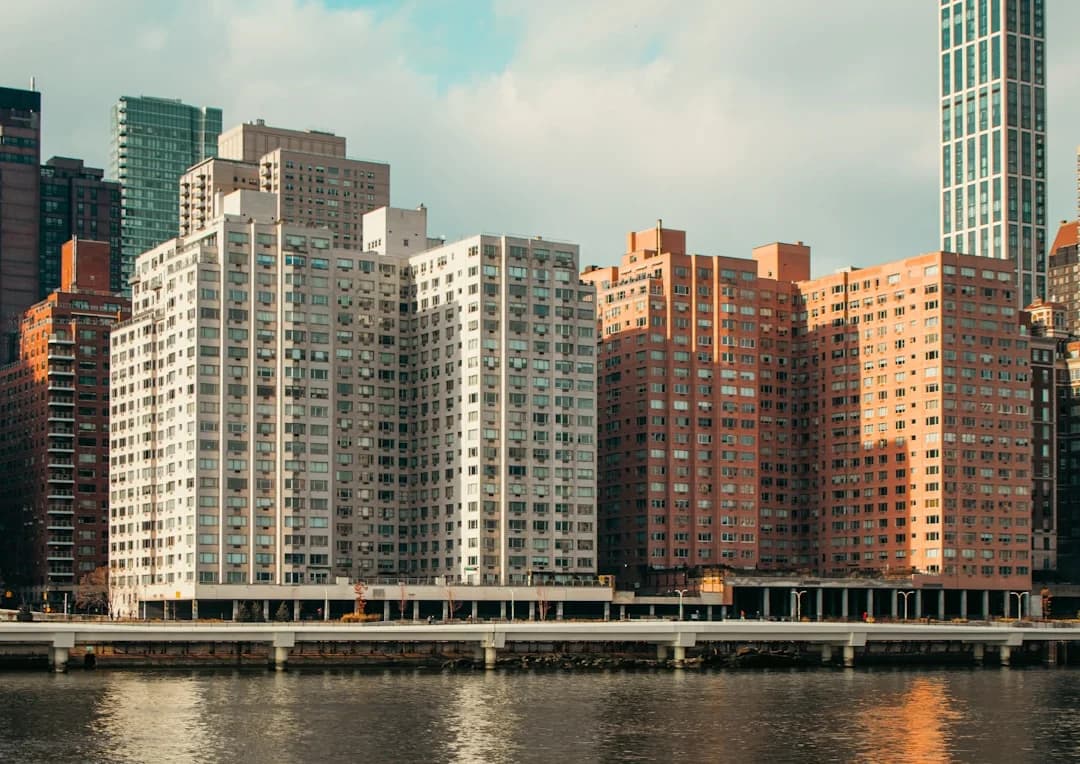
Manhattan real estate and arts scene 2026 is unfolding as a data-driven story of resilience and opportunity. As of February 22, 2026, Wall Street’s return to form and the city’s post-pandemic cultural rebound are intertwining in ways that affect buyers, tenants, investors, gallery operators, and institutions alike. A string of high-profile luxury deals, a renewed office market, and major art happenings in Manhattan signal that buyers and institutions are recalibrating risk, liquidity, and timelines in a city that remains a global anchor for both finance and culture. This report maps the moment, with a focus on verifiable numbers, dates, and upcoming milestones that readers can track through the year. The Manhattan real estate and arts scene 2026 is not a single event, but a continuing wave of activity that hybridizes real estate fundamentals with the city’s living, breathing arts ecosystem. (wsj.com)
What Happened
Major luxury sale signals a market tested by limits and demand
In early 2026, Manhattan’s luxury market carried forward a remarkable tempo from the prior year. A penthouse at 1122 Madison Avenue on the Upper East Side entered contract for $89.5 million, an amount that would position it among the city’s most expensive deals of 2026 to date. The development is a high-profile example of a broader luxury push in Manhattan, where trophy properties continue to command headline prices even as the overall market seeks balance. The sale signals that ultra-high-net-worth buyers remain active in core neighborhoods, even as financing conditions and market volatility temper some segments. The property includes approximately 9,350 square feet of interior space with substantial outdoor areas and a substantial amenity package, underscoring how developers are differentiating product in a crowded luxury market. This particular transaction illustrates ongoing demand for scale, privacy, and iconic views in long-established luxury corridors. (wsj.com)
Arts calendar accelerates with marquee exhibitions and institutional programs
The Manhattan arts ecosystem is anchored by major institutions and a calendar that increasingly threads through real estate cycles. The Whitney Biennial, the longest-running survey of American art, is scheduled to open on March 8, 2026, at the Whitney Museum, with previews for members March 4–7. The 82nd edition will feature 56 artists, collectives, and duos, exploring relationality, technology, geopolitics, and social issues through immersive environments. This event is expected to draw large crowds, with ancillary gallery openings, talks, and parallel exhibitions around the city. In tandem, The Brant Foundation is mounting a focused Keith Haring exhibition in its East Village space from March 11 through May 31, 2026, revisiting Haring’s early work and public-facing activism. The combination of these shows—along with new gallery openings and public programs—points to a year in which cultural investment and market activity reinforce each other. Whitney Biennial details and Brant Foundation programming are publicly listed by the institutions. (whitney.org)
Nearby aesthetics and new gallery spaces fuel neighborhood dynamics
New gallery spaces and design-forward venues are reshaping how neighborhoods perform for both investors and residents. The opening of The Wang Contemporary in Manhattan’s Chinatown area marked a notable entry into the city’s art infrastructure, signaling a broader push to diversify representations within the arts and culture economy. Vogue’s coverage of the Wang Contemporary’s opening during Lunar New Year highlights how new cultural spaces can become anchors for local development, tourism, and cross-disciplinary programming. These openings align with a broader trend of cultural institutions expanding into transit-accessible neighborhoods, which has implications for price dynamics, foot traffic, and the value of nearby real estate. (vogue.com)
Market context: 2025 momentum informs 2026 expectations
Market observers point to 2025 as a turning point that sets the stage for 2026. Ariel Property Advisors’ year-end Manhattan report shows total dollar volume reaching $22.77 billion in 2025, a 45% rise from 2024, with the office sector leading activity and a robust calendar of large transactions in the second half of the year. Office leasing activity expanded markedly, with total leasing volume near 42 million square feet for the year and a drop in availability to the mid-teens as year-end results consolidated. This backdrop supports a cautious but constructive stance for 2026, especially in Class A assets and trophy properties where owners and lenders have demonstrated a willingness to finance large clubs of capital. The data also suggest that New York’s submarkets continued to diverge in performance, with pockets of strength outside the traditional apex corridors. (forbes.com)
Contextualizing with broader market data
To situate Manhattan within the larger New York City market, 2024 investment sales were led by Midtown East, which claimed about 39.5% of total volume, while Downtown West / Midtown West accounted for a relatively small share. The 2024 overview underscores the city’s uneven, submarket-specific recovery pattern—one that real estate professionals say is likely to continue into 2025 and 2026, with the potential for selective outperformance in areas with strong infrastructure, transit access, and development pipelines. This context helps readers understand why a single high-dollar deal can reverberate through adjacent neighborhoods and influence investor sentiment citywide. (therealdeal.com)
January 2026 market snapshot: demand, supply, and pricing signals
A January 2026 market update from Howard Hanna NYC provides a snapshot of current dynamics: Manhattan began the year with a tight supply environment, a healthy pace of demand, and pricing that appears balanced rather than overheated. Key takeaways included strong December contract activity (around 820 signed deals in December 2025), a shrinking active inventory (roughly 4,967 listings), a median sale price around $1.17 million, and mortgage rates hovering around the 6% mark. These data points illustrate a market where priced appropriately listings continue to transact efficiently, while investors and owner-occupants alike watch for macroeconomic cues that could alter consumer financing conditions later in 2026. (howardhannanyc.com)
Benchmarking the broader arts-and-real-estate synergy
The convergence of marquee arts events and high-end real estate transactions is not coincidental; it’s a pattern observed in global cities where cultural capital and real estate value reinforce one another. The Whitney Biennial’s March opening, the Brant Foundation’s Keith Haring show, and the emergence of new arts venues like The Wang Contemporary contribute to heightened cultural gravity in Manhattan. This gravity can influence nearby property values, drive foot traffic to retail and hospitality corridors, and attract a class of new buyers seeking an integrated urban lifestyle that blends living, working, and culture. The impact is nuanced, context-dependent, and best understood through neighborhood-level data, cross-referenced with macro indicators from reputable market analysts. (whitney.org)
Why It Matters
The interplay between market fundamentals and cultural capital

Photo by Frolicsome Fairy on Unsplash
Manhattan’s recovery from the ebbs and flows of the past few years appears to be driven by a synergy between real estate fundamentals and cultural capital. Tight supply, selective pricing, and demand from high-net-worth buyers combine with a robust calendar of arts events that draw both locals and international visitors. The luxury segment continues to push price perception and transactional velocity, while the broader market tests price resistance in mid-market and entry-level segments. Analysts point to a gradual normalization rather than a rapid surge, with late-2026 expectations for rate relief and improved consumer financing potentially unlocking pent-up demand. This dual lens—real estate metrics and arts-driven foot traffic—offers a balanced view of the city’s economic health. (wsj.com)
Neighborhood dynamics: who benefits and who bears risk
Neighborhood-level data suggest that not all districts will perform equally in 2026. Midtown and central business districts may benefit from renewed corporate activity and office leasing momentum, while transit-oriented residential neighborhoods with strong schools and amenity ecosystems may outperform in terms of price stability and long-term value retention. The January 2026 numbers show price stabilization rather than runaway appreciation, implying that buyers will reward price discipline and value, not just location alone. In the arts sphere, the proximity of galleries, museums, and performance venues to residential cores can create a virtuous cycle where cultural offerings support demand for nearby homes and convert cultural assets into tangible value for property owners. (howardhannanyc.com)
The role of major cultural institutions in real estate narratives
Major institutions such as the Whitney Museum and Brant Foundation act as anchors for neighborhoods, attracting visitors, and supporting ancillary development. The Whitney Biennial’s national significance attracts press coverage, tourism, and a flux of gallery openings, while the Brant Foundation’s Keith Haring show adds depth to Downtown Manhattan’s cultural identity. Together, these events contribute to a city-wide narrative about Manhattan as a living gallery and marketplace, where art and real estate are not separate sectors but intertwined components of a holistic urban economy. This narrative has real-world implications for developers, investors, and policymakers considering tax policies, transit investments, and zoning that can either reinforce or dampen the city’s cultural and economic engine. (whitney.org)
Economic and policy context shaping the year ahead
Market observers also watch for policy developments that could influence Manhattan’s trajectory, including property tax proposals and capital markets conditions. For example, market commentary around tax policy and municipal incentives can alter cap rates, debt financing terms, and investment velocity for large office and mixed-use assets. While policy is only one of many factors, it has the potential to modify the risk-reward calculus for large-scale acquisitions and development pipelines in 2026. Readers should track local reporting and official city announcements as the year unfolds. (barrons.com)
Arts-culture-driven demand signals beyond New York
Manhattan’s arts ecosystem is increasingly a magnet for international buyers seeking lifestyle-oriented investments. The combination of marquee exhibitions, high-profile gallery openings, and cultural institutions that attract global visitors helps explain why some luxury properties have retained premium pricing even amid broader market volatility. The Wang Contemporary’s opening underscores the city’s ongoing push to broaden the cultural economy, which could have a cascading effect on nearby real estate demand, amenity development, and the profile of neighborhoods that previously depended more on finance-driven activity. (vogue.com)
What's Next
Near-term milestones to watch
The upcoming weeks and months feature several high-impact events that will shape the market narrative:
- Whitney Biennial 2026 opens March 8, with member previews March 4–7. The event is expected to generate substantial museum traffic, supplementing nearby gallery openings and hospitality activity. (whitney.org)
- Keith Haring exhibition at The Brant Foundation runs March 11 to May 31, 2026, in the East Village. This show complements the Biennial by drawing broader audiences to lower Manhattan’s cultural circuit, potentially boosting demand for nearby residences and commercial spaces. (brantfoundation.org)
- The Wang Contemporary opens in Chinatown during Lunar New Year, signaling continued expansion of Manhattan’s cultural infrastructure into diverse neighborhoods that have historically been underrepresented in the city’s arts economy. The opening is part of a broader trend toward diversified cultural venues that anchor neighborhood development. (vogue.com)
Medium-term considerations: 2026 dynamics and market balance
Citywide market participants anticipate a more active, balanced year, with a possible easing in interest rates and a rebound in sales volumes by late 2026. CityRealty’s expert predictions underscore a cautiously optimistic view: 2026 could mark the first true rebound year for NYC real estate, with renewed buyer activity, healthier absorption, and a modest price uptick driven by luxury and new development. The timing of rate relief—especially if the federal funds rate drifts toward the low-6% range by late 2026—could unlock pent-up demand and extend the market’s recovery into 2027. Investors should monitor rate trends, inventory levels, and growth in high-quality assets that can sustain value in the face of cyclical shifts. (cityrealty.com)
What buyers, sellers, and institutions should watch
For buyers and sellers, the key signals are pricing discipline, inventory dynamics, and macroeconomic conditions. With median prices and PPSF showing resilience but not overheating, marketers should emphasize value propositions rooted in quality construction, prime locations, and access to world-class cultural amenities. For institutions and developers, the interplay between office-market momentum and the arts economy could justify selective development in trophy assets and mixed-use projects that leverage cultural programming as a differentiator. For arts organizations, aligning exhibition calendars with neighborhood growth trajectories can amplify visitor engagement and philanthropic support, reinforcing a virtuous cycle of cultural currency and real estate demand. (howardhannanyc.com)
Timeline and next steps
- February–March 2026: Whitney Biennial opens; gallery exhibitions and related programming intensify across Manhattan’s gallery corridors (SoHo, Tribeca, the Lower East Side). Expect elevated visitor traffic and cross-pollination between museum-goers and art-adjacent real estate interest. (whitney.org)
- March–May 2026: Keith Haring show at The Brant Foundation adds to the East Village’s cultural calendar, potentially driving hospitality demand and residential interest in nearby neighborhoods. (brantfoundation.org)
- Q2–Q3 2026: The luxury market continues to test pricing in trophy segments, while mid-market segments consolidate gains from 2025’s rebound. Investors will assess rate movements and new supply in select submarkets as cap rates recalibrate. (wsj.com)
- Late 2026: Market observers expect continued recovery momentum, with a watchful eye on rate trajectories and infrastructure investments that could support a more robust ecosystem for both real estate and the arts. (cityrealty.com)
Closing
Manhattan real estate and arts scene 2026 is shaping up as a dual narrative of market discipline and cultural dynamism. The city’s luxury and trophy sectors are signaling confidence through record-setting transactions, while the arts calendar—led by the Whitney Biennial and marquee gallery programs—continues to enrich the urban experience and attract new capital. As the year unfolds, readers should stay attuned to rate developments, inventory movements, and the scheduling of art-events that can translate cultural momentum into lasting real estate value. For ongoing updates, watch official institution calendars, major brokerage market updates, and credible market analyses that track how these interwoven sectors evolve.

Photo by Victor He on Unsplash
To stay informed, monitor:
- Official Whitney Biennial 2026 communications for exhibition details and visitor trends. (whitney.org)
- The Brant Foundation’s Keith Haring exhibition page for dates, tickets, and programming. (brantfoundation.org)
- Market-data providers and reputable outlets reporting on 2025 performance and 2026 outlook, including luxury deals and office-market momentum. (forbes.com)