Manhattan Pop-up Culture and Micro-dining 2026: Data Update

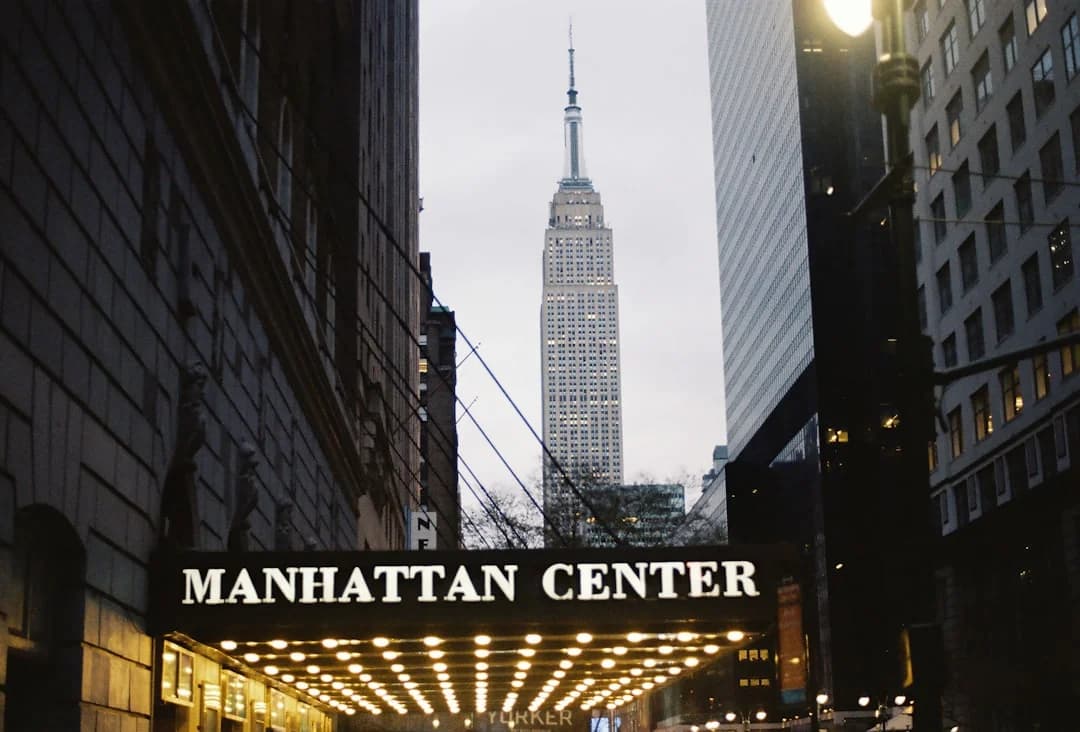
Photo by Pedro Farto on Unsplash
Manhattan is undergoing a notable shift in dining culture in 2026, where temporary pop-up concepts and micro-dining experiences are proliferating across neighborhoods, driven by consumer demand for experiential dining and value alongside a tightened dining-out budget. In a year already characterized by rapid openings and relocations, data collected by Manhattan Monday highlights a pattern: pop-up formats and micro-dining pop-ups are no longer fringe experiments but increasingly central to the city’s food scene. The phenomenon is unfolding in real time within Manhattan itself, with new openings in March 2026 and a steady drumbeat of temporary concepts rotating through the borough and neighboring districts. This market dynamic matters because it signals how tech-enabled operations, city zoning, labor costs, and consumer psychology interact to reshape where and how people dine. The attention of investors, operators, and diners is rising, and the data suggests 2026 could redefine neighborhood dining identity in ways that persist beyond a single season. Manhattan pop-up culture and micro-dining 2026 is a phrase you’re going to hear more often as critics, analysts, and city planners watch how these temporary experiments influence permanent restaurants and the broader hospitality economy. (ny.eater.com)
The broader context for Manhattan pop-up culture and micro-dining 2026 comes from multiple sources tracking NYC’s pop-up activity, immersive dining experiments, and shifts in consumer expectations. Industry observers have noted a sharp uptick in pop-up visibility, collaboration-driven concepts, and temporary spaces across Manhattan, Brooklyn, and Queens, with awards and year-end roundups underscoring the sector’s momentum in 2026. For readers tracking the story, major outlets have documented both the proliferation of pop-ups and the persistence of micro-dining formats as a response to economic and cultural drivers. In short, Manhattan pop-up culture and micro-dining 2026 matters not only for restaurant operators but for neighborhood ecosystems, real estate usage, and how residents and visitors experience food and culture in the city. (timeout.com)
Section 1: What Happened
Announcement and timeline (### Timeline) March 2026 proved a pivotal moment for Manhattan pop-up culture and micro-dining 2026 as numerous Concepts opened or expanded within the borough, signaling a broader push toward temporary or semipermanent experiential dining. Eater NY’s March 2026 openings guide tracks a wave of new venues across Manhattan, with multiple openings and reconfigurations noted in mid-to-late March. Notable entries included the debut of Bar Rocco, a Midtown Italian American brasserie by Dean DiSpirito, in the Kimpton Era Midtown hotel, offering a menu described as a modern take on classic Italian favorites, and Estelle’s in the Meatpacking District, a contemporary American concept with a large dining room and private spaces. The coverage also highlights a speakeasy-style bar concept, Highball Ltd., placing pop-up-like energy into a formal venue environment and signaling how temporary vibes are increasingly integrated into brick-and-mortar footprints. These openings illustrate a concrete, date-stamped moment for Manhattan pop-up culture and micro-dining 2026 as operators use temporary or hybrid formats to test concepts in dense, high-visibility locales. (ny.eater.com)
Key players and venues (### Notable pop-ups and micro-dining concepts) Beyond the marquee openings, the year’s pop-up ecosystem features recognized names and emergent projects that have defined 2026 in Manhattan and the tri-borough area. The Timeout piece on NYC pop-ups and the 8it Awards coverage highlight specific concepts shaping the year: M’Maht, Pauline Buth’s Cambodian project, was named Best New Pop-Up for 2026 in the 8it Awards, underscoring how small, mission-driven concepts can achieve high visibility and influence the city’s dining map. Bong, another Cambodian-focused pop-up, received recognition for its evolution toward a more permanent restaurant concept, signaling how temporary spaces can seed lasting institutions within Manhattan and its environs. The awards and coverage also emphasize that pop-ups are not isolated experiments but integral to a dynamic, award-driven ecosystem that values collaboration and rapid experimentation. The trend is described as “rotation across Manhattan, Brooklyn, and Queens,” underscoring the citywide nature of the phenomenon and its potential to redefine neighborhood dining identities through short-run experiences. (timeout.com)
Tech-enabled experiences and micro-dining evolution (### Tech-driven experiences) Industry observers point to a growing integration of technology and experience design within Manhattan pop-up culture and micro-dining 2026. McKinsey’s latest consumer research on restaurant trends in 2026 highlights a shift toward experiences that combine value, storytelling, and personalized engagement—elements that often align with pop-up and micro-dining formats. At the same time, OpenTable’s 2026 diner trends emphasize the value diners place on curated experiences, pop-ups, and special events as drivers of dining choice, particularly in high-density markets like Manhattan. The convergence of immersive design, data-driven personalization, and flexible dining formats positions pop-ups and micro-dining as a more resilient model in a year when inflation and supply costs continue to influence menu design and pricing. In practical terms, operators are experimenting with table-side storytelling, limited-edition menus, and multi-sensory cues—lighting, soundscapes, scent, and bespoke service rituals—that elevate the temporary nature of these experiences into a compelling value proposition. These insights underpin the reporting on Manhattan pop-up culture and micro-dining 2026, offering context on why the format has grown so rapidly. (mckinsey.com)
Opening details and immediate impact (### Immediate market response) The opening wave of 2026 has also brought practical, near-term effects on the Manhattan dining scene. For example, daily life in neighborhoods such as the Meatpacking District, Union Square, and the Bowery has been affected by new pop-up stalls, limited-run tasting menus, and temporary concept installations that occupy prime real estate for short durations. Eater NY’s March 2026 openings roundup shows how the market is responding not only with new food concepts but with shifts in hospitality labor, reservations, and event-style dining. As pop-ups rotate through spaces, diners gain access to rotating experiences that combine novelty with the city’s formal dining ecosystem, often at price points designed to be accessible for urban dwellers while still allowing operators to innovate quickly. The immediate impact includes heightened foot traffic in areas that have traditionally hosted high-end dining, a refreshed sense of discovery for residents and visitors, and a testing ground for micro-dining formats that rely on small-portion tasting menus, shared plates, and intimate counters. (ny.eater.com)
Section 2: Why It Matters
Neighborhood and cultural impact (### Localized influence) Manhattan pop-up culture and micro-dining 2026 intersect with neighborhood life in meaningful ways. Pop-ups and micro-dining spaces often act as temporary cultural hubs, drawing audiences that overlap with art, music, and design precincts. Timeout’s NYC pop-up ranking and coverage of award-winning pop-ups underscore a cultural dimension: these are spaces where culinary experimentation becomes a social event, an Instagramable moment, and a catalyst for neighborhood identity. The rotation and experimentation across Manhattan, Brooklyn, and Queens also suggest a citywide strategy for maintaining vibrancy in a high-cost, space-constrained market. The cultural payoff is a more dynamic and boundary-preaking dining scene, where neighborhood offerings can pivot quickly in response to audience interest and seasonal opportunities. This is precisely the kind of cultural ferment that Manhattan pop-up culture and micro-dining 2026 aims to capture, and it aligns with the broader trend toward experiential dining that many observers see as a cornerstone of 2026’s culinary culture. (timeout.com)
Economic and market implications (### Market and consumer implications) From an economic perspective, 2026’s pop-up and micro-dining phenomena reflect both resilience and risk in the hospitality sector. McKinsey’s consumer insight work for 2026 shows that while overall food-away-from-home spending remains meaningful, inflationary pressures and cost-of-goods challenges are prompting diners to seek better value and more immersive experiences. OpenTable’s diner trends reinforce that pop-ups and special experiences are influential in dining choices, suggesting that operators who blend storytelling with efficient, flexible formats can maintain relevance even when traditional dining footfall wobbles. For Manhattan, where real estate costs are elevated and competition for prime spaces is intense, pop-ups offer a way to test concepts with lower upfront commitments and shorter lease terms, enabling experimentation without the long-term risk of a traditional build-out. The AP’s reporting on the broader trend toward smaller portions and value-driven menus also indicates that micro-dining experiences can be a response to changing consumer budgets while still delivering perceived value and novelty. In practice, this means a more fluid and experimental market environment in Manhattan pop-up culture and micro-dining 2026, with potential downstream effects on permanent concepts and space utilization. (mckinsey.com)
Consumer behavior and social dynamics (### Shifting dining rituals) A notable social dynamic accompanying Manhattan pop-up culture and micro-dining 2026 is the growing prominence of solo dining and intimate, one- or two-seat experiences that emphasize quality, speed, and personalization. Time’s coverage of solo dining trends and the broader hospitality press note a cultural shift toward dining as a personalized experience, even in a social city like New York. As diners increasingly seek efficient, meaningful experiences, micro-dining concepts—often featuring compact tasting menus, chef-led counter experiences, and high-touch service—align with a broader trend toward purposeful, fast-to-table experiences. The consumer desire for choice and control in dining—paired with a willingness to explore new cuisines in pop-up contexts—drives demand for flexible formats that can scale up or down with occupancy and seasonality. This aligns with the evolving expectations observed in Manhattan pop-up culture and micro-dining 2026 and points to a future where experiential dining becomes a more consistent feature of urban life. (time.com)
Broader industry context (### National and global trends) On a broader scale, industry leaders emphasize experiential dining and immersive concepts as a recurring theme for 2026. Michelin’s trend lens and McKinsey’s restaurant consumer insights converge on the idea that guests increasingly expect more than a meal; they want a story, a memory, and a social moment. This global perspective supports Manhattan’s local developments in pop-up culture and micro-dining 2026 by indicating that NYC’s dynamic scene is part of a wider shift toward experiential cuisine, tech-enabled dining experiences, and the strategic use of temporary spaces to probe consumer interest. In practice, Manhattan’s approach—testing concepts in pop-up formats, layering in technology, and curating limited-run experiences—serves as a blueprint for other urban markets pursuing similar goals. The city’s unique combination of dense density, real estate dynamics, and cultural appetite makes Manhattan a particularly fertile ground for these experiments. (guide.michelin.com)
Section 3: What’s Next
Upcoming milestones and signals to watch (### Timeline and next steps) Industry observers expect Manhattan pop-up culture and micro-dining 2026 to continue evolving through 2026, with several concrete developments likely to unfold in the near term. The Eater NY March 2026 openings recap and subsequent weekly updates suggest a steady cadence of new openings, closures, and concept migrations in Manhattan and adjacent boroughs. The trajectory implies more cross-pollination between temporary experiences and permanent spaces, as pop-ups demonstrate viability and audience demand, prompting permanent conversions or expansions where feasible. In addition, awards and year-end recognitions—like the 8it Awards—will continue to spotlight standout pop-ups and guide investor attention toward sustainable, scalable concepts. Observers will want to monitor reservation patterns, foot traffic in key neighborhoods, and the emergence of micro-dining formats tied to brand storytelling, as these signals often precede more permanent changes in the dining landscape. (ny.eater.com)
What to watch for in Manhattan pop-up culture and micro-dining 2026 (### Indicators and watchpoints)
- Frequency of pop-up to permanent conversions: Several pop-ups in recent years have evolved into brick-and-mortar concepts; analysts will watch for similar trajectories in 2026, particularly for Cambodian and other global-cuisine pop-ups that gain local traction. Timeout’s coverage of Bong and M’Maht suggests that a notable share of top pop-ups may pivot to more permanent forms when the opportunity aligns with landlord, investor, and regulatory conditions. (timeout.com)
- Neighborhood diffusion: The pattern of pop-ups rotating across Manhattan, Brooklyn, and Queens indicates the potential for cross-borough spillover, with Manhattan pop-up culture and micro-dining 2026 serving as a testbed for successful formats that could migrate to adjacent districts. Observers will be watching for new openings in high-visibility neighborhoods and partnerships with Time Out Market-style venues that can host multiple concepts under a single roof. (nycnewsnetwork.com)
- Tech-enabled dining experiences: Expect continued experimentation with reservation platforms, contactless payments, and multisensory design to accompany pop-up menus. McKinsey and OpenTable provide a framework for understanding how these elements influence consumer loyalty and spending in a market as dense as Manhattan. This trend could lead to standardized best practices for pop-up operators and a new baseline for what “quality” dining means in a temporary context. (mckinsey.com)
What’s next for readers and the consumer experience (### Practical implications) For diners, the Manhattan pop-up culture and micro-dining 2026 landscape promises more opportunities to experience curated, chef-driven menus in compact formats, with a growing emphasis on value and accessibility alongside novelty. Industry data suggests a continued appetite for immersive concepts that can be discovered quickly, booked easily, and enjoyed in social settings that fit busy urban rhythms. For operators, the trend signals a strategic path: use temporary, rotating formats to test concepts in high-visibility spaces, collect data on guest preferences, and scale those concepts that prove durable. The takeaway for readers is to stay attentive to pop-up calendars, sign up for reservation alerts, and be prepared for rapid changes in available experiences as the year progresses. In the end, Manhattan pop-up culture and micro-dining 2026 will likely become a central thread in the city’s dining lexicon, influencing permanent decisions, neighborhood profiles, and the technology underpinning urban food culture. (ny.eater.com)
Closing As Manhattan pop-up culture and micro-dining 2026 continues to unfold, the city’s dining scene tests new formats against cost pressures, changing consumer expectations, and a desire for memorable experiences. The current data—from March 2026 openings to award recognitions and broader industry forecasts—points to a year of intense experimentation with a clear through-line: temporary concepts are not merely stopgaps but essential drivers of innovation and neighborhood vitality. Readers and industry watchers should expect ongoing updates as more pop-ups land, more formats emerge, and more of Manhattan’s dining landscape leans into the convergent forces of culture, technology, and experiential design.
To stay updated, follow Manhattan Monday’s coverage of dining technology, market trends, and neighborhood developments as Manhattan pop-up culture and micro-dining 2026 evolves through the year. Watch for new openings, pop-up-to-permanent conversions, and the next wave of immersive dining concepts that shape how New Yorkers and visitors experience the city’s most dynamic culinary scene.