Manhattan dining openings 2026 roundup

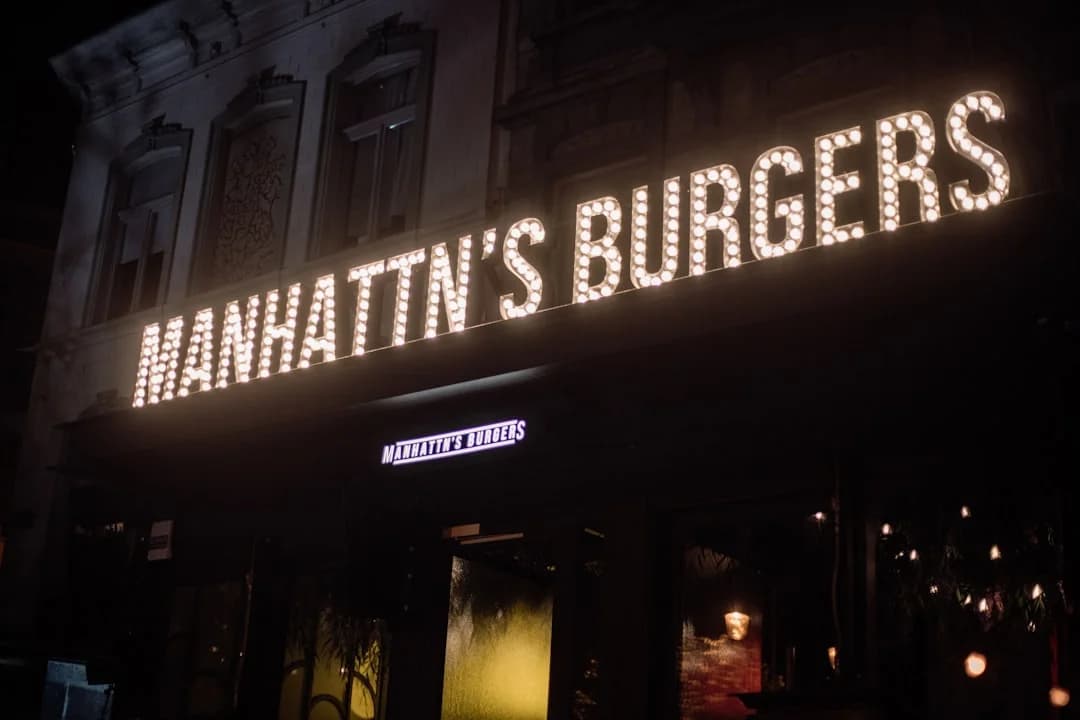
Photo by Adrien Delforge on Unsplash
Manhattan dining openings 2026 roundup is underway, and early results point to a vibrant start across neighborhoods from NoHo to the West Village. Data from industry watch sites shows January through March delivering a steady cadence of new concepts, reopenings, and neighborhood-shaping venues. For readers of Manhattan Monday, this roundup provides a clear, data-driven snapshot of who opened when, where, and why it matters for the city’s dining ecosystem. The year’s first wave also reveals evolving patterns in concept, format, and service models that could shape competition, pricing, and consumer expectations through the rest of 2026. This is not just a wish-list of splashy openings; it’s a factual ledger of what actually landed in Manhattan’s dining rooms and what that means for the market as a whole. Readers should come away with a concrete timeline, concrete venue names, and a sense of the macro trends driving these openings. Manhattan dining openings 2026 roundup is being tracked against monthly tallies, neighborhood distributions, and notable shifts in concept strategy, such as more multi-concept spaces and a stronger tilt toward accessible, casual-to-midrange experiences.
Across the board, Manhattan’s openings in early 2026 reflect a city-wide appetite for refreshed concepts that blend global flavors with local sensibilities, and a growing emphasis on efficiency without sacrificing experience. Data from Eater NY’s January 2026 openings, February 2026 roundups, and March 2026 updates illustrate a steady stream of new entries in Manhattan’s most active dining corridors. These sources corroborate a pattern: a steady cadence of new concepts in Midtown, the East and West Villages, and Chelsea, plus substantial activity in Nolita and nearby neighborhoods. The syndication of these reports—alongside Time Out New York’s and The Infatuation’s forward-looking roundups—provides a robust, data-driven lens for understanding how Manhattan dining openings 2026 roundup is unfolding in real time. (ny.eater.com)
What Happened
January 2026: A broad mix lands in Manhattan
January 2026 delivered a diverse cross-section of debuts and relocations that set the tone for the year. In Manhattan, several openings landed with clear calendar anchors, illustrating a busy start to the year:
- Mixue made its NYC debut in Manhattan, a high-volume, fast-casual concept that arrived amid Times Square visibility and a flood of online chatter about brand scale. The piece highlights Mixue’s presence in Times Square and Canal Street expansion, signaling a push into high-foot-traffic corridors. This is a notable example of a franchised, value-driven model finding a foothold in a premium market. (ny.eater.com)
- Hampton Chutney Company opened a new Manhattan location on January 6, placing a long-running East End brand into NoHo with dosa-focused cuisine that draws from Indian subcontinental traditions. The Eater January roundup explicitly notes the January 6 opening in Manhattan and the brand’s broader history in the Indian cafe space. (ny.eater.com)
- Brasa Peruvian Kitchen expanded its NYC footprint with a new Midtown location, reflecting ongoing demand for Peruvian flavors presented in fast-casual formats. The January roundup lists Brasa Peruvian Kitchen as a January opening in Midtown, highlighting its bowl-and-peruvian-cuisine approach. (ny.eater.com)
- Birdie’s, a West Village frozen-yogurt concept, joined the city’s dessert/quick-service landscape in early January, signaling an appetite for playful, approachable sweets in a densely visited neighborhood. The January list shows Birdie’s opening in the West Village early in the month. (ny.eater.com)
- Farmer J, the UK-founded fast-casual concept, entered Manhattan with a January footprint (31 West 52nd Street), exemplifying the ongoing appetite for accessible, health-forward lunch options in midtown. (ny.eater.com)
- Other Manhattan entries included the Chelsea-area expansion of Charlotte Patisserie and fresh takes on the Lower East Side and NoHo streets, reflecting a pattern of bakery-cafe infusions and small-plates-dominant menus that appeal to on-the-go dining as well as longer dinners. (ny.eater.com)
The January 2026 data also show more granular neighborhood activity that matters for the Manhattan dining openings 2026 roundup:
- Croft Alley in SoHo added to the mix, signaling continued appetite for LA-influenced breakfast and lunch brains in Manhattan’s classic corridors. (ny.eater.com)
- Cue 48 in Times Square opened in early January, marking a cinema-adjacent or hotel-adjacent dining-capacity trend that leverages high-traffic venues for quick, iconic-bites offerings. (ny.eater.com)
- Notable Manhattan newcomers like Elia’s Casa Bianca (East 52nd Street) and Buddy Buddy in NoHo extended the city’s Italian and casual coffee/food-bar mix in a way that underscored the city’s appetite for a hybrid casual-dining approach. (ny.eater.com)
January’s data also include a broader set of neighborhoods and formats that signal consumer demand for bakery-anchored concepts, gloabl flavors, and small-format dining hubs. For example, the January roundup highlights Croft Alley in Soho and a NoHo coffee-bar concept, illustrating a blend of quick-service and sit-down experiences in close proximity to office and residential clusters. These details come directly from the Eater January 2026 openings piece and help anchor the January portion of the Manhattan dining openings 2026 roundup in concrete venues and dates. (ny.eater.com)
February 2026: A continued surge with emphasis on mix of cuisines and formats
February 2026 continued the momentum with a second wave of Manhattan openings that featured a range of concepts—from vegan-focused outposts to elevated sushi and regional Italian offerings:
- Himalayan Vegan Organic Restaurant opened on February 14 in Upper East Side, presenting a nationwide vegan-leaning concept in a neighborhood with price-sensitive, health-conscious diners. The location at 1425 York Avenue is a central detail in Manhattan’s February 2026 openings. (ny.eater.com)
- Piadi by La Piadineria debuted at 18 East 23rd Street (Flatiron) as Italy’s largest fast-casual chain made its American debut with folded flatbread offerings. The February 4 spotlight confirms Piadi’s status as a first-week arrival in Manhattan’s Flatiron corridor, a corridor known for quick, flavorful lunches. (ny.eater.com)
- Double Knot, a Philadelphia import opened in Midtown, illustrating how a broader pan-Asian and robata concept could land in Manhattan with a high-ambition, multi-kitchen format. The February roundups place Double Knot on the map starting mid-February. (ny.eater.com)
- Menkoi Sato marked a “comeback” in Greenwich Village, continuing the neighborhood’s sushi-forward and noodle-centric dining identity with a new location and renewed energy after a brief hiatus tied to lease matters. The Marching timeline shows Menkoi Sato’s February return in NYC, using a ground-floor footprint to anchor a broader live-fire/sushi strategy. (ny.eater.com)
- Bar Maeda opened in Hudson Square, a bar concept linked to Mekumi and Sushidokoro Mekumi, signaling the ongoing appetite for craft cocktails adjacent to high-end or chef-driven dining in Lower Manhattan. (ny.eater.com)
- Nounou opened in East Village, reflecting a broader trend of noodle-focused concepts expanding in Manhattan’s east side, supported by the February roundups. (ny.eater.com)
- Odo East Village opened on February 1, bringing Hiroki Odo’s approach to a new neighborhood with a more accessible, à la carte format while leveraging the chef’s two-Michelin-star pedigree. This is a notable example of a high-end chef expanding into a more approachable price point in a dense, student-and-resident corridor. (ny.eater.com)
February’s coverage also highlights oodles of smaller, nimble openings across Manhattan that are instructive for the 2026 roundup. For example, Matched with the Flatiron area’s growing lunch-to-dinner spectrum, Piadi’s debut sits alongside a broader wave of fast-casual and midrange concepts, suggesting a recurring pattern: high-velocity openings in dense corridors, followed by longer-form dining options in hand-picked signature spaces. The Eater February 2026 roundup provides a precise month-by-month map of these openings, reinforcing the data-driven perspective of Manhattan dining openings 2026 roundup. (ny.eater.com)
March 2026: A wave of focused concepts and notable re-openings
March 2026 reinforced the year’s momentum with a slate of openings that combined chef-driven concepts and neighborhood staples expanding into new spaces:
- Chubby Tan in the East Village opened on March 7, introducing Sendai-style gyutan-yaki and a unique counter-dining experience. The article notes the location at 239 East Fifth Street, right near Second Avenue. This is a direct signal of Manhattan’s appetite for niche, chef-led concepts in walkable neighborhoods. (ny.eater.com)
- Saverne, Gabriel Kreuther’s wood-fired French brasserie in Hudson Yards, opened on March 2, signaling a high-end, live-fire counterpoint to the neighborhood’s existing dining ecosystem. The 531 West 34th Street site anchors a new wave of refined dining in a neighborhood that’s seen a mix of tech-supported hospitality and luxury concepts. (ny.eater.com)
- Da Toscano, a new iteration of a Minetta-adjacent Italian concept, reopened at the Iroquois Hotel on March 2, featuring breakfast, lunch, and takeout options. This marks an example of a traditional Italian operator rotating through a historic Times/Hotel corridor with modern-service ambitions. The schedule indicates a broad strategy of reimagining legacy restaurants within hotel environments. (ny.eater.com)
- Sunday Morning, an East Village bakery known for cinnamon rolls, expanded to a second location on March 1, illustrating a demand pattern for stable, daily bakery staples within a year characterized by more dynamic dining concepts. (ny.eater.com)
- Lily Pond, a West Village club sandwich-focused concept tied to a broader LA-influenced brunch-and-cafe energy, debuted on February 26 in the West Village space. This demonstrates a cross-pollination of ideas from West Coast hospitality to Manhattan neighborhoods with afternoon-to-br evening seating opportunities. (ny.eater.com)
March’s most dramatic signal in Manhattan dining openings 2026 roundup comes from the higher end of the spectrum: the reopening of Babbo in the West Village, a development that has energized discussions about the role of iconic, long-archived brands re-entering a modern dining market. The Infatuation’s coverage and The New York Times’ reporting underscore Babbo’s continued influence and evolving menu under new leadership, which is a meaningful data point when assessing the trajectory of legacy NYC institutions in 2026. While Babbo’s initial relaunch happened in late 2025, its continued presence in early 2026 remains a touchpoint for the market’s recalibration around brand equity and experiential expectations. (theinfatuation.com)
Notable forward-looking entries and anticipated openings
Beyond confirmed openings, Manhattan’s 2026 outlook includes several anticipated openings that industry outlets flagged as significant as of early 2026. The Infatuation’s NYC’s Most Anticipated Openings Of 2026 highlights Oriana in New York (Winter 2026) as a live-fire concept from notable operators, Cleo Downtown as a rotisserie-forward concept in the West Village (Spring 2026), and Ambassadors Clubhouse in Nomad as an upscale Indian-dining/club hybrid planned for Winter 2026. Time Out’s Most Anticipated Openings of 2026 also flags Oriana and Cleo Downtown, confirming cross-publication interest in these Manhattan projects as early as December 2025. These forward-looking items are crucial for readers tracking the Manhattan dining openings 2026 roundup because they reflect planned calendar anchors that will shape consumer demand and competitive dynamics in the months ahead. (theinfatuation.com)
Section 2: Why It Matters
Market dynamics and neighborhood impact
The January-to-March Manhattan openings show a market that remains highly active in both core business districts (Midtown, Chelsea, Flatiron) and newer hot zones like the West Village and Nolita. The concentration of openings in high-traffic corridors signals a continued emphasis on visibility and foot traffic as a core driver of early-stage success. Eater NY’s January and February roundups illustrate a pattern of openings clustered in major neighborhoods, with a mix of quick-service, bakery-cafe, and chef-driven concepts jockeying for position. This dynamic suggests a market where operators are hedging bets between scale and craft, leaning into formats that can be scaled if demand proves durable while also delivering distinctive guest experiences that can yield strong word-of-mouth and social media amplification. The presence of Mixue in Times Square, for instance, demonstrates a brand strategy built on mass appeal and high-volume throughput, while the same period’s arrival of Croft Alley and Birdie’s in the West Village point to a more intimate, neighborhood-focused approach. Collectively, this indicates a Manhattan dining openings 2026 roundup that is less about single-venue spectacle and more about a balanced portfolio of formats across the borough. (ny.eater.com)
Concept trends and consumer expectations
Industry observers have noted a shift toward French-forward dining and multi-concept venues in 2026, as reflected in multiple credible roundups. The Infatuation highlights a French tilt with wine-forward strategy in several new openings, including ambitious concepts that blend tasting-menu energy with more approachable formats. Time Out’s December 2025 piece also flags Oriana and Cleo Downtown as influential openings, signaling an appetite for chef-led, live-fire, and rotisserie-focused experiences that mix high style with accessible execution. This combination—French-influenced menus alongside live-fire and rotisserie concepts—suggests a consumer base that seeks both culinary prestige and everyday accessibility. The Manhattan dining openings 2026 roundup thus frames a market where high-end and high-volume concepts can co-exist, sometimes within the same neighborhood corridors. (theinfatuation.com)
Operational models and technology-driven service
A number of 2026 openings in Manhattan reflect operational models that engage with modern dining realities: fast-casual menus, counter-service formats, and hybrid takeout/sit-down experiences are increasingly common. The Eater February roundups show a suite of concepts designed for high turnover and efficient service (Piadi by La Piadineria, Himalayan Vegan Organic Restaurant, Double Knot), while the ongoing interest in multi-concept spaces (as highlighted by The Infatuation) points to operators embracing flexible floor plans that can accommodate both quick-service volumes and more elaborate tasting-menu experiences in a single footprint. The NYCTourism release also emphasizes the importance of accessible dining experiences and a broad spectrum of offerings in Manhattan, from casual eateries to more refined options, underscoring the city’s enduring demand for both convenience and culinary exploration. These service-model patterns matter for readers who want to understand not just what opened, but why these formats are proliferating in a market that prizes speed, quality, and adaptability. (ny.eater.com)
Economic and employment implications
New restaurant openings carry implications for employment, supplier demand, and real estate performance. The wave of openings across Manhattan—particularly in the Flatiron to Chelsea axis and in Nolita—provides revenue and wage opportunities in multiple segments, from line cooks and pastry chefs to front-of-house managers. The January 2026 and February 2026 roundups show a mix of established restaurant teams and new operators, which often correlates with varied staffing needs and wage pressures, as operators calibrate kitchen bandwidth, front-of-house flow, and delivery-fulfillment systems. Industry observers should watch for how these openings affect neighborhood rents, employment counts, and supplier footprints as the year unfolds. For ongoing context, The Infatuation’s coverage of anticipated openings reminds readers that capital commitments in NYC dining remain sizable, with multiple projects planned in the same submarkets and a longer horizon for return on investment. (ny.eater.com)
Real estate and branding considerations
A notable through-line in Manhattan dining openings 2026 roundup is the tension between marquee legacy brands and fresh concepts seeking relevance in a crowded market. Babbo’s reopening and the continued attention to Cleo Downtown as a West Village project demonstrate how iconic brands can re-enter and re-position themselves in a modern dining economy, while newer concepts like Himalayan Vegan Organic and Piadi by La Piadineria show a continuous appetite for new branding and spatial storytelling. This dynamic has implications for how landlords price spaces, how marketing teams position openings, and how neighborhood associations respond to new entrants in terms of traffic, hours, and public safety. The NYTimes and Time Out coverage of anticipated openings reinforces that Manhattan’s dining landscape remains a magnet for both established chefs and entrepreneurial newcomers, which is a signal of sustained investor interest into 2026 and beyond. (business.nyctourism.com)
Section 3: What’s Next
Upcoming openings to watch in 2026
The next phase of Manhattan dining openings 2026 roundup centers on a handful of high-profile, anticipated concepts that industry watchers are tracking closely:
- Oriana (New York, NY) — Winter 2026 opening for this live-fire concept from the team behind West Village favorite The Noortwyck, combining a large wood-fired grill with a serious wine program. The Infatuation’s anticipatory list highlights Oriana as a key future anchor in Manhattan’s dining scene. (theinfatuation.com)
- Cleo Downtown (New York, NY) — Spring 2026, Cleo Downtown represents a rotisserie-forward concept with a dual sit-down and takeout model, positioned to be a Village staple with a modern, fast-casual sensibility. Time Out and The Infatuation both flag this project as a major upcoming addition to Manhattan’s restaurant fabric. (timeout.com)
- Ambassadors Clubhouse (Nomad) — Winter 2026, a high-profile Indo-Punjabi concept from a London-based operator network, reflecting a broader trend of New York absorbing global brands into local formats, with a refined ambiance and a strong cocktail/wine program. (theinfatuation.com)
- Kidilum (Flatiron/Midtown) — Opening in late February or early March 2026, this South Indian concept is positioned to ride the wave of regional Indian cuisine expansion in Manhattan, with a menu designed to balance breadth and accessibility in a busy dining corridor. (theinfatuation.com)
- Jeju Noodle Bar Nolita expansion — The Infatuation’s anticipated roll-out for a Nolita outpost in spring 2026 emphasizes a continued appetite for ramyun-forward, Korean-influenced noodle experiences in Manhattan. (theinfatuation.com)
In addition to the above, Time Out’s indepth anticipations and The Infatuation’s “Spots” list provide a robust, cross-publisher view of what’s planned for 2026, including more niche concepts and neighborhood-driven openings that could create pockets of culinary innovation across Manhattan. For readers, the message is clear: 2026 remains a year in which Manhattan’s dining landscape will be shaped by a blend of global flavors, chef-led signature concepts, and flexible, boundary-punning formats that adapt to consumer behavior and urban life. (timeout.com)
What to watch for in the rest of 2026
As Manhattan dining openings 2026 roundup progresses, several topics deserve ongoing attention:
- The balance between high-volume, value-driven concepts and high-end chef-driven experiences. Data from January–March show both ends of the spectrum coexisting in the same neighborhoods, which can influence pricing, reservation behavior, and consumer expectations. Watch neighborhoods like Times Square-adjacent corridors and West Village for evidence of this dual-track dynamic continuing. (ny.eater.com)
- The evolution of multi-concept spaces. Operators are increasingly testing spaces that can handle takeout, casual dining, and more formal experiences in the same footprint. The Infatuation’s coverage and Time Out’s anticipated openings emphasize this trend as a structural feature of Manhattan dining openings 2026 roundup, not just a fad. (theinfatuation.com)
- The role of global flavors in shaping local menus. From Himalayan vegan concepts to Italian flatbread corners and rotisserie-forward concepts in the Village, the city’s consumer palate continues to diversify, pushing operators to experiment with cross-cultural menus and integrated supply chains. The February roundups and forward-looking lists are useful guides to the breadth of cuisine now landing in Manhattan. (ny.eater.com)
- The impact on neighborhoods and transit-adjacent dining ecosystems. With new venues opening in corridors like Nolita, Flatiron, and Chelsea, planners and local business associations should monitor foot traffic, transit usage, and pedestrian safety, especially in corridors with night-life elements. The NYCTourism and NYTimes reporting track some of these neighborhood dynamics and provide anchors for where to watch next. (business.nyctourism.com)
Timeline and what to expect next
- Winter 2026: Oriana’s live-fire concept in New York is anticipated to anchor a portion of the winter dining calendar, with additional announcements likely from Cleo Downtown and other West Village spaces participating in the seasonal cycle. The Infatuation and Time Out highlight Oriana and Cleo Downtown as the year’s formative opening bets in New York. (theinfatuation.com)
- Early 2026 through Spring 2026: A broad lineup of openings in Nolita, East Village, and Midtown, including multi-concept venues and new takes on Southeast Asian, Indian, and Italian dining. Expect ongoing updates from Eater NY’s weekly heatmaps, as seen in the March 2026 updates, which will continue to provide granular details for readers following Manhattan dining openings 2026 roundup. (ny.eater.com)
- Spring 2026: Cleo Downtown and other spring openings could redefine a subset of the Village and Chelsea dining scenes, especially for operators aiming at a blend of dine-in and takeout experiences in a single footprint. The Time Out preview confirms Cleo Downtown’s planned spring 2026 opening. (timeout.com)
Closing Manhattan dining openings 2026 roundup presents a data-driven snapshot of a city in continuous culinary motion. Early 2026 shows a healthy mix of fast-casual, bakery-led concepts, and chef-driven venues, spread across a network of neighborhoods that remain highly walkable and densely populated with both residents and workers. For readers who want to stay ahead of the curve, the prevailing pattern suggests that multi-format spaces and global flavors will be a defining feature of Manhattan dining in 2026, with a handful of high-profile openings that could set the tone for months to come. To stay updated, follow Eater NY’s monthly openings roundups, Time Out’s anticipation features, and The Infatuation’s “Spots” coverage, while keeping an eye on official city tourism updates for calendar anchors and neighborhood-level developments. The data you’ve just read reflect a real-time snapshot of Manhattan’s dining evolution, and ongoing reporting will help readers make informed dining plans, investment considerations, and competitive analyses in a dynamic urban market.