Manhattan Arts-real-estate Crossovers 2026: Field Guide
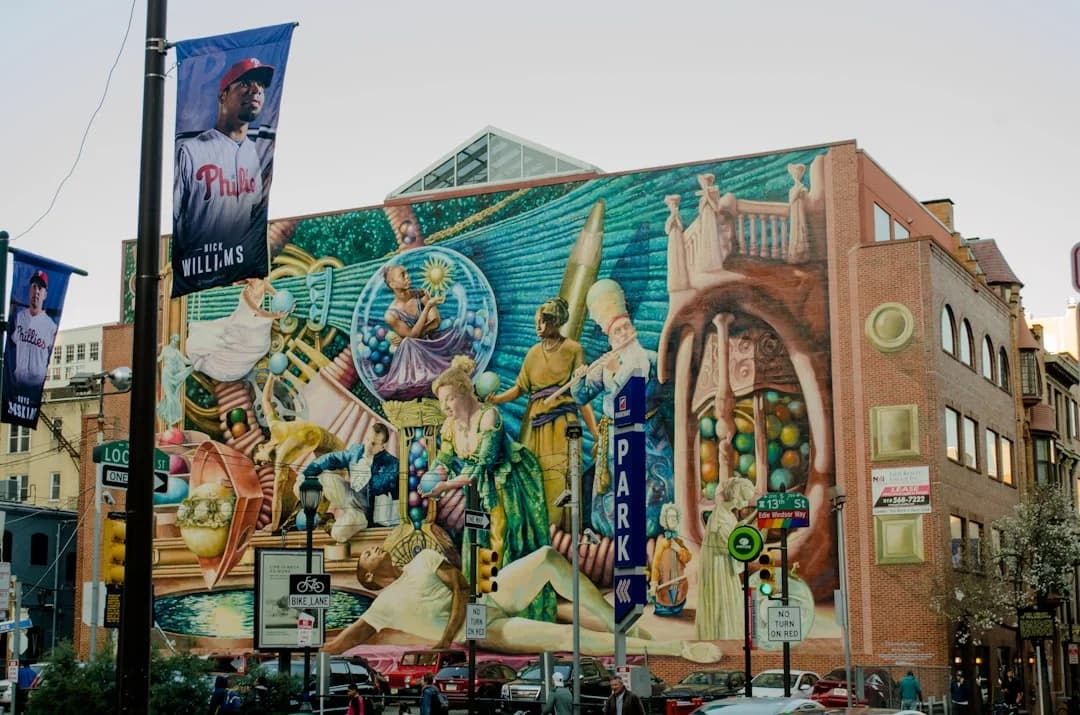
Photo by Jose Antonio Gallego Vázquez on Unsplash
Manhattan arts-real-estate crossovers 2026 are shaping a new dynamic in the city’s property landscape, where art spaces, cultural programming, and creative partnerships increasingly sit at the heart of development decisions. As 2025 closes and 2026 unfolds, developers, landlords, galleries, and residents are recalibrating how a building’s value is measured—not just by square footage or rent per square foot, but by the cultural density a project adds to a neighborhood. This shift is not occurring in a vacuum: data from the past year underscores a broader market recovery and a changing appetite for mixed-use spaces that blend living, working, and culture. Forbes’ late-2025 to early-2026 market recap highlights Manhattan’s real estate revival, with investment sales reaching a level that signals confidence among buyers and lenders alike. The publication notes a $22.77 billion comeback in Manhattan’s investment sales, a jump that stands out against 2024 and marks one of the strongest cycles in years. This context matters, because a healthier capital market makes it feasible for developers to pursue art-forward strategies that might have been riskier in leaner times. (forbes.com)
Beyond headline sales, market data from 2025 shows continued demand for high-quality office space and trophy assets, even as the city experiments with repurposing and creative programming to attract tenants. Analysts point to nearly 38 million square feet of Manhattan office leasing in 2025, with Class A assets driving the bulk of activity and setting the stage for more flexible, experiences-rich environments that can host galleries, residencies, and other cultural programming as value-adds. That momentum matters because it provides developers with the operating leverage to pursue arts-inflected renovations and space activations that differentiate properties in a competitive market. (creaunited.com)
As urban developers lean into these crossovers, Manhattan’s cultural ecosystem itself is responding with new forms of collaboration. The Upper East Side gallery scene is emblematic of a broader pivot: while traditional prestige remains important, galleries are increasingly partnering with real estate players to create curated experiences that travel beyond a conventional viewing room. Reports in early 2026 describe galleries adopting technology-enabled programming, pop-up formats, and venue partnerships that align with how contemporary collectors purchase and experience art today. This trend—where galleries, landlords, and residents co-create value through shared spaces—illustrates the practical side of Manhattan arts-real-estate crossovers 2026. (manhattanmonday.com)
The real estate market’s 2026 cadence further reinforces these crossovers. A milestone project that has become a touchstone for arts-integrated development is 520 Fifth Avenue, a mixed-use tower under construction that has publicly signaled a completion window in 2026. While the building’s current plan emphasizes residences, office space, and retail, the site’s historical engagement with art spaces—combined with a June 1, 2026 completion target—helps anchor the conversation about how high-profile Manhattan addresses will incorporate cultural programming in the coming years. Observers note that the building’s imminent arrival heightens expectations for adjacent properties and sets a benchmark for art-forward design in Midtown Manhattan. (en.wikipedia.org)
Moreover, the city’s broader policies and private sector initiatives continue to position art-led real estate as a meaningful lever for value creation. The City of New York’s Public Art in Region initiatives and related programs signal a municipal openness to integrating artistic interventions with public-facing spaces and services, a framework that can scale to private development through partnerships, residencies, and gallery-style activations in building lobbies and amenity spaces. While these programs are not limited to private developments, they provide a policy and cultural context that makes Manhattan arts-real-estate crossovers 2026 plausible and with measurable upside for stakeholders. “My work focuses on site not just as physical space, but as a system that shapes social, cultural, and political possibility,” notes PAIR placements coordinated by the NYC Department of Cultural Affairs—an indicator of the city’s commitment to embedding artistic practice within urban systems. (nyc.gov)
What Happened
A surge of art-integrated developments
- In 2026, Manhattan developers are increasingly seeking to blend art and real estate as a core differentiator, integrating galleries, artist residencies, and curated cultural programming into project design. This approach aligns with broader market signals indicating healthy demand for premier assets and a renewed appetite for experiences that go beyond traditional space use. Industry commentary emphasizes that property owners with strong balance sheets are leveraging art-forward elements to attract and retain tenants, and to command premium branding for their buildings. The trend is particularly pronounced in flagship corridors where visibility and access to cultural institutions are high, and where tenants value a living/working ecosystem that includes immersive experiences. ESRT and other market players have underscored how technology, sustainability, and curated cultural programming are becoming standard features of modern Manhattan office properties that hope to maintain occupancy momentum into 2026 and beyond. (esrtreit.com)
Gallery-driven activations across Manhattan
- The Upper East Side gallery ecosystem in 2026 illustrates how art spaces are evolving to fit a real estate-driven model. Rather than remaining exclusive to the traditional gallery district, many galleries are experimenting with partnerships that place artwork within the built environment—lobbies, rooftops, and storefronts—creating new points of cultural intersection for residents, workers, and visitors. The shift is documented in Manhattan Monday’s recent coverage of the Upper East Side gallery scene, which notes a year of closures, pivots, and strategic retooling as operators recalibrate in a tightened market. This pattern mirrors a broader industry move toward flexible formats and tech-enabled programming that can travel with tenants and elevate an entire building’s profile. (manhattanmonday.com)
Concrete milestones and timelines
- February 2026. Forbes reports a robust comeback in Manhattan real estate, with 2025 investment sales finishing at about $22.77 billion, signaling sustained appetite from buyers and lenders alike and providing a macro backdrop for art-real-estate crossovers. This data point helps explain why developers are comfortable pursuing higher-risk cultural activations as part of asset differentiation. (forbes.com)
- 2025–2026. Market analytics show a continuing rebound in leasing activity, with 38 million square feet leased in 2025 and a focus on Class A and Trophy assets. This environment supports strategies that weave art and culture into space planning, leasing incentives, and amenity packages, as landlords seek to attract and retain tenants in a recovery market. (creaunited.com)
- 2025–2026. Downtown Manhattan and other districts show supportive demographic and economic shifts, including a 22% growth in workers in creative and professional sectors, signaling a sustainable talent base that fuels demand for culturally enriched urban environments. This dynamic is critical because it indicates a built-in audience for arts-forward real estate initiatives. (downtownny.com)
- June 1, 2026. The milestone completion of 520 Fifth Avenue, a mixed-use tower with a storied history in the area, contributes a high-profile example of art-forward real estate activities in Midtown Manhattan. While the project’s official programming for art spaces is not exhaustively detailed in public materials, the completion date itself signals a near-term capacity to host art-related activations in prime urban real estate. (en.wikipedia.org)
- 2025–2026. City-level cultural programs, including Public Artists in Residence placements, reinforce the evolving intersection of government, culture, and real estate development in New York. These initiatives create a municipal context in which private developments can pursue more integrated art strategies, including residencies, collaborations with cultural organizations, and community-facing installations. This background shapes expectations for future crossovers in Manhattan real estate. (nyc.gov)
-
- Industry roundups and real estate news outlets continue to highlight the prominence of Manhattan’s art/real estate crossovers, including notable features in RISMedia’s 2026 Newsmakers and related industry analyses that emphasize the value of culturally anchored properties and spaces in the urban development mix. (rismedia.com)
Why It Matters
Implications for residents and tenants
- The infusion of art and cultural programming into real estate assets has tangible implications for residents and tenants. Buildings that offer curated experiences, artist residencies, and gallery-style activations can differentiate themselves in a crowded market, potentially influencing rents, occupancy stability, and long-term asset value. Analysts point to a broader market trend where developers leverage cultural programming to enhance tenant experience, improve retention, and command premium pricing in competitive neighborhoods like Midtown, Upper East Side, and Downtown Manhattan. This aligns with observed market dynamics in 2025–2026, including sustained demand for high-quality office space and a willingness among tenants to pay a premium for environments that offer social and cultural amenities. (esrtreit.com)
Opportunities for artists and galleries
- For artists and galleries, the Manhattan crossovers between arts and real estate offer new avenues for visibility and sustainability. In 2026, gallery operators are increasingly partnering with landlords to present exhibitions in non-traditional spaces, expanding audiences beyond traditional gallery districts. This move can democratize access to contemporary art while providing revenue and exposure opportunities for galleries navigating a shifting market landscape. The Upper East Side gallery scene, as reported by Manhattan Monday, highlights a trend toward nimble formats and partnerships that help galleries maintain relevance in a market shaped by closures, pivots, and consolidation. While these shifts create opportunities, they also demand new business models, partnerships, and audience development strategies that align with real estate cycles and tenant needs. (manhattanmonday.com)
Implications for urban planning and policy
- The arts-real-estate crossover is not only a market phenomenon; it intersects with urban planning and policy. City programs that encourage public art integration and partnership models can accelerate the adoption of art-forward real estate strategies, while private developers seek to balance cultural ambitions with financial discipline. In 2025–2026, the combination of market resilience, capital availability, and municipal support creates a favorable environment for experiments in how art can be embedded into the urban fabric—without compromising on housing supply or commercial viability. Observers note that when art and real estate align with clear community benefits, the outcomes can include increased foot traffic, enhanced neighborhood branding, and more resilient property performance in times of economic volatility. (nyc.gov)
What’s Next
Near-term milestones to watch
- Completion and activation at 520 Fifth Avenue (June 1, 2026) will be a concrete event to observe, with the potential to serve as a model for art-forward luxury and commercial space in Midtown. Expect early-site activations, opening-week programming, and media briefings that showcase how cultural elements are woven into building amenities, retail experiences, and resident offerings. This milestone also creates a catalyst effect for nearby properties, nudging peers to accelerate their own art-embedded strategies in the short term. (en.wikipedia.org)
- 2026–2027: A wave of new or retooled buildings across Manhattan is anticipated to feature arts components as standard practice rather than a niche add-on. Industry forecasts emphasize that property owners will continue to pair technology-enabled experiences with curated cultural programming to attract tenants who value social spaces, collaboration opportunities, and direct engagement with art. Market analyses for 2026–2027 point to continued demand for premier assets and a gradual normalization of cost structures as real estate expands its cultural vocabulary. (esrtreit.com)
Longer-term outlook
- The broader urban ecosystem supports a longer horizon for Manhattan arts-real-estate crossovers 2026. With the city’s creative and professional sectors expanding and a resilient investment climate, developers may increasingly treat art-forward strategies as core to property branding and value creation. The combination of a strong 2025 market, ongoing office-market momentum, and a supportive policy environment suggests that these crossovers could become a recurring feature in Manhattan’s development playbook, rather than a one-off trend. Analysts highlight that as office cycles evolve, the ability to offer experiential, culturally infused environments will matter more for occupancy and retention than ever before. (creaunited.com)
Closing
As Manhattan continues to rebound and reimagine space in 2026, the city’s arts-real-estate crossovers are less a fad and more a structural aspect of how developers, cultural organizations, and communities co-create value. The data points—tantalizingly large investment totals, robust leasing activity, and notable completion milestones—together indicate that art-forward development is shaping a new baseline for what constitutes a successful, resilient urban property. For residents and tenants, this shift can translate into richer, more engaging urban living experiences; for artists and galleries, it opens doors to new venues, partnerships, and revenue streams; for developers and investors, it offers a differentiated product in a competitive market. As we move through 2026, observers should monitor not only the financial performance of new and existing properties but also how these spaces foster cultural participation, community connection, and sustainable urban growth.
Manhattan Monday will continue reporting on the evolving landscape of Manhattan arts-real-estate crossovers 2026, tracking new partnerships, space activations, and market signals that shape the city’s cultural economy. The coming quarters are likely to bring further evidence of how art and real estate are becoming inseparable ingredients in Manhattan’s ongoing urban evolution, reinforcing the idea that culture, technology, and property are no longer siloed domains but converging forces in the city’s economic and social fabric. Residents, investors, and cultural practitioners alike should stay engaged, ask tough questions about value and accessibility, and watch for the micro-innovations that will cumulatively define the next chapter of Manhattan’s art-driven real estate story.