2026 Lower East Side Art Boom: NYC Market Analysis
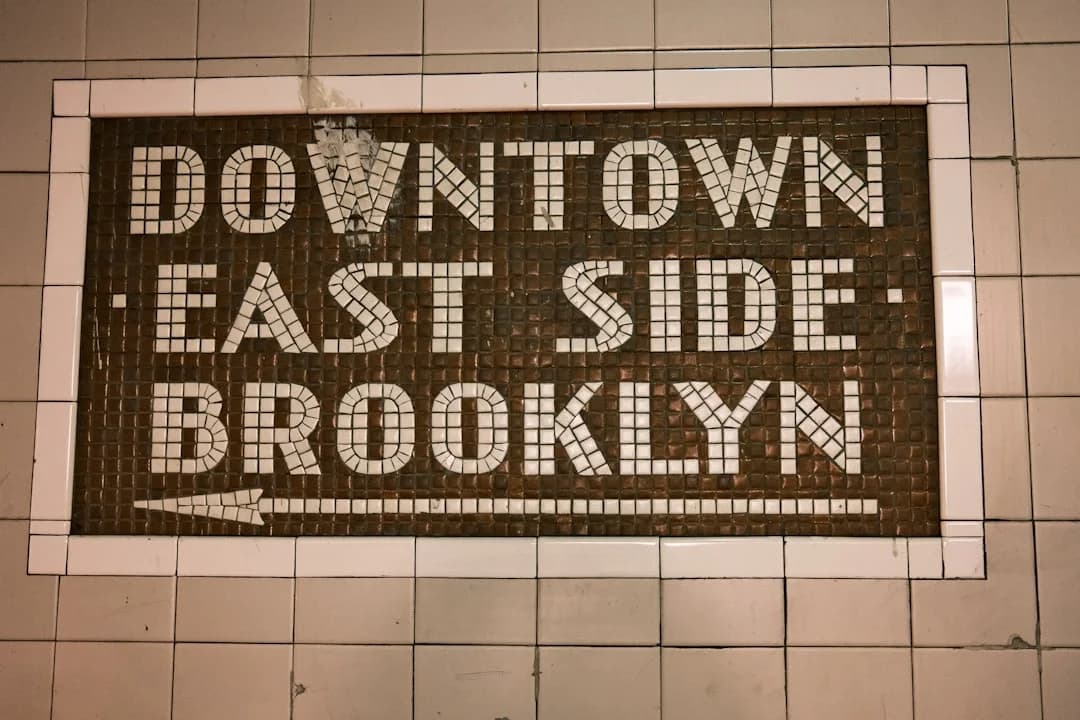
Photo by Kevin Snow on Unsplash
The Lower East Side gallery boom 2026 is unfolding as a constellation of openings, re-openings, and new programmatic ventures that together signal a more layered, technology-enabled, and community-focused direction for New York’s art market. In 2026, the LES is not merely a backdrop for exhibitions; it is becoming a living laboratory where independent spaces, residency programs, and new, large-scale venues converge with longstanding institutions to shape how art is produced, shown, and sold. The latest wave includes monumental space launches, notable gallery openings, and a push toward accessible programming that can reach beyond traditional collectors to students, first-time buyers, and local audiences. This moment matters because it reframes the LES as a hub where both risk and opportunity are realized in near real-time, with consequences for pricing, attendance, and the kinds of art that gain visibility in a crowded market. (theartnewspaper.com)
Across Manhattan’s south and east sides, the pace of new ventures in 2026 underscores a deliberate reconfiguration of where, how, and for whom contemporary art is being produced. In the Lower East Side, observers note a notable shift toward durational and time-based formats, hybrid nonprofit/gallery models, and a diversified pipeline that includes artist residencies, pop-up spaces, and new permanent venues. The news comes on the heels of a broader market environment in which major fairs and city-backed initiatives are rethinking the geography of success for galleries of varying scales. A recent industry overview describes a developing continuum of space types—short-term pop-ups, mid-size project spaces, and long-run venues—and highlights that independent, nimble formats are increasingly anchoring the LES scene as costs pressure traditional gallery models. (manhattanmonday.com)
Opening with news that reverberates through the LES art ecosystem, this report provides a data-informed look at what happened, why it matters, and what to expect next in the Lower East Side gallery boom 2026. The narrative blends verifiable openings, official statements from galleries and non-profit organizations, and market analysis from reputable outlets to offer a balanced, forward-looking view of how technology, real estate dynamics, and programmatic experimentation intersect in one of New York City’s most historically dense art neighborhoods. The aim is to present readers with concrete dates, names, and numbers while avoiding speculation beyond what sources confirm. The result is a grounded, accessible account of a moment when the LES is redefining its role in the city’s art economy.
What Happened
Canyon opens a 40,000-square-foot hub for video, sound, and performance on the Lower East Side
A marquee development in the LES is Canyon, a 40,000-square-foot hub for time-based and durational art that will occupy a re-purposed commercial space on the Lower East Side. The project is led by philanthropist Robert Rosenkranz and Mass MoCA’s former director Joe Thompson, with a design team headed by New Affiliates. The project aims to host three major seasonal exhibition cycles each year, spanning spring, summer, and autumn, and to pair gallery programming with a robust performing arts agenda. The site includes 18,000 square feet dedicated to galleries optimized for video and audio presentations, plus a 60-foot-tall plaza intended as a central social and cultural gathering space. A keynote statement from Canyon’s leadership emphasizes a dual commitment to technical excellence and hospitality, creating an experience that feels more like a living room than a traditional white-cube gallery. The opening is scheduled for 2026, signaling a new model for time-based media within a high-density neighborhood context. (theartnewspaper.com)
“We hope to create a new kind of cultural and social space—one designed to support the complexity and ambition of art rich with moving imagery, music and sound, while also rethinking how audiences engage with it,” Canyon executive staff said in a press briefing. “Canyon will focus on technical excellence and thoughtful presentation of important art, but it will also emphasise hospitality and atmosphere, which means comfortable, sociable viewing spaces that feel more akin to a living room than white cube.” (theartnewspaper.com)
Canyon’s LES launch is positioned as a flagship project that could influence nearby programming, institution-building, and audience expectations. The venue’s emphasis on a living-room atmosphere and a cadence of three seasonal cycles aligns with broader industry trends toward accessible, extended public engagement with contemporary media, an approach discussed in industry analyses of new-market formats. The Art Newspaper’s reporting on Canyon highlighted the plan for high production values in a space designed to accommodate video installations, audio works, and live performances, a combination that differentiates Canyon from traditional galleries and places the LES at the forefront of the city’s evolving art infrastructure. (theartnewspaper.com)
Independent fair relocates to Pier 36 in Lower Manhattan, expanding visibility for LES-linked programming
Independent, a prominent artist-centered fair, announced its move to Pier 36 in Lower Manhattan for 2026, with its doors opening on May 14, 2026 and running through May 17. In the new setting, the fair’s layout emphasizes solo presentations—about 70 percent of the booths—and a focus on curated dialogue between artists and viewers, a format described by gallerists and critics as creating a more digestible fair experience in a crowded market. The fair’s relocation situates it in a broader ecosystem that includes the LES’s new venues, residencies, and programming, potentially increasing cross-neighborhood visitation and press attention for works presented in the area. Early reporting on the opening day highlighted strong sales momentum in some booths, with several works already spoken for or reserved, underscoring demand among a diverse audience of collectors, institutions, and new buyers. (observer.com)
“The layout is generous, and I think the quality of the fair is superb, so we are very happy to be here,” remarked one gallerist during opening day, noting that the new Pier 36 layout supports thoughtful conversations and a more humane pacing for visitors. (observer.com)
Independent’s move downtown-to-LES-adjacent site is part of a broader pattern in 2026: a reconfiguration of fairs and venues across Lower Manhattan and the East Side that aims to distribute visitors and attention more evenly, rather than concentrating activity in a handful of traditional hubs. Hyperallergic’s coverage of Independent’s downtown-to-Lower East Side pivot framed the shift as part of a cosmopolitan, globally oriented fair circuit that remains deeply rooted in New York’s local neighborhoods. The coverage emphasized that the LES’s growing density of independent spaces, residencies, and new venues is redefining what a “New York fair” can look like in 2026. (hyperallergic.com)
The New Museum’s expansion reopens the Bowery as a milestone for LES-adjacent cultural life
Nearby, The New Museum’s long-anticipated expansion—designed by OMA in collaboration with local architects—reopened on March 21, 2026, restoring a major cultural anchor to the LES/Bowery corridor. The expansion added significant new gallery and public program space, transforming the block and intensifying foot traffic to the surrounding LES-adjacent scene. Field Condition and local coverage highlighted the project as a major urban-cultural redevelopment, signaling a sustained investment in Lower Manhattan as a diversified arts district that complements the LES’s ecosystem of independent projects and mid-sized venues. (newyorkyimby.com)
New gallery openings and residencies reinforce a diversified LES ecosystem
Amid the headline moves, a cluster of smaller but strategically important openings and residency programs emerged in the LES, reinforcing the neighborhood’s reputation as a space for artist-led experimentation and professional development. For example, Collect Z opened its LES site with a February 19, 2026 launch that positioned the new gallery and project space as a home for work that challenges conventional presentation and form. The opening night featured a program designed to emphasize urgency and audience involvement in a space that blends gallery programming with live event formats, aligning with broader trends toward hybrid models that mix exhibition, performance, and community gathering. (aaartsalliance.org)
Marc Straus and Swivel Gallery’s merger activity in early 2026 has also contributed to the LES’s vibrancy. An exhibition titled Intro at Marc Straus ran from March 19 to April 26, 2026, signaling a period of programmatic consolidation that can help emerging artists reach broader audiences through shared curatorial and exhibition resources. This development illustrates how LES-based spaces are experimenting with partnerships and co-presentations as a strategy to navigate a competitive market while expanding opportunities for artists. (artrabbit.com)
Residency and studio opportunities continued to expand in the LES, reinforcing the neighborhood’s role as an incubator for artists who want to develop work outside the controlled environment of a single commercial space. The Lower East Side Printshop, a long-running community-based studio, announced ongoing summer residencies with deadlines in 2026 for artist participants, complementing new gallery openings with hands-on studio opportunities. Open calls for artist residencies from LES-linked spaces—such as Nguyen Wahed Gallery Residency for Winter/Spring 2026—underscore a broader commitment to supporting artistic development within the neighborhood’s evolving ecosystem. (theartlist.com)
In addition to formal residencies, several LES venues have integrated contemporary media and experiential programming into their calendars, consistent with a trend toward digital-enabled, audience-facing experiences. Harman Projects’ April–May 2026 show, Chris RWK and Friends, exemplified a model where a gallery builds a network of artists and collaborators to sustain a long-running, multi-artist exhibition cycle. The LES location’s proximity to a dense network of studios and experimental spaces makes it a natural hub for this kind of collaborative programming. (brooklynstreetart.com)
Context: a data-informed market backdrop for the LES surge
Analysts note that the LES surge occurs within a larger market context that sees galleries exploring more flexible operating models in response to costs, liquidity, and changing collector habits. A recent industry overview emphasizes the appeal of independent, nimble spaces and short-term leases as buffers against rising overhead and market volatility, even as higher-end and mid-tier segments show divergent performance. The analysis points to a “continuum” of space types—from pop-ups and short-term venues to more established project spaces—and notes that digital strategies, data analytics, and online viewing rooms are increasingly essential to sustain engagement and sales. This backdrop helps explain why the LES, with its mix of pop-ups, new nonprofit roots, and medium-size venues, is attracting attention as a model for resilient urban arts ecosystems. (manhattanmonday.com)
Hyperallergic’s coverage of Independent’s downtown-to-LES shift reinforces the sense that the LES is becoming a more cosmopolitan hub rather than a purely local scene. The piece argues that the LES’s new role in the festival-and-fair ecosystem aligns with a broader move toward cross-neighborhood collaboration, international participation, and diversified programming that can broaden the audience base for contemporary art in New York. This broader market context matters for the LES because it suggests more visitors, more diverse programs, and potentially more opportunities for artists who are not in the traditional Chelsea- or Tribeca-centric circuits. (hyperallergic.com)
The practical implications for artists, collectors, and institutions in the LES are multifold. A larger, more accessible slew of spaces and events can lower barriers to entry, increase the visibility of work by emerging artists, and encourage more experimental or time-based formats that aren’t always viable in a conventional gallery setting. It also raises questions about pricing, curation, and the balance between commercial viability and audience development. In this sense, the LES gallery boom 2026 is not just a trend but a reconfiguration of the city’s art economy—one that blends technology, accessibility, and collaborative programming to create new pathways for artistic careers. (theartnewspaper.com)
Why It Matters
Economic and real-estate dynamics shaping LES viability for galleries in 2026
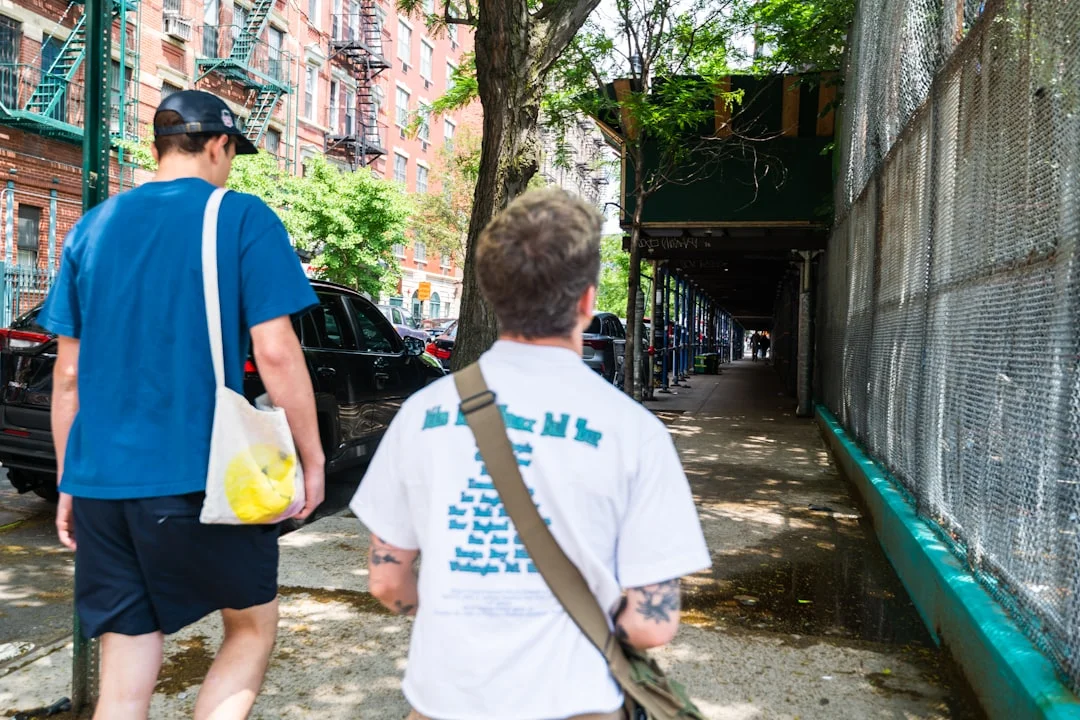
Photo by Michael Moloney on Unsplash
The LES’s expansion during 2026 intersects with a delicate set of real-estate and market dynamics. As new venues and residencies proliferate, rents and operating costs continue to influence which projects succeed and which struggle. Industry observers describe a market where independent nimble spaces—operating on shorter leases and leaner overhead—offer a viable path for galleries to experiment while maintaining a viable bottom line. This has particular resonance in the LES, where historic affordability began giving way to increased competition for space and more sophisticated programming aimed at diverse audiences. In this context, the LES’s rising profile can be seen as both an opportunity for artists and a risk for more traditional operators who must compete for attendees, collectors, and institutional attention. (manhattanmonday.com)
Technology and data play a pivotal role in this shift. Market analyses emphasize a growing emphasis on digital strategies—online viewing rooms, data analytics, and targeted outreach—as a means to broaden reach without incurring prohibitive costs. The LES’s newer ventures underscore this trend, with venues like Canyon foregrounding media-rich experiences and the Independent fair leveraging a carefully curated, data-informed seating of solo presentations to maximize viewer engagement and sales potential. Together, these developments illustrate how digital tools and data-driven programming are becoming indispensable in urban gallery ecosystems that seek to maintain momentum amid budget constraints and changing audience behavior. (theartnewspaper.com)
Audience growth and demographic shifts in 2026
A key element of the LES gallery boom 2026 is audience diversification. The LES has long drawn international visitors and local residents interested in a cross-section of contemporary art practices. With the arrival of large-scale venues and new programmatic models, the neighborhood is likely to attract a broader demographic—students, younger collectors, and first-time buyers—while still catering to established collectors and institutions. News coverage of Independent’s Pier 36 move emphasizes accessible programming and a pace that supports meaningful conversations between artists and audiences, which can help expand the collector base by offering more entry points for engagement. The result is a more resilient, inclusive art ecosystem that benefits artists who might otherwise struggle to find exposure in a market dominated by a few high-profile venues. (observer.com)
The LES as a diversified hub rather than a single-venue magnet
The LES’s current moment is less about a single blockbuster venue than about a spectrum of projects that collectively broaden the neighborhood’s appeal and resilience. Canyon’s large-scale, multi-program approach complements smaller openings like Collect Z and Marc Straus–Swivel collaborations and a growing roster of artist residencies. The result is a balanced ecosystem where risk-taking is more feasible because it is spread across multiple spaces with different scales and aims. This diversification aligns with market analyses that emphasize the value of a multi-venue approach in uncertain economic times and the importance of programming that can attract a wide range of audiences. (theartnewspaper.com)
The role of major institutions and infrastructural upgrades
The LES’s evolution is also tied to major institutional developments nearby, most notably the New Museum’s Bowery expansion and reopening in 2026. While not technically on the LES itself, the Bowery corridor remains part of the same urban-cultural ecosystem, with the expansion expected to produce spillover effects in visitor traffic, cross-institutional partnerships, and opportunities for LES-based artists to participate in museum programs and collaborations. Local coverage underscores the potential for new and expanded venues to drive foot traffic, cross-pollination of audiences, and a more coherent “arts district” experience across Lower Manhattan and the LES. (newyorkyimby.com)
The technology-and-market lens: what data suggests for 2026 and beyond
From a technology and market perspective, the LES gallery boom 2026 sits within a broader movement toward data-informed practice. Gallery operators and market analysts emphasize the importance of analytics, targeted outreach, and online engagement to complement on-site programming. As galleries experiment with residency models, hybrid formats, and seasonal cycles, data-driven strategies can help optimize programming, attendance, and sales across spaces of different sizes. The LES’s mixture of new venues, residencies, and fairs that incorporate digital tools and analytics in their planning reflects a larger industry shift toward measurable impact and scalable outreach. (manhattanmonday.com)
What’s Next
Seasonal cycles and future milestones for LES venues
Canyon’s ambitious schedule of three seasonal cycles—spring, summer, and autumn—points to a tempo that can sustain sustained audience engagement across the year. The project’s plan to stage major exhibitions, including a retrospective of a major Japanese artist (Ikeda) and a Worldbuilding group show curated with the involvement of Hans Ulrich Obrist, signals a robust, programmatically ambitious calendar that will contribute to LES visibility and foot traffic during 2026 and into 2027. The organization’s strategy also includes collaborations with established institutions such as Electronic Arts Intermix and Rhizome, further expanding the LES’s reach within the digital arts community. (theartnewspaper.com)
Independent’s Pier 36 edition, running from May 14–17, 2026, will shape mid-year perceptions of the LES as a viable fair destination. The fair’s emphasis on solo presentations and curated dialogue will likely influence curatorial and sales practices among LES galleries and project spaces, potentially encouraging more independent exhibitors to pursue similar formats in the months ahead. Observers will be watching for attendee demographics, sales trends, and the fair’s ability to attract international participants in a post-pandemic art-market environment. (observer.com)
Ongoing LES programming and opportunities
The LES’s 2026 calendar includes a notable blend of new openings, residencies, and collaborations. Collect Z’s February 19, 2026 opening, for example, signals a continuing commitment to artist-forward programming with flexible formats that accommodate both gallery viewing and live events. The ongoing partnerships between Marc Straus and Swivel Gallery illustrate a sustainable path for smaller spaces to pool resources and audience attention, a model that may become more common as the market evolves. Residency programs—such as those at the Lower East Side Printshop and Nguyen Wahed Gallery—provide important pipelines for artists to develop new work in proximity to LES audiences, increasing the likelihood that new artists will appear in upcoming LES exhibitions and fairs. (aaartsalliance.org)
What to watch for in the near term
- Real-estate and operating cost trends: As LES venues expand, observers should monitor rent trends, lease lengths, and the availability of affordable spaces. Market analyses emphasize the balancing act between creative experimentation and financial viability in a city where space is a scarce resource. The early 2026 period suggests continued flexibility and a push toward shorter leases and pop-up formats as a common strategy. (manhattanmonday.com)
- Collector and audience trajectories: Will the LES’s expanded programmatic calendar translate into broader collector engagement and higher attendance by non-local visitors? Independent’s Pier 36 edition and Canyon’s multi-cycle programming will provide data points for assessing how audiences respond to more geographically diverse offerings in a compressed art-week calendar. (observer.com)
- Institutional collaborations: The New Museum expansion and associated partnerships could create pathways for LES-based artists to gain exposure, commission opportunities, and inclusion in major museum exhibitions. Observers should watch for collaborative projects, guest-curated shows, and cross-institution programming that bridges LES spaces with Bowery, Tribeca, and other districts. (newyorkyimby.com)
- Residency pipelines: The continued expansion of residency opportunities in the LES, including programs run by the Lower East Side Printshop and Nguyen Wahed Gallery, will shape the neighborhood’s ability to sustain a pipeline of new and developing artists. Expect increased competition for slots, more curated residencies tied to gallery programs, and potential shifts in the geographic distribution of artist cohorts that participate in LES activities. (theartlist.com)
A forward-looking roadmap for readers and stakeholders
- For collectors: As the LES gallery boom 2026 unfolds, collectors should consider engaging with a broader spectrum of spaces, including newly opened venues and residency-based projects, to diversify holdings beyond established blue-chip galleries. The LES’s broader ecosystem offers access to more experimental practices and a higher likelihood of discovering the next generation of artists before they enter major institutions or larger-market representation. Keep an eye on the fair calendar (Independent at Pier 36, for example) and on major openings (as Canyon and Collect Z begin to shape yearly programs). (observer.com)
- For artists and curators: The LES’s evolving infrastructure affords multiple routes to visibility: large-scale, multi-program venues, smaller independent spaces, and performance-oriented projects. Participating in residencies tied to LES venues can provide critical studio time and exposure, while collaboration between galleries, and cross-space presentations, can help artists reach diverse audiences and collectors. Program directors should be mindful of balancing ambitious curatorial projects with sustainable operations, leveraging digital tools to reach global audiences without sacrificing on-site engagement. (theartnewspaper.com)
- For policymakers and community stakeholders: The LES’s growth underscores the importance of maintaining affordable space and supporting the neighborhood’s cultural infrastructure. Coordinated planning between private developers, cultural institutions, and community groups can help sustain an inclusive and vibrant arts ecosystem that benefits residents, visitors, and the broader city. The New Museum’s expansion, alongside Essex Crossing developments and ongoing gallery activity, signals a need for thoughtful oversight to preserve affordable access life for artists while enabling world-class programming. (newyorkyimby.com)
Closing
The Lower East Side gallery boom 2026 presents a compelling, data-informed portrait of a neighborhood in flux. Large-scale venues like Canyon, the relocation of Independent to Pier 36, and the New Museum’s expansion together point to a recalibrated market architecture—one that blends high-profile, institution-grade programming with nimble, artist-centered spaces and residency pipelines. This evolution carries significance beyond New York City, offering a test case for how urban arts ecosystems can grow through diversification, hybrid formats, and technology-enabled audience engagement. For readers seeking to understand the stakes and opportunities of 2026 in the LES, the trajectory is clear: more venues, more collaboration, more ways to participate in the art conversation. As the city continues to invest in cultural infrastructure and as gallerists pursue new formats, the LES stands poised to remain a dynamic epicenter for contemporary art in a rapidly shifting market.
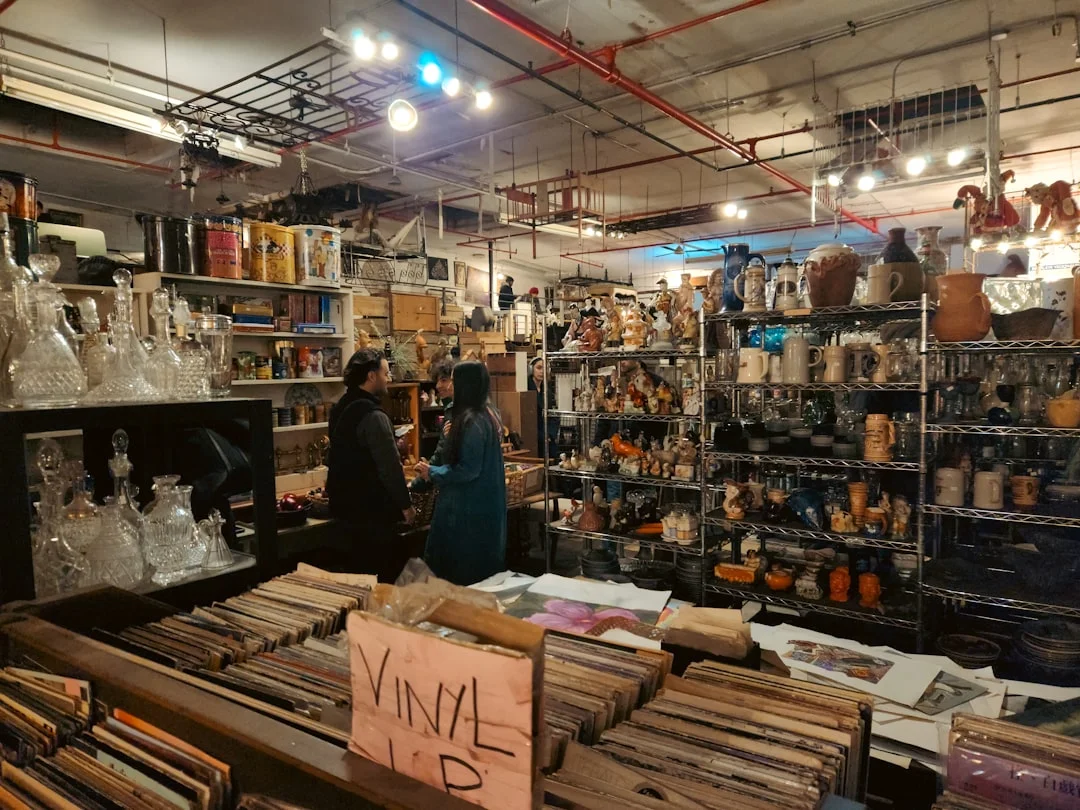
Photo by Zoshua Colah on Unsplash
The next several quarters will reveal how these moves converge to shape pricing, audience access, and opportunities for emerging artists. Readers are encouraged to follow coverage from established outlets covering the LES, including the evolving calendars and press updates from Canyon, Independent, Collect Z, and the New Museum expansion, as well as market analyses from reputable art-market outlets that track liquidity, space utilization, and audience behavior. Updates from major fairs, gallery openings, and residency programs will provide a clearer picture of whether the LES gallery boom 2026 translates into lasting impact on New York’s art economy and on artists’ careers. (theartnewspaper.com)